
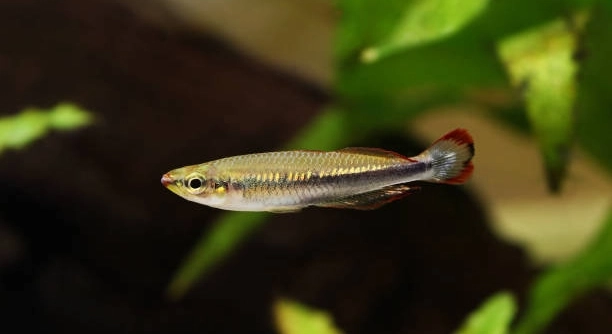
Rainbowfish are lively little swimmers that often move with sudden bursts instead of gliding steadily through the water. Observing them can be entertaining, and many aquarists wonder why their movements seem so quick and abrupt.
Rainbowfish often swim in short bursts as a natural behavior to avoid predators, navigate their environment efficiently, and maintain social interactions within their groups. This quick movement helps them survive and respond to changes in their surroundings.
Learning more about their short-burst swimming can help you create a better habitat and understand their daily patterns in your aquarium.
The Role of Predators in Quick Swimming
Rainbowfish are naturally alert creatures, and their environment influences how they move. In the wild, they face many threats from larger fish or birds. Short bursts of swimming allow them to react instantly when danger is near. Even in home aquariums, this instinct remains strong. They may dart suddenly when a shadow passes or when other fish approach too closely. Observing them in these moments shows how finely tuned their senses are. This behavior is not random; it is a survival mechanism developed over generations. Quick bursts help them stay safe while allowing them to explore their surroundings without lingering in one spot for too long. The pattern of movement also allows them to maintain energy, as constant swimming would be exhausting. By understanding this instinct, aquarists can create safer and more comfortable spaces that respect their natural behaviors. Providing hiding spots can reduce stress and encourage healthy activity levels.
Short bursts of swimming are primarily a defense mechanism against potential threats.
Creating an aquarium with gentle currents and plenty of plants can help rainbowfish feel secure. Hiding areas and open swimming spaces balance their need to explore with safety. Observing their short bursts in such environments can reveal normal, healthy behavior rather than signs of stress. Their interactions with other fish often involve quick dashes to assert territory or join schooling formations. By carefully monitoring these movements, you can learn when they are playful, cautious, or simply navigating the tank. Feeding times may also trigger sudden swimming, as they react quickly to food. In essence, their bursts of energy are a mix of instinct, social interaction, and curiosity. Respecting this behavior ensures they remain active and comfortable. Watching them adapt to a well-designed tank can be rewarding, showing their natural rhythm and responsiveness.
Energy Conservation and Efficient Movement
Short swimming bursts also help rainbowfish manage their energy. Continuous swimming could tire them quickly, especially in smaller tanks or warm water. Short dashes allow them to move efficiently while resting between bursts. This pattern lets them remain alert without overexertion, balancing activity and relaxation.
Rainbowfish use short bursts to cover distances quickly while conserving energy for feeding and social interactions.
This intermittent swimming strategy also supports their feeding habits. Quick bursts let them reach food in one area and then pause to consume it without unnecessary movement. When in groups, rainbowfish often synchronize these bursts, creating coordinated movements that help them stay together and reduce risk of separation. Even during rest periods, small movements may occur to maintain position or respond to changes in water currents. Efficient movement also supports their overall health, as overexertion can lead to stress or illness. By recognizing their natural pattern, aquarists can avoid overfeeding or creating overly turbulent tank conditions. Encouraging spaces that allow short, controlled bursts, such as open areas near plants or smooth swimming paths, supports their instincts. This behavior demonstrates how their body and brain work together to manage energy, maintain social bonds, and respond to stimuli effectively.
Social Interaction and Schooling Behavior
Rainbowfish often swim in short bursts to stay close to their group. Schooling helps them feel safe and coordinate movements, reducing the chance of being isolated or targeted.
When rainbowfish move in groups, short bursts keep everyone aligned. Each fish reacts quickly to the movements of its neighbors, creating a synchronized pattern. This behavior allows them to maintain group cohesion while exploring or avoiding threats. Schooling also improves their chances of finding food efficiently, as sudden movements signal feeding opportunities. Even in aquariums, rainbowfish display these bursts when interacting with other fish, showing their instinct to remain connected. Observing these movements gives insight into their natural communication and social structure.
Short bursts also help rainbowfish communicate subtle signals within the school. Changes in direction or speed indicate caution, interest, or readiness to feed. These brief, quick movements keep the group coordinated, ensuring the safety and well-being of all members. In aquariums, providing space and multiple companions encourages natural schooling behavior, allowing bursts of movement to occur naturally. This social structure reduces stress and promotes healthy interactions, giving each fish a sense of belonging. Understanding these patterns helps maintain balance in their tank environment and supports long-term wellbeing.
Environmental Triggers and Habitat Influence
Rainbowfish respond to changes in their surroundings with short, sudden movements. Light, temperature, and tank layout can all trigger bursts of swimming.
Environmental factors like water flow, plants, or objects can affect their movement. Rainbowfish may dart when currents shift or when they encounter unfamiliar decorations. Sudden light changes can also startle them, prompting short bursts as a reflex. Their habitat design directly impacts how often and how intensely they display this behavior. Observing these triggers allows aquarists to adjust conditions for comfort, minimizing unnecessary stress. Proper lighting, stable temperature, and strategic placement of plants encourage natural, controlled bursts rather than chaotic darting.
The design of an aquarium significantly affects rainbowfish behavior. Open swimming areas combined with hiding spots allow them to express natural movement safely. When they feel secure, bursts occur less frantically and more as deliberate navigation. Overcrowding or poor water quality can increase stress, leading to excessive, erratic bursts. Understanding and controlling environmental triggers helps maintain balance, encouraging bursts that reflect instinct rather than panic. Adjusting tank elements like plants, rocks, or background textures can create calming stimuli, supporting regular schooling and energy-efficient swimming. A well-planned habitat allows rainbowfish to thrive while showcasing their lively, short-burst behavior in a natural and healthy way.
Feeding Habits and Short Bursts
Rainbowfish often move quickly when food is introduced. Short bursts allow them to reach food before others do.
These quick movements help them grab small particles efficiently. They may dart from one spot to another, ensuring they consume enough without wasting energy.
Learning from Experience
Rainbowfish can adjust their swimming patterns based on past experiences. They may become quicker in certain areas of the tank or when interacting with specific tank mates. Observing these adaptations shows how responsive they are to their environment.
Stress and Reaction
Short bursts can indicate mild stress. Changes in water quality, temperature, or tank conditions may trigger sudden swimming, signaling a need for attention.
Why do rainbowfish swim in short bursts rather than glide smoothly?
Rainbowfish swim in short bursts as a natural survival behavior. These sudden movements help them react quickly to threats, avoid predators, and navigate their environment efficiently. Even in a calm aquarium, this instinct remains, allowing them to maintain awareness and respond rapidly to any sudden changes in their surroundings. Short bursts are energy-efficient, preventing exhaustion that could occur from continuous swimming.
Do short bursts indicate that my rainbowfish are stressed?
Not always. Short bursts are often a normal part of rainbowfish behavior, especially during feeding, social interactions, or exploration. However, excessive or frantic bursts, especially combined with hiding or loss of appetite, can signal mild stress. Stress may result from poor water quality, overcrowding, sudden changes in temperature, or strong currents. Observing the context of these bursts helps determine if intervention is needed. Ensuring stable water parameters, sufficient hiding spots, and calm surroundings reduces stress and promotes natural activity patterns.
Are bursts more common in certain tank conditions?
Yes. Rainbowfish may move in short bursts more frequently in tanks with uneven currents, bright lights, or minimal cover. Open spaces encourage quick exploratory movements, while hiding areas can trigger bursts as they move in and out of shelter. Environmental enrichment, such as plants, rocks, and driftwood, supports natural movement while balancing safety and curiosity. Strong lighting or sudden changes in illumination may also provoke darting responses. Adjusting tank conditions to provide a mix of open swimming areas and safe zones encourages bursts that reflect natural behavior rather than stress.
Can short bursts help rainbowfish socialize with others?
Absolutely. Rainbowfish often use quick movements to maintain group cohesion and communicate with tank mates. In schools, bursts help synchronize swimming, signal caution, or indicate feeding opportunities. These bursts are part of natural social interaction, allowing the fish to stay connected and coordinated. When kept in groups, rainbowfish display more bursts compared to solitary individuals, reflecting the importance of social cues. Encouraging small groups and observing these interactions can help aquarists understand their schooling behavior and maintain harmony in the tank.
Do rainbowfish need more space if they swim in bursts frequently?
Providing adequate space is important. Frequent bursts indicate active movement, and limited swimming areas may lead to collisions, stress, or disrupted schooling. Open swimming zones allow rainbowfish to perform short bursts naturally without obstruction. Including hiding spots alongside open areas ensures they can alternate between quick movement and resting safely. Larger tanks with proper filtration and flow management also reduce stress and encourage natural behavior. Observing how often bursts occur can help determine if your aquarium layout meets their activity needs and supports healthy, balanced swimming patterns.
Is there a connection between feeding and short bursts?
Yes, feeding often triggers bursts. Rainbowfish dart toward food to secure it quickly, especially when multiple fish are present. These movements are instinctive and help them compete without overexertion. Spacing feeding areas or providing multiple points in the tank can reduce competition and encourage efficient short bursts. Watching how they approach food provides insight into their social hierarchy and natural instincts. Adjusting feeding routines to accommodate bursts ensures all fish receive enough nutrition while maintaining their energy-efficient movement patterns.
Will short bursts decrease as rainbowfish get used to the tank?
Some bursts may decrease over time as the fish become familiar with their environment. They may react less to harmless shadows or sudden movement from other fish. However, bursts will remain part of their natural behavior, especially during feeding, schooling, or exploration. Providing consistent water conditions and a stable environment helps them feel secure, reducing unnecessary bursts while allowing normal activity. Their instinct to move in short bursts never fully disappears, as it is a fundamental aspect of their survival and energy management.
Can tank decorations influence burst behavior?
Yes, decorations play a big role. Plants, rocks, and driftwood create shelter and obstacles that encourage natural bursts as fish navigate around them. Open areas allow for smooth bursts, while cluttered zones provide quick darting opportunities. Strategic placement can mimic natural habitats and trigger instinctive movement. Observing how rainbowfish respond to different decorations helps aquarists optimize tank design, balancing bursts with resting areas and maintaining an environment that supports both activity and comfort.
How can I tell if bursts are healthy or a sign of problem?
Healthy bursts are quick, coordinated, and often related to feeding, schooling, or exploration. Signs of concern include frantic or repeated bursts without a clear reason, accompanied by hiding, lethargy, or loss of appetite. Monitoring water quality, tank conditions, and fish behavior helps distinguish between normal activity and stress-induced bursts. Proper tank setup, group size, and environmental enrichment support healthy bursts and overall well-being.
Rainbowfish are lively and curious creatures that naturally swim in short bursts. This behavior is not random but a combination of instincts shaped by survival, social interaction, and energy management. In the wild, quick bursts allow them to avoid predators, stay close to their group, and respond to sudden changes in their surroundings. Even in a home aquarium, these instincts remain strong. Observing their short, quick movements can be both entertaining and informative, showing how finely tuned they are to their environment. Understanding why rainbowfish swim this way helps aquarists create better living conditions and ensures that the fish can display their natural behaviors comfortably and safely.
Short bursts are also closely linked to how rainbowfish interact with each other and their environment. Swimming quickly in brief intervals allows them to stay in sync with their school, communicate subtle signals, and maintain a sense of security. During feeding, these bursts help each fish reach food efficiently while avoiding overexertion. The design of the tank and placement of plants, hiding spots, and open swimming areas greatly influence the intensity and frequency of these movements. By providing a balance of open space and shelter, aquarists can encourage natural bursts of activity while minimizing stress. Environmental factors such as water quality, light levels, and temperature also play a role in how frequently rainbowfish display this behavior, making it important to monitor and maintain stable conditions.
Overall, short bursts of swimming are an essential part of rainbowfish behavior that reflects their instincts, energy needs, and social patterns. They serve as a tool for survival, a method of communication, and a way to navigate their surroundings efficiently. Paying attention to these bursts can give insight into the health and well-being of the fish. Creating a suitable habitat that respects their natural tendencies, including both areas to dart freely and spaces to rest safely, allows rainbowfish to thrive. Observing and understanding these movements provides a greater appreciation for their activity, personality, and natural rhythm. With the right care and attention, rainbowfish can maintain their lively bursts while living a healthy and balanced life in any aquarium.

Hello,
If you enjoy the content that we create, please consider saying a "Thank You!" by leaving a tip.
Every little bit helps us continue crafting quality advice that supports the health, happiness, and well-being of pets around the world, for pets of all shapes, sizes, and species.
We really appreciate the kindness and support that you show us!