
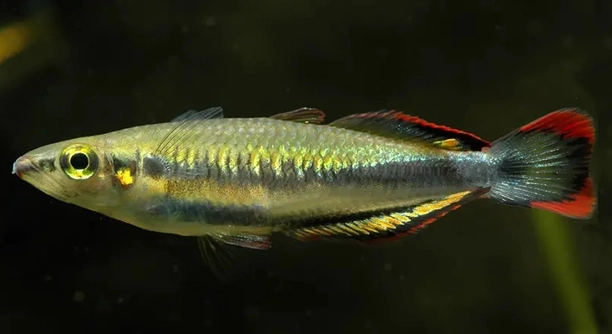
Rainbowfish are known for their bright colors and lively movements. Many aquarists notice that these fish often gather in certain corners of the tank, forming tight little groups. Their clustering behavior is both charming and noticeable.
Rainbowfish cluster in specific corners primarily due to environmental and social factors. These include water flow patterns, the presence of hiding spaces, territorial instincts, and the need for group cohesion, which collectively influence their preference for particular areas in the tank.
Observing these patterns can help you create a tank environment that suits their natural behaviors. The arrangement of decorations and water flow plays a key role in where they choose to gather.
Why Rainbowfish Prefer Certain Corners
Rainbowfish often choose specific corners of a tank because these areas offer a sense of security and comfort. They naturally seek spots where they feel less exposed to movement or disturbances. Corners provide a stable environment where water flow is calmer, and hiding spaces like plants or decorations are nearby. This behavior is linked to their instincts in the wild, where staying close to protective structures reduces stress and helps them monitor their surroundings safely. Observing their behavior closely, you might notice that they cluster together, reinforcing their sense of safety. Lighting also plays a role, as softer or shaded areas feel less threatening. Additionally, social dynamics influence where they gather; dominant individuals often pick favored corners, and others follow to maintain cohesion. These patterns are subtle but consistent, making tank layout crucial for their comfort. Providing multiple appealing corners can reduce conflicts and make the fish feel more at ease.
Corners act as natural gathering points, offering shelter, calm water, and a sense of safety for rainbowfish in a tank.
Creating an environment that accommodates these preferences improves the well-being of rainbowfish. By arranging plants, rocks, and decorations thoughtfully, you can encourage natural clustering without overcrowding. Monitoring water flow ensures that areas remain comfortable, as strong currents can discourage them from gathering. Observing the fish’s movements and adjusting the layout accordingly helps maintain harmony. Social structure also matters; rainbowfish are schooling fish, and they tend to stick close to familiar companions, often mirroring each other’s location choices. Light intensity and color temperature influence their behavior too, as they prefer softer lighting in sheltered areas. Corners provide both physical and psychological safety, reducing stress levels. Over time, fish will return to favored spots repeatedly. Understanding these habits allows you to predict where they will gather, making feeding and tank maintenance smoother. A well-designed tank can simulate natural conditions, supporting healthy activity, vibrant colors, and overall happiness.
Social Behavior and Safety
Rainbowfish often gather in corners to stay close to their group and feel secure.
Clustering is a social strategy that keeps them safe and reduces stress. When they stay together in corners, it helps regulate behavior, prevents aggression, and makes the group feel stable. This behavior is natural, reflecting instincts from their natural habitats, where staying near structures and companions offered protection. By remaining close, they can watch for potential threats and quickly respond if necessary. The group dynamic is important for feeding and swimming coordination, and corners provide a defined space for these interactions. Observing them, you can see that their position within the corner often indicates hierarchy, with dominant fish choosing prime spots while others follow. Consistent placement also helps reduce territorial disputes and encourages harmony. Recognizing these patterns can guide tank arrangement, decoration placement, and feeding strategies. By respecting their social needs, the tank becomes a calmer environment, supporting healthy behavior, vivid colors, and active swimming.
Environmental Factors Affecting Clustering
Corners often have calmer water flow, making them appealing for rainbowfish. These areas reduce stress and allow fish to rest without constant swimming against currents. Decorations and plants further enhance comfort, creating microhabitats that feel safe and familiar for the group.
Water flow, temperature, and light intensity all play a role in corner preference. Rainbowfish naturally seek zones where currents are gentle, as strong movement can be tiring. Shaded areas or spots near plants provide a sense of protection, reducing anxiety. Temperature gradients can also influence their location, with slightly warmer or cooler corners becoming favored. Even minor differences in tank layout, like the position of rocks or ornaments, can determine where fish cluster. By understanding these environmental preferences, aquarists can create a tank that encourages healthy behavior and minimizes stress. Observing how fish interact with their surroundings gives insight into their comfort levels and guides adjustments.
Corners offer more than safety; they act as social anchors for rainbowfish. Fish often use these spaces to coordinate movement, establish territory, and maintain group cohesion. In these sheltered zones, dominant fish can claim preferred spots while others follow, reinforcing social hierarchies. Placement of plants, rocks, and other structures affects how these clusters form, encouraging natural behavior. Light and shadow variations add to the comfort, making fish more likely to remain in specific corners. Over time, these preferences become predictable, helping with feeding schedules and tank maintenance. Observing clustering patterns also provides clues about overall fish health, as consistent behavior often signals well-being, whereas sudden changes may indicate stress or illness.
Diet and Feeding Habits
Rainbowfish tend to gather where food is regularly available, often in corners with slow-moving water. These areas let them eat safely while staying close to the group and observing surroundings for threats.
Feeding habits directly influence clustering behavior. Rainbowfish are opportunistic feeders and often remember where food appears first. Corners with calmer water allow fish to feed without being pushed around by currents, making it easier to consume flakes or small live food. Fish also prefer to eat near companions, which reduces vulnerability and increases confidence. Over time, repeated feeding in certain corners trains them to associate these spaces with nourishment. The arrangement of feeding spots, along with nearby shelter, encourages consistent clustering, reinforcing both social bonds and safety instincts. Watching their feeding behavior can reveal preferences for particular tank areas and help in adjusting food distribution to reduce competition.
Feeding strategies also impact group dynamics. When food is placed in a corner, dominant fish often access it first, while others wait or share nearby spots. This pattern reinforces social order and maintains group cohesion. In addition, clustering near food helps rainbowfish conserve energy by reducing unnecessary swimming. Balanced nutrition is essential, as healthier fish display brighter colors and more active clustering behavior. Tank layout, placement of hiding spaces, and water flow all influence how feeding corners are used. By aligning feeding habits with natural clustering tendencies, aquarists can create a stable, stress-free environment. Understanding these patterns ensures all fish get adequate food and supports harmonious group interactions.
Light and Shelter Preferences
Rainbowfish often gather in corners that offer shade or partial cover. These areas feel safer and less exposed, allowing fish to rest while still observing their surroundings. Light levels can strongly influence where they choose to cluster.
Providing plants, rocks, or decorations in corners enhances shelter. Rainbowfish naturally seek areas that reduce stress, and soft lighting or shadows make them more comfortable. Bright, open spaces can feel threatening, while a corner with cover mimics natural hiding spots. Over time, fish consistently return to these areas, reinforcing the importance of light and shelter in their behavior.
Tank Size and Layout
Tank dimensions and arrangement affect clustering patterns. Smaller tanks naturally encourage rainbowfish to gather, while larger tanks allow more distributed movement. Placement of decorations, plants, and other structures determines where clusters form. Grouping behaviors are influenced by the available space, and strategic layout can guide their preferred corners.
Stress and Safety
Crowding, aggressive tank mates, or sudden changes can push rainbowfish toward corners. These areas provide a sense of security and reduce stress, helping maintain calmer group behavior.
FAQ
Why do rainbowfish cluster in corners instead of swimming freely?
Rainbowfish cluster in corners mainly because these areas provide safety and comfort. Corners offer calm water, shelter from light, and nearby hiding spots like plants or decorations. Clustering also supports social cohesion. Schooling fish feel more secure when they stay together, reducing stress and helping them monitor their surroundings more easily.
Is it normal for rainbowfish to stay in one corner most of the time?
Yes, it can be normal if the tank provides uneven water flow or limited shelter in other areas. Rainbowfish will naturally favor areas that feel safe and comfortable. However, constant hiding may also signal stress, overcrowding, or water quality issues. Observing their overall behavior, swimming patterns, and appetite can help determine if everything is fine.
Do dominant fish affect clustering behavior?
Absolutely. Rainbowfish have a social hierarchy, and dominant fish often claim preferred spots in corners. Subordinate fish tend to follow and cluster nearby for safety. This pattern reinforces social order and reduces conflict. Ensuring enough space and hiding spots helps prevent aggression and allows all fish to feel secure.
Can tank decorations influence where rainbowfish gather?
Yes, decorations strongly affect clustering. Rocks, plants, or ornaments provide shelter and visual boundaries, which make corners more attractive. Fish tend to gather near structures that give a sense of protection and reduce exposure. Strategically placing decorations can encourage natural clustering while keeping the tank organized and visually appealing.
How does water flow impact rainbowfish clustering?
Water movement is a major factor. Rainbowfish prefer calm areas where they can rest without fighting currents. Strong water flow can push them toward corners or calmer zones. Adjusting filter output or using decorations to redirect flow can help distribute swimming areas more evenly and reduce constant clustering in one spot.
Do rainbowfish cluster more during feeding?
Yes, feeding encourages clustering, especially in calm corners. Rainbowfish remember where food is provided and gather there to eat safely with the group. Dominant fish may take the first bites, but others follow to nearby spots. Repeated feeding in the same area strengthens their preference for certain corners.
Can stress cause rainbowfish to cluster excessively?
Yes, stress from overcrowding, aggressive tank mates, or sudden changes can push rainbowfish to stay in corners more than usual. Corners act as safe zones where they feel protected. Monitoring water quality, tank mates, and environmental conditions helps reduce stress and encourage more balanced movement.
Does tank size change clustering patterns?
Tank size influences clustering. Smaller tanks naturally lead to more frequent gatherings in corners, while larger tanks provide room for distributed movement. Layout also matters: well-placed plants, rocks, and shelters can guide fish to multiple comfortable zones rather than a single corner, supporting healthier behavior.
How does light affect where rainbowfish cluster?
Rainbowfish prefer softer, shaded areas over bright, open spaces. Corners often provide gentle lighting or shadowed zones, making them feel safer. Adjusting light intensity or adding plants to create natural shade encourages comfortable clustering without forcing fish into extreme hiding.
Can clustering be used to monitor health?
Yes, consistent clustering behavior can indicate well-being, while sudden changes may signal stress, illness, or water quality problems. Observing where and how fish cluster provides insight into their comfort level and overall health. Adjusting tank layout, water flow, and feeding routines helps maintain stability and vibrant activity.
Do rainbowfish cluster differently at night?
At night, clustering may increase as fish seek protection and rest. They often gather in corners or near hiding spots to feel secure. Providing adequate shelter and a calm environment ensures they can rest without stress, supporting natural behavior and overall health.
Can I reduce excessive corner clustering?
Yes, by improving tank layout, adding multiple shelters, adjusting water flow, and ensuring balanced lighting. Encouraging exploration with open swimming areas and placing food in different spots can help distribute activity, reducing the need for constant corner clustering. Observing behavior regularly helps fine-tune these adjustments.
Are all rainbowfish species equally likely to cluster?
No, clustering tendencies vary by species. Some species are more social and school tightly, while others may prefer more space. Understanding the specific species’ behavior allows you to create a tank that meets their social and environmental needs, supporting healthy clustering patterns.
Does temperature affect clustering behavior?
Yes, temperature can influence where rainbowfish gather. Slightly warmer or cooler corners may become favored zones. Maintaining stable water temperature and avoiding sudden fluctuations ensures comfort, reduces stress, and supports predictable clustering behavior throughout the tank.
Can clustering be a sign of reproduction behavior?
Sometimes. During breeding, rainbowfish may gather near corners or secluded areas where they feel safe to spawn. Observing pairing behavior, egg-laying, or changes in activity can indicate reproductive clustering. Providing suitable hiding spaces encourages natural breeding while keeping the group calm.
Does water quality impact clustering?
Definitely. Poor water quality, such as high ammonia, nitrate, or low oxygen, can drive rainbowfish to seek corners where conditions feel slightly better. Regular monitoring, filtration, and partial water changes are essential to maintain safe, comfortable zones that prevent stress-driven clustering.
Can clustering indicate compatibility issues with other fish?
Yes, aggressive or incompatible tank mates can push rainbowfish into corners for safety. Clustering serves as a protective strategy. Observing interactions and adjusting stocking or tank layout can improve harmony, reducing stress and excessive cornering.
Do rainbowfish cluster for warmth?
They may group in slightly warmer areas, as fish tend to seek comfortable temperatures. Corners can sometimes have less water circulation and retain warmth. Maintaining even temperature distribution ensures clustering is driven by social and environmental comfort rather than thermal stress.
How long do rainbowfish typically stay in a corner?
Duration varies by comfort, stress level, and environmental factors. They may stay for minutes to hours, especially in calm, sheltered zones. If clustering persists constantly, it may indicate stress or unsuitable tank conditions, prompting adjustments in layout, flow, or shelter.
Does adding more fish change clustering patterns?
Yes, increasing group size can strengthen schooling behavior and corner clustering, as fish feel safer in numbers. However, overcrowding can increase stress and aggression, causing excessive hiding. Balancing population density is key to natural clustering without conflicts.
Can clustering behavior be trained or influenced?
Yes, feeding in different areas, adjusting shelter placement, and moderating water flow can influence where rainbowfish cluster. Repeated positive experiences in certain spots encourage natural behavior while promoting comfort, activity, and reduced stress throughout the tank.
This FAQ covers the main reasons rainbowfish cluster in corners, addressing social, environmental, and health-related factors, helping aquarists understand and support natural behavior patterns effectively.
Rainbowfish clustering in corners is a natural behavior influenced by multiple factors. These fish often seek areas that feel safe and sheltered, where water flow is calmer and decorations provide cover. Corners offer a sense of security that makes them feel less exposed to perceived threats. Even in a well-maintained tank, rainbowfish will gravitate toward these preferred areas because it mimics aspects of their natural habitat. Understanding this behavior helps aquarists create an environment that meets their needs. By observing where they cluster, it becomes easier to identify which parts of the tank they feel comfortable in and which areas may need adjustments. This simple observation can prevent unnecessary stress and support overall well-being.
Social behavior also plays a key role in corner clustering. Rainbowfish are schooling fish, meaning they naturally stick together in groups. Dominant individuals often select prime spots in corners, and others follow to maintain group cohesion. This creates a visible hierarchy that reduces conflict and helps regulate interactions. Providing multiple corners or shelters in the tank allows subordinate fish to feel safe while preventing overcrowding. Over time, fish become familiar with these zones, creating a predictable pattern that makes feeding, tank cleaning, and observation easier for the aquarist. Recognizing the social structure of rainbowfish helps explain why they prefer certain corners and how environmental and social elements interact to influence their behavior.
Environmental factors, feeding habits, and tank design all contribute to where rainbowfish cluster. Light intensity, water flow, and temperature can make corners more appealing than open areas. Feeding patterns reinforce these preferences, as fish learn where food is provided and gather there consistently. A well-arranged tank with plants, rocks, and gentle water movement supports natural clustering without causing stress or overcrowding. Monitoring their behavior regularly allows adjustments to maintain a healthy environment. By paying attention to clustering patterns, aquarists can ensure rainbowfish feel safe, remain active, and display vibrant colors. Creating a tank that considers both social and environmental needs helps these fish thrive and allows for an enjoyable and balanced aquarium experience.

Hello,
If you enjoy the content that we create, please consider saying a "Thank You!" by leaving a tip.
Every little bit helps us continue crafting quality advice that supports the health, happiness, and well-being of pets around the world, for pets of all shapes, sizes, and species.
We really appreciate the kindness and support that you show us!