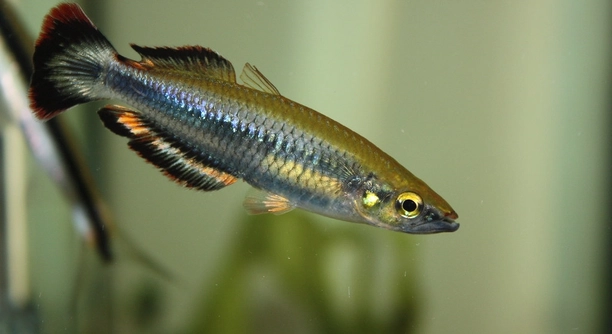
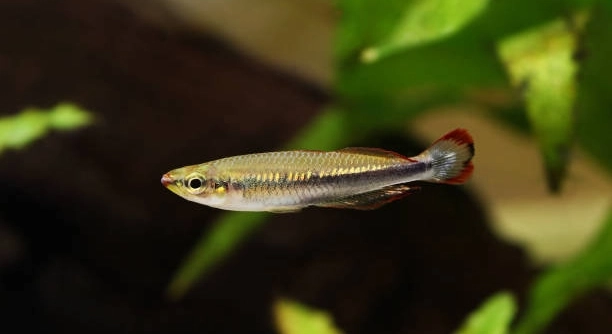
Do Rainbowfish Like Current in the Tank?

Have you ever set up a new aquarium and noticed your rainbowfish swimming in different directions, sometimes against the flow of water, other times resting calmly? Their behavior can be both charming and puzzling for any fish keeper. Rainbowfish generally tolerate mild to moderate water currents in a tank, though they prefer areas where they … Read more
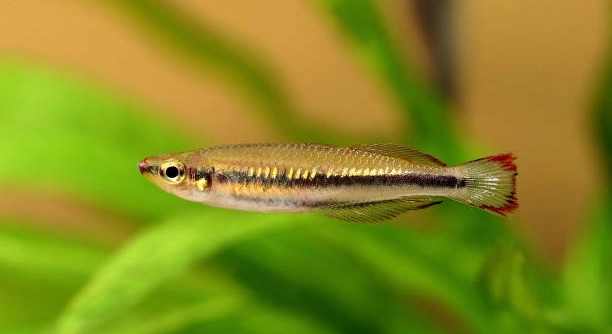
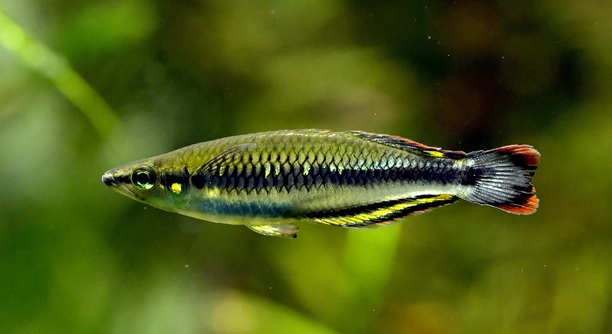
7 Simple Upgrades to Make Fish More Comfortable

Are your fish showing signs of stress or lethargy despite regular feeding and tank cleaning? Ensuring their environment supports natural behaviors can greatly improve their overall comfort and well-being in your home aquarium. Simple upgrades such as adding hiding spots, optimizing water temperature, improving filtration, providing gentle lighting, introducing live plants, maintaining a proper feeding … Read more

7 Subtle Clues of Tank Hierarchy Issues

Do you ever notice subtle tension in your fish tank but aren’t sure why it’s happening? Many aquarists overlook how social structure among fish can quietly affect their behavior and tank harmony. Tank hierarchy issues often manifest through minor behavioral cues that indicate dominance struggles or social stress. Recognizing these signs early allows for timely … Read more

Can You Train Rainbowfish With Food?

Have you ever watched your rainbowfish swim gracefully and wished you could interact with them in a more engaging way? These colorful fish are lively and responsive, making them appealing companions in any home aquarium setting. Rainbowfish can be trained using food as a positive reinforcement tool. By offering small, consistent treats in response to … Read more

7 Ways to Make Feeding Time More Fun

Feeding time can sometimes feel like a routine task that drags on for both you and your child. Finding ways to make it enjoyable can turn these moments into positive experiences for everyone involved. Making feeding time more fun can be achieved through simple strategies such as introducing colorful plates, creating playful food shapes, involving … Read more

What Does Slow Swimming Mean in Rainbowfish?

Slow swimming in rainbowfish is a behavior often noticed by aquarium enthusiasts. Observing your fish move gently through the water can indicate various aspects of their daily life and environment. It is a subtle but important sign to note. Slow swimming in rainbowfish typically indicates a combination of environmental adaptation and health status. Factors such … Read more

Can Rainbowfish Experience Curiosity?

Have you ever watched rainbowfish swim around their tank, stopping briefly as if noticing something new in their environment? These small, colorful fish can display behaviors that seem playful and attentive, capturing the interest of many fish enthusiasts. Rainbowfish can exhibit behaviors that suggest a form of curiosity. They often explore new objects, investigate changes … Read more

Are Rainbowfish Attracted to Light Movement?

Are your rainbowfish swimming more actively than usual in your tank? Many aquarium enthusiasts notice sudden bursts of movement and bright flashes catching their attention during daily care routines. Observing these behaviors can be quite fascinating. Rainbowfish are naturally responsive to light movement due to their visual sensitivity and social behavior patterns. They tend to … Read more

What Causes Rainbowfish to Pale in Color?

Rainbowfish are known for their bright and shimmering colors, which add life to any aquarium. Sometimes, these vibrant hues can fade, leaving the fish looking pale and dull. Observing this change can feel worrying for owners. Rainbowfish lose color primarily due to stress, poor water quality, improper diet, or illness. Changes in lighting, temperature fluctuations, … Read more

7 Reasons Rainbowfish Might Seem “Off” Today

Rainbowfish are known for their bright colors and active behavior, but sometimes they may appear less lively or seem unusual. Observing these changes can help you better understand their needs and overall health in your tank. Rainbowfish may seem “off” due to changes in water quality, diet, stress, illness, or environmental factors. Monitoring these aspects … Read more