
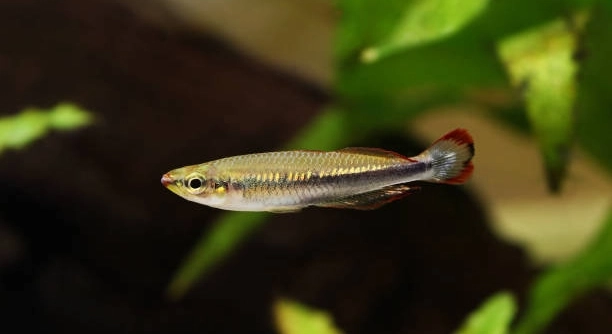
Are your rainbowfish swimming more actively than usual in your tank? Many aquarium enthusiasts notice sudden bursts of movement and bright flashes catching their attention during daily care routines. Observing these behaviors can be quite fascinating.
Rainbowfish are naturally responsive to light movement due to their visual sensitivity and social behavior patterns. They tend to follow shifting light sources, which stimulates activity and can influence feeding and schooling behavior in controlled environments.
Understanding how light affects their movement can help improve tank conditions and create a more engaging environment for your fish.
How Rainbowfish React to Light Movement
Rainbowfish are highly perceptive to changes in light within their environment. When light shifts across the tank, they often respond by moving in its direction or gathering near it. This behavior is linked to their natural instincts in the wild, where light patterns indicate potential food sources or safe areas. In an aquarium, consistent lighting helps them feel secure, but sudden flashes or moving beams can trigger short bursts of activity. Some species are more sensitive than others, showing faster, more pronounced reactions. Observing these movements can reveal a lot about their comfort level and social behavior. Grouped rainbowfish often mimic each other’s responses, reinforcing their schooling tendencies. Adjusting light gradually rather than abruptly allows them to maintain steady activity without stress. Overall, understanding their response to light can improve tank management and enrich the daily observation experience, ensuring the fish remain healthy, active, and visually engaging.
These reactions are most noticeable during feeding times or when lights are dimmed. Monitoring them helps maintain balance.
Proper light management supports natural rhythms, enhances colors, and encourages active schooling. Subtle changes in intensity can influence their overall behavior, making the tank environment more dynamic.
Tips for Aquarium Lighting
Maintaining steady, predictable lighting reduces stress for rainbowfish. Light that mimics natural cycles helps regulate feeding and activity patterns.
Using a combination of overhead and side lighting can simulate sunlight movement. Gradual adjustments prevent startling the fish, allowing them to adapt smoothly. Many aquariums benefit from timers to ensure consistency. Choosing bulbs with the right spectrum enhances coloration and promotes natural behavior. Avoid placing the tank in direct sunlight, which can cause rapid temperature changes and create sudden glare. Soft, diffused lighting encourages exploration and reduces hiding tendencies, fostering healthier interaction among the fish. Observing how different species react to various lighting setups allows for optimization, ensuring the environment is both visually pleasing and comfortable for the rainbowfish. Adjustments should be made carefully, observing changes in swimming patterns, schooling, and overall activity levels. Well-managed lighting not only supports physical health but also enriches the aesthetic appeal of the aquarium, highlighting the vibrant colors and graceful movements of rainbowfish.
Adjusting Light for Rainbowfish Activity
Sudden bright lights can startle rainbowfish, causing erratic movement or hiding. Gradual changes in intensity help them adapt and maintain calm swimming patterns, supporting healthy activity and minimizing stress in the tank.
Using dimmers or adjustable LEDs allows for controlled lighting that mimics natural shifts. Rainbowfish respond better when changes happen slowly, and this approach encourages steady movement and interaction among tank mates. Lights that move too quickly or flicker can trigger rapid, sometimes frantic swimming, which can be stressful over time. Observing their reactions to different setups helps determine the best light configuration for their behavior and comfort. A consistent schedule also supports feeding habits and overall well-being, creating an environment that feels natural and secure.
Some hobbyists place reflective surfaces or slow-moving light sources to engage rainbowfish gently. This simulates sunlight patterns and keeps the fish active without causing panic. Combining steady overhead lighting with subtle lateral movement enhances schooling behavior and visual stimulation. Observing how fish respond to these setups provides insight into their preferences, helping optimize their tank environment. Gradual experimentation ensures the lighting encourages natural behaviors while preventing unnecessary stress or agitation.
Light Placement and Tank Design
Positioning lights strategically avoids harsh glare and shadows, creating a comfortable swimming space. Proper placement reduces stress and encourages natural movement.
Lights should be placed to provide even coverage across the tank. Avoiding direct exposure to corners or reflective surfaces prevents sudden flashes that can alarm rainbowfish. Combining overhead lighting with subtle side illumination allows them to explore the tank more confidently, supporting social interaction and schooling behavior. Careful placement also highlights the colors of rainbowfish, making their patterns more vivid without overwhelming them. Ensuring lights are not too close to plants or decorations prevents overheating or unwanted reflections. Experimenting with angles and height helps find the most calming setup. Observing fish behavior during different lighting configurations informs adjustments. Consistency in placement, along with gradual changes in intensity, supports natural routines and reduces stress. Well-positioned lighting enhances both the health of the fish and the overall visual appeal of the aquarium.
Effects of Rapid Light Changes
Rapid changes in light can startle rainbowfish, triggering quick, erratic movements. These sudden shifts may increase stress and reduce their sense of security in the tank.
Maintaining gradual transitions in lighting helps rainbowfish stay calm. Sudden flickers or bright flashes can disrupt their natural activity patterns and cause unnecessary agitation.
Natural Light Simulation
Simulating natural sunlight patterns in the tank encourages normal behavior and supports the fish’s circadian rhythms. Using timers and adjustable lighting helps maintain a steady cycle, promoting healthier swimming, feeding, and schooling behaviors. Gradual increases and decreases in brightness mimic sunrise and sunset, reducing stress.
Observing Behavioral Cues
Monitoring rainbowfish responses to light changes reveals their comfort levels. Active, steady swimming indicates they are adapting well to the environment.
FAQ
Do rainbowfish prefer bright or dim lighting?
Rainbowfish generally prefer moderate lighting that mimics their natural environment. Bright, harsh lights can cause stress and rapid, erratic swimming, while overly dim lighting may reduce activity and dull their colors. Using adjustable LEDs or diffused light helps maintain a comfortable environment for daily activity and natural behavior.
How do rainbowfish react to moving light?
Rainbowfish are naturally curious and respond to moving light by following it or swimming toward it. This response can be seen as a combination of instinctual behavior and visual stimulation. Gentle, slow-moving light can encourage active schooling without causing panic or stress, supporting both health and natural interactions.
Can sudden light changes harm rainbowfish?
Sudden changes in light can startle rainbowfish and temporarily increase stress levels. While short-term exposure is unlikely to cause lasting harm, repeated or extreme shifts may disrupt their natural rhythms and cause hiding or frantic swimming. Gradual adjustments in lighting intensity are recommended for a stable environment.
Does light affect feeding behavior?
Yes, lighting plays a role in feeding behavior. Rainbowfish are more likely to be active and responsive during consistent light periods. Bright light at feeding time can encourage movement toward food, while erratic or sudden light changes may distract or frighten them, reducing feeding efficiency. Maintaining a regular light schedule supports healthy eating patterns.
How long should lights stay on in a rainbowfish tank?
A typical light cycle for rainbowfish is about 10–12 hours per day. Consistency helps regulate circadian rhythms, which in turn supports natural activity, feeding, and resting patterns. Using timers ensures predictable lighting, reducing stress and promoting overall well-being. Gradual transitions at the start and end of the cycle mimic sunrise and sunset.
Is colored lighting safe for rainbowfish?
Colored or LED lighting can be used safely if it mimics natural light patterns and is not overly intense. Gentle hues can enhance tank aesthetics and stimulate activity, but harsh or rapidly changing colors should be avoided, as they may stress the fish or interfere with normal behavior.
Do rainbowfish react differently during day and night?
Rainbowfish are diurnal, meaning they are most active during the day. Nighttime darkness encourages resting, so lights should be off or very dim at night. Maintaining a clear day-night cycle ensures that rainbowfish get proper rest, which is essential for health, coloration, and regular activity patterns.
Can reflective surfaces impact rainbowfish behavior?
Yes, reflective surfaces can create sudden flashes of light that confuse or startle rainbowfish. This may lead to unnecessary rapid swimming or hiding. Minimizing reflections and placing lights carefully can help maintain a calm environment while still providing enough stimulation to encourage natural behavior.
How does light placement affect schooling behavior?
Proper light placement encourages natural schooling by creating even illumination across the tank. Shadows or uneven lighting may cause some fish to hide while others move erratically. Overhead and side lighting that evenly reaches the tank helps rainbowfish swim in coordinated groups, supporting social interactions and reducing stress.
Are there signs of stress caused by lighting?
Signs of stress from lighting include erratic swimming, hiding, reduced feeding, or faded colors. Observing these behaviors can help identify when adjustments are needed. Gradual changes, consistent cycles, and careful placement of lights contribute to a calm, healthy environment that supports natural behavior.
Can aquarium plants influence rainbowfish reactions to light?
Yes, plants can diffuse light, create shaded areas, and reduce harsh reflections. This gives rainbowfish places to retreat if needed, making the tank feel more secure. Strategically placing plants can balance lighting, encourage exploration, and support normal schooling, feeding, and resting behaviors.
Does light movement simulate natural environments effectively?
Slow, gentle light movement can mimic natural sun patterns, creating a more engaging environment. Rainbowfish respond positively to these subtle changes, which can encourage swimming and schooling. Abrupt or fast-moving light should be avoided to prevent stress, making controlled movement the best choice for stimulating activity.
What type of lighting is best for rainbowfish coloration?
Full-spectrum or daylight-spectrum lighting brings out the vibrant colors of rainbowfish. Balanced, consistent light enhances natural patterns and prevents dullness. Using a combination of adjustable intensity and proper placement ensures colors are displayed effectively without causing stress or overexposure to bright light.
Can lighting affect breeding behavior?
Yes, consistent and natural-like lighting can encourage breeding behavior. Rainbowfish rely on environmental cues, including light, to establish routines. Gradual, steady light cycles help regulate hormones and activity patterns, supporting healthier interactions and increasing the likelihood of spawning in a home aquarium.
How can I test if my rainbowfish are comfortable with lighting?
Observe their swimming patterns, schooling behavior, and feeding response. Calm, coordinated movement and active feeding indicate they are comfortable. Erratic swimming, hiding, or reduced activity suggests adjustments are needed. Small, gradual changes in intensity or placement can help achieve an optimal setup.
Does light affect tank temperature for rainbowfish?
Some lighting types, particularly older or high-intensity bulbs, can raise tank temperature. This may influence behavior and stress levels. Using LED lighting, proper ventilation, and monitoring temperature ensures that rainbowfish remain healthy while still receiving appropriate light stimulation.
Are timers necessary for rainbowfish lighting?
Timers are highly recommended. They maintain a consistent day-night cycle, prevent sudden light changes, and reduce the risk of overexposure. Consistent timing supports natural rhythms, feeding habits, and activity patterns, helping rainbowfish thrive in a controlled environment.
How often should I adjust the lighting setup?
Adjustments should be made gradually and infrequently. Sudden or frequent changes can stress rainbowfish. Observe their responses over days or weeks before making further tweaks, ensuring that lighting encourages natural behavior without causing agitation or discomfort.
Can light intensity affect interactions between rainbowfish?
Yes, uneven or harsh lighting can cause some fish to dominate while others hide. Balanced, moderate lighting encourages even participation in schooling and reduces aggression. Proper intensity supports social cohesion, calmer swimming, and natural group behavior within the tank.
Do rainbowfish react differently to LED versus fluorescent lighting?
LED lighting provides more control over intensity and color spectrum, making it easier to simulate natural conditions. Fluorescent lights can be effective but may produce uneven illumination or glare. Observing behavior under both types helps determine which setup promotes comfort and activity.
Is there a risk of over-stimulating rainbowfish with light?
Yes, excessive brightness, rapid movement, or frequent changes can overstimulate them, causing stress and fatigue. Maintaining moderate, steady lighting with gradual transitions ensures stimulation is positive rather than harmful, promoting healthy activity and natural behavior.
How can I balance aesthetics and fish comfort?
Choose lighting that highlights colors without overwhelming the fish. Use diffusers, timers, and gentle movement to create visual appeal while maintaining a safe, comfortable environment. Prioritizing natural behavior and stress reduction ensures both beauty and well-being in the tank.
Can reflective tank decorations impact rainbowfish reactions to light?
Yes, reflective surfaces can create sudden flashes or shifting lights that startle rainbowfish. Placing decorations thoughtfully and avoiding strong reflections ensures the environment remains calm while still visually engaging.
How important is consistency in lighting for rainbowfish?
Consistency is key. Predictable cycles support natural activity, feeding, resting, and schooling behavior. Irregular lighting can cause stress, disrupt routines, and reduce overall well-being. Timers and careful placement are effective tools to maintain this stability.
Do rainbowfish have preferred areas in the tank based on light?
Rainbowfish often gravitate to areas where light is comfortable, not too harsh or dark. Observing these preferences helps optimize placement of lights and decorations, ensuring they have safe, well-lit zones for swimming and feeding while maintaining natural behavior.
Can light changes encourage exploration in the tank?
Yes, gentle light movement and variation can stimulate curiosity and movement. Gradual changes encourage swimming around the tank, exploring plants, and interacting with tank mates without causing fear or stress.
Are there signs of overstimulation from lighting?
Erratic swimming, constant hiding, reduced feeding, or pale coloration indicate overstimulation. These behaviors suggest adjustments are needed, either by reducing intensity, slowing movement, or diffusing light to create a calmer environment.
Does lighting affect how rainbowfish perceive tankmates?
Lighting can influence visibility and social behavior. Proper illumination allows rainbowfish to see each other clearly, supporting schooling and reducing territorial disputes. Poor or uneven lighting may cause some fish to hide, disrupting normal interactions and group cohesion.
How do I introduce new lighting without stressing rainbowfish?
Gradually increase intensity or introduce new angles slowly over several days. Observing reactions and making incremental adjustments helps rainbowfish adapt without causing panic or erratic swimming, maintaining a healthy, stress-free environment.
Can seasonal light variations impact rainbowfish behavior?
Yes, simulating seasonal light patterns, such as longer days in summer and shorter in winter, can support natural behavior and activity rhythms. Gradual adjustments in duration and intensity help maintain comfort while mimicking environmental changes they would experience in the wild.
Is there a preferred height for aquarium lights?
Lights should be positioned high enough to cover the tank evenly but not so close that they cause glare or hotspots. Proper height ensures balanced illumination, reduces stress, and encourages natural swimming and schooling patterns.
Do rainbowfish prefer natural or artificial light?
Rainbowfish adapt well to artificial lighting when it mimics natural conditions. Balanced intensity, gradual transitions, and proper placement replicate sunlight patterns, promoting health, coloration, and natural activity while avoiding stress.
How do I know if the light schedule is effective?
Consistent, active swimming, coordinated schooling, regular feeding, and calm resting indicate an effective light schedule. Observing these behaviors over time allows adjustments for optimal health and well-being.
Can uneven lighting cause aggression?
Yes, shadows or overly bright spots may lead to dominance or hiding behaviors. Balanced lighting supports calm social interaction, equitable schooling, and reduces stress-induced aggression.
Does light affect water temperature significantly?
Some lighting types, especially older or high-intensity bulbs, can raise water temperature. Monitoring and adjusting lighting and tank conditions prevents temperature-related stress while maintaining proper illumination.
Are timers essential for new rainbowfish setups?
Timers are highly beneficial in new setups, providing consistent cycles and predictable conditions that reduce stress. They help fish acclimate, establish routines, and support natural activity patterns from the start.
Can lighting influence rainbowfish coloration long-term?
Yes, consistent, balanced lighting enhances vibrancy over time. Proper spectrum, intensity, and duration support natural pigmentation, making rainbowfish appear healthier and more colorful while promoting general well-being.
How do I adjust lighting for nighttime viewing?
Dim, soft lighting or moonlight LEDs can allow observation without disturbing natural resting behavior. Avoid bright or flashing lights, as these can disrupt sleep and increase stress levels.
Does aquarium size impact light effectiveness?
Yes, larger tanks require more evenly distributed lighting to ensure all areas receive adequate illumination. Uneven lighting may cause some fish to hide or disrupt schooling, while proper distribution encourages consistent activity and natural behavior.
Can light stimulate breeding activity?
Gradual, consistent lighting that mimics natural cycles can encourage breeding. Steady light periods help regulate hormones, activity patterns, and interactions, increasing the likelihood of spawning in a healthy, stress-free environment.
How do reflective tank surfaces affect schooling?
Reflections can confuse rainbowfish, leading to disrupted schooling or frantic movement. Reducing glare and using diffused light preserves coordinated swimming patterns and minimizes stress, supporting natural social behavior.
Are there specific times of day rainbowfish respond best to light?
Rainbowfish are most active during daylight periods. Consistent morning and afternoon illumination encourages feeding and schooling, while gradual dimming toward evening supports rest and natural circadian rhythms.
Can light flicker cause health issues?
Frequent flickering can stress rainbowfish, disrupt activity patterns, and lead to hiding or erratic swimming. Using steady, flicker-free lighting prevents these issues and supports stable, healthy behavior.
Does tank depth influence lighting choices?
Yes, deeper tanks may require stronger or more focused lighting to reach all areas evenly. Shallow tanks benefit from broader, softer illumination. Proper light distribution ensures comfort and visibility for rainbowfish.
Can colored lighting stress rainbowfish?
Bright or rapidly changing colors may stress rainbowfish. Gentle, stable colored lighting can enhance aesthetics without causing agitation, but consistency and moderation are key.
How often should I observe fish to assess light impact?
Daily observation is recommended, noting swimming patterns, schooling, feeding, and hiding behavior. Consistent monitoring helps identify stress, overstimulation, or preferences, guiding proper light adjustments for optimal comfort.
Can reflections from room lighting affect the tank?
Yes, reflections from windows or lamps can create sudden flashes, startling rainbowfish. Positioning the tank away from direct light sources and using diffusers reduces unintended stress.
Does light intensity affect growth rates?
Indirectly, yes. Proper lighting supports natural activity and feeding, which influence overall health and growth. Overly harsh or dim lighting may reduce activity and appetite, impacting development.
How do I ensure lighting does not interfere with other tank species?
Observe all tank inhabitants’ responses. Balanced, moderate lighting that accommodates different species’ preferences prevents stress, supports natural interactions, and maintains harmony within a community aquarium.
Are moonlight LEDs necessary?
Not necessary but helpful. They provide low-level illumination at night without disturbing resting behavior, allowing gentle observation and maintaining a natural day-night cycle for rainbowfish.
Can seasonal changes in home lighting affect rainbowfish?
Yes, longer or shorter daylight indoors may alter routines. Timers and adjustable lights help maintain consistent cycles, minimizing stress and supporting natural behavior despite seasonal variations.
Is it better to use one light source or multiple?
Multiple sources with diffused coverage reduce shadows, minimize glare, and create a more balanced environment. This supports schooling, reduces stress, and enhances visual appeal throughout the tank.
How do I safely introduce new lighting elements?
Add lights gradually, adjusting intensity slowly over several days. Observe rainbowfish reactions to ensure they remain calm and continue normal swimming, feeding, and social behavior.
Do rainbowfish adapt quickly to new lighting setups?
Adaptation varies by individual and species. Gradual changes and consistent cycles encourage quicker adjustment, while abrupt or extreme alterations may increase stress and disrupt natural behavior.
Can lighting affect water quality indirectly?
Yes, high-intensity lighting can increase algae growth, impacting water quality. Balanced light, proper filtration, and regular maintenance prevent issues while maintaining healthy conditions for rainbowfish.
Should I change lighting for seasonal water temperature variations?
Adjusting light intensity to match seasonal temperature changes helps maintain comfort, prevents overheating, and mimics natural conditions, supporting consistent behavior and activity patterns.
How do I balance aesthetic appeal and fish health?
Prioritize natural behavior and comfort over purely decorative lighting. Gentle, steady illumination, proper placement, and gradual transitions create a visually appealing tank while keeping rainbowfish healthy and stress-free.
Can rainbowfish recognize changes in light direction?
Yes, they respond to shifts in light direction by adjusting swimming patterns. Gentle movement encourages activity, while abrupt changes may startle them, emphasizing the importance of gradual transitions.
Is light reflection from ornaments beneficial?
Subtle reflection can add visual interest and stimulate movement, but strong or flickering reflections should be avoided, as they may cause stress or erratic swimming behavior.
How can I measure if light levels are appropriate?
Observe swimming behavior, schooling, feeding, and resting patterns. Calm, coordinated movement and active feeding indicate appropriate levels, while hiding, frantic swimming, or faded coloration suggest adjustments are needed.
Do rainbowfish prefer uniform lighting or subtle gradients?
Subtle gradients that mimic natural sunlight patterns are preferred. Uniform lighting can be effective but may reduce visual stimulation and limit natural exploration tendencies. Gradients encourage movement and interaction.
Can lighting influence aggression during feeding?
Yes, bright or uneven light may cause some rainbowfish to dominate while others hide. Balanced illumination promotes calmer, more equitable feeding and reduces stress-related aggression.
Does light spectrum matter for rainbowfish behavior?
Full-spectrum or daylight-spectrum light supports natural coloration, activity, and behavior. Incorrect spectrum can reduce vibrancy, alter activity patterns, or cause stress, so proper selection is essential.
Can light movement simulate predator presence?
Slow, gentle movement mimics natural environmental shifts without inducing fear. Rapid or harsh movement may be interpreted as a threat, causing stress or frantic swimming, so subtlety is key.
Are there any health risks from prolonged bright lighting?
Extended exposure to very bright light may cause stress, reduce appetite, or affect sleep patterns. Moderate intensity and controlled duration help prevent negative impacts while maintaining optimal visibility and coloration.
How do I adjust lighting for different rainbowfish species?
Observe each species’ reactions. Some are more sensitive to brightness or color. Gradual adjustments and careful monitoring ensure comfort, natural behavior, and harmonious tank interactions.
Can lighting affect overall tank harmony?
Yes, proper lighting promotes calm social interactions, coordinated schooling, and balanced feeding. Poor lighting can increase hiding, stress, and aggression, disrupting the natural dynamics of the aquarium.
Do rainbowfish prefer indirect or direct light sources?
Indirect or diffused light is generally preferred. Direct, harsh lighting can cause stress, rapid swimming, or hiding, while indirect light supports natural behavior, exploration, and coloration.
Is there an optimal angle for overhead lighting?
Overhead lights should illuminate evenly without creating glare or shadows. Proper angles enhance visibility, reduce stress, and encourage normal schooling and swimming behavior.
How often should I clean lights and fixtures?
Regular cleaning prevents dust, algae, or water spots that may reduce effective illumination. Consistent light quality ensures proper visibility, stimulation, and overall comfort for rainbowfish.
Can reflections from glass impact behavior?
Yes, strong reflections can create sudden flashes, startling rainbowfish. Using diffused light or repositioning fixtures reduces unexpected reflections, supporting calm swimming and natural interaction.
Does light intensity affect color vibrancy long-term?
Consistent moderate light enhances natural coloration. Too dim or harsh light can dull colors or stress fish, while well-balanced illumination promotes healthy, vibrant appearance over time.
How do I know if rainbowfish are overstimulated?
Signs include erratic swimming, constant hiding, faded coloration, or reduced feeding. Observing these behaviors allows adjustments to light intensity, placement, or timing to restore comfort and natural activity.
Can light schedule mimic natural seasonal variations?
Yes, gradually adjusting duration and intensity over months can simulate seasonal changes, supporting natural activity, feeding, and resting patterns while maintaining a comfortable, low-stress environment.
Do rainbowfish react to reflections from room lights?
Yes, sudden flashes from room lighting can startle them. Positioning the tank away from direct external light reduces unexpected stress and maintains calm, consistent behavior.
Is adjustable lighting necessary for mixed-species tanks?
Yes, it allows accommodation of different species’ preferences. Balanced, moderate light supports comfort, reduces aggression, and ensures all fish can interact naturally without undue stress.
**How do I gradually introduce
Rainbowfish respond strongly to changes in light, and understanding this can make a significant difference in how they behave in an aquarium. Proper lighting helps them feel secure, encourages natural swimming patterns, and supports overall health. Observing how they react to different intensities, movement, and placement of light can provide insight into their comfort levels. By paying attention to their activity, feeding, and schooling behaviors, you can adjust the tank’s lighting to better suit their needs. Gradual transitions in brightness, avoiding sudden flashes, and maintaining a consistent day-night cycle are key factors that help rainbowfish remain calm and active.
The type and placement of lighting also play an important role in both the well-being of rainbowfish and the aesthetic appeal of the aquarium. Using full-spectrum or daylight LED lights can enhance the vibrant colors of the fish while providing adequate illumination for their environment. Overhead lights combined with soft side lighting help avoid shadows and glare, which can startle the fish or cause hiding. Adding plants or other decorations strategically can diffuse light and create shaded areas where rainbowfish can retreat if needed. This balance between illumination and natural-like shelter promotes calmer behavior, encourages exploration, and allows the fish to interact more comfortably with their tank mates. Careful attention to light placement and intensity supports both social behavior and the overall harmony of the tank.
Maintaining a consistent and thoughtful lighting routine is one of the simplest ways to improve the health and behavior of rainbowfish. Timers can help ensure predictable day-night cycles, which in turn supports feeding schedules, schooling behavior, and resting periods. Gradual changes in light, whether simulating sunrise and sunset or seasonal variations, help rainbowfish adjust naturally without unnecessary stress. Observing their reactions over time allows for adjustments that optimize comfort, activity, and overall well-being. By focusing on these lighting details, it is possible to create an aquarium environment that feels safe, encourages natural behavior, and showcases the vibrant beauty of rainbowfish in a calm, controlled setting.

Hello,
If you enjoy the content that we create, please consider saying a "Thank You!" by leaving a tip.
Every little bit helps us continue crafting quality advice that supports the health, happiness, and well-being of pets around the world, for pets of all shapes, sizes, and species.
We really appreciate the kindness and support that you show us!