
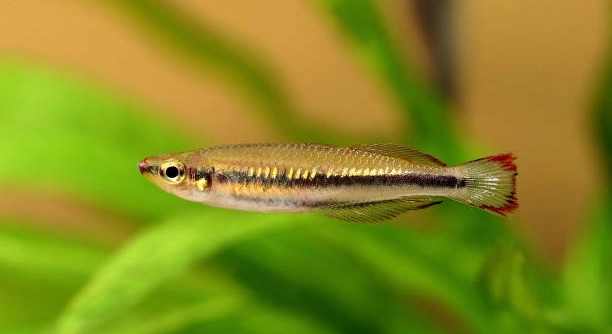
Are your fish showing signs of stress or lethargy despite regular feeding and tank cleaning? Ensuring their environment supports natural behaviors can greatly improve their overall comfort and well-being in your home aquarium.
Simple upgrades such as adding hiding spots, optimizing water temperature, improving filtration, providing gentle lighting, introducing live plants, maintaining a proper feeding schedule, and regularly monitoring water quality can collectively enhance the comfort and health of aquarium fish.
These small changes can transform your tank into a more supportive and enjoyable environment for your fish.
Add Hiding Spots
Fish often feel exposed without places to retreat. Providing caves, tunnels, or decorative ornaments allows them to escape when stressed. Even simple structures like PVC pipes or commercially available aquarium hides can make a significant difference. Species that are naturally shy benefit greatly from these additions. Adding plants, both live and artificial, also offers cover and reduces stress levels. Position hiding spots thoughtfully so fish can move freely without obstruction. Observe your fish’s behavior to see which areas they prefer. Avoid overcrowding the tank, as too many structures can limit swimming space and create tension among inhabitants. Over time, fish may develop favorite spots, so rotate or adjust decorations as needed to keep the environment engaging. Hiding spots also provide resting areas, reducing fatigue and promoting natural behaviors. Overall, these adjustments make your fish feel safer and more comfortable within their tank, contributing to long-term health.
Hiding spots reduce stress and help fish exhibit natural behaviors, improving overall comfort in the aquarium environment.
Consistently monitor how your fish use these spaces. Shy species may remain hidden longer, while confident fish explore more freely. Adjust placement based on their preferences to maximize comfort. Proper positioning ensures easy access to food and open swimming areas. Combining caves with plants creates varied environments that meet different species’ needs. Over time, these simple additions can significantly lower stress levels, encourage activity, and promote better feeding habits. By paying attention to how fish interact with their hiding spots, you create a balanced tank where all inhabitants feel secure.
Optimize Water Temperature
Maintaining a stable temperature is crucial for fish health. Sudden changes can stress or even harm them, so using a reliable heater with a thermometer is essential.
A consistent temperature supports proper metabolism, immune function, and activity levels in fish, keeping them healthy and comfortable.
Different species require different temperature ranges. Research each type in your tank and adjust the heater accordingly. Avoid placing the aquarium near windows or vents, as external factors can cause fluctuations. Gradually change the temperature when introducing new fish to reduce shock. Monitoring daily ensures the environment remains suitable and prevents illness. Temperature control also affects oxygen levels, as warmer water holds less oxygen, so proper aeration may be necessary. Combining stable temperatures with clean, well-filtered water creates an ideal habitat. Small adjustments can make a big difference in fish comfort, promoting natural behavior and reducing stress. Maintaining the right temperature is a simple but effective upgrade for any tank.
Improve Filtration
Good filtration keeps water clear and removes harmful substances. A properly sized filter ensures fish have a healthier, more comfortable environment to thrive.
Filters help maintain water quality by removing debris, excess food, and waste. They also promote beneficial bacteria growth, which breaks down toxins like ammonia and nitrites. Choosing the right filter type depends on tank size and fish species. Mechanical, chemical, and biological filtration work together to create a balanced ecosystem. Regular maintenance, such as cleaning filter media and replacing cartridges, ensures optimal performance. Avoid over-cleaning, as it can remove beneficial bacteria. Monitoring flow rates is important; some fish prefer gentle currents, while others thrive with stronger water movement. Filtration improves oxygen levels, clarity, and overall tank hygiene, directly impacting fish comfort.
A clean, well-filtered tank prevents stress and reduces disease risk. Fish are more active and exhibit natural behavior when water conditions remain stable and healthy.
Introduce Live Plants
Live plants enhance the aquarium by providing oxygen, shade, and hiding places. They create a more natural and comfortable setting for fish.
Plants absorb nitrates, reduce algae growth, and improve water quality, contributing to a balanced environment. They also create vertical spaces for swimming and resting. Different species of plants suit varying light and water conditions, so choose based on your tank setup. Floating plants can soften light, while rooted plants give structure for exploration. Maintaining live plants includes trimming dead leaves, checking nutrient levels, and occasionally adding fertilizers. Healthy plants provide shelter for shy fish and can reduce aggressive behavior among territorial species. A planted tank supports both fish and microorganisms, creating a stable, natural ecosystem that mimics their natural habitats.
Adding live plants encourages natural behaviors, reduces stress, and improves water quality. Fish benefit from shaded areas, oxygenated water, and structured spaces for exploring, feeding, and resting.
Provide Gentle Lighting
Soft, consistent lighting reduces stress and helps fish maintain natural day-night cycles. Avoid bright or flashing lights that can startle them.
LED lights with adjustable intensity work well. Position lights to mimic natural conditions and allow shaded areas for resting.
Maintain Proper Feeding Schedule
Feeding fish at regular times supports digestion and reduces leftover food in the tank. Overfeeding can lead to poor water quality and stress.
A consistent schedule helps fish develop healthy routines. Offer appropriate portions based on species and size. Remove uneaten food promptly to prevent water contamination. Rotate food types to provide balanced nutrition and keep meals interesting. Monitor behavior and appetite to adjust feeding as needed. Consistent feeding reduces competition among fish and supports steady growth. Proper diet and timing contribute directly to fish comfort and overall well-being in the aquarium.
Monitor Water Quality
Regular water testing ensures safe levels of ammonia, nitrites, nitrates, and pH. Maintaining stable conditions is essential for fish health.
Rotate Tank Decor
Changing decorations occasionally keeps the environment engaging for fish. Rearranging hides and plants encourages exploration and activity.
FAQ
How often should I change my aquarium water?
Regular water changes are essential for a healthy tank. A common practice is to replace 10–20% of the water weekly. This helps remove toxins, reduce nitrate buildup, and maintain overall water quality. Consistent partial changes are better than infrequent large changes, as sudden shifts can stress fish. Always use dechlorinated water at the same temperature to prevent shocking the fish. Monitor water parameters and adjust frequency if necessary. For heavily stocked tanks, slightly more frequent changes may be required.
What is the best way to feed my fish?
Feed fish small portions once or twice daily based on species and size. Overfeeding can pollute the water and lead to health problems. Observe how much your fish consume within a few minutes and remove any uneaten food. Variety is important—mix flakes, pellets, frozen, or live foods as appropriate. Rotating foods ensures balanced nutrition and keeps fish interested in meals. Stick to a consistent schedule to support digestion and overall well-being. Avoid sudden diet changes, which can cause stress or digestive issues.
How do I know if my fish are stressed?
Signs of stress include hiding excessively, reduced appetite, erratic swimming, or color fading. Some fish may rub against objects or gasp at the surface. Stress can result from poor water quality, sudden temperature changes, overcrowding, or aggressive tankmates. Observing behavior regularly helps detect issues early. Addressing the root cause quickly can prevent illness or death. Providing hiding spots, stable water parameters, and a proper feeding schedule are effective ways to reduce stress and improve comfort.
Can I keep different species together?
Compatibility depends on temperament, size, and environmental needs. Some species are peaceful, while others are territorial or aggressive. Research each species’ requirements for temperature, pH, and diet. Mixing incompatible fish can cause constant stress, injuries, or even death. Introduce new fish gradually and monitor interactions. Provide adequate hiding spots to reduce territorial conflicts. Keeping similar species or compatible temperaments together helps maintain a calm and comfortable environment for all inhabitants.
How important is tank size?
Tank size directly affects fish health and comfort. Small tanks can quickly accumulate toxins and overcrowding can cause stress. Larger tanks provide more swimming space, better oxygen distribution, and allow for stable water conditions. Research each species’ adult size and behavior before choosing a tank. Adequate space reduces aggression, improves exercise, and encourages natural behaviors. Overcrowding is a leading cause of poor water quality and disease, so always prioritize the right tank size for your fish.
Do live plants really benefit fish?
Yes, live plants improve water quality, provide oxygen, and offer hiding spots. They reduce stress and encourage natural behavior. Plants also absorb nitrates, helping prevent algae growth and maintaining balanced water conditions. They create a visually appealing, comfortable environment. Choosing plants suited to light and water conditions ensures healthy growth. Trimming dead leaves and adding nutrients when necessary keeps plants thriving, supporting both fish and the tank ecosystem.
How do I prevent algae buildup?
Algae growth can be controlled by limiting excess light, feeding properly, and maintaining water quality. Live plants compete with algae for nutrients, which helps reduce growth. Regular cleaning of decorations and glass removes buildup. Avoid placing the tank in direct sunlight. Introducing algae-eating species like snails or certain fish can also help manage growth naturally. Balance in the tank’s ecosystem is the most effective long-term solution to keep algae under control.
What equipment is essential for fish comfort?
Basic equipment includes a proper filter, heater (if needed), lighting, thermometer, and water testing kit. Hiding spots and decorations improve comfort. Consistent monitoring and maintenance of equipment ensures a stable environment, reducing stress and supporting overall fish health. Choosing equipment suited to your tank size and fish species is critical. Regular checks prevent malfunctions that could harm fish or disrupt tank balance.
How often should I clean the filter?
Filters should be cleaned regularly but not too thoroughly to avoid removing beneficial bacteria. Rinse media in tank water rather than tap water to preserve bacteria. Replace cartridges as recommended by the manufacturer. Monitor flow rates and water clarity to determine if cleaning is needed more frequently. Proper filter maintenance ensures optimal performance, clear water, and a healthy environment for fish.
Can I use tap water directly in my tank?
Tap water must be treated before adding to a tank. Chlorine and chloramine in tap water are harmful to fish. Use a dechlorinator to neutralize chemicals. Always check water temperature and adjust to match the tank to prevent shocking fish. Testing water parameters before and after adding it ensures a safe and stable environment. Treated tap water is a convenient, safe option for regular water changes.
How do I introduce new fish safely?
Quarantine new fish for at least two weeks to observe for illness. Gradually acclimate them to the tank’s water conditions using drip or floating methods. This reduces stress and prevents introducing disease to established fish. Observe behavior during introduction and provide hiding spots to minimize territorial conflicts. Slow, careful integration improves overall tank harmony.
What should I do if a fish looks sick?
Isolate the fish in a separate tank to prevent spreading disease. Check water quality and adjust parameters as needed. Observe symptoms carefully and consult reliable sources or a vet for treatment options. Quick action improves chances of recovery. Maintaining a clean, stress-free environment helps prevent future illness.
How can I make my fish more active?
Provide sufficient space, hiding spots, and varied structures. Adjust lighting and feeding schedules to mimic natural conditions. Rotating decorations and offering live plants encourages exploration and activity. A stable environment and proper diet also support energy and natural behaviors. Regular monitoring ensures fish remain healthy and engaged in the tank.
What is the ideal pH for freshwater fish?
The ideal pH depends on species, generally ranging between 6.5 and 7.5 for most freshwater fish. Maintaining a stable pH prevents stress and health problems. Use a reliable test kit and adjust gradually if needed with appropriate buffers or water changes. Consistency is more important than achieving a perfect number.
How do I reduce aggression among fish?
Provide plenty of hiding spots, visual barriers, and open swimming areas. Avoid overcrowding and mix compatible species only. Regular monitoring and removing overly aggressive individuals if necessary helps maintain peace. Balanced feeding and structured environments reduce territorial disputes and stress.
Are artificial decorations okay to use?
Yes, artificial decorations are safe if they are non-toxic and aquarium-safe. They require less maintenance than live plants and can provide hiding spots and structure. Clean regularly to prevent algae buildup. A combination of artificial and live elements can create a balanced, visually appealing tank while meeting fish comfort needs.
How do I handle sudden water temperature drops?
Use a reliable heater and monitor the tank closely. Gradually adjust temperature to avoid shocking fish. Provide shaded areas and reduce direct airflow over the tank. Quick corrective action minimizes stress and health risks. Regular checks prevent sudden drops in the future.
Can I keep fish with different temperature needs together?
It’s challenging; mix only species with overlapping temperature ranges. Otherwise, one or both species may experience stress or health issues. Research each species thoroughly and prioritize comfort over aesthetic variety. Adjust the environment to suit the majority and provide refuges for sensitive fish if necessary.
How do I prevent diseases in my aquarium?
Maintain clean water, stable conditions, proper feeding, and quarantine new fish. Avoid overstocking and monitor for early signs of illness. Healthy fish in a balanced environment are less susceptible to disease. Quick intervention and consistent maintenance reduce risks effectively.
What are the signs of overfeeding?
Uneaten food accumulating in the tank, cloudy water, and bloated or lethargic fish indicate overfeeding. Adjust portion sizes and feeding frequency to maintain water quality and fish health. Consistent observation ensures balanced nutrition without overfeeding.
How important is regular observation of fish?
Daily observation helps detect stress, illness, or behavioral changes early. This allows prompt action to prevent serious problems. Watching fish also provides insight into preferences for hiding spots, feeding habits, and social interactions, helping optimize comfort and care.
What is the best way to acclimate fish to a new tank?
Float the bag in the tank for 15–20 minutes to equalize temperature. Gradually mix tank water into the bag over an hour to adjust pH and other parameters. Slowly release the fish to reduce stress and ensure a smooth transition. Proper acclimation improves survival and comfort.
How do I manage nitrate levels?
Regular water changes, proper filtration, and live plants help control nitrate levels. Avoid overfeeding and overstocking, which contribute to accumulation. High nitrate levels can stress fish and encourage algae growth. Consistent monitoring and maintenance prevent dangerous spikes and maintain a healthy environment.
Can I use decorations from another tank?
Yes, but clean and disinfect thoroughly to avoid introducing disease or harmful bacteria. Rinse in hot water or soak in a mild bleach solution, then rinse well before adding to your tank. This ensures safety for existing fish.
How do I know if my fish are happy?
Active swimming, healthy coloration, normal feeding, and regular interaction with the environment are signs of comfort. Shy but exploring fish also indicate they feel secure. Observing behavior regularly helps ensure ongoing happiness and well-being in the tank.
What should I do if algae overtakes the tank?
Remove algae manually, adjust lighting, reduce nutrients, and consider adding algae-eating species. Balance light, feeding, and plant growth to prevent recurrence. Maintaining water quality and cleaning surfaces regularly controls algae growth effectively.
How do I handle aggressive behavior during feeding?
Feed small portions in multiple locations to reduce competition. Provide hiding spots and separate aggressive individuals if necessary. Consistent feeding schedules and observing interactions minimize stress and conflict during meals.
Is it okay to rearrange the tank frequently?
Occasional changes can stimulate activity, but frequent rearrangements may stress fish. Make adjustments gradually and observe reactions. Balance new structures with familiar areas to maintain comfort and stability.
How often should I test water parameters?
Test ammonia, nitrite, nitrate, and pH weekly. More frequent testing may be needed in heavily stocked or newly set-up tanks. Regular monitoring ensures a stable, safe environment and prevents issues before they affect fish health.
Can I keep fish in a room with fluctuating temperatures?
Avoid it if possible. Sudden temperature changes stress fish. Use heaters or insulation to stabilize conditions. Consistent monitoring and adjustments protect fish comfort and health.
How do I prevent fin damage?
Avoid sharp decorations and rough handling. Keep compatible species together to reduce aggression. Regular water changes and maintaining proper parameters prevent disease that can damage fins. Observing interactions ensures injuries are minimized.
What is the easiest way to introduce enrichment for fish?
Rotate decorations, add live plants, and provide hiding spots. Small changes in layout encourage exploration and natural behavior. Enrichment supports mental stimulation and comfort without adding stress.
How can I make a small tank comfortable?
Use appropriate stocking levels, hiding spots, live or artificial plants, and stable equipment. Small tanks require careful monitoring of water quality, feeding, and decorations to maintain a stress-free environment. Regular observation ensures all inhabitants thrive.
How do I keep fish comfortable during power outages?
Limit feeding, avoid disturbing the tank, and consider battery-powered aerators. Maintaining calm conditions and oxygen levels reduces stress. Short-term outages can be managed with minimal intervention.
Are floating plants helpful?
Yes, they provide shade, reduce light intensity, and offer shelter. Floating plants also absorb nutrients, helping reduce algae growth. They create more natural and comfortable conditions for fish.
What is the ideal water hardness for freshwater fish?
Hardness depends on species; many freshwater fish prefer soft to moderately hard water. Maintain stability rather than chasing exact numbers. Sudden shifts in hardness can stress fish and impact overall comfort.
How do I deal with territorial fish?
Provide clear boundaries with hiding spots and visual barriers. Avoid overcrowding and introduce compatible tankmates. Monitor interactions to prevent injuries and stress. Territorial fish need structured environments to reduce conflict and maintain comfort.
Can I use aquarium salt?
Yes, in appropriate doses for certain species. Salt can reduce stress, aid healing, and support gill function. Avoid overuse and research species sensitivity before applying. Follow guidelines carefully.
How do I reduce stress during tank maintenance?
Move decorations gently, avoid sudden temperature changes, and keep water clean but stable. Minimize disturbance to fish and complete tasks efficiently. Using a calm approach preserves fish comfort and reduces anxiety.
What signs indicate overstocking?
Crowding, aggression, slow growth, and poor water quality signal overstocking. Reduce fish numbers or increase tank size to restore comfort and stability. Regular observation helps maintain a healthy balance.
Is aeration necessary for all tanks?
Not always, but additional aeration improves oxygen levels, especially in heavily stocked or warm tanks. Air stones or pumps can enhance circulation and fish comfort. Monitor behavior for signs of low oxygen.
How do I choose compatible fish?
Research temperament, size, and environmental needs. Avoid mixing aggressive or territorial species with peaceful ones. Group fish with similar requirements to ensure comfort, reduce stress, and promote healthy interactions.
Can I keep fish in a low-light tank?
Yes, but select species that tolerate low light. Provide alternative hiding spots and ensure plants and decorations support activity. Stability in lighting is more important than intensity for fish comfort.
What is the best way to acclimate delicate fish?
Float the bag, gradually mix water, and release slowly. Monitor for stress and provide hiding spots. A gentle approach reduces shock and increases survival chances.
How do I keep fish comfortable during seasonal changes?
Monitor temperature, light, and water quality. Adjust equipment and feeding routines as needed. Seasonal consistency helps prevent stress and maintains a stable environment.
Can fish get bored?
Yes, lack of stimulation or hiding spots can reduce activity. Rotating decorations, providing plants, and adjusting layout encourages natural behaviors and keeps fish engaged.
How do I manage water evaporation?
Top off with dechlorinated water regularly. Monitor levels to maintain stability in water parameters. Avoid sudden refills that can stress fish. Regular observation prevents issues.
Are air stones beneficial?
Air stones improve oxygenation and circulation, especially in tanks with low flow. They can reduce stagnant areas and support a healthier, more comfortable environment for fish.
How do I prevent fungal infections?
Maintain clean water, avoid injuries, and quarantine new fish. Proper diet and stable conditions reduce susceptibility. Treat promptly if infections appear. Observation and preventive care ensure fish remain healthy.
How do I encourage shy fish to explore?
Provide gradual exposure to open areas, gentle lighting, and multiple hiding spots. Rotate decorations and offer enrichment to increase confidence and activity. Patience and stability help them feel secure.
What are the signs of poor water quality?
Cloudy water, foul odor, algae overgrowth, and unusual fish behavior indicate issues. Testing parameters and maintaining filtration ensures a safe, comfortable environment.
How often should I clean decorations?
Clean as needed to remove algae and debris. Avoid harsh chemicals. Rinsing in tank water preserves beneficial bacteria. Regular cleaning supports hygiene without stressing fish.
Can I use tap water conditioner every time?
Yes, using a conditioner during water changes ensures chlorine and chloramine are neutralized. This protects fish and supports a stable, safe environment consistently.
What is the ideal temperature fluctuation range?
Keep variations minimal—generally within 1–2°C daily. Sudden shifts stress fish, while stable temperatures support metabolism, immune function, and natural behaviors.
How do I handle aggressive feeders?
Feed in multiple locations, provide hiding spots, and separate overly aggressive individuals if needed. Consistent routines reduce competition and stress during meals.
Are glass or acrylic tanks better for comfort?
Both can work; glass is durable and scratch-resistant, acrylic is lighter and retains heat. Ensure smooth surfaces to avoid injuries. Size and stability are more important than material.
How do I prevent stress during cleaning?
Move decorations carefully, maintain water temperature, and complete tasks efficiently. Avoid sudden disruptions to minimize anxiety. Consistency and gentleness preserve fish comfort.
Can I keep fish in a high-traffic area?
Avoid areas with constant vibrations or noise. Fish feel more secure in quiet spaces. Stable surroundings reduce stress and promote natural behavior.
How do I manage ammonia spikes?
Regular water changes, proper filtration, and careful feeding control ammonia. High ammonia is toxic, so test frequently and take corrective action immediately.
What is the safest way to add new water?
Treat for chlorine, match temperature, and add gradually. Avoid sudden changes in pH or hardness. Slow integration ensures safety and comfort.
How do I maintain tank temperature in winter?
Use a reliable heater, insulate the tank if needed, and monitor daily. Avoid drafts or cold air exposure to keep fish comfortable.
Can I keep fish in a low-oxygen environment?
No, oxygen is essential. Aeration, proper filtration, and avoiding overstocking ensure sufficient oxygen for healthy, comfortable fish.
How often should I trim live plants?
Trim dead or overgrown leaves regularly. Healthy growth prevents decay, reduces waste, and maintains comfort and aesthetics.
How do I reduce bullying in the tank?
Provide hiding spots, visual barriers, and space. Separate aggressive fish if needed. Balanced tank structure and compatible species reduce stress.
Are floating decorations useful?
Yes, they offer shade, reduce light intensity, and create cover for shy fish. Proper placement enhances comfort and natural behavior.
What’s the best way to acclimate fish after shipping?
Float the bag, gradually mix tank water, and release slowly. Provide calm surroundings and monitor for stress or illness. Proper acclimation increases survival and comfort.
How do I manage crowded tanks?
Reduce fish numbers, increase space, and maintain water quality. Overcrowding leads to stress, poor growth, and disease. Adequate room improves comfort.
Can fish live with inconsistent lighting?
Inconsistent lighting can stress fish. Provide stable, predictable light cycles to support natural behaviors and reduce anxiety.
How do I prevent fish from jumping?
Use a secure lid or cover. Some species are prone to jumping when stressed or startled. Preventing escape ensures safety and comfort.
How do I introduce enrichment safely?
Add new decorations gradually, rotate plants, and provide varied structures. Observe reactions to prevent stress and encourage activity.
Are substrate changes stressful?
Yes, sudden changes can disturb fish. Introduce new substrate slowly, and rinse thoroughly to avoid dust or chemicals. Gradual adjustments maintain comfort.
How do I know if a fish is getting enough oxygen?
Look for gasping at the surface or lethargy. Increase aeration, improve water circulation, and check temperature to ensure sufficient oxygen.
Can I mix coldwater and tropical fish?
It’s not recommended. Different temperature requirements create stress and health issues. Keep species with similar needs together for comfort.
How do I handle cloudy water?
Final Thoughts
Creating a comfortable environment for fish does not require complicated equipment or expensive additions. Simple upgrades such as providing hiding spots, adjusting lighting, maintaining water temperature, and adding live plants can make a significant difference in their well-being. Each small adjustment contributes to reducing stress, encouraging natural behavior, and promoting overall health. Observing how fish respond to these changes allows you to fine-tune their environment according to their preferences. Fish are sensitive to their surroundings, and even minor improvements in water quality, filtration, or tank layout can create a more supportive habitat. Maintaining consistent routines, such as feeding schedules and water changes, helps fish feel secure and reduces the likelihood of health issues. Over time, these small steps build a more stable and comfortable tank environment that benefits every inhabitant, ensuring they thrive rather than simply survive.
Fish comfort relies heavily on stable and clean water conditions. Regular monitoring of parameters such as pH, ammonia, nitrites, and nitrates is essential. Fluctuations or poor water quality can lead to stress, illness, and abnormal behavior. Using a properly sized filter, performing consistent water changes, and checking equipment like heaters and thermometers are important parts of daily and weekly care. Beyond physical conditions, the structure of the tank plays a role in comfort. Hiding spots, plants, and varied decorations provide areas for exploration, resting, and shelter. Even small changes in tank arrangement or the addition of new plants can stimulate activity and reduce boredom. Maintaining balance between open swimming areas and sheltered spaces ensures fish can move freely while feeling secure. These considerations, combined with proper feeding and attention to behavior, support a healthy and engaging environment that meets the needs of your fish.
Consistency and observation are key to long-term success in maintaining fish comfort. Paying attention to daily behaviors, appetite, and interactions allows you to notice signs of stress or discomfort early. Adjusting tank conditions gradually, whether it is rearranging decorations, adding plants, or fine-tuning temperature, helps prevent shock and maintains a stable environment. Overfeeding or underfeeding, sudden changes in water parameters, or overcrowding can all negatively affect fish comfort, so careful monitoring is essential. Each fish species has unique requirements, and understanding their natural behaviors and preferences allows you to cater to their needs more effectively. With patience, observation, and attention to detail, you can create a tank that supports healthy, active, and stress-free fish. The goal is to provide a consistent, safe, and engaging habitat where fish can express natural behaviors, remain healthy, and enjoy a comfortable life. This approach not only benefits the fish but also enhances the enjoyment of caring for them, as a thriving, active tank reflects the care and attention invested in their environment.

Hello,
If you enjoy the content that we create, please consider saying a "Thank You!" by leaving a tip.
Every little bit helps us continue crafting quality advice that supports the health, happiness, and well-being of pets around the world, for pets of all shapes, sizes, and species.
We really appreciate the kindness and support that you show us!