7 Ways to Improve Killi Fish Coloration
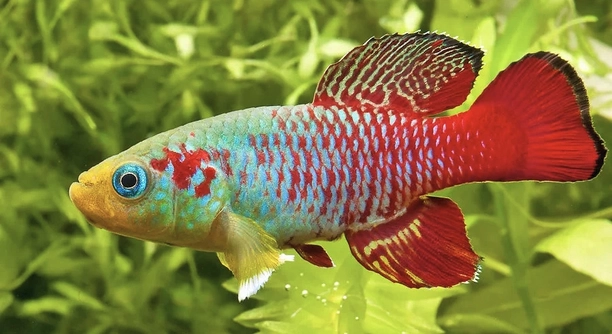
Killi fish are popular among aquarium enthusiasts for their vibrant colors and delicate appearance. Maintaining their bright hues can be challenging, especially without proper care. This article provides practical tips to help enhance and preserve their coloration effectively. Improving killi fish coloration involves optimizing water quality, providing a balanced diet rich in natural pigments, ensuring … Read more
How to Tell if Killi Fish Are Stunted

Are your killi fish growing slower than expected or looking smaller than others their age, even though they seem otherwise healthy and active? The most common reason killi fish become stunted is poor water quality, inadequate diet, or overcrowding. These factors interfere with their growth, causing permanent size limitations even if conditions later improve. Early … Read more

What Color Gravel Do Killis Prefer?

Many aquarium enthusiasts enjoy keeping killifish because of their bright colors and unique behavior. Choosing the right environment is important for their health and happiness. One key aspect is the type and color of gravel used in their tanks. Killifish generally prefer darker-colored gravel, such as black or dark brown. Dark gravel helps reduce stress … Read more

How Often Should You Feed Adult Killis?

Do your killifish seem active and healthy, yet you’re unsure if you’re feeding them the right amount each day? Adult killifish should be fed once or twice daily in small portions they can consume within two minutes. Overfeeding can lead to poor water quality, while underfeeding may affect their energy levels, coloration, and overall health. … Read more

How Do You Catch Killi Fish Without Stress?

Many people enjoy keeping killi fish because of their bright colors and lively behavior. Handling them carefully is important to keep them healthy. Stress-free catching helps preserve their well-being and makes the process easier for both fish and owner. The best way to catch killi fish without stress involves using a gentle net and slow … Read more

Do Killi Fish Prefer Driftwood or Plants?

Killi fish are popular aquarium pets known for their vibrant colors and active behavior. Many hobbyists want to create the best environment for them. Choosing between driftwood and plants is a common consideration for their tanks. Killi fish generally prefer environments that offer both driftwood and plants, as these provide shelter and mimic their natural … Read more

7 Feeding Schedules That Work for Killis

Killifish, or killis, are small, colorful fish that many hobbyists enjoy keeping. Feeding them properly is important to keep them healthy and vibrant. Knowing the right feeding schedule helps maintain their energy and well-being. Effective feeding schedules for killis vary, but consistency and balance are key. Feeding small amounts once or twice daily, with occasional … Read more

7 Quick Fixes for Killi Tank Algae Issues

Is your killi tank starting to look a bit green and cloudy no matter how often you clean it? Algae problems are common in small aquariums, especially when lighting or water conditions are slightly off balance. The most effective way to manage algae in a killi tank is by adjusting light exposure, improving water flow, … Read more

7 Easy Upgrades for a Killi Breeding Tank

Killi fish breeding requires a carefully maintained tank to ensure healthy eggs and fry. Small improvements can make a big difference in the success of your breeding efforts. Keeping the environment stable is key to raising strong young killifish. Simple upgrades like adding gentle filtration, optimizing lighting, using spawning mops, and maintaining water quality significantly … Read more

7 Reasons Killi Fish Might Act Lethargic

Killi fish are popular for their vibrant colors and peaceful nature. Sometimes, they may appear less active, which can worry owners. Understanding why lethargy occurs helps maintain a healthy environment for these delicate fish. Killi fish often act lethargic due to factors such as poor water quality, incorrect temperature, inadequate diet, stress, illness, lack of … Read more