
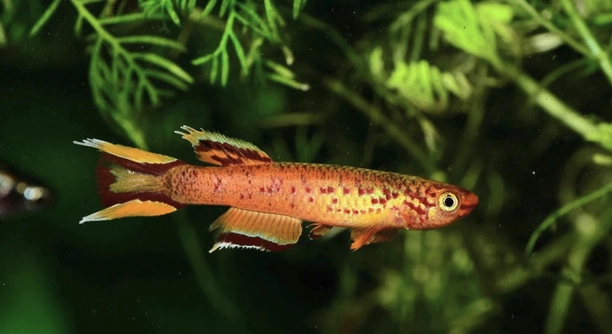
Killi fish breeding requires a carefully maintained tank to ensure healthy eggs and fry. Small improvements can make a big difference in the success of your breeding efforts. Keeping the environment stable is key to raising strong young killifish.
Simple upgrades like adding gentle filtration, optimizing lighting, using spawning mops, and maintaining water quality significantly improve breeding conditions. These changes support egg survival, encourage spawning behavior, and create a safer habitat for fry growth.
These practical tips will help create a better breeding setup for your killifish and improve your chances of raising healthy fry successfully.
Gentle Filtration for Clear Water
A gentle filter is important in a killifish breeding tank because strong currents can harm eggs and fry. Sponge filters are a popular choice since they provide good biological filtration without creating strong water movement. They help keep the water clean by removing waste and debris while preserving delicate conditions for the fish. Using an air pump with the sponge filter adds oxygen to the water, which helps the fish and keeps beneficial bacteria alive. Keeping the filter clean and functioning well is necessary to avoid sudden water quality changes, which could stress or harm the fish. When setting up the filter, place it in a way that creates a soft, even flow across the tank.
Keeping water clear and clean reduces the risk of fungus or bacteria infecting the eggs. A stable, healthy environment improves breeding success and fry survival rates.
Maintaining gentle filtration means your breeding tank stays safe and healthy. This upgrade is a simple but effective way to support your killifish breeding efforts.
Lighting Setup for Natural Behavior
Proper lighting encourages natural spawning behavior. Killifish need a regular day-night cycle to trigger breeding. Use a timer to keep lighting consistent, ideally around 10 to 12 hours of light per day. Avoid bright, harsh lights that stress the fish.
Natural light cycles help killifish feel comfortable and more willing to breed. Dim, soft lighting mimics their natural habitat and reduces stress.
Consistent lighting not only supports breeding but also promotes healthy fry development. It’s a small change that makes a big impact on your tank’s success.
Spawning Mops for Egg Collection
Spawning mops offer a safe place for killifish to lay eggs. These mops mimic natural plants and provide hiding spots, protecting eggs from being eaten by adults.
Spawning mops are easy to make or buy and are highly effective in breeding tanks. They are usually made from yarn or fine synthetic fibers, bundled together to create a dense, soft area where females can deposit eggs. Placing several mops in different areas increases the chances of egg survival. After spawning, you can remove the mops to a separate tank or container to protect the eggs from predators or fungus. Regularly cleaning and replacing mops keeps the environment healthy.
Using spawning mops reduces egg loss and encourages more frequent spawning. They simplify the process of collecting and caring for eggs, which improves overall breeding success and fry survival rates.
Maintaining Stable Water Conditions
Stable water conditions are essential for killifish breeding and fry growth. Sudden changes in temperature or water chemistry can stress fish and reduce breeding success.
Keeping temperature steady within the ideal range, typically between 72 and 78°F (22–26°C), helps maintain fish health and encourages spawning. Using a reliable heater and thermometer prevents fluctuations. Regular water changes with dechlorinated water help maintain clean, balanced water. Testing for ammonia, nitrites, and pH ensures the tank environment stays safe. Avoid adding new fish or plants without quarantine to prevent introducing diseases.
A consistent and stable environment supports the delicate life stages of killifish eggs and fry. Monitoring and maintaining water parameters regularly is a simple but crucial upgrade to boost breeding results.
Adding Live Plants
Live plants improve water quality by absorbing nitrates and providing oxygen. They also create hiding spots, which reduce stress for breeding killifish.
Plants like java moss or hornwort work well because they offer surfaces for eggs to attach and shelter for fry to hide from adults.
Using a Soft Substrate
A soft substrate like sand or fine gravel prevents injury to delicate fry and eggs. It also supports natural behavior like digging.
Hard or sharp substrates can damage eggs or young fish, so choosing the right base material helps create a safer environment.
Regular Tank Maintenance
Cleaning the tank regularly prevents harmful buildup of waste and harmful bacteria. This keeps the water clear and safe.
Perform partial water changes weekly to maintain healthy water conditions without stressing the fish or disturbing the breeding process.
FAQ
How often should I change the water in a killifish breeding tank?
Water changes should be done regularly, about 20-30% once a week. This helps remove waste and toxins without stressing the fish. Using dechlorinated water at the same temperature as the tank prevents shocks. Avoid large or sudden changes, as killifish are sensitive to water fluctuations.
What type of food is best for breeding killifish?
High-quality live or frozen foods like brine shrimp, daphnia, and bloodworms are ideal. These foods improve the health and breeding readiness of killifish by providing essential nutrients. Supplementing with high-protein flakes or pellets can be done but live foods encourage better spawning behavior.
Can I breed killifish in a community tank?
Breeding killifish in a community tank is not recommended. Other fish may eat the eggs or fry. Killifish breeding requires controlled conditions with fewer disturbances to improve egg survival and fry growth. A separate breeding tank or section is best.
How do I tell if killifish are ready to spawn?
Mature killifish show bright colors and increased activity. Males often display more vivid patterns during breeding season. Spawning behavior includes chasing and courtship displays. When males and females pair up and prepare spawning sites, it’s a good sign they are ready.
What temperature is best for killifish breeding?
Most killifish breed well between 72 and 78°F (22–26°C). Maintaining a stable temperature within this range encourages spawning and supports healthy egg development. Sudden temperature changes should be avoided, as they can cause stress or reduce breeding success.
How long does it take for killifish eggs to hatch?
Eggs usually hatch in 10 to 14 days, depending on the species and temperature. Warmer water speeds up development, but too warm can be harmful. Keeping the water clean and stable ensures the eggs stay healthy until they hatch.
What should I do if the eggs get fungus?
If fungus appears on eggs, gently remove infected ones to prevent spread. Using antifungal treatments designed for fish tanks can help, but be cautious with chemicals around fry. Keeping water clean and well-filtered reduces fungal growth naturally.
Can killifish eggs survive without a separate tank?
It’s possible but risky. Adults may eat eggs in the same tank. Using spawning mops helps protect eggs, but moving them to a separate container increases survival rates. Isolating eggs allows better control over conditions and reduces threats.
How often do killifish spawn?
Depending on species and conditions, killifish can spawn every few days to weekly. Proper water quality, nutrition, and tank setup encourage regular spawning. Some species have seasonal breeding patterns, but most breed multiple times with good care.
What is the best way to care for fry after hatching?
Feed fry small live foods like infusoria or newly hatched brine shrimp. Keep the water clean and maintain gentle filtration. Avoid overcrowding by moving fry to larger tanks as they grow. Regular feeding and stable conditions support healthy growth.
Are there special considerations for annual killifish breeding?
Annual killifish lay eggs that survive dry periods. These eggs often need to be removed and kept moist outside the water until they hatch. Research specific species needs carefully to mimic natural cycles for successful breeding and hatching.
How can I reduce stress in breeding killifish?
Avoid sudden changes in water or temperature. Provide hiding spots like plants or spawning mops. Keep tank lighting consistent and moderate. Handle fish minimally and maintain a calm environment to encourage natural behavior and successful spawning.
Final thoughts are important when setting up and maintaining a killifish breeding tank. Small changes and upgrades can make a big difference in the health and success of your killifish breeding efforts. Paying attention to details like water quality, filtration, lighting, and suitable places for spawning will create a better environment for the fish. This will help reduce stress and improve the chances of eggs surviving and fry growing strong. Simple upgrades do not have to be expensive or complicated, but they do require regular care and observation to keep everything working well.
Keeping the tank stable is one of the most important things to remember. Killifish are sensitive to sudden changes in temperature or water chemistry. Consistent temperature, clean water, and gentle filtration will help the fish stay healthy and breed more successfully. Adding live plants or spawning mops also supports their natural behavior and provides safe places for eggs and fry. These small additions create a more natural feel in the tank, which is better for the fish overall. Spending time on maintenance and monitoring water parameters can prevent many problems before they start.
Lastly, breeding killifish takes patience and attention. Even with the best setup, not every batch of eggs will hatch or fry will survive. Learning from each attempt and making adjustments will improve your results over time. Using these easy upgrades and keeping conditions steady will give you the best chance of success. Your efforts will be rewarded with healthy, thriving killifish and the joy of watching them grow. Keeping things simple and consistent is the key to a good killifish breeding experience.

Hello,
If you enjoy the content that we create, please consider saying a "Thank You!" by leaving a tip.
Every little bit helps us continue crafting quality advice that supports the health, happiness, and well-being of pets around the world, for pets of all shapes, sizes, and species.
We really appreciate the kindness and support that you show us!