
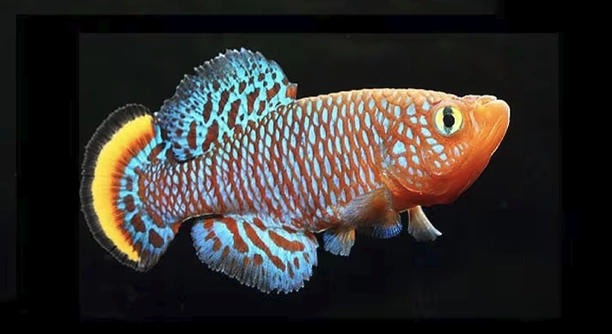
Is your killi tank starting to look a bit green and cloudy no matter how often you clean it? Algae problems are common in small aquariums, especially when lighting or water conditions are slightly off balance.
The most effective way to manage algae in a killi tank is by adjusting light exposure, improving water flow, and introducing algae-eating species. These actions help maintain water quality and prevent excessive algae growth.
With the right steps, you can enjoy a cleaner tank and a healthier space for your killifish to thrive.
Reduce Excess Light Exposure
Algae loves light, and too much of it can quickly trigger growth in your killi tank. If your tank is getting direct sunlight during the day or your aquarium light stays on for over 8 hours, it may be encouraging algae. Try moving the tank away from windows or using blinds to block sunlight. Set your aquarium light on a timer to keep it consistent—ideally 6 to 8 hours a day. LED lights are a better option since they’re more energy-efficient and produce less heat. If you notice algae increasing, consider lowering the light duration gradually and monitor the changes.
Even a little light at night from nearby lamps or TV screens can make a difference.
Cutting back on unnecessary lighting will give your tank a more stable environment. It also helps your killifish stay calm and follow a natural day-night rhythm. Less light means less algae and a cleaner view.
Improve Water Flow
Poor water flow can allow debris and nutrients to settle, making it easier for algae to grow.
Adding a gentle filter or air stone can help circulate the water and keep oxygen levels high. Killifish don’t like strong currents, so make sure the water movement is soft and steady. A sponge filter is a good choice because it provides both filtration and surface agitation without being too harsh. Stagnant spots in the tank should be avoided—check the corners and behind decorations for buildup. Clean these areas often and rearrange decorations if needed to support better flow. You can also use a turkey baster or small siphon to remove waste from still areas during regular water changes. Better water movement helps prevent the buildup of organic matter that algae feed on and supports your tank’s overall health. Keep an eye on how your fish respond and adjust accordingly.
Introduce Algae-Eating Helpers
Some fish and snails can help control algae without harming your killifish. These tank mates eat soft algae and can reduce buildup on glass, plants, and decorations. Choose peaceful species that thrive in similar water conditions.
Nerite snails are a safe option for killi tanks. They won’t bother your killifish and are excellent at cleaning algae from hard surfaces. Amano shrimp are another great choice, though they may need hiding spaces to feel safe. Avoid aggressive or fast-swimming algae eaters that could stress your killifish. Always check compatibility before adding new animals. Don’t rely on these helpers alone—they are only part of the solution. Regular tank care is still needed, but these additions can lighten your maintenance load and improve the tank’s appearance over time. Feed them occasionally to keep them healthy, especially if algae levels drop. A well-balanced tank supports both your fish and your algae eaters.
Too many algae-eating helpers can lead to crowding or extra waste. Add just one or two to small tanks and monitor how things go. If your tank starts to feel full, it may be better to adjust other care steps instead. Keep things balanced for a calm and healthy tank environment. Watch for any changes in behavior or signs of stress in your killifish.
Clean the Tank Regularly
Neglecting cleaning routines makes it easier for algae to take over. A simple weekly cleaning can prevent buildup and reduce the nutrients algae need to grow.
Change about 25–30% of the water each week. Use a gravel vacuum to remove waste and uneaten food from the substrate. Scrape algae off the glass using an algae pad or magnetic cleaner. Clean decorations gently in removed tank water to avoid killing helpful bacteria. Avoid using soap or chemical cleaners, which can be harmful to your fish. Rinse filter media in old tank water monthly to maintain flow and reduce buildup. Always check your water parameters after cleaning to make sure everything stays stable. Clean tanks aren’t just nicer to look at—they help keep your fish calm, healthy, and active. Making cleaning a habit helps prevent larger issues down the line.
Avoid Overfeeding
Extra food often sinks and breaks down, raising nutrient levels that algae use to grow. Feed your killifish only what they can finish in two minutes. Remove any leftovers right after feeding to keep the tank clean and reduce waste buildup.
Stick to a feeding schedule to avoid giving too much at once. Overfeeding is one of the most common reasons for cloudy water and algae problems in small tanks.
Check Your Water Parameters
Test your water weekly to monitor ammonia, nitrite, nitrate, and phosphate levels. High nutrients encourage algae, so it’s important to catch changes early. Use a liquid test kit for better accuracy. If levels are high, increase water changes or adjust feeding. Consistent water conditions help reduce stress for your killifish and limit algae growth. Watching these numbers over time gives you a clearer picture of what’s happening in your tank and allows you to make small changes before things get worse. Balanced water supports a healthier tank and makes it easier to manage algae without extra products or chemicals.
Avoid Unnecessary Products
Using too many water treatments or algae removers can throw off your tank’s balance. Stick to simple methods first before adding anything new.
FAQ
How often should I clean my killi tank to reduce algae?
A light cleaning once a week is enough to manage algae. This includes changing 25–30% of the water, removing visible algae from glass and decorations, and vacuuming the substrate. If your tank has a higher algae buildup, increase the frequency slightly. Avoid over-cleaning, though—too much disruption can upset the biological balance. Try to keep your schedule regular and gentle, and avoid cleaning all the filter media at once. The key is steady maintenance, not perfection. Keeping it simple and consistent helps more than doing a deep clean only once in a while.
Can too much light really cause algae in a killi tank?
Yes, algae grow quickly with extended light exposure. Leaving lights on for more than 8 hours daily or placing your tank in direct sunlight gives algae the energy it needs to spread. A good way to control this is by setting your aquarium light on a timer and placing the tank away from windows. Try to keep lighting around 6–8 hours a day. Even room lights or electronics can add to overall exposure. Reducing unnecessary light keeps algae growth manageable and supports your fish’s natural day-night rhythm.
What’s a good algae eater for a small killi tank?
Nerite snails are one of the best algae eaters for small tanks. They stay peaceful, don’t overpopulate, and clean glass and hard surfaces well. If your tank is large enough, you can also try Amano shrimp, but give them hiding spots to feel secure. Avoid aggressive fish like Siamese algae eaters or plecos—they often need more space and can stress your killifish. Keep algae eaters to a minimum so the tank doesn’t get crowded. They’re helpful, but they work best as part of a balanced setup, not as a replacement for regular care.
Can I use chemicals to treat algae?
Algae-removing chemicals might give fast results, but they aren’t a long-term fix and can throw off your tank’s balance. Killifish are sensitive to sudden changes, and some treatments might harm other tank life, especially snails or shrimp. It’s better to fix the root causes: reduce light, clean regularly, and feed carefully. If you must use a product, choose one made for sensitive tanks and follow the instructions exactly. Always test your water before and after to make sure nothing shifts too fast. Simple care steps are safer and more sustainable.
How do I know if I’m overfeeding my killifish?
If you see leftover food on the bottom after two minutes, you’re likely feeding too much. Killifish don’t eat large portions, and uneaten food quickly turns into waste. Over time, this raises nitrate and phosphate levels—both of which encourage algae. Stick to one or two feedings a day, using only a small pinch of food each time. Watch your fish during feeding so you can adjust as needed. It’s also helpful to fast them one day per week to give their digestion a break and reduce buildup.
Can plants help control algae in my tank?
Yes, live plants can compete with algae for nutrients. Fast-growing species like hornwort, water sprite, and duckweed absorb nitrates, leaving less for algae to feed on. They also provide shelter for your killifish and improve oxygen levels in the water. Be sure to give your plants enough light without overdoing it—around 6 hours a day works well for most setups. Trim dead leaves to avoid excess decay. Adding plants is a simple way to support water balance and reduce algae naturally, without much extra effort.
Why is algae growing back so quickly after cleaning?
If algae keep returning fast, it means something in the tank is still out of balance. The most common reasons are too much light, overfeeding, or high nutrient levels in the water. Try adjusting one factor at a time and keep testing your water weekly. Consistency matters—skipping even one cleaning can allow algae to grow back fast. It’s also possible your tank needs better water flow, or your filter isn’t strong enough. Focus on gentle, regular care and avoid sudden changes. Over time, the algae will become easier to manage.
Final Thoughts
Keeping algae under control in a killi tank doesn’t have to be difficult. Most of the time, small changes are enough to make a big difference. Algae shows up when light, food, or water conditions are off balance. By noticing these changes early and staying consistent with your care, you can avoid large outbreaks. It’s not about having a perfect tank—it’s about keeping things steady. Killifish are peaceful and sensitive, so a calm, clean space helps them feel safe and healthy. Algae might always be present in small amounts, but that’s completely normal. The goal is not to remove every trace but to stop it from taking over.
Simple habits like feeding the right amount, cleaning once a week, and checking your water levels can prevent most problems. When needed, gentle tools like algae pads, snails, or shrimp can add a little extra help. You don’t need to use harsh chemicals or expensive products to keep your tank clean. If something doesn’t feel right, start by making one small change. Often, reducing light exposure or doing an extra water change will show results in just a few days. Try not to panic if algae appears. It’s a sign to look more closely at your setup—not a sign that you’ve failed.
A killi tank that’s well-balanced is easier to care for and more enjoyable to watch. Take your time learning what works best for your setup, and don’t rush the process. Every tank is different, and algae will always come and go a little. What matters most is giving your killifish a stable and healthy environment. When you keep things simple, you’re less likely to feel overwhelmed or frustrated. With regular care and a few thoughtful choices, algae can become just another part of your routine—not a problem that takes over your tank. Keep watching your fish, adjusting as needed, and trusting the process. Over time, your tank will settle into a rhythm that works for you and your fish.

Hello,
If you enjoy the content that we create, please consider saying a "Thank You!" by leaving a tip.
Every little bit helps us continue crafting quality advice that supports the health, happiness, and well-being of pets around the world, for pets of all shapes, sizes, and species.
We really appreciate the kindness and support that you show us!