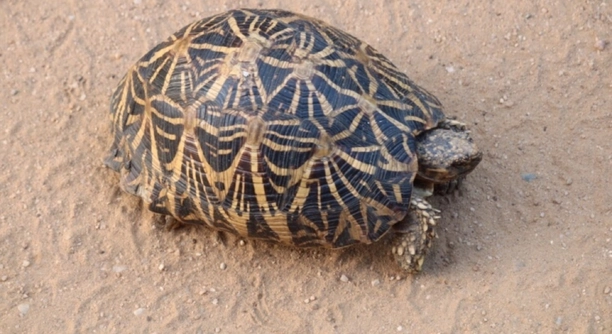
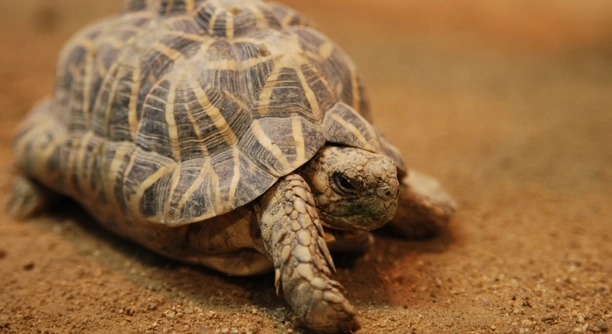
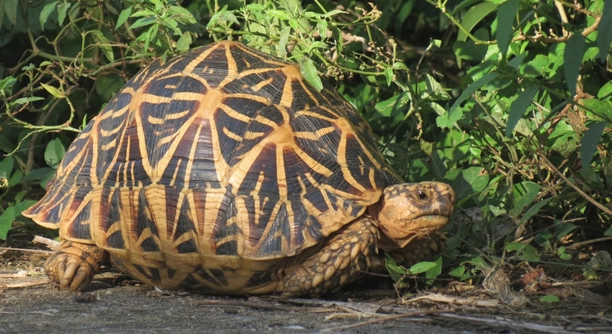
7 Signs Your Turtle Might Be Injured

Turtles are fascinating creatures, but like any pet, they can sometimes experience injuries. Recognizing the signs of injury early on is crucial for their well-being. Here’s a quick guide to help you spot potential issues with your turtle. Common signs that your turtle might be injured include changes in behavior, noticeable physical damage, or difficulty … Read more

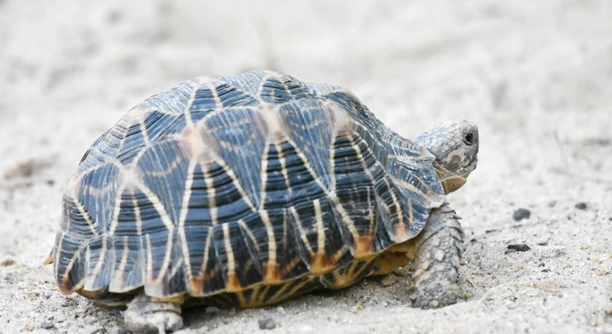
Why Is My Turtle’s Shell Developing Rough Patches?

Rough patches on a turtle’s shell can be concerning for any owner. These changes might signal an underlying issue that needs attention. It’s important to understand what causes these patches to ensure your turtle’s health remains optimal. The rough patches on your turtle’s shell are typically caused by improper care, poor diet, or environmental stressors. … Read more

7 Common Causes of Eye Infections in Turtles

Turtles are wonderful, low-maintenance pets, but sometimes they can develop eye infections. These infections can be caused by various factors that affect their health. Understanding the causes can help in taking better care of your turtle. The most common causes of eye infections in turtles include poor water quality, improper lighting, improper diet, and physical … Read more

Why Does My Turtle Keep Hiding Behind the Heater?

Turtles are known for their calm, slow-moving nature, but if your turtle keeps hiding behind the heater, it may be signaling something important about its environment or health. Understanding this behavior can help ensure its well-being. Turtles often hide behind heaters due to temperature preferences. They seek warmth when they feel too cold or stressed. … Read more

7 Best Diet Tips for Baby Turtles

Baby turtles have specific dietary needs that are essential for their growth and well-being. Understanding these requirements can help provide them with a healthy, balanced diet that supports their development and longevity in their new home. The best diet for baby turtles includes a variety of foods such as commercial turtle pellets, leafy greens, and … Read more

Why Is My Turtle’s Beak Overgrown?

An overgrown beak on a turtle can be concerning for many pet owners. It’s important to understand why this happens and what steps to take. Maintaining your turtle’s health includes monitoring its beak and overall care. The overgrowth of a turtle’s beak can result from a variety of factors, including poor diet, insufficient opportunities to … Read more

7 Reasons Your Turtle Might Be Losing Appetite

If your turtle is refusing food, it can be frustrating. This change in appetite may be a sign of several underlying issues. Identifying the root cause can help you take the right steps to support your pet’s health. There are several reasons why your turtle might be losing appetite, such as changes in environment, illness, … Read more

Why Does My Turtle Keep Trying to Flip Itself Over?

Turtles are fascinating creatures, but if you’ve noticed yours constantly trying to flip itself over, you might be wondering what’s going on. Understanding why this happens can help keep your turtle safe and healthy. Turtles often try to flip themselves over due to physical or environmental factors. These include a slippery surface, an unbalanced shell, … Read more

7 Ways to Keep Your Turtle’s Tank Water Crystal Clear

Are you struggling to keep your turtle’s tank water clean and clear?Keeping your turtle’s tank water crystal clear requires regular maintenance, the right filtration system, and proper feeding habits. A consistent cleaning routine, coupled with monitoring water quality, can help ensure a healthy, clear environment for your pet.Proper water care will not only maintain clarity … Read more

Why Is My Turtle’s Shell Growing Unevenly?

Turtles are fascinating creatures with unique shells, but sometimes their growth can appear uneven. If you’ve noticed this happening, it might be helpful to understand why it occurs and how to manage it properly. Uneven shell growth in turtles is often caused by improper diet, inadequate UV light, or poor environmental conditions. These factors can … Read more