
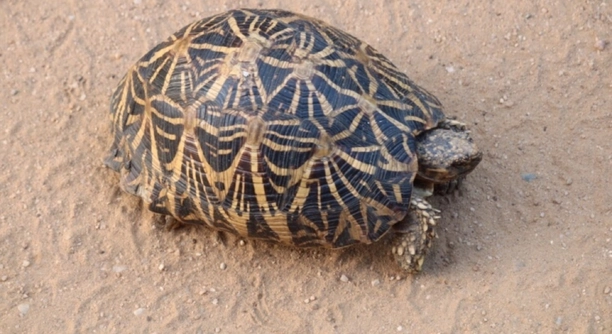
An overgrown beak on a turtle can be concerning for many pet owners. It’s important to understand why this happens and what steps to take. Maintaining your turtle’s health includes monitoring its beak and overall care.
The overgrowth of a turtle’s beak can result from a variety of factors, including poor diet, insufficient opportunities to wear down the beak, and lack of proper environmental conditions. Regular care and attention can help prevent this issue.
Learning more about the causes and solutions can help you manage this condition. Taking the right steps ensures your turtle remains healthy and comfortable.
Why Does Your Turtle’s Beak Overgrow?
An overgrown beak on a turtle can be a sign of an underlying issue. Typically, turtles use their beaks to help them eat, but if their beak becomes too long, it can interfere with their ability to feed. This issue is often linked to diet and environmental factors. If a turtle is not provided with the right foods or surfaces to naturally wear down its beak, the beak can grow excessively. In some cases, this can lead to health problems such as difficulty eating, infection, or even bone deformities.
An improper diet may lack the nutrients necessary for healthy beak growth, while a lack of environmental enrichment may prevent your turtle from using its beak as it would naturally in the wild. Beaks naturally wear down through activities like chewing on hard surfaces or eating a variety of foods. Without these opportunities, the beak may continue to grow.
Regularly inspecting your turtle’s beak and providing an appropriate diet, along with enough time for foraging, is essential. If the overgrowth persists, a visit to the vet may be necessary to prevent further complications.
How Diet Affects Your Turtle’s Beak
Turtles require a balanced diet to maintain overall health. Lack of certain nutrients can cause abnormal beak growth.
A poor diet, particularly one lacking in calcium, can contribute to beak problems. Calcium is essential for healthy bone development and beak maintenance. If your turtle isn’t getting enough calcium, the beak can become weak or overgrow. Along with calcium, a variety of fresh vegetables, protein sources, and fiber is also crucial for healthy beak function. A well-rounded diet allows the beak to remain in proper condition, preventing the need for excessive trimming.
Offering a range of foods like leafy greens, protein-rich insects, and small fish can support your turtle’s health. Avoid feeding them an exclusively soft or processed diet, as this doesn’t provide the necessary nutrients to keep the beak in check. When a turtle has the opportunity to eat a natural variety of foods, it can help wear down the beak and keep it from becoming too long. If you notice any signs of overgrowth, a diet adjustment may be a simple yet effective first step toward addressing the issue.
How Environmental Factors Contribute to Beak Overgrowth
Environmental factors play a significant role in the health of your turtle’s beak. If their enclosure lacks enough stimulation, they may not be able to naturally wear down their beak.
In the wild, turtles use their beaks for various activities such as digging, biting, and foraging. Without access to surfaces like rocks or branches, your turtle may not have the opportunity to naturally wear down its beak. You can help by providing rough surfaces such as rocks, driftwood, or hard vegetables like carrots and squash. These surfaces will allow the turtle to actively grind down its beak, reducing the chance of overgrowth.
Additionally, turtles need plenty of space to roam and explore. If they are confined to a small tank with no environmental enrichment, their beaks are less likely to stay healthy. It’s essential to create a habitat that mimics natural conditions, giving your turtle opportunities to forage and interact with its surroundings.
The Role of Proper UVB Lighting
UVB lighting is crucial for maintaining your turtle’s overall health, including the condition of its beak. Without proper UVB exposure, turtles can develop weak bones and growth issues.
Turtles need UVB light to metabolize calcium effectively, which directly impacts the health of their shell and beak. If they don’t receive enough UVB exposure, they may suffer from metabolic bone disease (MBD), which can result in an overgrown beak. This is because the body is unable to properly absorb calcium, which is essential for maintaining the beak’s strength and size. The right lighting setup provides your turtle with a way to absorb calcium naturally, helping prevent overgrowth.
Ensure your turtle’s habitat is equipped with a high-quality UVB light, and replace it every 6-12 months, as UVB light intensity diminishes over time. This will support your turtle’s health and prevent issues like beak overgrowth.
Signs of an Overgrown Beak
An overgrown beak can affect your turtle’s feeding and overall health. You may notice difficulty eating or changes in behavior.
An overgrown beak can interfere with a turtle’s ability to chew or grasp food. If left unchecked, it may lead to malnutrition or infection. Beak trimming may be necessary to prevent further complications.
How to Trim a Turtle’s Beak
Trimming a turtle’s beak requires care and precision. If you’re unsure, it’s best to consult with a vet.
To trim a turtle’s beak, use specialized tools such as small clippers or a Dremel tool. Gently trim the overgrowth, taking care not to cut too much, as this could cause bleeding or injury. Always trim a little at a time.
FAQ
Why is my turtle’s beak overgrowing?
The main cause of an overgrown beak is a lack of proper diet, environment, or both. Without adequate nutrition, especially calcium, or without natural wear from foraging and chewing, the beak can grow too long. Turtles in captivity may not have the opportunity to wear down their beak, leading to overgrowth.
How do I prevent my turtle’s beak from overgrowing?
Providing a well-rounded diet and an enriched environment can help prevent beak overgrowth. Include plenty of calcium-rich foods like leafy greens, and provide rough surfaces such as rocks or driftwood for the turtle to chew on. UVB lighting is also essential for calcium absorption.
What are the signs of beak overgrowth?
Signs of beak overgrowth include difficulty eating, changes in eating habits, and visible elongation or distortion of the beak. If you notice your turtle having trouble grasping or biting food, it’s a sign that its beak may be too long.
Can I trim my turtle’s beak at home?
It’s possible to trim a turtle’s beak at home, but it requires care and the right tools. Use small clippers or a Dremel tool to carefully trim the overgrowth. If you’re unsure, it’s best to consult a vet to avoid injury.
How often should I check my turtle’s beak?
It’s a good idea to check your turtle’s beak regularly, especially if it’s a species prone to beak overgrowth. Checking every few weeks allows you to catch any issues early and take action before the problem worsens.
Can an overgrown beak cause other health problems?
Yes, an overgrown beak can lead to several health issues. It may cause difficulty eating, which can lead to malnutrition or dehydration. Additionally, if the beak is not trimmed or worn down, it can cause infection or deformities in the shell or other bones.
What should I do if I can’t trim my turtle’s beak myself?
If you’re not comfortable trimming your turtle’s beak, it’s best to seek help from a professional. A vet experienced with reptiles can safely trim your turtle’s beak and address any underlying issues contributing to the overgrowth.
Can poor water conditions cause beak overgrowth?
Yes, poor water quality can contribute to beak problems. Dirty or improperly maintained water can lead to a host of health issues, including infections that may cause changes in beak growth. Regularly clean your turtle’s tank and ensure it has access to clean, filtered water.
How does UVB light impact beak health?
UVB light is crucial for calcium metabolism. Without it, your turtle won’t be able to absorb calcium effectively, which may lead to soft bones and an overgrown beak. Make sure your turtle’s habitat includes a proper UVB light source to support bone health and prevent beak overgrowth.
What happens if I ignore an overgrown beak?
Ignoring an overgrown beak can lead to serious health issues. The turtle may struggle to eat, which could lead to malnutrition, dehydration, or infection. Additionally, the beak may continue to grow abnormally, causing pain and further complications. Immediate action is needed to prevent these problems.
Can beak overgrowth happen in all turtle species?
While beak overgrowth can affect many types of turtles, some species are more prone to it than others. Turtles that are kept in captivity, especially in small enclosures, are at a higher risk of developing overgrown beaks due to a lack of natural foraging opportunities. Proper care can help prevent it.
What foods are best for preventing beak overgrowth?
A diet rich in calcium and other essential nutrients is crucial for preventing beak overgrowth. Leafy greens like kale, collard greens, and dandelion leaves, as well as other vegetables like carrots and squash, help provide the nutrients needed for a healthy beak. Additionally, offering protein sources such as insects can also help support your turtle’s overall health.
Is beak overgrowth reversible?
Yes, in many cases, beak overgrowth is reversible with proper care. Trimming the beak and making dietary and environmental adjustments can help restore normal growth. However, if the overgrowth has led to permanent damage or health issues, recovery may be more difficult and may require professional intervention.
How can I provide enrichment for my turtle?
Environmental enrichment is important for your turtle’s well-being. You can provide rocks, branches, and other hard surfaces for your turtle to climb on and chew. Offering a variety of foods and allowing for time outside the tank for foraging can also help keep your turtle active and healthy.
Final Thoughts
Overgrown beaks are a common issue in turtles, especially those kept in captivity. If left unaddressed, it can lead to problems with feeding and general health. It’s essential to monitor your turtle’s beak regularly and take steps to prevent overgrowth by providing a balanced diet and a suitable environment. Offering calcium-rich foods, rough surfaces for chewing, and proper UVB lighting can help maintain healthy beak growth. If your turtle’s beak is overgrown, it’s important to take action to address the issue as soon as possible.
Trimmed regularly, a turtle’s beak can remain in good condition, ensuring it doesn’t interfere with feeding or cause health complications. Whether you choose to trim the beak yourself or consult with a veterinarian, the key is to avoid neglecting the problem. Even though trimming the beak might seem like a small task, it can prevent much larger issues down the road. Regular care and attention to your turtle’s needs can go a long way in preventing overgrowth and maintaining its overall health.
Taking care of a turtle involves understanding its specific needs and providing the right environment for it to thrive. By monitoring its beak and addressing any overgrowth early on, you’ll help ensure your turtle stays healthy and happy for years to come. Don’t forget the importance of a balanced diet, proper lighting, and a clean environment. These steps are all crucial in maintaining your turtle’s well-being and preventing any further health concerns related to overgrown beaks.

Hello,
If you enjoy the content that we create, please consider saying a "Thank You!" by leaving a tip.
Every little bit helps us continue crafting quality advice that supports the health, happiness, and well-being of pets around the world, for pets of all shapes, sizes, and species.
We really appreciate the kindness and support that you show us!