
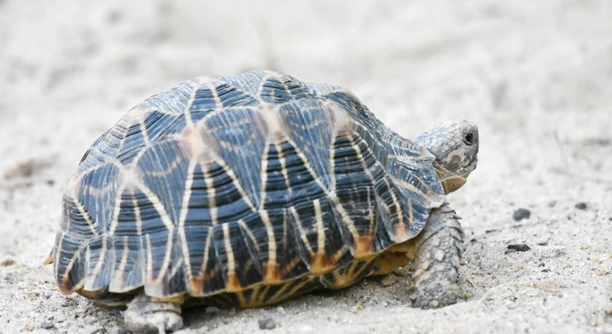
Turtles are known for their calm, slow-moving nature, but if your turtle keeps hiding behind the heater, it may be signaling something important about its environment or health. Understanding this behavior can help ensure its well-being.
Turtles often hide behind heaters due to temperature preferences. They seek warmth when they feel too cold or stressed. Inadequate water temperature or environmental changes may cause this hiding behavior as they attempt to regulate their body temperature.
Understanding why your turtle hides behind the heater can guide you in creating a more comfortable environment for it.
Why Turtles Hide Behind the Heater
When a turtle hides behind the heater, it could be a sign that it is trying to regulate its body temperature. Turtles are cold-blooded creatures, meaning they rely on external heat sources to stay warm. If the water temperature is too low, they may seek warmth from the heater. In the wild, turtles move between sunlit areas and shaded spots to maintain their preferred body temperature. In an aquarium setting, providing a suitable temperature gradient within their environment is essential. When the temperature is not balanced, your turtle may feel stressed or uncomfortable, leading it to hide behind the heater.
You may also notice this behavior when the turtle is stressed or unwell. Stress can be caused by sudden changes in the environment, such as new tank mates, unfamiliar objects, or loud noises. A stressed turtle may retreat to a quiet, warm place to feel safe and secure.
If your turtle is constantly hiding behind the heater, it’s important to monitor the water temperature closely. Ensure that your tank has both warm and cooler areas. Check that the heater is working properly and not overheating the water. If the water temperature is too hot or too cold, it can negatively impact your turtle’s health, causing lethargy, loss of appetite, or even illness. A thermometer is an easy way to keep track of the water’s temperature and make sure it’s within the ideal range for your turtle’s species.
Temperature and Stress Management
A stable environment is key to keeping your turtle healthy.
Water Temperature and Its Impact
The water temperature plays a major role in your turtle’s behavior. Turtles need a warm spot to bask and regulate their body heat. If the water is too cold, they will seek warmth from the heater. Maintaining the proper temperature is essential for digestion, immunity, and overall health. Inconsistent water temperatures can lead to stress and other issues like shell rot or sluggish movement.
To avoid problems, invest in a reliable aquarium heater and thermometer. The water temperature should be kept between 75-80°F for most species. A temperature gradient, with a warmer basking area and cooler spots, allows your turtle to choose where it feels most comfortable. If the heater malfunctions or the temperature fluctuates too much, it may cause your turtle to feel unsettled, leading it to hide behind the heater for warmth or safety.
If you notice your turtle consistently hiding behind the heater despite a stable temperature, there may be an issue with the heater’s function. It’s important to check if the heater is properly calibrated and whether the tank’s water is uniformly heated. A malfunctioning heater may cause the water to be too cold in some areas while overheating other parts. Make sure your turtle has access to both heat and cool zones, so it can regulate its temperature and avoid unnecessary stress.
Stress and Environmental Changes
Stressful conditions can make your turtle feel insecure and prompt it to hide.
Tank Mates and Territorial Behavior
Turtles can be territorial, especially when new animals are introduced to their environment. A new tank mate may stress your turtle, causing it to hide behind the heater. This behavior often comes from a need for space and security. If the turtle feels threatened, it seeks isolation.
Ensure your turtle has enough room to establish its own territory. If it’s sharing the tank, make sure other animals are non-aggressive and not competing for the same resources. Introducing a new tank mate slowly and carefully can help reduce stress and prevent hiding behavior.
Hiding Behavior in Sick Turtles
Sick turtles often hide behind heaters when they are unwell. This behavior is a sign that they are trying to stay warm, as many illnesses make turtles feel cold. Hiding allows them to conserve energy and feel safer. It’s important to observe any other symptoms of illness, like loss of appetite or unusual lethargy.
If you suspect your turtle is sick, check for signs like swollen eyes, discharge, or abnormal shell color. A visit to the vet is essential if these symptoms appear. Make sure the tank is clean, with proper filtration, to avoid further health issues.
Temperature Regulation During the Night
At night, turtles lower their activity levels and rest. Some may seek warmer areas of the tank to help regulate their body temperature. This natural behavior can be linked to their instinct to find safe, stable spots for rest.
FAQ
Why does my turtle hide behind the heater?
Turtles may hide behind the heater to regulate their body temperature. As cold-blooded animals, they rely on external heat sources to maintain their body heat. If the water temperature is too low or inconsistent, your turtle might seek out a warm spot near the heater for comfort and safety. Additionally, they may hide if they are stressed or not feeling well. Checking the tank’s temperature and ensuring it is within the proper range can help address this issue.
How can I prevent my turtle from hiding behind the heater?
To prevent your turtle from hiding behind the heater, ensure that the water temperature is consistent and within the ideal range for your specific turtle species. You can also provide a basking spot with appropriate warmth, allowing your turtle to regulate its body temperature. Having a temperature gradient in the tank, with both warmer and cooler areas, gives your turtle more control over its environment. Reduce stress by keeping the tank clean, limiting sudden changes, and avoiding overcrowding.
Is it normal for my turtle to hide behind the heater at night?
Yes, it’s normal for a turtle to hide behind the heater at night, especially if they are trying to find a warm spot to rest. Turtles are less active during the night and may seek warmth to help maintain their body temperature while they sleep. It is important to ensure that the temperature remains stable at night and that there are warm and cool areas in the tank to allow your turtle to choose where it feels most comfortable.
What temperature should my turtle tank be?
The ideal water temperature for most turtle species is between 75-80°F (24-27°C). It is important to have a temperature gradient within the tank so that your turtle can move between warmer and cooler areas as needed. A basking spot should be slightly warmer, around 85-90°F (29-32°C), so your turtle can fully regulate its body temperature. Consistent monitoring with a reliable thermometer ensures your turtle’s environment stays optimal.
How do I know if my turtle is sick?
A sick turtle may show signs of lethargy, loss of appetite, swollen eyes, or unusual changes in its shell color or texture. If your turtle is hiding behind the heater and exhibiting these symptoms, it might be a sign of illness. A lack of interest in food, difficulty swimming, or abnormal behavior like staying at the bottom of the tank for long periods are also indications that your turtle may need medical attention. If you notice any of these signs, a visit to a vet who specializes in reptiles is recommended.
Can I use a regular heater for my turtle tank?
It’s best to use a heater specifically designed for aquarium use. Regular heaters may not be safe or reliable enough for maintaining the temperature of a turtle tank. An aquarium heater will ensure the water temperature is consistent and appropriate for your turtle’s needs. Be sure to choose a heater that is properly sized for your tank and can handle the volume of water you are using.
Should I be concerned if my turtle hides a lot?
Hiding can sometimes be a sign of stress, illness, or temperature imbalance. If your turtle is hiding behind the heater frequently and for long periods, it’s important to check the tank’s temperature, water quality, and any potential sources of stress, such as tank mates or changes in the environment. If your turtle continues to hide, showing other signs of distress or poor health, it’s a good idea to consult a vet.
Can stress cause my turtle to hide behind the heater?
Yes, stress can lead your turtle to hide behind the heater. Stressful changes, such as new tank mates, a move to a new tank, loud noises, or poor water conditions, can make your turtle feel insecure. A stressed turtle may seek out a quiet, warm spot to retreat to for comfort. Ensuring your turtle’s environment is stable, quiet, and properly maintained can help reduce stress and prevent hiding behavior.
What should I do if my turtle is always hiding behind the heater?
If your turtle is constantly hiding behind the heater, check the water temperature to ensure it is within the correct range. Make sure your turtle has access to both warm and cooler areas in the tank. Look for signs of illness or stress, such as lethargy, loss of appetite, or changes in behavior. If there are no issues with the tank’s conditions and your turtle continues to hide, it may be a good idea to consult a vet to rule out any underlying health problems.
How do I help my turtle feel more comfortable in its tank?
To help your turtle feel more comfortable, provide a spacious tank with both basking and cooler areas. Make sure the water temperature is within the correct range and the tank is clean. Reducing environmental stressors like loud noises, sudden movements, or overcrowding can also make your turtle feel more secure. Adding hiding spots such as rocks or aquatic plants will give your turtle more options to explore and feel safe. Proper lighting, filtration, and diet are also essential in maintaining a healthy and comfortable tank for your turtle.
Can tank mates cause my turtle to hide behind the heater?
Yes, introducing new tank mates can cause stress and make your turtle feel threatened. If your turtle feels crowded or intimidated by other animals, it may hide behind the heater to avoid confrontation. To reduce this behavior, monitor interactions between tank mates and ensure that all animals in the tank are compatible. If your turtle is hiding frequently due to tank mate issues, consider adjusting the number or type of animals in the tank to reduce stress.
How can I reduce my turtle’s stress in the tank?
To reduce stress in your turtle’s tank, keep the environment stable and consistent. Avoid sudden changes like moving the tank, adding or removing tank mates, or altering the lighting too drastically. Make sure the tank is large enough for your turtle to roam freely and provide enough hiding spots. Keeping the tank clean, maintaining proper water filtration, and feeding your turtle a balanced diet can also contribute to a stress-free environment. Lastly, minimize noise and disturbances near the tank to prevent unnecessary stress.
Final Thoughts
Turtles are fascinating creatures, and understanding their behavior is key to providing them with a healthy and comfortable environment. If your turtle is hiding behind the heater, it’s important to consider factors like temperature, stress, and tank setup. Turtles often seek warmth, and if the water temperature isn’t right, they might look for a source of heat to help regulate their body temperature. Make sure that the heater is properly placed and the water temperature is consistently maintained. Providing your turtle with both warm and cooler areas in the tank gives them the freedom to move around as they need to.
Aside from temperature concerns, stress can also be a factor in why your turtle hides. Sudden changes in the tank, such as new tank mates, noise, or overcrowding, can cause anxiety. Turtles are creatures of habit, and they often prefer a stable, quiet environment. If you’ve recently made any changes to the tank, consider whether those changes might be causing your turtle distress. Adding hiding spots, plants, or rocks can give your turtle the security it needs to feel safe and comfortable in its home. If hiding becomes a consistent behavior, it’s important to check other factors like water quality or diet.
Finally, always monitor your turtle’s overall health. If hiding behind the heater is accompanied by signs of illness, such as lethargy, loss of appetite, or unusual behavior, it’s essential to take your turtle to the vet. Regular tank maintenance, including proper cleaning, temperature regulation, and a balanced diet, will go a long way in preventing health problems and making sure your turtle is comfortable. By understanding your turtle’s needs and making small adjustments, you can ensure that your pet remains happy and healthy for years to come.

Hello,
If you enjoy the content that we create, please consider saying a "Thank You!" by leaving a tip.
Every little bit helps us continue crafting quality advice that supports the health, happiness, and well-being of pets around the world, for pets of all shapes, sizes, and species.
We really appreciate the kindness and support that you show us!