Do Gourami Prefer Calm or Active Tanks?
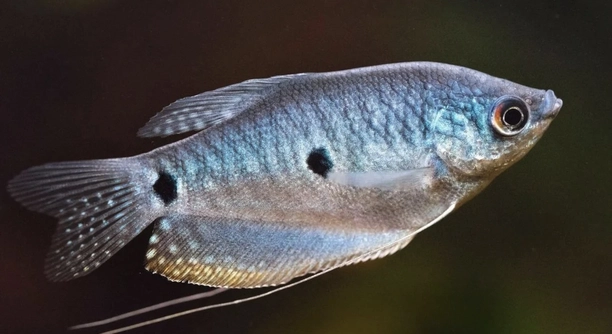
Do you ever wonder how to create the best environment for your gourami fish? These colorful freshwater fish have specific needs that affect their health and happiness. Understanding their preferences can help you build a better tank. Gouramis generally prefer calm tanks with minimal water movement, as this mimics their natural habitats like slow-moving rivers … Read more

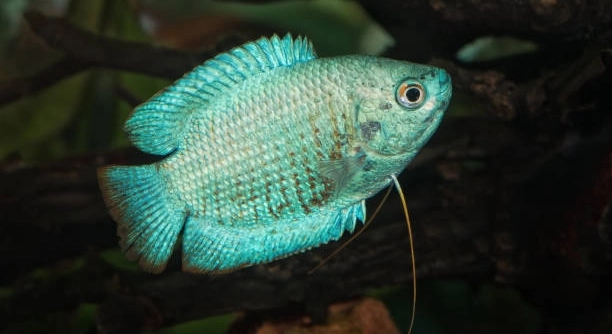
7 Causes of Gourami Lying on Substrate

Gouramis are popular freshwater fish known for their bright colors and peaceful nature. Sometimes, they can be seen resting or lying on the substrate in their tank. This behavior may concern fish owners who want to ensure their pets are healthy and comfortable. Gouramis lying on the substrate can result from various causes, including stress, … Read more

7 Curious Habits of Peaceful Gourami

Peaceful gouramis are popular aquarium fish known for their calm nature and striking appearance. These fish display some unusual habits that set them apart from many other species. Understanding these behaviors can help hobbyists care for them better. Peaceful gouramis exhibit unique behaviors such as building bubble nests, using labyrinth organs to breathe air, showing … Read more

Can Gourami Get Used to Routine Noises?

Gouramis are popular freshwater fish kept in home aquariums. They live in environments that can sometimes be noisy due to household sounds or aquarium equipment. Understanding how these fish respond to routine noises can help improve their care. Gouramis can adapt to consistent, non-threatening routine noises over time. They show reduced stress responses when exposed … Read more

Why Are Gourami Rubbing Against the Filter?

Gouramis are gentle freshwater fish often seen exploring their tanks. Sometimes, they rub their bodies against aquarium filters or decorations. This behavior can be puzzling for fish owners who want to keep their pets healthy and happy. Gouramis rubbing against filters usually indicate irritation caused by parasites, skin infections, or poor water quality. This behavior … Read more

7 Cues Gourami Use to Avoid Conflict

Have you ever noticed your gourami swimming in strange patterns or changing color when other fish get too close to them? These behaviors are not random—they serve a specific purpose in their social interactions. Gouramis use a combination of body posture, fin displays, color changes, lateral movements, and strategic retreat to signal submission and prevent … Read more

7 Changes That Help Gourami Feel Secure

Gouramis are peaceful fish, but they can feel stressed in their environment. This stress can affect their health and behavior, making it essential to create a secure setting for them. There are simple ways to make them feel more at ease. To help gourami feel secure, there are seven important changes that you can implement … Read more

7 Grooming Behaviors Seen in Happy Gourami

Gouramis are peaceful fish known for their unique behaviors. Watching them groom themselves can tell you a lot about their well-being. Happy gouramis show specific grooming actions that indicate they feel safe and comfortable. Seven key grooming behaviors in happy gouramis include fin rubbing, body scraping, mouth cleaning, bubble blowing, scale maintenance, chasing off debris, … Read more

When Gourami Only Use Half the Tank

Do your gouramis seem content but always stay on just one side of the tank, leaving the other half strangely empty? The most common reason gouramis only use half the tank is due to water quality issues, improper filtration, or tank layout. These conditions can make part of the tank uncomfortable, prompting the fish to … Read more

7 Times Gourami Push Objects Gently

Have you ever sat by your aquarium and noticed your gourami gently moving things around with surprising care and focus? Gourami push objects gently as part of their natural behavior, often linked to nest building, territory management, or environmental interaction. This gentle movement helps them explore, organize, or manipulate their space without aggression. Understanding this … Read more