
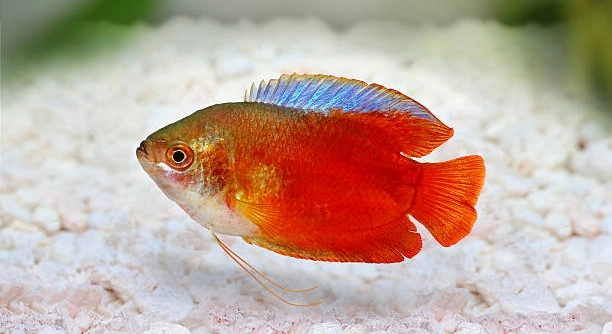
Gouramis are peaceful fish, but they can feel stressed in their environment. This stress can affect their health and behavior, making it essential to create a secure setting for them. There are simple ways to make them feel more at ease.
To help gourami feel secure, there are seven important changes that you can implement in their tank. These adjustments focus on creating a comfortable, stress-free environment by improving water quality, tank structure, lighting, and more.
These small changes can make a big difference in your gourami’s well-being. Understanding how they feel in their space will ensure they thrive and live happily in their tank.
Add More Hiding Spots
Gouramis feel safer when they have places to hide. In the wild, they use plants, rocks, and logs to escape from threats or take a break. A tank that is too open can make them anxious and uneasy. You can fix this by adding tall plants, caves, or decorations with openings. Choose smooth materials that won’t harm their fins. Live plants like java fern or hornwort work well and also help improve water quality. Keep some open space for swimming, but aim for a balanced setup. This makes the tank feel more natural and helps gouramis relax.
A tank that feels too exposed may cause your gourami to act skittish or aggressive. Hiding spots give them control over their space and help reduce stress.
Try to observe how your gourami behaves once you add more hiding areas. They might explore more often or show less aggressive behavior. This is a good sign they feel safer and more settled. Don’t overcrowd the tank, though—space and shelter should both be available. Rearranging the setup from time to time can also keep the environment engaging. If your gourami still seems nervous, adding a few floating plants may also help soften the lighting and give them added cover.
Lower the Water Flow
Gouramis come from slow-moving waters like swamps and rice paddies. They feel more comfortable when the current in the tank is gentle.
A strong water flow can make gouramis feel uneasy or tired, especially if they have to fight against it to swim. This can lead to stress and poor health over time. Lowering the flow rate helps them feel more at ease. Start by adjusting the filter settings. Many filters have a flow control knob. You can also add a sponge to the outlet to slow it down further. If the tank is shared with other fish that prefer strong flow, create zones with different water speeds by placing decorations or plants near the filter outflow. Watch how your gourami swims after making the change. If they glide more easily and rest in calm spots, that’s a good sign. The goal is to match their natural conditions as closely as possible.
Keep the Lighting Soft
Bright lights can make gouramis feel exposed and nervous. They come from shaded waters filled with floating plants and dim lighting. Strong overhead lighting without cover can increase stress, especially if there are no hiding spots to balance it out. Using softer lights can help them stay calm.
Choose a gentle aquarium light or one with adjustable brightness. LED lights with a dimmer are ideal. Keep the light on for about 8–10 hours a day to mimic a natural day cycle. Too much light can lead to algae and overstimulation, while too little can affect plant growth and fish activity. Add floating plants like Amazon frogbit or water lettuce to help break the light and give gouramis shade. A balance of light and dark areas allows them to move freely without feeling constantly exposed.
If your gourami stays hidden most of the day, harsh lighting might be part of the problem. Watch their behavior once you soften the light. You may notice them swimming more confidently and staying out longer. Avoid sudden changes in lighting—use a timer to create a gentle on-off cycle. This helps prevent startle responses. Also, avoid placing the tank in direct sunlight, as this can lead to overheating and stress. Natural rhythms, paired with soft lighting and shaded areas, can go a long way in making them feel secure.
Choose Peaceful Tank Mates
Gouramis do best with calm, non-aggressive fish. Tank mates that chase, nip, or compete for food can cause stress. Peaceful species like corydoras, small tetras, or rasboras are better companions. Always monitor interactions closely when adding new fish to the tank.
A peaceful community helps gouramis feel safe and settled. Aggressive or overly active fish can cause them to hide, lose color, or even stop eating. Avoid housing them with fin-nippers like barbs or overly territorial fish like cichlids. If you notice any bullying, rearrange the tank layout and provide more hiding spots to break line of sight. Sometimes, separating aggressive fish is necessary. Gouramis also do well alone or in a species-only tank. Female gouramis tend to be calmer than males, so mixing sexes carefully also matters. Tank size plays a role too—overcrowding increases stress levels.
Watch for subtle signs like clamped fins, quick darting movements, or long periods of hiding. These could point to tension in the tank. A well-chosen group of tank mates helps reduce this risk and allows gouramis to thrive. Patience is key when introducing new fish—quarantine them first and add slowly. Feeding at separate ends of the tank can also reduce competition. A quiet, respectful tank dynamic encourages natural gourami behaviors, like bubble nesting or gentle exploring. Creating a calm environment starts with choosing the right neighbors.
Maintain Stable Water Conditions
Gouramis are sensitive to sudden changes in water quality. Keep temperature, pH, and ammonia levels stable to reduce stress. Use a heater and reliable test kit to monitor conditions regularly. Sudden shifts can affect their immune system and make them more prone to illness.
Aim for a temperature between 75–80°F and a pH around 6.8–7.5. Perform small, regular water changes instead of large ones. Clean the tank gently without removing too much beneficial bacteria. Stability gives gouramis a sense of safety and helps them stay active, eat well, and show normal behavior.
Avoid Overcrowding
Too many fish in one tank causes stress and competition. Gouramis need space to explore and claim territory. Overcrowding can also affect water quality, which adds more pressure. A spacious setup helps them feel calm and secure in their environment.
Limit Loud Noises and Vibrations
Loud sounds or sudden vibrations near the tank can startle gouramis. Keep the tank away from TVs, speakers, or heavy foot traffic. Use a stand that absorbs movement. A quiet spot helps them feel relaxed and less reactive to changes around them.
FAQ
How can I tell if my gourami is stressed?
A stressed gourami may hide often, refuse food, lose color, or breathe heavily near the surface. You might also see clamped fins, erratic swimming, or increased aggression. These are signs something in their environment isn’t right. Check water parameters first, then review their tank mates and surroundings. Stress can come from loud noise, poor lighting, overcrowding, or sudden changes in water conditions. Watch their body language—if they’re pacing or staying in corners, something is off. Addressing these issues early can help your gourami feel safe and avoid long-term health problems.
Do gouramis need a bubbler or air pump?
No, gouramis have a labyrinth organ, which lets them breathe air from the surface. This means they don’t rely on bubblers for oxygen like some fish. In fact, strong bubbles can even disturb them. If your tank is well-filtered and has surface movement, that’s usually enough. However, if the tank is heavily stocked or very warm (which lowers oxygen), gentle aeration can help. Use a sponge filter or a small bubbler with low output. Always keep one part of the surface calm so they can breathe without effort. The key is balance—too much movement may stress them.
What kind of filter is best for gouramis?
A gentle, low-flow filter is ideal. Gouramis are used to still or slow-moving water, so avoid filters that create strong currents. Sponge filters or adjustable internal filters work well. If you use a hang-on-back filter, consider baffling the outflow with a sponge or piece of plastic. This keeps water movement soft, helping your gourami swim comfortably and feel secure. Make sure the filter runs quietly, as sudden noises and vibrations can startle them. Also, avoid placing the outflow near resting areas. A quiet, slow-moving filter helps create a calm, stable environment they’ll thrive in.
Can gouramis live alone, or do they need companions?
Yes, gouramis can live alone, and in some cases, it’s better. Some species, especially males, can become territorial or aggressive toward others. Keeping a single gourami avoids fights and makes tank management easier. However, they can also live with peaceful fish if the tank is large enough. For multiple gouramis, choose a big tank with lots of plants and hiding spots. Avoid pairing two males unless the space is very roomy. If you’re unsure, start with one gourami and observe its behavior. Some are naturally more social, while others prefer their own space.
Why is my gourami hiding all the time?
Frequent hiding usually means your gourami feels unsafe. It might be due to poor water quality, bright lighting, loud surroundings, or aggressive tank mates. Start by checking the basics—ammonia, nitrite, temperature, and pH levels. Then, look at the tank layout. Are there enough hiding spots? Are the lights too bright? Add floating plants and reduce any loud noise near the tank. Also, observe interactions with other fish. If someone’s bullying your gourami, you may need to separate them. A calm, shaded, and quiet tank will usually bring your gourami back out into the open.
How often should I feed my gourami?
Feed adult gouramis once or twice a day, offering only what they can eat in 2–3 minutes. Overfeeding leads to water quality issues and stress. A balanced diet helps them feel strong and secure. Use high-quality flakes, pellets, and occasional treats like frozen bloodworms or brine shrimp. Varying their food keeps them healthy and active. Skip feeding one day per week to help digestion. Always remove uneaten food after feeding to avoid buildup. Consistent, portioned feeding builds trust and helps your gourami stay happy and healthy in its space.
Is it okay to rearrange the tank decorations often?
Rearranging too often can confuse or stress your gourami. They form routines and recognize areas of their tank, especially hiding spots. However, a gentle change once in a while can stimulate curiosity. If you need to clean or re-decorate, do it gradually. Keep key hiding places in familiar spots. After a change, give them time to adjust. Watch for signs of distress, like excessive hiding or lack of appetite. A stable layout helps them feel in control of their territory, so avoid major overhauls unless necessary. Subtle changes are best for their sense of security.
Final Thoughts
Helping your gourami feel secure doesn’t have to be complicated. It’s mostly about understanding what makes them comfortable and giving them a space that feels safe. Simple changes like adding more hiding spots, using softer lighting, and keeping the tank peaceful can make a big difference. Even things like reducing loud noises near the tank or making sure the water stays stable play an important role. When these areas are taken care of, your gourami is more likely to act relaxed, eat well, and show its natural behaviors. You don’t need to spend a lot of money or make big changes—just paying attention to their environment can go a long way.
Every gourami is a little different, so it helps to watch how yours behaves. Some are more shy, while others may be active or territorial. If you notice any signs of stress, like hiding all the time or refusing food, it usually means something isn’t right. Try to check the basics first, like water quality, lighting, and tank mates. From there, make small adjustments and give your gourami time to settle. It’s also okay to ask for help at your local pet store or from other fishkeepers. Sometimes a small tip can solve a big problem. With patience and care, you’ll start to see your gourami become more comfortable and confident in its tank.
Creating a safe and peaceful space for your gourami is not just about keeping them alive—it’s about helping them live well. When they feel secure, they are more active, less aggressive, and more likely to explore their surroundings. A calm tank also makes your job easier, since healthy fish are less likely to get sick or stressed. Think of it as a partnership—you provide a good environment, and in return, your gourami brings calm movement and color to your home. Whether you’re a new fishkeeper or someone with experience, it’s always helpful to take a step back and ask: “Does this tank feel safe for my gourami?” If the answer is yes, then you’re doing a good job.

Hello,
If you enjoy the content that we create, please consider saying a "Thank You!" by leaving a tip.
Every little bit helps us continue crafting quality advice that supports the health, happiness, and well-being of pets around the world, for pets of all shapes, sizes, and species.
We really appreciate the kindness and support that you show us!