
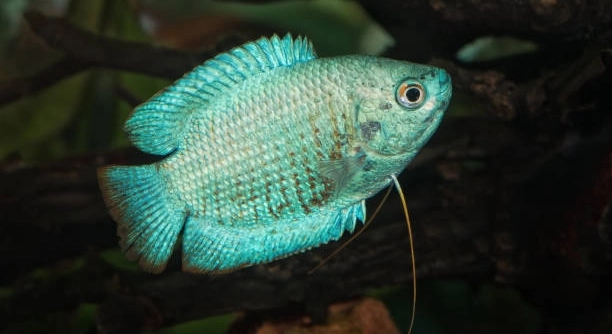
Peaceful gouramis are popular aquarium fish known for their calm nature and striking appearance. These fish display some unusual habits that set them apart from many other species. Understanding these behaviors can help hobbyists care for them better.
Peaceful gouramis exhibit unique behaviors such as building bubble nests, using labyrinth organs to breathe air, showing gentle territoriality, and engaging in specific social interactions. These habits reflect their adaptation to low-oxygen environments and contribute to their peaceful disposition.
Learning about these habits can improve your experience keeping gouramis and deepen your appreciation for their fascinating lifestyle.
Bubble Nest Building
Peaceful gouramis have a fascinating habit of building bubble nests on the water’s surface. Male gouramis blow bubbles coated with saliva that stick together, creating a floating cluster. This nest serves as a safe place for their eggs after spawning. The bubbles help keep the eggs oxygenated and protected from predators. The male carefully guards the nest, repairing and adding more bubbles as needed. This behavior is common in many labyrinth fish species but is especially noticeable in gouramis due to the size and complexity of their nests. Watching a male gourami construct and maintain a bubble nest can be quite captivating. It shows their dedication to their offspring and the care involved in their reproductive process. In an aquarium, providing calm water with little surface agitation encourages this natural habit to occur.
Bubble nest building is a sign of a healthy and comfortable gourami. It also means your fish are ready to breed under the right conditions.
Knowing how bubble nests form helps you support your gouramis’ natural behavior and improve breeding success in captivity.
Labyrinth Organ Breathing
Gouramis possess a special organ called the labyrinth, which allows them to breathe air directly from the surface. This organ helps them survive in waters with low oxygen levels. Instead of relying solely on their gills, they can gulp air, making them more adaptable to different environments. You might notice your gourami swimming up occasionally to take a quick breath. This habit is completely normal and essential for their well-being. It also explains why they prefer calm waters, where air access is easy. The labyrinth organ is a unique adaptation that sets gouramis apart from many other freshwater fish species. Understanding this trait helps aquarium keepers ensure proper tank conditions, such as maintaining clean, warm water and easy surface access.
Labyrinth breathing helps gouramis survive in oxygen-poor water by allowing them to breathe air directly.
Ensuring your tank has calm surface water and good air access supports this breathing habit and keeps your gouramis healthy.
Gentle Territoriality
Peaceful gouramis show mild territorial behavior, especially males during breeding. They claim small areas but usually avoid aggressive fights.
Male gouramis often set up territories near their bubble nests, protecting these spaces from other males. Their aggression is limited, rarely causing serious harm, but it helps keep order during breeding times. Females and non-breeding males usually swim freely without conflict. Providing plenty of hiding spots and plants in the tank reduces stress and territorial disputes. This balance between peacefulness and mild territoriality makes gouramis easier to keep with other fish.
Understanding their territorial limits helps manage tank space and reduces stress in community setups. Gouramis thrive best when they can establish small areas without overcrowding or competition.
Social Interactions
Gouramis interact gently with tank mates and their own kind. They communicate through body language and subtle movements, often swimming close or mirroring each other’s actions. This behavior promotes social bonding and reduces stress within the group. Watching these interactions can be calming, as gouramis rarely show aggressive dominance.
When kept in groups, peaceful gouramis form loose social hierarchies but rarely fight. Their interactions include short chases or displays but mostly involve coexisting peacefully. This social nature makes them suitable for community tanks where they can feel secure and connected. Proper tank size and structure encourage positive social behavior and reduce boredom.
Surface Activity
Peaceful gouramis spend a lot of time near the water surface. This is where they breathe air and build nests. Their surface activity is natural and important for their health.
They often glide slowly just below the surface, exploring or resting. This calm movement helps them conserve energy and stay alert for food or mates.
Feeding Habits
Gouramis are opportunistic feeders that enjoy a varied diet. In the wild, they eat insects, small crustaceans, and plant matter. In captivity, they accept flakes, pellets, and live or frozen foods. Feeding small portions several times a day mimics their natural eating pattern and keeps them healthy.
Color Changes
Gouramis may change color slightly based on mood, health, or environment. Bright colors often indicate good health, while dullness can signal stress or illness. Observing these changes helps monitor their well-being and adjust care as needed.
FAQ
Why do peaceful gouramis build bubble nests?
Bubble nests are built mainly by male gouramis as part of their breeding process. The nests protect eggs and young fry by keeping them oxygen-rich and safe from predators. This behavior is instinctual and shows the male’s readiness to reproduce. In an aquarium, calm water encourages this habit to occur naturally.
How often do gouramis breathe air from the surface?
Gouramis use their labyrinth organ to breathe air when oxygen levels in the water are low. They may surface several times an hour or less, depending on tank conditions. In well-oxygenated water, they rely mostly on gills and surface breathing decreases.
Can peaceful gouramis live with other fish?
Yes, peaceful gouramis usually coexist well with other calm fish. Avoid aggressive or very active species that could stress them. They prefer tanks with hiding places to retreat when feeling threatened. Community tanks with small tetras, rasboras, or Corydoras work well.
What causes gouramis to change color?
Color changes in gouramis can be caused by mood, stress, health, or water quality. Bright colors often mean the fish is healthy and comfortable. Pale or dull colors can indicate illness, poor diet, or an unsuitable environment.
How much should I feed my gourami?
Feed small portions two to three times daily. Overfeeding can pollute the tank and harm fish health. Use a balanced diet of flakes, pellets, and occasional live or frozen foods to meet their nutritional needs.
Do male gouramis get aggressive during breeding?
Males show mild aggression when defending bubble nests. This is mostly limited to chasing other males away. Serious fights are rare if the tank is large enough and well-planted to provide hiding spots.
Why do gouramis stay near the surface so much?
They stay near the surface to breathe air and search for food. Their labyrinth organ requires easy access to air. Calm water surfaces also allow them to build nests without disturbance.
What tank conditions do peaceful gouramis prefer?
They thrive in warm, slightly acidic to neutral water (72–82°F and pH 6.0–7.5). Soft to moderately hard water is best. A tank with plants and hiding places helps reduce stress and supports natural behavior.
Can peaceful gouramis live alone?
Gouramis can live alone but usually do better with companions of their own species or other peaceful fish. Social interaction reduces stress and encourages natural habits like schooling or gentle socializing.
How do I know if my gourami is healthy?
Healthy gouramis are active, have bright colors, clear eyes, and smooth fins. They eat well and show normal breathing patterns. Any sudden color fading, clamped fins, or lethargy can be signs of illness needing attention.
Final Thoughts
Peaceful gouramis are fascinating fish with many unique habits that make them special in the aquarium hobby. Their bubble nest building, gentle territorial behavior, and air-breathing through the labyrinth organ all show how well adapted they are to their natural environment. These traits also explain why they are calm and peaceful tank mates. Understanding these habits helps aquarium owners provide better care and create an environment where gouramis can thrive. By respecting their natural behaviors, you support their health and happiness in your home aquarium.
Taking care of peaceful gouramis requires attention to their specific needs, such as maintaining calm water, providing enough space, and offering a balanced diet. It is important to watch their behavior and look for signs of stress or illness, like color changes or unusual inactivity. Knowing how they breathe air and why they spend time near the surface helps prevent misunderstandings about their health. Providing hiding places and tank mates that match their peaceful nature also reduces stress and promotes positive social interactions. These small steps can make a big difference in how well your gouramis live and grow.
Overall, peaceful gouramis are rewarding fish to keep because of their gentle nature and interesting habits. They fit well in community tanks and offer a glimpse into fascinating fish behavior. Watching them build nests or interact quietly with tank mates can be calming and enjoyable. Learning about their curious habits not only improves their care but also deepens your connection to the fish. By paying attention to their natural instincts and environment, you help ensure they live a long, healthy life while bringing a peaceful presence to your aquarium.

Hello,
If you enjoy the content that we create, please consider saying a "Thank You!" by leaving a tip.
Every little bit helps us continue crafting quality advice that supports the health, happiness, and well-being of pets around the world, for pets of all shapes, sizes, and species.
We really appreciate the kindness and support that you show us!