7 Ways to Encourage Natural Behaviors in Gouramis
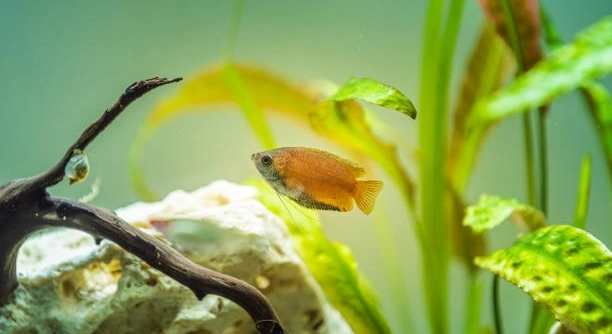
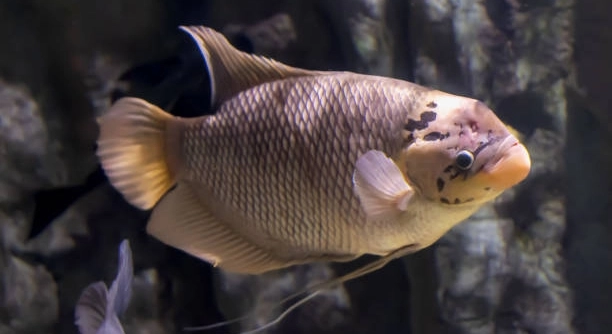
Gouramis are colorful and peaceful fish that bring life to any aquarium. Observing them closely reveals behaviors that reflect their natural instincts and preferences. Encouraging these behaviors creates a healthier, more engaging environment for your fish. Providing an environment that mimics their natural habitat is key to promoting natural behaviors in gouramis. This includes proper … Read more
Why Is My Gourami Avoiding Me Lately?

Are your gouramis suddenly spending more time in a corner of the tank or hiding behind decorations? Many fish owners notice changes in their pet’s behavior, and it can be concerning when your gourami seems distant. A common reason your gourami may be avoiding you is stress caused by environmental changes. Factors such as water … Read more

What Causes a Gourami to Hide All Day?

Gourami fish are often calm and social, so constant hiding can feel worrying for aquarium keepers. This article explains common reasons behind this behavior and helps readers understand what changes in the tank influence it. The primary cause of a gourami hiding all day is environmental stress. Factors such as poor water quality, aggressive tank … Read more

Why Is My Gourami Ignoring Its Food?

Is your gourami suddenly ignoring its food, leaving you unsure about what is happening in your tank? This behavior can be worrying, especially when you want to ensure your fish stays healthy and active. One of the primary reasons a gourami may refuse food is stress or illness. Environmental changes, poor water quality, or internal … Read more

7 Things That Make a Gourami Tank Feel Natural

Gouramis are beautiful freshwater fish that thrive in well-designed tanks. Creating a natural environment for them can enhance their colors and behavior, making your aquarium feel more like a slice of their natural habitat. To make a gourami tank feel natural, focus on appropriate plant placement, gentle water flow, hiding spots, compatible tank mates, substrate … Read more

Why Your Gourami Is Avoiding the Surface

Many aquarists notice their gourami swimming near the bottom instead of the surface. This change in behavior can be concerning, especially for fish owners who enjoy watching their gourami explore the top layers of the tank. Gouramis may avoid the surface due to poor water quality, stress, low oxygen levels, or illness. Environmental factors such … Read more

7 Tricks to Make Tank Time More Engaging

Spending time in a tank can feel repetitive, especially during long sessions. Many enthusiasts look for ways to make these moments more lively and enjoyable, creating experiences that are both productive and entertaining for everyone involved. Enhancing tank time can be achieved through simple adjustments and interactive techniques that promote engagement. Incorporating varied tasks, timed … Read more

7 Water Flow Problems That Upset Gouramis

Water flow plays a quiet but important role in keeping gouramis calm and healthy at home. When currents feel wrong, stress builds slowly, behavior changes, and tank harmony can suffer without clear warning signs appearing. The primary reason water flow upsets gouramis is excessive or uneven current created by filtration systems. Strong flow disrupts natural … Read more

Can You Use Tap Water for Giant Gouramis?

Giant gouramis are popular freshwater fish known for their size and calm temperament. Many aquarists enjoy keeping them, but proper water conditions are crucial to ensure their health and growth in a home aquarium. Tap water can be used for giant gouramis, provided it is treated to remove chlorine, chloramine, and heavy metals. Testing and … Read more

7 Things That Happen When You Overfeed a Gourami

Have you ever noticed your gourami eating eagerly while food keeps falling to the tank floor, creating cloudy water and extra waste that feels harmless but quietly affects daily care and long term fish health. Overfeeding a gourami leads to excess waste accumulation, declining water quality, digestive stress, obesity, lethargy, and increased disease risk. These … Read more