
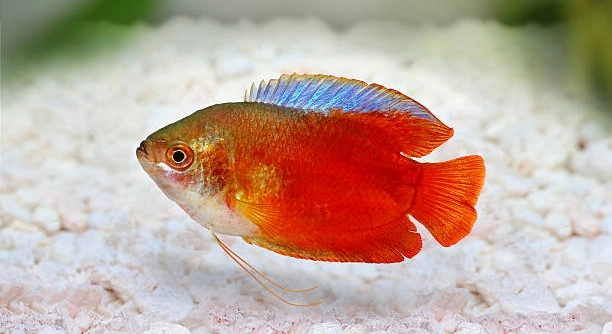
Are your gouramis suddenly spending more time in a corner of the tank or hiding behind decorations? Many fish owners notice changes in their pet’s behavior, and it can be concerning when your gourami seems distant.
A common reason your gourami may be avoiding you is stress caused by environmental changes. Factors such as water quality, temperature fluctuations, aggressive tank mates, or insufficient hiding spaces can make gouramis retreat and minimize interactions.
Understanding these causes will help you create a calmer environment and encourage your gourami to feel comfortable and engage with you again. Observing small details can make a big difference in their behavior.
Changes in Tank Environment
Gouramis are sensitive to their surroundings, and even small changes can make them avoid interaction. Introducing new decorations, rearranging plants, or moving the tank to a different location can stress them. Water quality plays a significant role; fluctuations in pH, temperature, or ammonia levels can make your gourami retreat to safe spaces. Lighting changes also impact their behavior, as bright or inconsistent light can make them feel exposed. Adding new fish may trigger territorial instincts, causing your gourami to hide. Even subtle noises or vibrations around the tank can increase stress levels. Monitoring these factors regularly helps maintain a stable environment. Providing areas to hide, such as plants, caves, or floating objects, gives them security. Regular water testing, maintaining proper temperature, and avoiding sudden adjustments can help your gourami feel comfortable and reduce avoidance behaviors. Small, consistent care changes improve their confidence over time and encourage more interaction.
Observing your gourami closely after environmental adjustments allows you to identify stress triggers and adapt the tank for comfort.
Consistency in care, including gradual changes and proper water management, ensures your gourami remains healthy and approachable. A stable environment reduces stress significantly, improving their willingness to explore and interact.
Health and Dietary Factors
Illness or poor nutrition can cause your gourami to avoid you or hide.
Gouramis require a balanced diet and consistent feeding schedule to remain healthy. Nutritional deficiencies, overfeeding, or sudden diet changes may affect their energy and behavior. Signs of illness, such as discoloration, clamped fins, or lethargy, often coincide with social withdrawal. Maintaining water quality is critical for preventing infections, as dirty or unstable water can trigger stress-related illnesses. Quarantining new fish before adding them to the main tank reduces disease risks. Observing your gourami for unusual movements or changes in appetite can help detect health issues early. Consulting with an aquatic veterinarian or using reliable fish care guides can ensure your gourami receives proper treatment. Adjusting their diet with high-quality flakes, pellets, or frozen foods helps support their immune system. A healthy gourami is more likely to explore the tank and interact with its environment confidently.
Stress from Tank Mates
Aggressive or overly active tank mates can make your gourami avoid interaction. Gouramis prefer calm companions and may retreat if they feel threatened or bullied by other fish. Even minor chasing or nipping can cause them to hide more frequently and reduce social behavior.
Observing how your gourami interacts with other fish helps identify stress sources. If other fish constantly crowd or chase it, providing additional hiding spaces like plants or caves can give relief. Rearranging the tank to create distinct territories reduces conflict. Sometimes, separating aggressive fish temporarily or permanently is necessary. Stress from tank mates can weaken the immune system, making your gourami more susceptible to illness. Proper selection of compatible species, along with a peaceful tank setup, encourages natural behavior and reduces avoidance. Gradual introductions and careful monitoring improve comfort and confidence.
Ensuring your gourami has its own space allows it to explore without fear. Overcrowding or mixing incompatible species often leads to withdrawal. Maintaining harmony among tank mates is essential for social and physical well-being.
Seasonal or Environmental Changes
Sudden temperature changes or seasonal shifts can impact your gourami’s activity. Even minor drops or rises in water temperature may cause them to become less active or hide more often.
Gouramis are highly sensitive to temperature fluctuations, which can affect metabolism and stress levels. Seasonal changes in room temperature, sunlight exposure, or heater performance can make the tank less stable. Water conditioners and monitoring tools help maintain consistent conditions. Sudden drafts, placement near windows, or proximity to heating vents can also alter the tank environment. Gradually adjusting temperatures and maintaining a stable light cycle reduces stress. Consistent care prevents shock and encourages normal behavior. Observation of changes in swimming patterns, appetite, or fin movement indicates how your gourami is adjusting. Proper equipment, like heaters and thermometers, ensures stability.
Environmental changes extend beyond temperature. Variations in water chemistry, light exposure, and even nearby vibrations affect comfort. Careful attention to tank conditions, along with regular monitoring, ensures your gourami remains active, healthy, and willing to engage.
Water Quality Issues
Poor water quality is a common reason gouramis avoid interaction. High ammonia, nitrite, or nitrate levels can make them lethargic and hide frequently. Maintaining clean water is essential for their health and comfort.
Regular water changes and testing help keep conditions stable. Gouramis respond well to consistent water parameters, and sudden changes can trigger stress. Filtration, proper tank cycling, and avoiding overfeeding all contribute to a healthy environment. Even minor imbalances can affect behavior, so close monitoring ensures your gourami stays active and social.
Breeding Behavior
During breeding periods, gouramis may become more territorial or reserved. Males especially can isolate themselves while building bubble nests. This natural behavior is temporary but can make them seem distant.
Lighting and Tank Placement
Improper lighting or tank placement can influence your gourami’s willingness to interact. Bright lights or frequent disturbances may cause them to stay hidden.
Why is my gourami hiding all the time?
Gouramis hide when they feel stressed or unsafe. Common causes include aggressive tank mates, poor water quality, sudden environmental changes, or lack of hiding spots. Providing plants, caves, and gentle companions helps them feel secure. Regular water testing and consistent care reduce stress and encourage exploration.
Can my gourami be sick if it avoids me?
Yes, illness can make a gourami retreat. Signs include clamped fins, discoloration, reduced appetite, or unusual swimming patterns. Poor water quality often contributes to health issues. Observing these changes early and maintaining a proper diet, along with clean water, can prevent and address many health problems.
Is it normal for gouramis to ignore me sometimes?
It is normal for gouramis to have periods of low interaction. Stress, environmental changes, or natural behavior cycles can make them less social temporarily. Patience and consistent care help them regain comfort and gradually resume normal interaction.
How can I make my gourami feel more comfortable?
Create a stable, stress-free environment with proper water parameters, hiding spots, and calm tank mates. Avoid sudden changes in decorations, lighting, or temperature. Regular feeding and observing behavior allow you to detect early stress or health issues, keeping your gourami confident and active.
Why did my gourami stop following me around the tank?
Gouramis follow owners when they feel safe and curious. If they stop, stress, illness, or environmental discomfort may be the reason. Checking water quality, tank mates, and diet helps identify issues. Improving conditions encourages your gourami to resume interacting and exploring the tank.
Can tank size affect my gourami’s behavior?
Yes, small or overcrowded tanks increase stress. Gouramis need space to swim and explore, as well as territory boundaries. Adding decorations, plants, or a larger tank provides security and reduces avoidance behavior, promoting natural activity and interaction.
Does lighting affect my gourami’s willingness to interact?
Bright or inconsistent lighting can make gouramis feel exposed, prompting them to hide. Gentle, consistent lighting mimics natural conditions, helping them feel secure. Providing shaded areas or floating plants allows them to control exposure, encouraging more interaction.
How long does it take for a stressed gourami to become comfortable again?
Recovery time depends on the cause of stress. Minor changes, like adjusting water parameters or adding hiding spots, may help within days. More severe stress or illness could take weeks. Consistency, careful observation, and patience are key to regaining their trust.
Should I separate my gourami from other fish?
If aggressive or overly active tank mates are causing stress, temporary or permanent separation can help. Creating distinct territories or isolating the gourami allows it to regain confidence. Observing interactions before making changes ensures proper solutions without unnecessary disruption.
Can diet changes affect my gourami’s behavior?
Yes, sudden diet changes or poor nutrition can reduce energy and social behavior. Providing a balanced diet with quality flakes, pellets, or frozen foods supports health and activity. Consistent feeding schedules and gradual dietary adjustments prevent stress-related withdrawal.
What are signs my gourami is stressed besides avoiding me?
Stress indicators include clamped fins, rapid breathing, lethargy, loss of appetite, or constant hiding. Behavioral changes often accompany these signs. Monitoring for these cues allows early intervention, whether by adjusting tank conditions, checking water quality, or improving diet.
Is it normal for gouramis to be more active at certain times?
Yes, gouramis may have natural activity cycles. They can be more active during feeding or in low-disturbance periods. Understanding their routine helps distinguish normal behavior from stress or illness-related avoidance.
How often should I check water conditions to prevent stress?
Testing water parameters weekly or biweekly is recommended. Temperature, pH, ammonia, nitrite, and nitrate levels impact behavior and health. Consistent monitoring prevents stress, encourages comfort, and supports long-term interaction between you and your gourami.
Can moving my tank affect my gourami’s behavior?
Yes, relocation can cause temporary stress. Gouramis may hide more, swim less, or avoid interaction until they adjust. Maintaining stable water parameters and adding familiar decorations helps them feel secure in the new location.
Observing your gourami avoiding interaction can feel concerning, but it is important to remember that this behavior is often temporary and manageable. Gouramis are naturally sensitive creatures, and their environment greatly influences how they behave. Factors like water quality, temperature, lighting, and tank mates all play a role in their comfort level. Minor adjustments, such as providing additional hiding spots or rearranging decorations, can help your gourami feel more secure. Over time, these changes encourage exploration and interaction. Being patient and consistent with care allows your fish to adapt and regain confidence in their surroundings. Monitoring their behavior regularly is also helpful, as it can provide early clues to stress or health concerns, enabling you to address issues before they become serious.
Health and diet are equally important in understanding your gourami’s behavior. A well-balanced diet and consistent feeding schedule support their energy levels and overall well-being. Poor nutrition, overfeeding, or sudden dietary changes can make them more withdrawn. Additionally, illness often manifests as hiding or reduced interaction. Observing physical signs like clamped fins, discoloration, or unusual swimming patterns can help detect health issues early. Maintaining a clean, stable tank environment reduces the risk of disease and stress, which in turn encourages your gourami to be more active and responsive. Paying attention to these factors ensures a balanced routine that supports both their physical health and comfort in the tank.
Behavioral changes, such as hiding or avoiding interaction, can also be influenced by natural instincts and seasonal or environmental changes. During breeding periods, males may become more territorial and reserved, while sudden temperature shifts or changes in lighting can impact their activity. Understanding these natural tendencies helps distinguish normal behavior from stress or illness. Creating a stable, calm environment with proper care, observation, and attention to detail allows your gourami to thrive. Over time, they will become more comfortable and likely resume interacting with their surroundings and with you. Consistency, patience, and attention to their needs are key to maintaining a healthy, confident, and responsive gourami.

Hello,
If you enjoy the content that we create, please consider saying a "Thank You!" by leaving a tip.
Every little bit helps us continue crafting quality advice that supports the health, happiness, and well-being of pets around the world, for pets of all shapes, sizes, and species.
We really appreciate the kindness and support that you show us!