
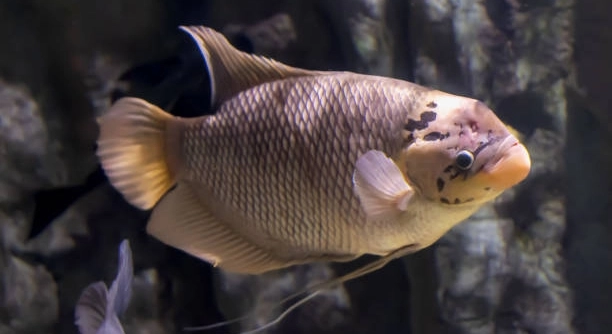
Is your gourami suddenly ignoring its food, leaving you unsure about what is happening in your tank? This behavior can be worrying, especially when you want to ensure your fish stays healthy and active.
One of the primary reasons a gourami may refuse food is stress or illness. Environmental changes, poor water quality, or internal health issues can reduce appetite. Ensuring proper tank conditions and monitoring behavior is essential for recovery and wellbeing.
Understanding why your fish is avoiding meals can help prevent future problems and support its overall health and comfort in the aquarium.
Common Causes of Gouramis Ignoring Food
Gouramis may stop eating for several reasons, most of which are linked to their environment or health. Changes in water temperature, pH, or cleanliness can make them stressed, causing a loss of appetite. Even minor fluctuations in tank conditions can affect their feeding behavior. Overcrowding in the tank is another factor. If there are too many fish, gouramis may feel threatened and avoid eating. Stress from aggressive tank mates can also make them hide and refuse food. Diet plays a role too; if the food type is unfamiliar or unappealing, they may ignore it. Additionally, illness or parasites can significantly reduce appetite. Signs of sickness include lethargy, discoloration, or clamped fins. Observing these behaviors can help identify the reason for their refusal to eat. Providing a stable and clean environment is critical. Consistent feeding schedules and suitable tank conditions support healthy feeding habits and reduce stress in gouramis.
A balanced diet and consistent environment usually encourage gouramis to resume eating naturally. Monitoring water conditions regularly is essential.
Health issues often go unnoticed until they affect appetite. Treating water quality problems, reducing stress, and offering familiar food can restore normal eating habits in gouramis. Observation and quick action are key to preventing long-term health problems.
Adjusting Feeding Habits and Environment
Smaller, more frequent meals can encourage your gourami to eat. Avoid overfeeding and remove uneaten food promptly.
Changing feeding routines can improve appetite. Gradually introducing new foods, such as high-quality pellets, frozen, or live options, can attract your gourami’s interest. Consistency is important—feed at the same time daily. Tank setup also influences feeding; provide hiding spots to reduce stress and ensure the water parameters remain stable. Stress-free, clean conditions often lead to increased activity and willingness to eat. Over time, these adjustments help establish a positive feeding pattern. Watch for any signs of illness or discomfort and address them promptly. A proactive approach ensures your gourami stays healthy and maintains regular eating habits.
Monitoring Water Quality
Regular testing of water is crucial to keep gouramis healthy. Parameters like temperature, pH, ammonia, nitrite, and nitrate levels directly affect their appetite and overall wellbeing. Maintaining stable conditions reduces stress and encourages normal feeding behavior.
Fluctuations in water quality can quickly lead to appetite loss. Gouramis are sensitive to changes in temperature and pH, and even minor spikes in ammonia or nitrite can make them stop eating. Ensuring proper filtration, performing regular water changes, and monitoring chemical levels helps maintain a stable environment. Observing your fish’s behavior after adjustments can indicate whether water quality was the problem. Clean tanks and balanced water conditions promote consistent feeding and overall health.
In addition to chemical testing, keep an eye on tank cleanliness. Remove uneaten food and debris to prevent bacterial growth. Healthy water reduces the risk of infections and supports the immune system, allowing gouramis to regain their appetite faster. Proper water maintenance fosters a calm environment, which encourages active and regular feeding.
Recognizing Illness and Stress
Appetite loss often signals underlying health issues or stress. Early detection can prevent serious problems and promote recovery.
Gouramis under stress or suffering from illness may show physical signs such as faded colors, clamped fins, or unusual swimming patterns. Parasites, bacterial infections, or internal problems can suppress appetite. Stress may result from aggressive tank mates, overcrowding, or sudden changes in the environment. Observing these behaviors closely helps identify the source of the problem. Immediate corrective actions, such as isolating sick fish, treating infections, or improving tank conditions, can restore normal feeding patterns.
Stress management is as important as treating illness. Creating a calm, stable environment, providing hiding spots, and maintaining a proper feeding schedule help reduce stress levels. A balanced diet, clean water, and minimal disturbances encourage gouramis to eat consistently. Monitoring fish daily ensures that any recurrence of illness or stress is addressed promptly, keeping your gourami healthy and active in its aquarium.
Feeding Techniques to Encourage Appetite
Offering smaller portions several times a day can help gouramis regain interest in food. Overfeeding can overwhelm them, while frequent, controlled meals make eating more manageable and less stressful.
Introducing a variety of foods, including high-quality pellets, frozen, or live options, can stimulate appetite. Rotating food types keeps meals interesting and ensures proper nutrition, encouraging your gourami to eat consistently.
Temperature Adjustments
Maintaining the correct water temperature is essential for gouramis’ metabolism and appetite. Temperatures that are too low or high can suppress feeding behavior. Gradually adjusting the tank to the optimal range promotes consistent eating and overall health.
Observation and Daily Care
Daily observation helps detect early signs of stress or illness. Watch for changes in behavior, swimming patterns, or appearance, as these can indicate why your gourami is avoiding food. Early attention prevents serious problems and supports a healthy appetite.
Tank Environment Optimization
Providing hiding spots and minimal disturbances reduces stress in gouramis. Plants, decorations, and calm surroundings encourage comfort, making fish more likely to eat regularly.
FAQ
Why is my gourami refusing to eat even after water changes?
Even with clean water, stress or illness can prevent a gourami from eating. Sudden environmental changes, aggressive tank mates, or internal health issues may be the cause. Monitor behavior, check for signs of sickness, and ensure a calm environment to help restore appetite.
Can temperature affect my gourami’s appetite?
Yes, gouramis are sensitive to temperature fluctuations. Water that is too cold or too warm can slow metabolism and reduce feeding. Keep the tank within the species’ recommended temperature range and adjust gradually if needed. Consistent temperatures promote regular feeding patterns.
How do I know if my gourami is sick?
Symptoms like faded colors, clamped fins, lethargy, unusual swimming patterns, or rapid gill movement can indicate illness. Appetite loss is often one of the first signs. Observing these behaviors helps identify problems early, allowing timely treatment or environmental adjustments.
What type of food should I offer?
High-quality pellets are a good base, but incorporating frozen or live food can stimulate appetite. Rotating between options like bloodworms, brine shrimp, or daphnia ensures proper nutrition and keeps feeding interesting for your gourami.
Could stress from other fish be the reason?
Yes, aggressive or overly active tank mates can intimidate gouramis, making them hide and refuse food. Providing hiding spots and ensuring proper tank size helps reduce stress and encourages normal feeding behavior.
How often should I feed my gourami?
Smaller meals multiple times a day are better than one large feeding. Overfeeding can lead to uneaten food and poor water quality, both of which reduce appetite. Consistency helps gouramis feel safe and promotes regular eating habits.
Is it normal for gouramis to skip meals sometimes?
Occasional skipped meals can happen, especially during minor stress or adjustment periods. However, prolonged refusal to eat indicates a problem that should be addressed, whether it’s illness, poor water conditions, or environmental stressors.
Can water parameters like pH and hardness affect feeding?
Yes, gouramis prefer slightly acidic to neutral pH and moderate hardness. Sudden changes or extreme levels can suppress appetite and stress the fish. Regular testing and gradual adjustments help maintain conditions that support healthy feeding.
Should I isolate a gourami that refuses to eat?
If other fish are causing stress or if your gourami shows signs of illness, isolating it in a separate tank can help. Quarantine reduces stress, allows controlled feeding, and prevents potential disease spread to other fish.
How long can a gourami go without food safely?
Healthy adult gouramis can survive a few days without eating, but prolonged fasting is harmful. Continuous refusal to eat signals a problem that needs addressing, such as water quality, stress, or illness. Monitoring and intervention are important for recovery.
Can adjusting feeding techniques improve appetite?
Yes, offering smaller portions, introducing a variety of foods, and feeding at consistent times can help stimulate appetite. Gradual changes in routine often encourage gouramis to resume normal eating habits.
What role does tank setup play in feeding behavior?
Tank size, decorations, and hiding spots directly affect comfort levels. A well-arranged tank reduces stress, allows safe exploration, and encourages gouramis to feed confidently without feeling threatened.
Are live foods more effective than pellets?
Live foods often stimulate appetite because they mimic natural prey, but pellets provide balanced nutrition. Combining both ensures dietary variety and helps maintain consistent feeding while supporting overall health.
How do I know if my interventions are working?
Monitor your gourami’s behavior, appetite, and appearance daily. Gradual improvement in feeding, increased activity, and brightened colors indicate successful adjustments in water quality, diet, or environment.
Can seasonal changes affect feeding?
Yes, shifts in room temperature, daylight hours, or water temperature can temporarily reduce appetite. Maintaining stable tank conditions helps mitigate these effects and encourages regular eating habits.
Is it necessary to consult a veterinarian for a picky eater?
If your gourami consistently refuses food, shows signs of illness, or fails to regain appetite after environmental adjustments, a veterinarian can provide diagnosis and treatment. Early intervention ensures better recovery and long-term health.
How do I reintroduce food to a stressed gourami?
Start with small, familiar portions and observe reactions. Slowly introduce new options once the fish begins eating consistently. Patience and consistent feeding routines help rebuild appetite and trust in their environment.
What precautions should I take when trying new foods?
Introduce one new food at a time to monitor acceptance and prevent digestive issues. Remove uneaten portions promptly to maintain water quality. Gradual introduction reduces stress and encourages consistent eating habits.
Can water changes be done too often?
Excessive or abrupt water changes can stress gouramis and suppress appetite. Perform regular, moderate changes while maintaining consistent temperature and chemical levels for optimal feeding behavior.
Is hiding behavior always linked to appetite loss?
Not always. Gouramis naturally use hiding spots for comfort, but persistent hiding combined with refusal to eat usually indicates stress, illness, or environmental issues that need attention.
How do I maintain long-term feeding habits?
Consistent feeding schedules, a balanced diet, clean water, and a stress-free environment support long-term appetite. Regular observation ensures any changes in behavior or feeding patterns are addressed promptly.
Are there signs of chronic stress affecting feeding?
Yes, chronic stress can cause prolonged appetite loss, faded colors, aggression, or lethargy. Addressing the source, whether tank mates, environment, or water quality, is crucial for restoring normal eating habits.
Can supplements help stimulate appetite?
Certain vitamin-enriched foods or appetite stimulants designed for fish can encourage eating. Use them cautiously and follow instructions, as overuse can harm water quality or fish health.
What is the best way to combine diet variety and nutrition?
Alternate high-quality pellets with frozen or live foods. Rotating food types ensures balanced nutrition while keeping meals engaging, helping your gourami maintain a consistent appetite.
How important is lighting in feeding behavior?
Proper lighting helps regulate daily routines and activity levels. Bright lights or sudden changes can stress gouramis, reducing appetite. Consistent, moderate lighting encourages normal feeding patterns.
How quickly should appetite return after fixing tank issues?
Appetite may improve within a day or two after correcting water quality, stress, or environmental problems, but complete recovery can take longer depending on the fish’s health and previous stress duration.
What if my gourami still refuses food after all adjustments?
Persistent refusal may indicate underlying illness requiring veterinary care. Further observation, professional assessment, and targeted treatment are necessary to prevent serious health consequences and restore normal feeding behavior.
This FAQ section provides detailed answers to common feeding issues, helping you address causes of appetite loss and support your gourami’s overall health and wellbeing.
Final Thoughts
Watching your gourami refuse food can be stressful, but understanding the potential causes helps you take effective action. Appetite loss is often linked to environmental factors, stress, or health issues, and addressing these areas can make a significant difference. Maintaining a clean, well-balanced tank with stable water conditions is one of the most important steps. Consistent temperature, proper pH, and minimal fluctuations in ammonia or nitrite levels create a comfortable environment where gouramis feel safe to eat. Overcrowding and aggressive tank mates should be avoided, as these can increase stress and suppress feeding. Providing hiding spots and plants allows your fish to feel secure, reducing anxiety that may cause them to ignore food.
Feeding habits also play a key role in restoring appetite. Offering smaller, more frequent meals rather than one large feeding makes eating less overwhelming and encourages consistent consumption. Rotating food types, such as pellets, frozen, and live options, keeps meals interesting and ensures balanced nutrition. Introducing new foods gradually helps your gourami adapt without causing stress or digestive problems. Monitoring behavior closely during feeding times provides valuable information. Signs such as slow swimming, hesitation near food, or unusual interactions with other fish can point to underlying issues that need attention. By adjusting feeding routines and observing reactions, you can support a stable appetite and overall health.
Finally, vigilance and patience are essential. Appetite changes often indicate stress or illness, and early intervention can prevent serious problems. Daily observation of your gourami’s behavior, appearance, and activity level helps identify potential problems before they escalate. If your fish continues to refuse food despite environmental adjustments and proper care, consulting a veterinarian experienced with fish is recommended. Addressing health concerns promptly ensures the best chance of recovery. Supporting your gourami’s wellbeing requires consistent care, clean water, balanced nutrition, and a calm environment. With careful attention and proactive steps, you can help your gourami regain its appetite and thrive in its tank, ensuring a healthy and active life.

Hello,
If you enjoy the content that we create, please consider saying a "Thank You!" by leaving a tip.
Every little bit helps us continue crafting quality advice that supports the health, happiness, and well-being of pets around the world, for pets of all shapes, sizes, and species.
We really appreciate the kindness and support that you show us!