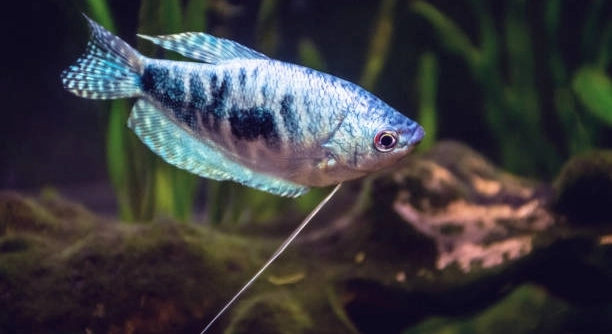
7 Easy Ways to Clean a Gourami Tank

Keeping a gourami tank clean is important for both the fish’s health and the enjoyment of watching them. Many owners struggle with maintaining clarity and freshness in their aquariums over time. Regular care keeps the water safe. The most effective way to clean a gourami tank is by performing partial water changes, gently scrubbing algae … Read more

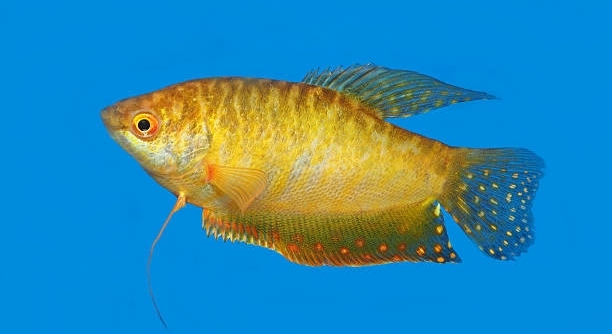
What If Your Gourami Dislikes the New Light?

Do you ever notice your gourami hiding or acting restless when the lighting in its tank changes? Even small adjustments to light intensity or color can affect their comfort and daily routines in surprising ways. Gouramis can react negatively to new lighting due to stress or sensitivity to brightness and spectrum changes. Adjusting gradually, providing … Read more

How to Handle an Aggressive Giant Gourami

Managing a giant gourami can be tricky when it shows aggressive behavior, especially for those new to keeping large freshwater fish in home aquariums. These fish grow quickly and develop strong personalities over time. The most effective way to handle an aggressive giant gourami is by providing a spacious tank, maintaining consistent feeding routines, and … Read more

Can Gouramis Anticipate Your Movements?

Have you ever noticed your gourami reacting before you reach the tank, appearing aware of your presence and routine movements around the room, creating a sense of connection that feels more thoughtful than instinct alone? Research indicates gouramis can anticipate human movements through associative learning, visual cue recognition, and consistent environmental patterns. Repeated exposure allows … Read more

7 Safe Ways to Add New Plants Around Gouramis

Adding new plants to an aquarium can enhance its beauty and provide a healthier environment for your fish. Gouramis enjoy swimming through plants, but sudden changes may stress them, so careful planning is essential for their wellbeing. Introducing plants around gouramis requires gradual adjustment and selecting species that are non-toxic and resilient. Safe methods include … Read more

Why Your Gourami Hangs Out by the Filter Intake

Gouramis are fascinating fish that often show unusual behaviors in home aquariums. One common sight is them lingering near the filter intake. Observing this habit can reveal a lot about their comfort and health. Your gourami stays by the filter intake primarily due to the strong water flow and aeration it provides. This area offers … Read more

7 Best Filters for Large Gourami Tanks

Large gouramis need clean and stable water to thrive, but keeping a big tank healthy can be tricky. Choosing the right filter is essential for maintaining water quality and providing a safe environment for your fish. The best filters for large gourami tanks are powerful, efficient, and capable of handling high water volumes. Canister filters, … Read more

7 Clues Your Gourami Feels Safe With You

Gouramis are delicate fish that show subtle signs when they feel comfortable in their environment. Observing their behavior closely can reveal how secure and relaxed they are around you in your care. Gouramis exhibit trust through specific behaviors such as swimming calmly near you, accepting food directly from your hand, exploring their tank without hesitation, … Read more

What to Do If Your Gourami Is Pushing Tank Walls

Many gourami owners notice their fish repeatedly pushing against tank walls, creating concern about its behavior and health. This action can appear stressful, confusing, and sometimes alarming, prompting questions about the well-being of these delicate freshwater fish. Gouramis often push against tank walls due to stress, insufficient space, or water quality issues. Addressing tank size, … Read more

7 Things That Can Make Gouramis Seem Unresponsive

Gouramis are gentle and colorful fish that bring calmness to any aquarium. Sometimes, they may seem less active or unresponsive, leaving owners concerned about their well-being. Understanding why this happens helps keep them healthy and comfortable. Gouramis may appear unresponsive due to several factors, including poor water quality, inappropriate tank temperature, insufficient hiding spots, stress … Read more