
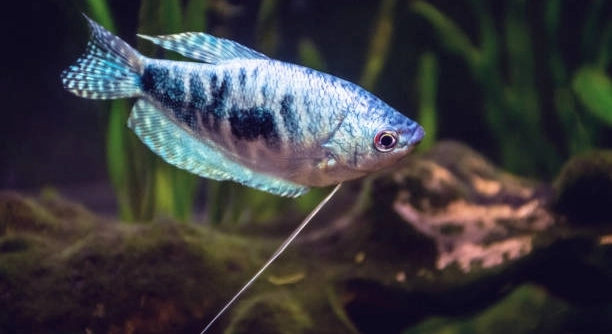
Large gouramis need clean and stable water to thrive, but keeping a big tank healthy can be tricky. Choosing the right filter is essential for maintaining water quality and providing a safe environment for your fish.
The best filters for large gourami tanks are powerful, efficient, and capable of handling high water volumes. Canister filters, hang-on-back filters, and sponge filters offer effective mechanical, chemical, and biological filtration, ensuring stable and clean aquatic conditions.
Selecting the right filter can simplify tank maintenance and support the health of your gouramis for years to come.
Canister Filters
Canister filters are excellent for large gourami tanks because they provide strong filtration and are highly customizable. They sit outside the tank and push water through multiple filter media, removing debris, toxins, and excess nutrients efficiently. Many models allow for biological, mechanical, and chemical filtration all in one unit, keeping the tank water stable and healthy. Canister filters are quiet and can handle high water volumes, making them suitable for tanks with multiple gouramis or other large fish. Maintenance is straightforward, as most canisters have easy-to-clean cartridges and media baskets. While initial setup may take some time, the long-term benefits of clear water and stable conditions are worth it. For tanks that experience heavy feeding or have lots of decorations, canister filters prevent water from becoming cloudy and reduce the risk of algae growth. Investing in a quality canister filter helps maintain a healthy environment, reducing stress and promoting the well-being of your fish.
They offer customizable media options, strong flow rates, and quiet operation, making them ideal for maintaining large gourami tanks efficiently.
Canister filters also help regulate water parameters consistently. They reduce ammonia and nitrite levels, which can harm fish if left unchecked. Their external placement frees up space inside the tank for plants, rocks, and swimming areas. Many models come with adjustable flow settings to prevent excessive water movement that might stress gouramis. Cleaning is simple with pre-filters and removable baskets, so water stays clear without constant effort. Over time, a canister filter can improve the overall health of your tank, making feeding, cleaning, and water testing easier. Proper use ensures your gouramis live longer, healthier lives with fewer sudden health issues caused by poor water quality.
Hang-On-Back Filters
Hang-on-back filters are convenient for medium to large gourami tanks. They hang on the tank edge and draw water through cartridges for easy filtration.
These filters combine mechanical, chemical, and biological filtration effectively. They are easy to install and maintain, allowing for quick media replacement without disturbing the tank. HOB filters provide moderate water flow suitable for gouramis, preventing stress while still circulating water. They are budget-friendly, compact, and fit most tanks without taking extra space. Although not as powerful as canister filters, they are reliable for keeping water clear and healthy, especially for setups with fewer fish or lighter feeding schedules. Some models include adjustable flow rates and multiple media compartments, offering flexibility in filtration types. Hang-on-back filters are also quiet, making them ideal for living spaces where noise is a concern. With regular maintenance, they provide consistent water quality, supporting your gouramis’ growth and well-being over time.
Sponge Filters
Sponge filters provide gentle filtration ideal for gouramis. They use an air pump to pull water through a porous sponge, trapping debris while promoting beneficial bacteria growth. They are quiet, low-maintenance, and perfect for tanks with fry or delicate fish.
Sponge filters support biological filtration efficiently. The sponge surface allows bacteria to colonize, breaking down ammonia and nitrites, which keeps water safe. They do not create strong currents, making them suitable for gouramis that prefer calm water. Mechanical filtration removes floating debris, while the sponge can be cleaned easily in tank water without harming the bacterial colonies. These filters are also energy-efficient and inexpensive to run, making them a practical option for long-term tank management. They work well alone in small setups or alongside other filters for larger tanks.
Maintenance is simple and infrequent. Rinse the sponge in tank water once it becomes clogged, and it will continue to function effectively. Sponge filters also allow for easy observation of the water flow and condition. They are ideal for tanks with sensitive or slow-moving gouramis. Combining a sponge filter with a small HOB or canister filter can create a balanced filtration system, ensuring both water clarity and stability. Their reliability and simplicity make them a favorite for aquarists who want efficient care without constant attention.
Power Filters
Power filters deliver strong flow and effective filtration, suitable for large gourami tanks. They circulate water quickly, removing debris and providing oxygenation. Many models have adjustable flow to suit fish preferences.
These filters handle mechanical, chemical, and biological filtration in one unit. Water is pulled through sponges or pads, then chemical media, before returning clean to the tank. Their high flow rates help prevent dead spots and reduce algae buildup by keeping water moving. Power filters are versatile and can support tanks with high fish loads or frequent feeding. Installation is straightforward, and most units have easy-to-access compartments for media replacement. They also reduce maintenance frequency compared to smaller or weaker filters. Power filters are durable and long-lasting, making them a practical investment for maintaining stable water conditions over time.
Gouramis benefit from power filters because they improve water clarity and oxygen levels. Strong but adjustable flow allows for proper circulation without stressing the fish. These filters also provide space for various media types, which ensures comprehensive filtration. Regular cleaning keeps them efficient, and their consistent performance makes them reliable for daily tank care. Combining a power filter with a sponge or HOB filter can create redundancy, giving extra protection against water quality issues. Their efficiency and adaptability make them an excellent choice for keeping large gourami tanks healthy and balanced.
Undergravel Filters
Undergravel filters pull water through a gravel bed, providing natural biological filtration. They are quiet, low-maintenance, and maintain a stable environment for gouramis.
They are especially useful in planted tanks, as the gravel encourages beneficial bacteria growth while preventing debris from settling at the bottom. Regular vacuuming keeps them effective.
Corner Filters
Corner filters fit neatly in tank corners, saving space while providing moderate filtration. They are simple to install and maintain, suitable for small to medium gourami tanks.
Internal Filters
Internal filters sit fully inside the tank and provide strong mechanical and biological filtration. They are easy to position and adjust, making them versatile for large gourami tanks. Regular cleaning ensures consistent performance and clear water for your fish.
Wet/Dry Filters
Wet/dry filters maximize biological filtration by exposing water to air before returning it to the tank. They are highly efficient, supporting large gourami tanks and heavy bioloads.
FAQ
What type of filter is best for a large gourami tank?
For large gourami tanks, canister filters are generally the most reliable choice. They handle high water volumes, provide mechanical, chemical, and biological filtration, and maintain stable water quality. Hang-on-back or internal filters can also work, especially in tanks with moderate fish loads or simpler setups.
How often should I clean my filter?
Cleaning frequency depends on the filter type and tank conditions. Canister filters usually need maintenance every 4–6 weeks, while sponge filters require gentle rinsing every 2–3 weeks. Hang-on-back and internal filters should have their media checked monthly. Avoid over-cleaning to preserve beneficial bacteria.
Can I use more than one filter in a tank?
Yes, combining filters is effective. For instance, a canister filter paired with a sponge filter can provide strong mechanical filtration while supporting biological filtration. This combination ensures clean, stable water and reduces stress on your gouramis, especially in heavily stocked tanks.
Are sponge filters enough for large tanks?
Sponge filters are great for biological filtration and gentle water flow, but alone they may not handle heavy feeding or large fish loads. They work best in combination with a stronger filter or in smaller setups. Using only a sponge filter in a large tank may require more frequent maintenance.
Do filters affect water flow for gouramis?
Yes, flow matters. Gouramis prefer moderate to calm water, so strong currents can stress them. Adjustable flow filters, such as canister or power filters, allow you to control water movement. Positioning the filter output carefully also helps maintain a comfortable environment.
What filter media should I use for gourami tanks?
A mix of mechanical, chemical, and biological media is ideal. Sponges or pads remove debris, activated carbon removes impurities and odors, and ceramic rings or bio-balls support bacteria growth. Using the right combination ensures water stays clear and safe.
Can filters reduce algae growth?
Indirectly, yes. Filters improve water circulation and remove excess nutrients that algae feed on. Regular cleaning and proper media use help reduce algae buildup. However, lighting control and occasional water changes are also important for algae management.
Is it okay if my filter is noisy?
Some noise is normal, but loud or irregular sounds may indicate a problem, like trapped air, debris, or improper setup. Ensuring proper installation, checking impellers, and maintaining the filter can reduce noise, keeping the tank environment calm for gouramis.
Should I turn off the filter during water changes?
It’s usually best to leave the filter running during partial water changes to maintain circulation and prevent stress for your fish. Only turn it off if you need to clean media or perform maintenance that requires the filter to be stopped safely.
Can a filter handle all tank maintenance?
Filters are crucial but not a replacement for regular care. Partial water changes, gravel cleaning, and monitoring water parameters are still necessary. A good filter reduces effort and supports fish health, but consistent maintenance ensures your gouramis thrive long-term.
How do I know if my filter is working properly?
Check water clarity, observe fish behavior, and test water parameters regularly. Consistent flow, absence of debris buildup, and stable ammonia and nitrite levels indicate proper filter function. Any sudden changes suggest it may need cleaning or adjustments.
Can I use a filter with live plants?
Yes, most filters are compatible with planted tanks. Sponge filters are gentle and ideal for delicate plants, while canister and HOB filters can be adjusted to prevent uprooting. Proper placement ensures circulation without disturbing plant roots.
What’s the easiest filter to maintain for beginners?
Hang-on-back filters and sponge filters are beginner-friendly. They are easy to install, clean, and monitor. Canister filters offer more power and efficiency but require slightly more effort to maintain, making them better for experienced hobbyists or heavily stocked tanks.
Do filters remove all toxins from the water?
Filters remove many toxins, such as ammonia, nitrites, and some chemicals, but they cannot replace water changes or proper tank management. Combining filtration with regular maintenance ensures safe, healthy water for gouramis.
Can I rely on chemical media long-term?
Chemical media like activated carbon is useful but not permanent. It needs regular replacement because it loses effectiveness over time. Relying solely on chemical filtration without biological support can destabilize water quality.
How important is filter placement in the tank?
Proper placement ensures even circulation and prevents dead spots where debris accumulates. Position intake away from delicate plants and output to avoid strong currents. Adjusting flow direction can create a comfortable environment for gouramis while maximizing filtration efficiency.
Are there energy-efficient filters suitable for large tanks?
Yes, sponge filters and modern canister filters are designed to use minimal electricity while maintaining performance. Choosing energy-efficient models reduces costs without compromising water quality, making them practical for long-term aquarium care.
Can I use a filter during feeding?
Filters should remain on during feeding to maintain circulation and oxygenation. Some fine debris may temporarily clog the intake, but regular maintenance prevents buildup. Proper feeding techniques reduce filter overload and help maintain water clarity.
Do filters affect tank temperature?
Most filters have minimal impact on temperature. However, some internal and power filters slightly increase water warmth due to motor operation. Monitor temperature, especially in tropical gourami tanks, to ensure stable conditions.
How do I choose between internal and external filters?
Internal filters are compact, easy to position, and suitable for moderate tanks. External canister filters handle larger volumes and heavier bioloads. Consider tank size, fish population, and maintenance preference when deciding. External filters offer higher efficiency but require more setup effort.
Can filters prevent fish diseases?
While filters improve water quality, they do not directly prevent diseases. Clean, stable water reduces stress and the likelihood of illness, but proper feeding, quarantine, and monitoring remain essential for healthy gouramis.
Is it safe to turn off the filter overnight?
Turning off a filter briefly is generally safe, but long periods without filtration can stress fish and reduce oxygen levels. For large gourami tanks, keeping the filter running continuously is recommended to maintain stable conditions.
Do I need a backup filter?
Having a backup can be useful in case of malfunction or power outages. A simple sponge filter can provide emergency filtration while the main filter is repaired, helping maintain water quality and reduce stress for your gouramis.
How do I know when to replace a filter?
Signs include reduced flow, unusual noises, or damaged components. Regular inspection ensures it continues to function effectively. Timely replacement prevents water quality issues and maintains a healthy tank environment.
Can filters handle tanks with multiple gourami species?
Yes, but larger tanks with multiple gouramis may require higher-capacity filters or a combination of units. Proper filtration prevents waste buildup, stabilizes water chemistry, and accommodates the bioload of diverse gourami populations.
Do filters remove uneaten food effectively?
Filters trap some uneaten food, especially mechanical media, but large particles may settle before being filtered. Regular siphoning and feeding control are still necessary to prevent water quality issues and maintain a healthy tank.
How do I maintain beneficial bacteria in the filter?
Avoid over-cleaning or using tap water with chlorine. Rinse media in tank water to preserve bacteria colonies. Proper bacteria growth supports biological filtration, keeps ammonia and nitrite levels low, and maintains a healthy tank ecosystem.
Can filters work with air stones?
Yes, air stones complement filters by increasing oxygenation and water movement. Sponge filters often use air pumps directly, while other filters benefit from additional aeration to enhance water circulation and support gouramis’ health.
Are there filters specifically for gouramis?
Most standard aquarium filters are suitable. No filter is designed exclusively for gouramis, but models with adjustable flow and gentle circulation work best, catering to gouramis’ preference for calm water while maintaining strong filtration.
How do I choose the right filter size?
Filter size depends on tank volume and fish load. Large gourami tanks require filters rated for higher capacities than the tank size, ensuring adequate turnover and efficient filtration. Oversizing is safer than undersizing to maintain stable water conditions.
Can filters handle cloudy water?
Yes, proper filters remove suspended particles and debris, clarifying water. Mechanical media captures solid waste, while biological and chemical media stabilize water chemistry. Regular maintenance ensures continued effectiveness in keeping water clear.
Do filters require special power outlets?
Most aquarium filters run on standard household electricity. Ensure the outlet is safe from water exposure and consider using a drip loop to prevent accidents. Energy-efficient models help reduce electricity costs without sacrificing performance.
Can filters improve fish behavior?
Filters stabilize water quality, which reduces stress and promotes natural behaviors. Gouramis are more active and healthier in clean, well-oxygenated water. Proper filtration also prevents aggression caused by poor water conditions.
Is it okay to use old filter media?
Old media can be reused for biological filtration, but chemical media like carbon loses effectiveness over time. Rotating or replacing media ensures consistent performance and maintains a safe environment for gouramis.
Can filters remove medication after treatment?
Some chemical media can remove medications, potentially reducing effectiveness. During treatment, it may be necessary to bypass certain media temporarily. Always follow instructions to avoid affecting medication dosage or water quality.
Do filters prevent ammonia spikes?
Filters help manage ammonia by supporting beneficial bacteria, but they cannot eliminate spikes entirely if the tank is overstocked or overfed. Regular monitoring, proper feeding, and partial water changes are necessary to maintain safe ammonia levels.
Are there filters suitable for planted gourami tanks?
Yes, sponge filters, canisters with adjustable flow, and internal filters work well with plants. Gentle circulation prevents uprooting while maintaining water quality, ensuring both plants and gouramis thrive in a balanced environment.
Can filters remove odors from the tank?
Filters with activated carbon or chemical media reduce odors effectively. Regular media replacement ensures continued performance. Proper tank maintenance, including water changes, complements filtration to keep the tank smelling fresh.
How do I prevent filter clogging?
Feed in moderation, remove large debris, and perform regular maintenance. Pre-filters or sponge pads can protect mechanical media from clogging. Efficient placement and flow adjustment help maintain consistent filtration without overloading the system.
Can filters handle sudden increases in waste?
Filters can manage moderate increases, but sudden spikes from overfeeding or adding many fish may overwhelm them. Monitoring water parameters and adjusting feeding or performing partial water changes prevents stress and maintains water quality.
Are filters necessary for gouramis if I change water regularly?
Water changes alone are helpful but cannot replace filtration. Filters continuously remove waste, stabilize chemistry, and support beneficial bacteria. Combining filtration with regular water changes provides the most consistent, healthy environment for gouramis.
Can filters support breeding gouramis?
Yes, filters maintain clean, oxygenated water, which is crucial during breeding. Sponge filters are often preferred for fry tanks to provide gentle circulation without harming small fish while still ensuring biological filtration.
How do I prevent fish from getting sucked into the filter?
Use pre-filters, sponge covers, or adjustable flow to protect gouramis. Position intake areas away from small or delicate fish. Proper precautions prevent injuries while maintaining effective filtration.
Can filters handle coldwater gouramis?
Yes, filters function in a wide temperature range. Ensure flow is appropriate for the species’ comfort, as some gouramis prefer calmer conditions. Avoid overworking pumps in colder water to prevent damage.
Do I need a filter for a single gourami?
Even one gourami produces waste that can affect water quality. A small filter or sponge ensures clean water, reduces maintenance, and provides a stable environment, supporting the fish’s health and activity.
Can filters remove dissolved organics?
Chemical media like activated carbon or specialized resins remove dissolved organics, reducing discoloration and odors. Biological filtration also breaks down organics naturally. Combining media types ensures water clarity and safety for gouramis.
Are filters compatible with all tank sizes?
Filters come in sizes for small to very large tanks. Choosing one rated for the tank volume ensures efficient turnover and prevents water quality issues. Oversizing is safer than undersizing, especially for gouramis in large aquariums.
Can filters work in heavily planted tanks?
Yes, filters with adjustable flow or gentle circulation are ideal. Sponge filters are especially suitable, while canister filters can be set to prevent disturbing plant roots. Proper placement maintains plant health and water quality.
How long do filters last?
With proper maintenance, quality filters can last several years. Parts like impellers or media may need replacement over time. Regular checks and cleaning prolong life and ensure consistent water quality for gouramis.
Can filters remove microplastics from the water?
Filters with fine mechanical media can trap small particles, but not all microplastics are removed. Regular cleaning and partial water changes help reduce microplastic accumulation in the tank.
Are filters safe for gourami fry?
Sponge filters are safest for fry because they provide gentle filtration without strong currents. Canisters or power filters can be used with pre-filters or baffles to protect small, delicate fish while maintaining water quality.
Do filters require priming?
Some canister and internal filters need priming to start water flow. Follow manufacturer instructions carefully. Proper priming ensures efficient operation and prevents air locks that can reduce filtration effectiveness.
Can filters remove nitrates completely?
Filters reduce nitrates indirectly through biological filtration, but they do not eliminate them entirely. Regular partial water changes are necessary to keep nitrate levels safe for gouramis and prevent long-term health issues.
Do filters affect aquarium pH?
Most filters do not significantly alter pH. However, some chemical media or substrate interaction may influence water chemistry slightly. Monitoring pH ensures stability for gouramis’ well-being.
Can filters handle saltwater for gouramis?
Gouramis are freshwater fish, so saltwater conditions are not suitable. Filters for freshwater tanks are sufficient, and using them in saltwater setups is unnecessary and potentially damaging.
How do I choose between biological and mechanical filtration?
Both are necessary. Mechanical filtration removes debris, keeping water clear, while biological filtration supports bacteria that process ammonia and nitrites. Combining both ensures healthy water conditions for gouramis.
Can filters remove tannins from driftwood?
Yes, activated carbon or similar chemical media can reduce tannins that discolor water. Regular replacement maintains effectiveness while keeping water clear without harming gouramis.
Do filters help with cloudy water after a new setup?
Filters help clear cloudy water by trapping particles and supporting bacteria growth. In newly cycled tanks, patience is necessary, as biological filtration takes time to stabilize water conditions.
Are filters necessary in low-stock gourami tanks?
Even lightly stocked tanks benefit from filtration. Filters maintain consistent water quality, reduce stress, and simplify maintenance, supporting healthy growth and long-term fish well-being.
Can filters remove medications after treatment?
Some filters with chemical media may absorb medications. During treatment, it may be necessary to bypass certain media or remove it temporarily to ensure medication effectiveness while keeping biological filtration intact.
Do filters require different care in hard water?
Hard water may lead to mineral buildup in some filter parts. Regular cleaning and checking flow ensure efficient operation. Biological filtration is generally unaffected, but mechanical components may need occasional descaling.
Can filters support a tank with driftwood or rocks?
Yes, but placement matters. Ensure water intake is not blocked and flow does not disturb decorations. Canister filters and HOB units can be positioned to maintain circulation without disrupting the tank setup.
Are filters compatible with aquarium heaters?
Yes, most filters operate alongside heaters. Proper placement ensures even water temperature and circulation. Avoid positioning intake directly against heater outputs to prevent uneven flow or damage.
Can filters handle sudden fish deaths?
Filters help manage increased waste temporarily, but sudden decomposition can spike ammonia. Immediate water changes and monitoring prevent harm to remaining gouramis. Efficient filters reduce the impact but cannot replace emergency care.
Do filters remove floating debris efficiently?
Mechanical media like sponges, pads, or floss effectively remove floating particles. Regular maintenance ensures continued performance and keeps water clear, reducing stress for gouramis.
Can filters support multiple tank compartments?
Yes, some external filters can be split with tubing to support separate compartments. Proper flow and media setup ensure consistent filtration across all areas while maintaining water quality.
Do filters affect oxygen levels?
Filters improve oxygenation by circulating water and increasing surface agitation. This supports gouramis’ respiration and overall health, especially in heavily stocked or densely planted tanks.
How do I troubleshoot a filter not working properly?
Check for clogs, airlocks, or damaged parts. Ensure proper setup and power supply. Cleaning or replacing worn components restores functionality and maintains water quality for gouramis.
Can filters help prevent fish aggression?
Indirectly, yes. Stable water conditions reduce stress, which can decrease aggression. Proper filtration ensures gouramis are comfortable, promoting calmer behavior and better compatibility in community tanks.
Do filters need specific brands for gouramis?
No, any reliable filter with suitable flow and media capacity works. Focus on tank size, fish load, and water conditions rather than brand alone to ensure effective filtration.
Can filters handle sudden overfeeding?
Filters can manage some excess food, but frequent overfeeding may overwhelm them. Remove uneaten food promptly and monitor water quality to prevent ammonia spikes and maintain healthy conditions.
Are filters compatible with CO2 injection systems?
Yes, but strong flow may disperse CO2 quickly. Adjust filter flow to balance circulation while maintaining CO2 levels, especially in planted gourami tanks, to ensure optimal plant and fish health.
Can filters remove fine debris like sand particles?
Mechanical filtration captures larger debris easily. Very fine sand may pass through unless using a sponge or fine pad. Regular maintenance ensures clarity while protecting gouramis from stagnant waste buildup.
Do filters affect water hardness?
Most filters do not alter hardness directly. Some chemical media may slightly influence water chemistry, but regular monitoring ensures conditions remain suitable for gouramis.
Can filters remove oil films from the water surface?
Some filters with surface skimmers or strong circulation can reduce surface films. Manual removal and proper feeding practices complement filtration to keep water clear.
Are there filters suitable for breeding gouramis?
Yes, sponge filters are ideal for fry tanks, providing gentle filtration without harming small fish. Canisters or internal filters may be used with pre-filters or baffles to protect fry while maintaining water quality.
How do I prevent filter intake from blocking?
Check for debris buildup regularly, use pre-filters or sponge covers, and position intakes away from excessive plant material or decorations. Proper maintenance ensures consistent flow and filtration efficiency.
Do filters remove sediment from tap water?
Mechanical media captures particles in tap water, but some fine sediment may pass through. Pre-filtering or letting water settle before adding it to the tank can improve clarity.
Can filters maintain water clarity in heavily stocked tanks?
Yes, high-capacity filters, particularly canisters and power filters, manage heavy bioloads
Large gourami tanks need proper filtration to keep water clean and healthy. Choosing the right filter is one of the most important steps in maintaining a stable environment for your fish. Filters help remove debris, excess food, and waste, while also supporting beneficial bacteria that break down harmful chemicals like ammonia and nitrites. Without a reliable filtration system, large tanks can quickly become unhealthy, stressing your gouramis and increasing the risk of illness. Different types of filters, from canister and hang-on-back units to sponge and internal filters, all serve this purpose in different ways. Each type has advantages and limitations, so selecting the one that fits your tank size, fish load, and maintenance preferences is key.
Canister filters are strong and versatile, making them ideal for very large tanks or setups with many gouramis. Hang-on-back filters are easier to maintain and work well in medium to large tanks, while sponge filters are gentle and perfect for fry or delicate fish. Internal and power filters provide reliable mechanical and biological filtration while sitting inside the tank, saving space and ensuring good circulation. Some setups even benefit from using multiple filters together, combining mechanical and biological filtration to improve water quality and create redundancy in case one filter fails. Considering flow rate is also important because gouramis prefer calm to moderate water currents. Filters with adjustable flow can be tailored to the needs of your fish and the layout of your tank.
Maintaining a filter properly is just as important as choosing the right one. Regular cleaning, replacing worn media, and monitoring water parameters ensures the filter continues to operate efficiently. Avoid over-cleaning biological media, as this can remove beneficial bacteria and destabilize the tank. Filters alone cannot replace water changes and tank care, but they make maintenance easier and more consistent. By investing in a good filter and maintaining it carefully, you create a safe, comfortable environment for your gouramis. Healthy water supports strong fish, reduces stress, and promotes natural behaviors. A well-chosen filtration system is essential for keeping your large gourami tank thriving over the long term.

Hello,
If you enjoy the content that we create, please consider saying a "Thank You!" by leaving a tip.
Every little bit helps us continue crafting quality advice that supports the health, happiness, and well-being of pets around the world, for pets of all shapes, sizes, and species.
We really appreciate the kindness and support that you show us!