
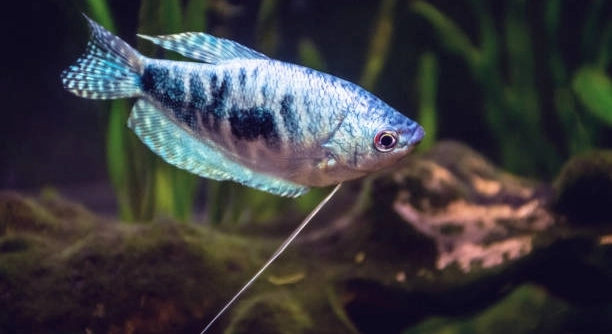
Have you ever noticed your gourami reacting before you reach the tank, appearing aware of your presence and routine movements around the room, creating a sense of connection that feels more thoughtful than instinct alone?
Research indicates gouramis can anticipate human movements through associative learning, visual cue recognition, and consistent environmental patterns. Repeated exposure allows these fish to predict approach behaviors, resulting in timely orientation, movement, and feeding responses that appear intentional rather than random.
Behavior, memory, and tank dynamics shape these responses, revealing how daily interactions influence gourami awareness and adaptive aquarium behavior patterns.
How Gouramis Learn Daily Patterns
I have noticed gouramis rely on repeated routines rather than instinct alone. When the same person approaches the aquarium, feeds at similar times, or performs maintenance consistently, these fish begin linking movements with outcomes. Visual cues like shadows, hand position, and body direction matter. Gouramis also pay attention to vibrations and light changes caused by nearby steps. Over time, their brains store these patterns, allowing faster responses. This learning process helps them conserve energy and reduce stress. Instead of reacting late, they position themselves early near feeding areas or hiding spots. Such behavior reflects adaptive intelligence shaped by captivity. A stable environment strengthens recognition, while frequent changes slow it. Predictability supports confidence, which explains why gouramis in calm tanks appear more attentive. Their responses feel intentional because learning improves timing, accuracy, and consistency across repeated interactions. This quiet awareness develops gradually and remains dependent on repetition and gentle human behavior.
Gouramis anticipate movement because memory forms through repetition, not reasoning. They associate people, light shifts, and feeding tools with outcomes. This anticipation improves survival behaviors in aquariums, where regular schedules reward attentiveness and reinforce learned responses over time and create patterns that support calm, confident behavior during daily care routines.
I often see stronger anticipation in tanks with minimal disruption. Sudden rearranging, loud noise, or inconsistent feeding reduces learned responses. Gouramis thrive when observation is possible without pressure. Clear glass, steady lighting, and gentle movements help them track patterns accurately. Over weeks, they adjust positioning and swimming speed before interaction begins. This adjustment reflects comfort, not dependence. When routines change slowly, anticipation adapts rather than disappears. These fish remain alert but not reactive, showing balanced awareness. Understanding this behavior helps owners maintain environments that support natural learning without overstimulation or stress. Consistency allows intelligence to express itself through calm behavior.
What This Means for Daily Care
Anticipation shows gouramis feel secure in their surroundings. When they recognize patterns, stress lowers and activity becomes focused. This awareness does not mean attachment, but it signals comfort with routine, space, and the person maintaining the aquarium consistently over time as interactions remain calm, predictable, and respectful of their behavior.
I keep routines simple because gouramis respond best to clarity. Approaching the tank slowly, feeding at similar times, and avoiding sudden gestures supports learning. These fish observe before acting, so patience matters. When anticipation appears, it should not be exploited. Tapping glass or teasing movement creates confusion and stress. Instead, consistent care strengthens trust in the environment. Tank placement also matters. High traffic areas with constant motion reduce focus, while quieter spaces allow better recognition. Lighting schedules influence awareness as well. Stable day and night cycles help gouramis predict activity without overstimulation. Overfeeding or irregular maintenance interrupts these patterns. Clean water, familiar tools, and steady behavior promote confidence. Anticipation then becomes a sign of wellbeing rather than alertness to threat. By respecting how gouramis learn, owners encourage natural responses. The result is a fish that reacts smoothly, maintains balance, and remains engaged without appearing tense or withdrawn during daily interactions. This approach supports long term stability and reduces unnecessary stimulation. Observation replaces control, allowing behavior to develop naturally. Over time, anticipation blends into routine presence, creating a calm dynamic where care feels expected, measured, and nonintrusive for both keeper and fish within the aquarium environment as patterns remain unchanged consistently.
Recognizing Anticipation Beyond Feeding
Anticipation can also appear during non feeding moments. Gouramis may shift position when someone enters the room or pauses near the tank. This response reflects awareness, not excitement. It shows they notice movement patterns and adjust calmly without frantic swimming or defensive behavior over time within familiar environments daily settings.
From my experience, gouramis become more predictable as observation increases. They pause, angle their bodies, and wait rather than darting away. This behavior suggests processing rather than reflex. Visual memory plays a strong role, especially with consistent lighting and tank placement. When these elements stay stable, anticipation improves. Sudden changes interrupt this awareness and cause hesitation. Repeated calm exposure allows recognition to deepen. Over time, responses appear smoother and more measured. This pattern highlights learning rather than instinct, shaped by daily interaction and environmental stability. I notice this most during quiet evenings with limited external movement around the aquarium area.
Anticipation does not mean emotional attachment, and I remind myself of that often. Gouramis respond to predictability because it reduces effort and stress. Knowing what happens next allows them to conserve energy. This response is practical, not personal. Still, it creates smoother interactions during feeding and maintenance. When I move slowly, they adjust early. When I rush, they hesitate. These reactions reflect environmental reading rather than trust. Respecting this distinction helps maintain healthy expectations while supporting natural behavior. It also prevents misinterpretation of intelligence as affection within controlled aquarium settings where routines dominate daily fish responses over extended periods consistently.
Environmental Factors That Shape Awareness
Tank setup strongly influences anticipation strength. Clear sightlines, stable decor, and minimal reflections help gouramis read movement accurately. Crowded tanks reduce focus. Background motion confuses recognition. When space feels predictable, responses become calmer. This shows environment shapes behavior as much as routine. Small adjustments often improve awareness without changing feeding schedules. I prefer simple layouts because they support consistent visual learning over time and reduce unnecessary sensory overload inside enclosed aquarium spaces during daily observation.
Lighting schedules matter more than many realize. Sudden brightness shifts disrupt anticipation and trigger defensive movement. I keep lighting gradual to support pattern recognition. External reflections also interfere with visual cues. Positioning tanks away from windows helps. Sound vibration contributes as well. Heavy footsteps or loud rooms reduce clarity. When these factors stay controlled, gouramis respond earlier and with less tension. This consistency supports learning without forcing interaction. Anticipation then remains subtle, not exaggerated. Care becomes smoother, and fish appear balanced rather than reactive. Environmental management plays a quiet but powerful role in shaping behavior over time. I adjust these elements gradually to avoid stress and preserve learned responses. This approach keeps anticipation natural and aligned with stable care routines without overstimulation or confusion developing.
Understanding Learned Movement Recognition
Gouramis rely on visual consistency more than complex thought. When movement repeats, they store it as reference. I notice they react earlier once patterns stabilize. This response is efficient, not emotional. It helps them navigate confined spaces with less stress during regular maintenance and feeding routines in home aquariums daily.
I adjust my movements because gouramis notice small changes. Slow approaches keep anticipation calm. Fast gestures disrupt learned timing. Over time, consistency shapes their behavior. This awareness supports smoother care and reduces sudden reactions that can cause unnecessary stress during routine tank interactions for fish and keepers alike over time.
How Anticipation Supports Daily Stability
Gouramis use anticipation as a tool for efficiency. They position themselves where activity usually occurs. I see them hover near familiar zones before feeding or cleaning begins. This behavior reflects learning through repetition and environmental cues. Vision, vibration, and light changes all contribute. When these signals align, responses become smoother. Disruptions reset timing and reduce clarity. Stable surroundings allow anticipation to develop naturally. It remains flexible, adjusting with gradual routine changes. This balance helps gouramis stay alert without appearing restless or defensive in everyday aquarium care while supporting consistent behavior during repeated human interactions within controlled home tank environments daily.
When Anticipation Fades
Anticipation weakens when routines change too quickly. I notice hesitation after rearranging decor or altering schedules. Gouramis need time to adjust. Gradual shifts protect learned responses. This approach keeps behavior steady and reduces confusion during care, observation, and maintenance over long periods in stable home aquarium settings daily for fish.
How do gouramis recognize human movements?
Gouramis use visual cues, repeated exposure, and environmental consistency to recognize human movements. I’ve observed them track approaching hands, shifts in body position, and shadows across the tank. Their brains process these cues through associative learning, linking actions to outcomes like feeding or maintenance. Over time, repeated exposure helps them predict what will happen next. Movement speed, angle, and location all influence their response. Slow, consistent actions allow anticipation, while sudden gestures often startle them. Lighting and reflections also play a role. In tanks with stable surroundings, recognition develops faster, and reactions appear smoother, as fish can read subtle signals without confusion.
Do gouramis anticipate only feeding times?
No, anticipation extends beyond feeding. I notice my gouramis reacting when I approach the tank, pause near it, or even walk by the room. They often adjust swimming paths or hover near familiar areas. This behavior stems from consistent patterns rather than hunger. Visual memory and environmental cues guide responses, creating predictability. Over time, they anticipate human presence during cleaning, water changes, and light adjustments. While feeding reinforces anticipation, daily routines and repeated exposure are equally influential. Stable environments and calm movement enhance recognition, reducing stress and producing smoother, more measured reactions across different daily activities in the aquarium.
Why do some gouramis react more quickly than others?
Individual temperament and previous experience affect anticipation. I’ve seen some gouramis respond instantly, while others remain cautious. Fish that are naturally bold or have had longer exposure to predictable routines tend to react faster. Tank layout and environmental stability also matter. Crowded tanks or sudden changes reduce the accuracy of learned responses. Lighting consistency, minimal reflection, and quiet surroundings support recognition. Gradual repetition strengthens timing and positioning. Over time, even shy individuals improve if conditions remain steady. Observing these differences has helped me understand that anticipation develops gradually and is influenced by both personality and environment rather than uniform intelligence across all gouramis.
Can anticipation be harmful to gouramis?
Anticipation itself is not harmful, but stress from sudden disruptions can interfere with learned behavior. I’ve noticed hesitation or frantic swimming when routines change abruptly. Overfeeding or inconsistent timing also undermines predictability. When environments are stable, anticipation reduces stress by allowing fish to prepare for events. Sudden or forced interactions may trigger defensive responses. Controlled routines, slow movements, and gradual environmental adjustments maintain natural behavior. Supporting anticipation helps maintain calm, predictable responses rather than creating overstimulation. Proper management ensures that learned awareness becomes an advantage for comfort and efficiency rather than a source of tension within home aquarium life.
How can I encourage anticipation safely?
Consistency is key. Approaching the tank slowly, feeding at similar times, and keeping tools and movements predictable helps gouramis learn patterns. I avoid tapping glass or teasing movement because that creates confusion. Stable lighting, minimal reflections, and quiet surroundings improve recognition. Small, gradual changes in routine allow fish to adjust without stress. Tank placement matters too; I position aquariums away from high traffic areas. Maintaining clear sightlines and predictable decor supports learning while preventing overstimulation. With patience and regular, calm interaction, anticipation strengthens naturally, allowing smoother responses and healthier behavior without forcing or overtraining.
Do all gouramis anticipate in the same way?
No, anticipation varies among individuals and species. Some gouramis are more observant, while others react only to feeding cues. I’ve seen differences even within the same tank. Personality, prior experience, and tank environment influence how quickly and accurately fish anticipate. Stable routines and calm human presence improve recognition for all individuals, but natural variation remains. Observation over weeks shows differences in positioning, speed, and focus. Some hover near activity zones early, while others wait until the last moment. Understanding these differences helps me manage expectations and design routines that support the natural learning pace of each fish, keeping care stress-free.
How long does it take for gouramis to anticipate movements reliably?
The timeline varies. In my experience, consistent daily exposure over weeks is usually enough for noticeable anticipation. Bold or highly observant fish may show responses within a few days, while more cautious ones require longer. Environmental stability accelerates learning. Lighting, layout, and minimal disruptions help fish process visual and vibrational cues efficiently. Gradual repetition is more effective than forcing interaction. Sudden changes reset timing. With steady routines, anticipation becomes reliable, allowing gouramis to adjust positioning, swimming speed, and alertness predictably. This process emphasizes patience, observation, and consistency for fostering natural awareness and smoother interactions in a home aquarium.
Can anticipation change over time?
Yes, anticipation can fluctuate based on routine, environment, and individual health. I’ve seen fish that learned patterns respond quickly initially but slow down after changes in feeding schedules, tank rearrangement, or illness. Returning to consistency restores anticipation gradually. Stress, water quality, and environmental disruptions reduce clarity of cues, causing hesitation or defensive behavior. Conversely, stable routines and calm human movement reinforce recognition over time. Observation allows me to adjust care methods to maintain learned responses. Anticipation is dynamic, reflecting ongoing interaction between routine, environment, and fish behavior rather than a permanent fixed trait.
Gouramis are more observant than they might first appear. Over time, they begin to notice repeated movements, patterns, and routines in their environment. This awareness develops through visual cues, environmental consistency, and repeated exposure rather than complex reasoning. In my experience, even small daily actions, like approaching the tank, shifting near it, or adjusting lighting, are noticed and remembered. Gouramis respond with subtle changes in swimming direction, body angle, or position near areas where activity usually occurs. These responses are not random or purely instinctive. They reflect the fish’s ability to link predictable human actions with outcomes such as feeding or maintenance. This kind of learning helps them conserve energy, reduces stress, and allows smoother interactions within a controlled home aquarium setting. When the environment remains stable, reactions appear more precise and calm, demonstrating that anticipation is built on familiarity and consistency rather than emotional attachment.
Supporting anticipation in gouramis requires patience and attention to their surroundings. I have found that slow, consistent movements create the best results. Sudden gestures or abrupt changes in routine often confuse the fish, slowing their response and causing unnecessary stress. Tank setup is equally important. Clear sightlines, minimal reflections, and predictable decor help fish recognize cues without distraction. Lighting schedules also play a role; gradual changes support recognition, while sudden brightness shifts can reset their learned patterns. Daily routines, such as feeding at similar times and performing maintenance in a predictable manner, allow anticipation to strengthen naturally. Over time, the fish adjust their positioning and swimming patterns to align with these routines. This process is gradual and requires consistent care but leads to calmer, more measured responses. It is important to remember that anticipation should never be forced or used as a form of stimulation, as this can disrupt learned behavior and create stress.
Observing how gouramis anticipate movement provides insight into their intelligence and adaptability. They are capable of processing visual and environmental information to prepare for upcoming events, demonstrating learning and memory in a simple but effective way. I have seen that anticipation varies among individual fish based on temperament, prior exposure, and environmental conditions. Bold fish may respond quickly, while shy or cautious ones need more time to adjust. Changes in routine, tank layout, or care practices can temporarily weaken these responses, but consistent repetition restores them. Understanding these patterns allows me to maintain stable conditions and manage expectations for each fish’s behavior. Overall, anticipation reflects a balance between environmental awareness and learned responses. When supported properly, it enhances the quality of life for gouramis, reduces stress, and creates a predictable, calm dynamic within the aquarium. Paying attention to these details helps maintain an environment where anticipation develops naturally and safely, allowing both the fish and I to interact in a measured, stress-free manner.

Hello,
If you enjoy the content that we create, please consider saying a "Thank You!" by leaving a tip.
Every little bit helps us continue crafting quality advice that supports the health, happiness, and well-being of pets around the world, for pets of all shapes, sizes, and species.
We really appreciate the kindness and support that you show us!