7 Environmental Problems for Gourami

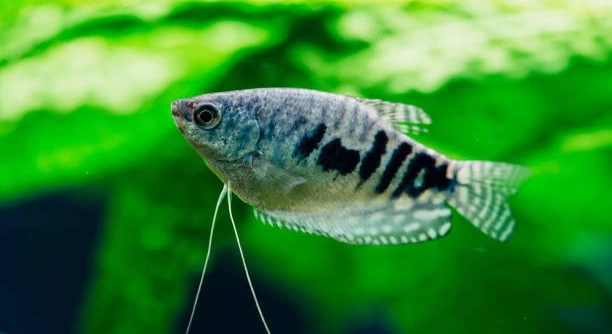
Gouramis are popular freshwater fish often kept in home aquariums for their bright colors and peaceful nature. However, they can face several environmental challenges that affect their well-being and longevity in captivity. Understanding these problems is essential for responsible care. The primary environmental problems for gouramis include poor water quality, incorrect temperature, inadequate tank size, … Read more
What Makes Gourami Act Restless?

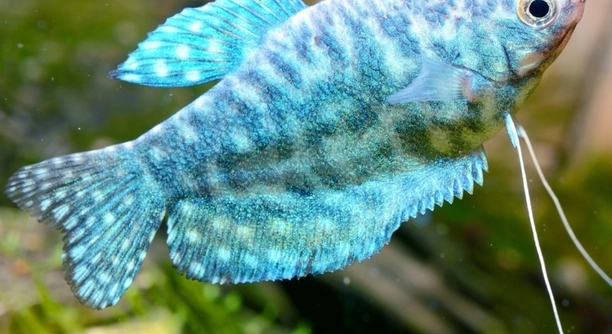
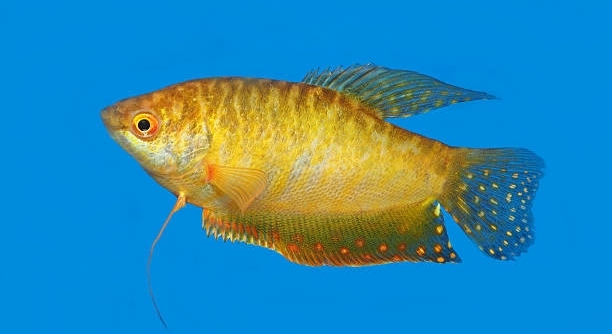
Gouramis are popular freshwater fish known for their unique behaviors and vibrant colors. Sometimes, these fish show restless movements that can concern their owners. Understanding what causes this behavior is important for maintaining a healthy aquarium environment. Restlessness in gouramis is often caused by environmental stressors such as poor water quality, incorrect temperature, overcrowding, or … Read more

Why Do Gourami Flare Their Fins?

Gourami fish are known for their beautiful and vibrant appearance, but they are also fascinating creatures with unique behaviors. One such behavior is flaring their fins. This action is often seen in various situations, leaving us intrigued. Flaring their fins is a natural display used by gourami fish to communicate with others, often indicating territory … Read more

7 Sounds Gourami Might React To

Gourami fish are known for their unique behaviors, including how they respond to different sounds in their environment. Understanding what triggers these reactions can help improve their care. Knowing the sounds they react to can also enhance your interactions with them. Gouramis can respond to various sounds, such as tapping on the tank or vibrations … Read more

How Gourami Respond to Rearranged Tanks

Gouramis are popular aquarium fish known for their calm behavior and interesting interactions with their environment. When their tank layout changes, their responses can vary depending on how drastic the rearrangement is. Understanding their reactions helps create a better home for these fish. Gouramis typically show stress and territorial behaviors when their tanks are rearranged … Read more

Can Gourami Detect Tank Vibrations?

Do your fish sometimes act oddly when someone walks by the tank or when there’s a sudden knock nearby? Gourami can detect tank vibrations through their lateral line system, a sensory organ that responds to changes in water movement and pressure. This helps them sense disturbances, navigate their environment, and avoid potential threats. While this … Read more

Do Gourami Like Plants With Big Leaves?

Gouramis are popular aquarium fish known for their vibrant colors and calm nature. Many hobbyists create planted tanks to mimic natural environments. Plants with big leaves are often chosen for their visual appeal and sheltering qualities in aquariums. Gouramis generally appreciate plants with large leaves as they provide ample hiding spots and resting areas. These … Read more

7 Tips for Lowering Gourami Aggression

Gouramis are popular freshwater fish known for their vibrant colors and unique behaviors. However, aggression among gouramis can cause stress and harm within a tank. Managing their behavior is essential for maintaining a peaceful aquarium environment. Reducing gourami aggression involves several practical strategies such as providing adequate space, ensuring proper tank setup, maintaining consistent water … Read more

How to Introduce New Gourami Safely

Are your gouramis often shy or stressed when you bring new fish home? Introducing new tank mates can be tricky for them. It’s important to create a calm and safe environment from the very beginning. The safest way to introduce new gourami is through a gradual acclimation process involving quarantine, temperature matching, and slow introduction … Read more

7 Best Water Parameters for Calm Gourami

Do your gouramis seem stressed or inactive, even when everything else in the tank looks just right? The best water parameters for calm gouramis include a pH level of 6.0 to 7.5, temperature between 74–82°F, low ammonia, moderate hardness, and stable nitrate levels. These conditions support their natural behavior and health. Maintaining these settings can … Read more