
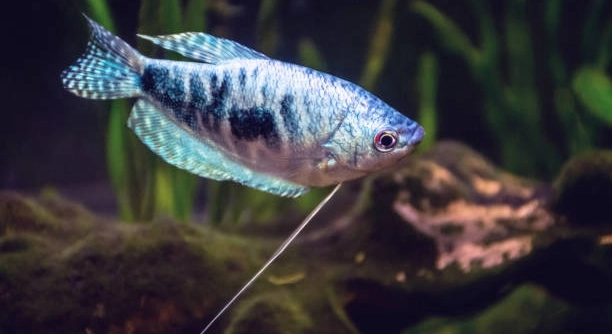
Gourami fish are known for their unique behaviors, including how they respond to different sounds in their environment. Understanding what triggers these reactions can help improve their care. Knowing the sounds they react to can also enhance your interactions with them.
Gouramis can respond to various sounds, such as tapping on the tank or vibrations from nearby objects. These sounds may either excite or stress the fish depending on the tone and frequency, influencing their behavior and activity levels.
Recognizing the sounds that affect your gourami can help create a more comfortable and enriching environment for them.
The Role of Tank Vibration
Vibrations in the tank can have a noticeable impact on gouramis. These fish are particularly sensitive to changes in their environment. When there is a vibration, whether from tapping the glass or moving nearby, gouramis can become more active or exhibit signs of stress. This sensitivity is tied to their natural instincts, which help them detect movements in their surroundings. While some vibrations may excite them, others, especially sudden ones, can make them feel threatened. In a tank, it’s essential to minimize disruptions, as constant vibrations may lead to stress or confusion for the fish.
Vibrations can make gouramis feel insecure, leading them to hide or swim frantically. They may also lose interest in eating or become more agitated when exposed to constant shaking.
Over time, excessive exposure to frequent vibrations can alter a gourami’s behavior. This stress might lead to health issues, such as a weakened immune system, making them more vulnerable to diseases. It’s crucial to maintain a calm and stable environment to avoid these negative effects.
The Impact of Sound Frequency
The frequency of sounds also plays a significant role in how gouramis react. Low-frequency sounds, such as a deep hum from a nearby filter, are generally more tolerable for them. However, higher-pitched sounds, like tapping on the tank glass or sudden loud noises, can startle them. It’s important to be mindful of the type and volume of sounds around your aquarium. Gouramis may respond to high-pitched noises by becoming stressed or hiding.
Maintaining a peaceful atmosphere by limiting loud, high-pitched sounds can help keep your gourami calm and healthy. A quieter tank setting promotes a more comfortable environment for them to thrive.
The Effect of Water Movements
Water movement, such as the flow from a filter, can affect gourami behavior. They may find high-flow environments overwhelming or stressful, especially if the current is too strong. Many gouramis prefer slower, calmer waters where they can move without fighting against the current. Excessive water movement can lead to fatigue, making them less active.
If the water flow is too fast, gouramis may retreat to quieter areas of the tank, avoiding open spaces. They tend to swim more leisurely in slower currents, making them feel safer. Tank decorations that break the current, such as plants or rocks, help create more suitable areas where gouramis can rest or explore without the strain of constant water movement.
When adjusting the filter or water flow, it’s essential to observe how your gouramis react. Some may adapt to moderate flow, but others may find even minimal movement too unsettling. Finding a balanced flow allows them to feel at ease, promoting healthier behavior and overall well-being.
Noise from the Surrounding Environment
External noises, like household sounds or background chatter, can influence gouramis. While they are not necessarily drawn to these sounds, they do react to loud or sudden noises. High-pitched sounds, in particular, can cause stress. Loud noises from televisions, music, or conversations may startle them.
Even if the sound is not directed at the tank, it can disturb their peaceful environment. Gouramis have an acute sense of hearing that helps them detect potential threats in the wild. When exposed to unfamiliar or loud noises, they may exhibit erratic swimming patterns or hide. Over time, this could affect their overall health.
To maintain a calm and stable environment, it’s best to place the aquarium in a quieter area of your home. Minimizing exposure to loud sounds ensures that your gouramis can enjoy a peaceful habitat, reducing stress and allowing them to focus on more natural behaviors like feeding and interacting with other fish.
The Sound of Tapping on the Tank
Tapping on the tank glass can provoke strong reactions in gouramis. It’s a sound that often indicates a disturbance in their environment. When you tap on the glass, the fish may become startled or stressed, leading them to hide. They associate this noise with potential danger.
Since gouramis are sensitive to vibrations, even a light tap can feel overwhelming to them. It’s best to avoid tapping the tank glass, as repeated exposure can cause them anxiety. Instead, use other ways to interact with your fish, such as feeding them or gently observing them without causing disruption.
The Impact of Footsteps Around the Tank
Footsteps near the aquarium can also cause a reaction in gouramis. The vibrations from walking can be perceived as disturbances, making the fish uneasy. This could lead to changes in their behavior, such as hiding or swimming erratically.
Gouramis, while not visually reactive to movement like some other fish, do sense vibrations through the water. Continuous movement around the tank may stress them out, making it harder for them to feel secure in their environment. Maintaining a peaceful atmosphere around the tank is key to keeping your fish calm.
Sudden Changes in Ambient Noise
Sudden changes in ambient noise, such as a door slamming or a loud appliance turning on, can startle gouramis. These unexpected sounds disrupt their calm and can lead to visible stress. Over time, this could affect their behavior and health.
FAQ
What sounds do gourami fish like?
Gouramis generally prefer calm and gentle sounds in their environment. Low-frequency vibrations, like the hum of a filter, are usually well tolerated. They are more comfortable with consistent, subtle sounds than sharp, sudden noises. Sounds that mimic natural surroundings, such as soft water movements, can also be soothing for them.
Can loud noises hurt gourami fish?
Yes, loud or sudden noises can cause stress in gouramis. High-pitched sounds, like tapping on the tank glass or loud music, can be unsettling. These noises might make the fish feel threatened and cause them to hide or swim erratically. Over time, frequent exposure to loud sounds could lead to long-term stress and behavioral changes.
How do vibrations affect gourami fish?
Vibrations can have a noticeable effect on gouramis. They are sensitive to vibrations in their tank, and sudden movements can cause them to feel threatened. If the tank is exposed to constant shaking or vibrations, it may make the fish anxious. To maintain their comfort, it’s important to minimize unnecessary movements or disruptions near the tank.
Is it okay to tap on the aquarium glass?
It is best to avoid tapping on the aquarium glass, as it can startle your gourami fish. The tapping noise causes vibrations that disrupt their environment. Even light taps can stress them out. Instead of tapping, it’s better to observe your fish quietly, keeping the tank’s environment peaceful and calm.
Do gouramis react to human voices?
Gouramis may not respond to human voices in the same way other pets do, but they can hear sounds. While they may not recognize specific words or tones, loud voices or sudden conversations near the tank can cause them to become stressed. Keeping noise levels around the tank low helps them stay calm and comfortable.
Can a noisy filter upset gourami fish?
A noisy filter can potentially upset gourami fish, especially if it produces a loud hum or gurgling sound. Fish are sensitive to the sounds and vibrations from the filter. If the noise is too loud, gouramis may retreat or swim less actively. To reduce stress, choose a quieter filter or place the aquarium in a location away from noisy environments.
How does water flow affect gouramis?
Water flow can have a significant impact on gouramis. They generally prefer calm waters and may become stressed if the current is too strong. If the water movement from the filter or aerator is too fast, gouramis might struggle to swim comfortably. Adjusting the flow or adding tank decorations that break up the current can create a more suitable environment for them.
Why do gouramis hide when there’s noise?
Gouramis hide in response to noise because they associate loud sounds with potential danger. As a natural defense mechanism, they seek shelter when they feel threatened. Consistent exposure to noise can make them more prone to hiding, even when there’s no immediate threat. A quieter, more stable environment will help them feel more secure and reduce this behavior.
Are gourami fish sensitive to the vibrations of footsteps?
Yes, gouramis can be sensitive to the vibrations caused by footsteps around the tank. They perceive these vibrations as disruptions to their environment, which can cause them stress. The more frequent the movement around the aquarium, the more likely they are to hide or become anxious. Keeping the area around the tank quiet will help minimize this stress.
What can I do to reduce stress from noise and vibrations for my gourami?
To reduce stress caused by noise and vibrations, place your aquarium in a quieter part of the home, away from busy areas with heavy foot traffic. Avoid tapping on the glass and keep loud music or conversations to a minimum. Additionally, ensuring that the filter is running quietly and adjusting water flow can help maintain a peaceful environment for your gouramis.
Do gouramis react to other fish in the tank?
Gouramis may react to other fish, especially if the tank is crowded or there are aggressive species present. They are peaceful fish by nature but can become stressed if there is constant competition for space or food. Keeping compatible tank mates and ensuring adequate space will reduce stress and promote better interactions among fish.
How can I tell if my gourami is stressed by sound?
Signs of stress in gouramis include hiding, erratic swimming, loss of appetite, or unusual behavior such as gasping at the surface. If your gourami seems to be reacting to sound, such as hiding whenever you approach or showing signs of anxiety when there’s noise, it could be a sign that the sounds around the tank are too overwhelming.
Final Thoughts
Gouramis are sensitive to various factors in their environment, including sounds and vibrations. While they are resilient fish, they rely on a calm and stable habitat to thrive. It’s essential to understand that even subtle changes in their surroundings, such as noise or water flow, can cause them stress. If you want your gouramis to remain healthy and active, minimizing disturbances like loud sounds or strong water currents is crucial. A peaceful tank environment helps your fish feel secure, encouraging natural behaviors and reducing anxiety.
Pay attention to how your gouramis react to different noises and water movements. While they can adapt to gentle, continuous sounds like the hum of a filter, sudden loud noises can startle them. Over time, these disturbances may lead to stress, affecting their behavior and overall well-being. By ensuring the tank is placed in a quieter area of your home, adjusting the water flow to suit their needs, and avoiding unnecessary tapping or noise, you can create a more comfortable environment for your fish. Remember, small adjustments can make a significant difference in how your gouramis respond.
In conclusion, creating a calm and stress-free environment is vital for your gouramis’ health. Whether it’s reducing loud noises, controlling water flow, or simply observing them without causing disruptions, these simple actions contribute to their well-being. By being mindful of their sensitivity to sounds and vibrations, you help ensure they live in a stress-free, comfortable space that promotes their long-term happiness and health. With a little attention and care, your gouramis can thrive and display their natural, peaceful behaviors.

Hello,
If you enjoy the content that we create, please consider saying a "Thank You!" by leaving a tip.
Every little bit helps us continue crafting quality advice that supports the health, happiness, and well-being of pets around the world, for pets of all shapes, sizes, and species.
We really appreciate the kindness and support that you show us!