
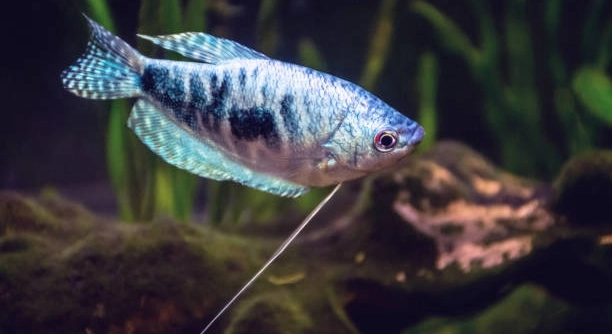
Do your fish sometimes act oddly when someone walks by the tank or when there’s a sudden knock nearby?
Gourami can detect tank vibrations through their lateral line system, a sensory organ that responds to changes in water movement and pressure. This helps them sense disturbances, navigate their environment, and avoid potential threats.
While this sensitivity helps them stay safe, it also means loud noises or tapping on the tank can cause stress.
How Gourami Sense Vibrations in Water
Gourami have a special way of sensing what happens around them. Their bodies include a lateral line system, which runs along the sides of their bodies. This line is made up of small sensory cells that detect movements and vibrations in the water. When someone knocks on the tank or even walks too hard nearby, the resulting vibrations travel through the water. The lateral line helps the Gourami respond quickly. This system is also useful for finding food, avoiding objects, and staying aware of other fish. It plays an important role in how they live and stay safe in their tank environment. Even subtle vibrations can cause them to act differently, like darting away or hiding. Because of this, keeping the tank in a quiet area helps reduce stress. Vibrations from loud music, tapping, or heavy movement around the tank can lead to changes in behavior and health over time.
Loud or repeated vibrations can stress Gourami and may cause them to become skittish, lose color, or hide more often than usual.
It’s helpful to place the tank on a stable surface away from speakers, televisions, or heavy foot traffic. Try to avoid sudden noises near the aquarium as well. Calm surroundings will help your Gourami feel safe.
Signs Your Gourami Is Feeling Stressed
Changes in behavior are often the first sign your Gourami may be sensing too much vibration around their tank.
You might notice your Gourami darting back and forth or staying in one corner of the tank for a long time. They might eat less or start showing faded colors, which are all signs of stress. Sometimes, they will hide behind plants or decorations, avoiding open areas. This kind of behavior may be linked to constant noise or vibration nearby. If your Gourami were active and curious before but now seem nervous or slow, it’s worth checking their surroundings. Vibrations can come from things like loud appliances, busy hallways, or people tapping on the tank glass. Stress caused by these conditions doesn’t just affect behavior. It can also weaken the immune system, making them more prone to illness. Keeping an eye on these changes helps you catch problems early. Once the stress source is gone, they usually return to normal behavior.
What You Can Do to Reduce Vibrations
Keep the tank away from common sources of vibration like speakers, washing machines, and TVs. Choose a low-traffic spot in your home where people won’t bump into or walk heavily near the aquarium. A solid, level stand also helps absorb movement.
Using a thick mat under the aquarium stand can reduce small floor vibrations from reaching the tank. Rubber or foam pads work well. Avoid placing the tank directly on windowsills or surfaces that vibrate when doors close. If your flooring shakes easily, placing the tank near a corner wall can help minimize that. You can also lower the tank’s water level slightly if it sloshes too much when there’s movement nearby. Limiting the amount of time kids or guests spend tapping or knocking on the glass is important too. Even soft taps can seem much louder and more intense underwater than they feel to us.
Some vibrations come from inside the tank. Filters, air pumps, and other equipment can create noise and movement that bothers Gourami. Choose quieter models designed for low vibration. Make sure equipment is working smoothly and not rattling against the tank walls. Position cords and tubes so they don’t cause shaking. Check regularly to keep everything running quietly and securely.
Creating a Calm Environment for Your Gourami
Soft lighting and plenty of hiding spots help reduce stress. Live plants, driftwood, or caves give Gourami places to retreat when they feel overwhelmed. Avoid bright lights and sudden shadows that might add to their discomfort.
Use a timer to keep lighting consistent. Set it to mimic natural day and night cycles, usually 8 to 10 hours of light daily. Loud cleaning tools and sudden water changes can also be unsettling. When cleaning, do it slowly and gently. Introduce new decorations or tank mates gradually so your Gourami has time to adjust. Don’t overcrowd the tank. Give each fish enough space to swim comfortably. A stable water temperature and quiet surroundings go a long way in keeping them relaxed. You’ll notice better color, more active swimming, and regular eating patterns when they feel secure. Small daily habits can have a big impact on their comfort and overall health.
Common Mistakes to Avoid
Tapping on the glass, even lightly, can cause stress for Gourami. What feels gentle to us can be loud and startling underwater. It’s best to teach kids and guests not to knock or tap on the tank.
Placing the tank near loudspeakers or on unstable furniture can lead to constant vibration. These sources often go unnoticed but can greatly disturb your fish over time.
Monitoring Your Gourami’s Behavior
Watch for signs like loss of color, hiding more than usual, sudden darting, or skipping meals. These can show your Gourami is uncomfortable. Pay attention to when these changes happen. If they seem to follow loud events or movement near the tank, vibrations might be the cause. Tracking these patterns helps you take action quickly. Write down changes if needed, especially after cleaning, rearranging, or changing equipment. This makes it easier to spot stress triggers. Even if your tank looks fine from the outside, daily activities around it might affect your Gourami more than expected.
When to Make Changes
If stress signs continue for more than a few days, try changing the tank’s location or adjusting noise levels nearby.
FAQ
Can Gourami hear sound, or just feel vibrations?
Gourami mostly feel vibrations through their lateral line system, but they can also detect low-frequency sounds. These sounds travel through water and reach their inner ear. While they don’t “hear” like people do, they are still sensitive to noise and movement around them. Sudden, loud sounds—especially those with bass—can cause them stress or startle them. Keeping the tank in a quiet place helps reduce unnecessary stress and promotes calm behavior. Avoid placing the aquarium near speakers, TV sets, or areas where loud conversations or foot traffic are common.
What household items can cause tank vibrations?
Items like washing machines, dishwashers, vacuum cleaners, and even nearby doors that slam can cause tank vibrations. If the tank is sitting on a shared wall or thin flooring, the vibration travels more easily. Heaters, old filters, or air pumps inside the tank may also shake slightly if not properly mounted. Place your tank on a thick surface or mat that can absorb movement. Furniture that wobbles or shifts under weight can also contribute. Keep an eye on nearby electronics that vibrate when in use, even if the sound is minimal.
How can I tell if vibrations are causing stress in my Gourami?
Look for changes like hiding more often, refusing food, swimming in quick, short bursts, or staying near the bottom. Faded color can also mean they’re stressed. If these signs appear after loud noises or activity near the tank, vibrations could be the cause. Try sitting quietly near the tank and observing them throughout the day. Compare their behavior when it’s quiet to how they act during loud or active moments in the home. If there’s a difference, reducing vibration might improve their behavior and comfort quickly.
Should I turn off my filter or air pump to reduce vibrations?
It’s not a good idea to turn off your filter completely. Filters are important for keeping the water clean and healthy. Instead, check if your filter is vibrating or making noise because it’s touching the tank walls. Try adjusting its position or using a rubber spacer. If the noise continues, consider a quieter filter model. The same goes for air pumps—some hum more than others. If you use one, place it on a soft surface to dampen the vibration. Don’t sacrifice water quality just to make things quieter.
Can Gourami get used to regular noise or vibration?
Sometimes they can adjust to a steady, low level of background noise, but not all fish do. Sudden or unpredictable noise is harder for them to ignore. Even regular household sounds like footsteps or closing doors might be stressful if the tank is near the source. If you notice that your Gourami remain skittish or nervous over time, even with repeated exposure, it’s a sign they’re not adjusting well. Moving the tank or reducing the source of the noise is better than hoping they will get used to it.
Is it okay to play music near a Gourami tank?
Soft music played at low volume is usually fine, especially if it’s not bass-heavy. Avoid placing speakers directly next to or on top of the tank stand. Bass vibrations carry more strongly through solid surfaces and can travel through the tank water. If you enjoy music while in the same room as the aquarium, use smaller, shelf-style speakers placed on a different surface. Keep an eye on your Gourami’s behavior while music is playing. If they seem startled, reduce the volume or move the speakers.
What type of tank stand helps reduce vibrations best?
A sturdy, solid stand with thick legs and a wide base is best. Metal or solid wood stands work well, especially if paired with a vibration-dampening mat. Avoid hollow furniture or light bookshelves, which can shake or sway. Make sure the stand is level and doesn’t move when bumped. If it’s near a high-traffic area, you can place pads or foam under the feet of the stand to help absorb shock. The more stable your tank is, the more secure your Gourami will feel in their environment.
Can other fish in the tank affect my Gourami’s stress levels from vibration?
Yes, other fish can play a role. If tankmates are sensitive to vibration and react by darting or hiding, it may trigger similar behavior in your Gourami. Fish often respond to each other’s movements, especially when startled. A panicked reaction from one fish can cause others to feel threatened, even if the danger isn’t real. Choosing calm tankmates and keeping a peaceful tank helps reduce stress for all fish. Watch how your Gourami behave around others when there’s vibration or noise nearby to see if it’s making things worse.
Final Thoughts
Gourami are sensitive fish that can feel even small changes in their surroundings. Vibrations that come from loud sounds, movement, or nearby machines may not seem like much to us, but they can be a big deal to them. These vibrations travel through the tank water and reach their lateral line system, which is designed to pick up on pressure and movement. While this sense helps them survive in the wild, it can also cause stress in a home aquarium if the environment is too noisy or active. Over time, this stress can lead to health issues or changes in behavior.
Making small changes to reduce vibrations can go a long way in helping your Gourami feel safe. Start by placing the tank in a quiet spot with low foot traffic. Keep it away from loud machines or speakers, and use a sturdy stand that doesn’t move when bumped. It’s also a good idea to check your equipment inside the tank. Filters and air pumps should run smoothly without making rattling sounds or shaking the tank walls. If they do, try adjusting their position or replacing them with quieter models. Adding plants and decorations where Gourami can hide also helps them feel secure.
Watching your Gourami closely is important. Notice if they act differently after loud sounds or movement near the tank. If they seem nervous, hide often, or eat less, vibrations could be the reason. While they may get used to some regular noise, ongoing stress usually means something needs to change. Creating a calm and quiet environment helps your Gourami stay healthy and active. It may take a little effort to set things up right, but it’s worth it. A relaxed Gourami will show brighter colors, explore the tank more, and enjoy a better quality of life. Keeping them comfortable isn’t hard—it just means paying attention to what affects them and making simple adjustments when needed.

Hello,
If you enjoy the content that we create, please consider saying a "Thank You!" by leaving a tip.
Every little bit helps us continue crafting quality advice that supports the health, happiness, and well-being of pets around the world, for pets of all shapes, sizes, and species.
We really appreciate the kindness and support that you show us!