7 Dimming Periods That Ease Tension

Are your days feeling unusually stressful, leaving you mentally drained and physically tense? Daily responsibilities and constant stimulation can accumulate, making it difficult to find moments of calm and ease. Recognizing periods to step back can help restore balance. Dimming periods function as intentional intervals of reduced sensory input and mental activity. By limiting external … Read more
7 Subtle Boundary Marks Used by Electric Yellow Cichlids

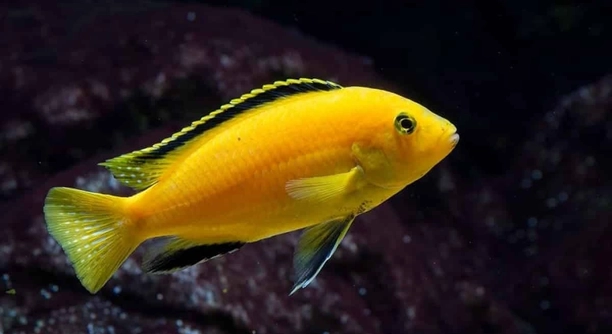
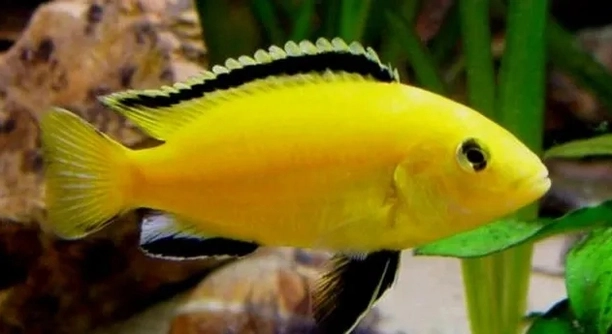
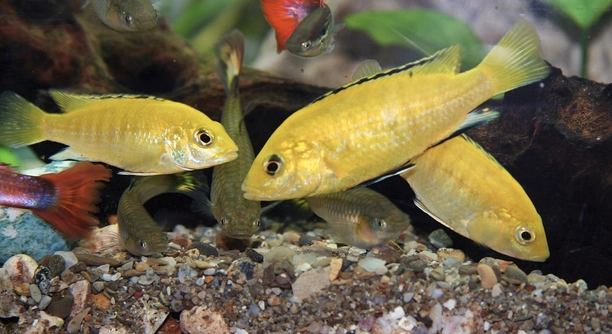
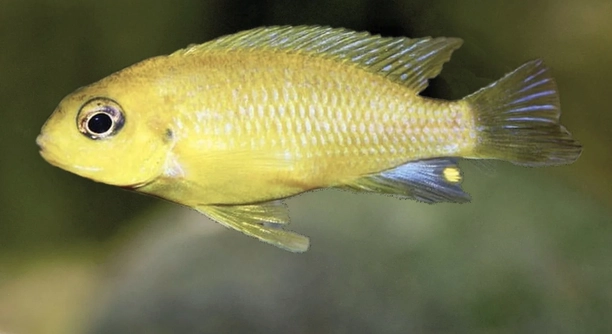
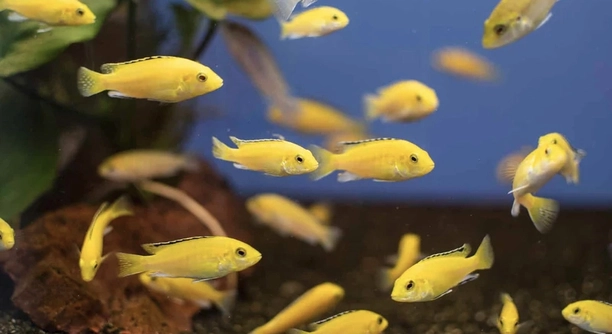
Electric Yellow Cichlids are popular in home aquariums for their bright color and lively behavior. Many hobbyists notice subtle changes in their interactions that seem to mark certain areas in the tank. These behaviors often go unnoticed. Electric Yellow Cichlids use distinct body postures, fin displays, and color shifts to establish boundaries within their territory. … Read more

What a 7-Minute Feeding Delay Can Trigger in Cichlids

Do you ever notice how quickly your cichlids swim to the feeding area, expecting food on time? Even a short delay in their routine can trigger subtle changes in their behavior and mood. A seven-minute feeding delay in cichlids can cause noticeable stress responses, including increased aggression, restlessness, and disrupted social interactions. These reactions demonstrate … Read more

7 Tank Patterns They Memorize Instantly

Do you ever notice how some tanks seem to move through patterns effortlessly, as if they have memorized every step? Observing their precision can be impressive, showing how experience and training shape their responses during complex maneuvers. Tanks memorize movement patterns through repeated training and structured exercises. Muscle memory, spatial awareness, and consistent reinforcement allow … Read more

7 Common Diseases in Electric Yellow Cichlids (+How to Treat)

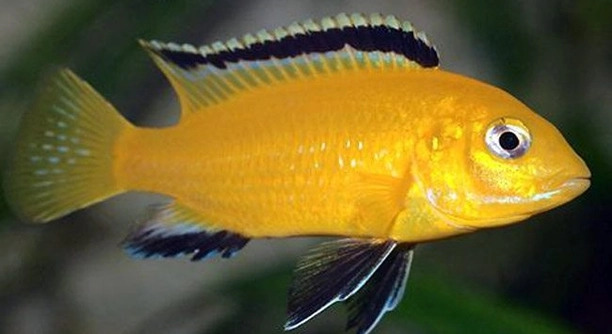
Electric Yellow Cichlids are popular for their bright color and lively personality in home aquariums. Caring for them can be enjoyable, but they are prone to certain health issues that can affect their well-being and lifespan. Several diseases commonly affect Electric Yellow Cichlids, including ich, fin rot, swim bladder disorder, bloat, velvet disease, hole-in-head disease, … Read more

7 Breeding Attempts That Fail Due to Distraction

Breeding animals can be a delicate process, requiring focus and careful timing. Even small distractions can lead to unsuccessful attempts, leaving breeders frustrated. Many find that unexpected interruptions interfere more than anticipated. Breeding attempts often fail due to distractions because animals require a calm and controlled environment. Sudden noises, movement, or human interference can disrupt … Read more

7 Tools to Simplify Cichlid Tank Monitoring

Caring for cichlids can be rewarding, but keeping track of water quality, temperature, and overall tank health can feel overwhelming at times. Many hobbyists struggle to stay on top of daily monitoring tasks. Using specialized tools to monitor a cichlid tank simplifies maintenance and ensures stable water conditions. Equipment such as digital thermometers, water test … Read more

7 Habitat Features That Reduce Fear Response

Many people create spaces for animals but notice signs of stress or fear despite careful planning. Observing how animals interact with their surroundings can reveal ways to improve comfort and security naturally. Certain habitat features can significantly reduce fear responses in animals. Providing hiding spots, appropriate lighting, stable temperature, low noise levels, enriched surroundings, predictable … Read more

7 Color Drops That Reveal Stress

Stress often builds quietly, showing itself in ways we might not immediately notice. Subtle changes in our surroundings or daily routines can signal rising tension before it fully takes hold. Recognizing these signs is important for balance and well-being. Color drops can serve as visual indicators of stress, reflecting physiological changes in the body. Variations … Read more

7 Shifted Boundaries After Spawning

Do you ever notice how relationships and personal limits can feel different after spawning, creating changes in comfort, space, and expectations over time with subtle emotional and social adjustments. Shifted boundaries after spawning are primarily caused by hormonal changes, increased protective instincts, and altered social priorities. These factors reshape emotional responses, redefine personal space, and … Read more