
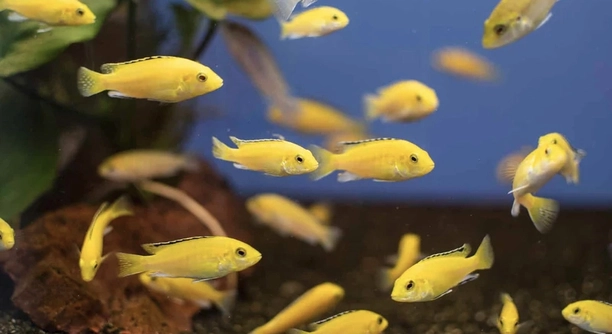
Electric Yellow Cichlids are popular for their bright color and lively personality in home aquariums. Caring for them can be enjoyable, but they are prone to certain health issues that can affect their well-being and lifespan.
Several diseases commonly affect Electric Yellow Cichlids, including ich, fin rot, swim bladder disorder, bloat, velvet disease, hole-in-head disease, and bacterial infections. Proper diagnosis and treatment, along with good water quality, are essential for maintaining their health.
Knowing the signs and treatments for these illnesses can help keep your cichlids active and vibrant in your tank environment.
Ich (White Spot Disease)
Ich is one of the most common diseases in Electric Yellow Cichlids. It is caused by a parasite that appears as small white spots on the fish’s body and fins. Infected fish may scratch against objects, swim erratically, or show signs of lethargy. Poor water quality and sudden temperature changes can trigger outbreaks. Treating ich early is critical because it spreads quickly to other fish. Increasing water temperature gradually and adding medication specifically designed for ich can help eliminate the parasite. Regular water changes and maintaining a stable tank temperature reduce the chances of recurrence. Observation is key—catching symptoms early prevents severe stress and health deterioration. Quarantining new fish before introducing them to the main tank is a helpful preventive measure. Ensuring a clean environment, balanced diet, and minimizing stress improves recovery rates and keeps your cichlids looking vibrant and active.
Ich can be treated effectively with medicated baths, temperature adjustments, and improved water conditions to eliminate parasites.
Preventing ich involves maintaining clean water, stable temperatures, and observing fish for early signs of illness.
Fin Rot
Fin rot is a bacterial infection that erodes the edges of fins, making them look frayed and ragged. Stress, poor water quality, and injuries can contribute to its development. It can progress quickly if untreated, and secondary infections may occur. Early detection allows for better recovery and prevents permanent damage to the fins. Maintaining clean water and a stress-free environment is crucial. Removing affected fish from aggressive tank mates and providing a balanced diet supports the healing process. Antibacterial medications formulated for aquarium use can treat fin rot effectively. Consistent monitoring ensures that the infection does not spread to other fish. Recovery may take several weeks depending on severity, but with proper care, fins can regrow fully.
Fin rot usually responds well to antibacterial treatments and improved tank conditions.
Treating fin rot starts with identifying the infection early, followed by improving water quality and administering antibacterial treatments. Regular water testing, partial water changes, and avoiding overcrowding are essential. Providing a diet rich in vitamins strengthens fish immunity, helping prevent recurrence. Recovery requires patience, as damaged fins regenerate slowly. Keeping the tank clean and stress levels low reduces the risk of flare-ups. Quarantining new fish before introducing them to the main tank further protects healthy cichlids from bacterial infections. Combining preventive measures with prompt treatment ensures that your Electric Yellow Cichlids maintain their bright appearance and active behavior over time. Consistency in tank maintenance and careful observation make fin rot manageable and prevent it from becoming a chronic problem.
Swim Bladder Disorder
Swim bladder disorder affects the fish’s ability to maintain balance in the water. Infected cichlids may float to the top, sink to the bottom, or swim sideways. Overfeeding, constipation, or bacterial infections often trigger this condition. Adjusting diet and water quality helps recovery.
Swim bladder problems in Electric Yellow Cichlids are usually linked to dietary issues. Feeding too much dry food can cause constipation, which in turn puts pressure on the swim bladder. Fasting the fish for a day or two and offering cooked, peeled peas can relieve blockage. Water quality also plays a role, as poor conditions can stress the fish and worsen the disorder. Infections from bacteria may require medication to restore proper swim function. Observing the fish’s behavior closely helps identify improvement.
Treating swim bladder disorder requires a combination of dietary management, water maintenance, and in some cases, medication. Reducing dry food, feeding more natural or softened foods, and maintaining stable water conditions can improve buoyancy. Ensuring the tank is not overcrowded reduces stress and gives the fish space to recover. If bacterial infection is suspected, an aquarium-safe antibiotic may be necessary. Patience is important, as recovery can take several days or weeks. Monitoring for repeated episodes helps prevent long-term issues and keeps your cichlids swimming normally.
Bloat
Bloat in cichlids causes abdominal swelling, loss of appetite, and lethargy. It is often linked to internal infections, parasites, or poor diet. Immediate care is necessary to prevent worsening symptoms and complications.
Bloat can be serious if not treated promptly. Overfeeding, poor-quality food, or sudden changes in water parameters often trigger this condition. Symptoms include distended bellies, difficulty swimming, and hiding at the bottom of the tank. Providing a balanced diet, fasting the fish for a short period, and administering anti-parasitic medication can help. Keeping the tank clean reduces stress, which aids recovery. Observation is key to catching early signs before they escalate.
Treating bloat requires addressing both internal infections and dietary causes. Anti-parasitic or antibiotic medications target the underlying infection. Feeding high-fiber foods or peas can relieve constipation contributing to swelling. Maintaining stable water conditions, performing regular water changes, and avoiding sudden temperature fluctuations support recovery. Monitoring the fish’s behavior and appetite ensures the treatment is effective. In severe cases, separating the affected fish may prevent stress from tank mates. Early action improves survival rates and helps restore the cichlid’s health and activity levels.
Velvet Disease
Velvet disease gives fish a dusty, gold or rust-colored coating on their skin. It is caused by a microscopic parasite that irritates the skin and gills. Infected cichlids may scratch against objects or breathe rapidly. Treatment involves medication and maintaining clean water.
Maintaining stable water conditions and using aquarium-safe anti-parasitic treatments can eliminate velvet disease. Raising the water temperature slightly can speed up the parasite’s life cycle, making treatment more effective. Observing the fish daily helps ensure the disease does not spread to other tank mates.
Hole-in-Head Disease
Hole-in-head disease causes small pits or lesions on the fish’s head and along the lateral line. Poor diet, poor water quality, and parasitic infections contribute to this condition. Regular water changes, improved nutrition, and medicated treatments help manage and prevent further damage.
Bacterial Infections
Bacterial infections in Electric Yellow Cichlids can appear as ulcers, redness, or cloudy eyes. They often result from stress, injuries, or poor water quality. Treating the tank with appropriate antibiotics, maintaining cleanliness, and reducing stressors helps the fish recover and prevents recurrence.
Preventive Measures
Maintaining clean water, providing a balanced diet, and quarantining new fish reduces disease risk. Regular observation helps catch early symptoms, making treatment easier and more effective.
FAQ
How can I tell if my Electric Yellow Cichlid is sick?
Signs of illness include loss of appetite, unusual swimming patterns, hiding, frayed fins, spots, swelling, or discoloration. Observing the fish daily helps catch problems early. Water testing for ammonia, nitrites, and nitrates also indicates potential stress that can lead to disease.
What is the best diet to prevent common diseases?
A varied diet including high-quality flakes, pellets, and occasional live or frozen foods supports immunity. Vegetables like peas can aid digestion. Avoid overfeeding, as leftover food can decay, reducing water quality and increasing disease risk. Regular feeding schedules help maintain digestive health.
How often should I change the water?
Weekly partial water changes of 20-30% help maintain water quality and prevent disease. Removing uneaten food and debris reduces bacteria growth. Testing water parameters after changes ensures a stable environment, lowering stress and minimizing illness.
Can I treat multiple diseases at the same time?
Treatment depends on the illness. Some medications are safe for combination, but others may interact negatively. Always follow label instructions, isolate affected fish if possible, and monitor closely for side effects. Combining good water management with treatment improves recovery.
Do I need to quarantine new fish?
Yes, quarantining new fish for 2-4 weeks prevents introducing parasites, bacteria, or viruses into the main tank. Observe for symptoms like lethargy, spots, or unusual swimming behavior before adding them to established cichlids. Quarantine also allows easier treatment if disease appears.
How can stress affect disease susceptibility?
Stress weakens immunity, making fish more prone to illness. Common stressors include overcrowding, sudden temperature changes, poor water quality, and aggressive tank mates. Reducing stress through stable conditions and proper tank setup is key for prevention.
What is the most effective way to treat bacterial infections?
Bacterial infections respond well to aquarium-safe antibiotics. Correct dosage, clean water, and reduced stress support treatment. Removing sick fish to a hospital tank allows closer monitoring and faster recovery while preventing the infection from spreading.
Are there preventive measures for parasitic diseases?
Maintaining clean water, proper diet, and avoiding overcrowding helps prevent parasites. Quarantining new fish and using parasite treatments during outbreaks reduces the risk. Observation and early intervention are critical for controlling spread and minimizing health impact.
How long does recovery usually take?
Recovery depends on the disease and severity. Mild conditions may improve in a few days with proper care. Severe cases, like bloat or fin rot, may take several weeks. Consistency in water maintenance, diet, and treatment increases success. Patience is essential for full recovery.
Can water temperature influence disease outbreaks?
Yes, many parasites and bacteria thrive in unstable or inappropriate temperatures. Keeping a stable temperature suitable for Electric Yellow Cichlids reduces stress and lowers disease risk. Sudden temperature shifts can trigger illnesses like ich or velvet disease.
Is it necessary to remove sick fish from the main tank?
Removing sick fish to a separate hospital tank helps prevent disease spread, reduces stress, and allows focused treatment. It also ensures other fish remain healthy. Quarantining during treatment is especially important for contagious conditions like ich or velvet disease.
How do I maintain healthy fins and prevent fin rot?
Clean water, balanced nutrition, and avoiding aggressive tank mates prevent fin damage. Regular water changes and monitoring ammonia or nitrate levels reduce bacterial growth. Early treatment with antibacterial medication ensures frayed fins heal properly, and regrowth occurs without permanent damage.
Can diet alone cure or prevent all diseases?
Diet supports immunity but cannot fully prevent or cure all diseases. Balanced nutrition reduces risk, but proper water quality, stable environment, and observation are equally important. Combining diet with other preventive measures ensures optimal health for Electric Yellow Cichlids.
What should I do if my fish shows multiple symptoms?
Multiple symptoms may indicate a combination of diseases or severe infection. Isolate the fish, test water quality, and consider professional advice. Treating symptoms individually while improving tank conditions increases the chances of recovery. Observing changes daily helps track effectiveness.
How important is observation in disease prevention?
Daily observation is critical for catching early signs like color changes, abnormal swimming, or reduced appetite. Early detection allows timely treatment and reduces the likelihood of severe illness. Noticing small changes can save your fish from long-term health issues.
Can environmental enrichment help prevent disease?
Providing hiding spots, plants, and adequate space reduces stress, supporting immune function. A comfortable environment encourages natural behavior, reduces aggression, and lowers disease susceptibility. A well-structured tank contributes to overall fish health alongside water management and nutrition.
Caring for Electric Yellow Cichlids can be very rewarding, but it requires attention to their health and environment. These fish are prone to certain diseases, such as ich, fin rot, swim bladder disorder, bloat, velvet disease, hole-in-head disease, and bacterial infections. Recognizing the signs early is important because it allows you to act before the condition becomes severe. Observing behavior, appetite, and appearance every day helps detect small changes that may indicate illness. Consistently testing water for ammonia, nitrites, nitrates, and pH levels also plays a crucial role in preventing stress and disease. Keeping the tank clean and stable supports their overall well-being and minimizes the risk of health issues.
Maintaining a proper diet is another key factor in keeping your cichlids healthy. A balanced diet that includes high-quality flakes, pellets, and occasional live or frozen foods provides essential nutrients. Including vegetables like peas can aid digestion and prevent constipation, which can lead to swim bladder problems or bloat. Overfeeding should be avoided, as leftover food can decay and negatively affect water quality, increasing the likelihood of disease. Feeding on a regular schedule and observing how much the fish eat ensures they get the nutrition they need without causing unnecessary stress to the tank environment. A healthy diet strengthens their immune system and helps them recover faster if they do fall ill.
Preventive measures and timely treatment go hand in hand to ensure Electric Yellow Cichlids thrive. Quarantining new fish before adding them to the main tank protects the existing population from introducing parasites or bacterial infections. Proper tank management, including stable temperatures, adequate space, and stress reduction, improves recovery outcomes and reduces disease recurrence. Medications, when used correctly, can effectively treat common illnesses, but the best approach is always prevention through good care practices. By focusing on water quality, nutrition, and careful observation, you can maintain a vibrant and healthy group of cichlids. With patience and consistent attention, you create an environment where these colorful fish remain active, healthy, and long-lived.

Hello,
If you enjoy the content that we create, please consider saying a "Thank You!" by leaving a tip.
Every little bit helps us continue crafting quality advice that supports the health, happiness, and well-being of pets around the world, for pets of all shapes, sizes, and species.
We really appreciate the kindness and support that you show us!