
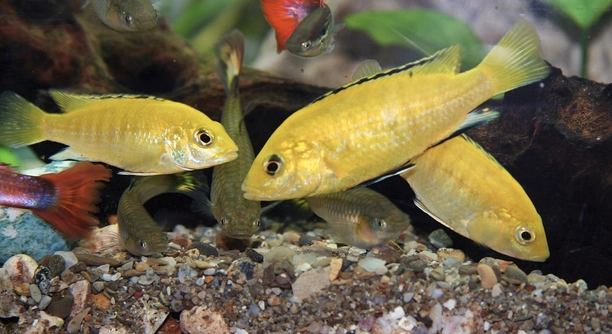
Caring for cichlids can be rewarding, but keeping track of water quality, temperature, and overall tank health can feel overwhelming at times. Many hobbyists struggle to stay on top of daily monitoring tasks.
Using specialized tools to monitor a cichlid tank simplifies maintenance and ensures stable water conditions. Equipment such as digital thermometers, water test kits, automatic feeders, and smart monitoring devices provide accurate data and reduce the risk of stress or illness in fish.
These tools make everyday tank care easier, saving both time and energy while promoting a healthier environment for your cichlids.
Digital Thermometers
A digital thermometer is one of the simplest tools to keep your cichlid tank stable. I started using one after noticing small temperature swings stressed my fish. Unlike old-school glass thermometers, digital versions give a quick, precise reading. Some models even have alerts if the water gets too hot or cold. This makes it easier to maintain the ideal temperature for cichlids, which often need consistent warmth. I like that I can place the probe anywhere in the tank without disturbing the fish. Many thermometers are waterproof and easy to clean, so maintenance is simple. Some connect to apps, letting you track changes over time and spot trends that could affect fish health. Keeping an accurate temperature not only reduces stress but also prevents illness. I noticed fewer color changes and more active swimming once I used a digital thermometer consistently. This tool is easy to use, reliable, and really worth having in any cichlid setup.
Digital thermometers provide real-time readings, enabling precise temperature control. Accurate monitoring prevents stress, promotes health, and supports optimal growth in cichlids.
Using a thermometer consistently lets you notice subtle temperature shifts that might otherwise go unnoticed. These small changes can affect fish behavior, feeding, and overall well-being. Over time, keeping track of temperature trends helps you make adjustments before problems arise.
Water Test Kits
Water test kits give insight into ammonia, nitrite, nitrate, and pH levels. I started testing weekly after noticing algae growth and sluggish behavior in my fish. Simple color-coded kits make it easy to read results without confusion. Regular testing keeps the water safe and reduces sudden fluctuations that could harm the cichlids. I prefer kits with multiple parameters in one set, which saves time and ensures I’m monitoring the right levels. Some kits also include instructions for quick fixes if results are off. Using test kits has helped me maintain a balanced environment, so my cichlids stay healthy and active. It also gives peace of mind knowing the water is consistently within the proper range, rather than guessing or assuming everything is fine.
Accurate water testing prevents chemical imbalances and reduces fish stress.
Over time, testing water regularly teaches you how your tank reacts to feeding, cleaning, and plant growth. I learned that even small changes in nitrate can affect fish behavior. By tracking results, I could adjust water changes or treatments before issues escalated. Test kits also revealed patterns I wouldn’t have noticed otherwise, like pH swings after adding new decorations. This knowledge makes it easier to keep a stable environment and ensures cichlids thrive. Regular monitoring reduces surprises and keeps the tank predictable, which is beneficial for long-term health. Choosing a reliable kit and following instructions carefully provides consistent, trustworthy data. Ultimately, water test kits give control over tank conditions, helping prevent illness and promoting vibrant, active fish.
Automatic Feeders
Automatic feeders make feeding schedules easier, especially when life gets busy. I rely on one to provide consistent portions, reducing overfeeding and helping maintain water quality. The timers keep meals regular, which my cichlids respond to with predictable activity.
I set my automatic feeder to release food twice a day. This helps prevent sudden spikes in waste that can affect water chemistry. I’ve noticed less leftover food, which reduces the risk of algae growth and keeps the tank cleaner. Some feeders allow customization of portion size, which is helpful for different cichlid species. Using this tool also makes it easier to maintain a consistent routine, even when away from home. I feel more confident knowing the fish are fed properly without manual intervention, and I’ve seen more stable water parameters since I started using it.
Automatic feeders also help with diet control. By measuring portions precisely, they prevent excessive feeding that can harm fish. I experimented with different amounts until I found what worked best for my cichlids. Over time, this consistency improved fish health and reduced tank maintenance. The feeder’s reliability allows me to focus on other tasks without worrying about missing a feeding or overfeeding. I also noticed more regular behavior patterns, like active swimming and social interaction among the fish. Choosing a high-quality feeder with an easy-to-clean design makes maintenance simple, and the peace of mind it brings is worth the investment.
Smart Monitoring Devices
Smart monitoring devices track temperature, pH, and other water parameters in real time. I installed one to catch sudden changes early and prevent stress or illness in my cichlids. Notifications keep me aware of any irregularities.
These devices provide detailed data trends, helping me understand how my tank responds to feeding, cleaning, and environmental changes. Alerts are sent to my phone whenever a reading falls outside safe ranges, so I can take immediate action. I find the ability to monitor remotely invaluable, especially during busy weeks or trips. Some devices integrate with other smart equipment, allowing automated adjustments to heaters or filters, which further stabilizes conditions. Over time, I learned patterns in my tank that I wouldn’t have noticed without consistent data logging.
I’ve used the device to track pH shifts after adding new plants and saw how nitrate levels change between water changes. The detailed insights make it easier to prevent long-term problems, like slow growth or behavioral stress. It also allows me to compare multiple tanks if I maintain more than one setup, ensuring consistency across environments. The convenience of remote monitoring means I can relax knowing alerts will notify me of issues immediately. This tool has become essential for maintaining a healthy, balanced tank and supporting overall fish well-being.
Aquarium Cameras
I installed an aquarium camera to check on my cichlids while I’m away. It lets me observe their behavior and spot potential problems without opening the tank, which reduces stress for the fish.
The camera also helps monitor feeding. I can see if all fish are eating and detect leftover food that could foul the water.
Automatic Water Changers
Automatic water changers simplify maintenance by removing and replacing water on a schedule. I use one to keep nitrate levels low and maintain stable water chemistry. Regular changes reduce algae growth and help the cichlids stay healthy.
Lighting Timers
Lighting timers control day and night cycles in the tank. I rely on one to ensure cichlids get consistent light periods, which supports natural behavior and reduces stress.
How often should I check my cichlid tank with these tools?
I check my tank daily using digital thermometers and water test kits. Even though some tools provide continuous monitoring, a quick daily glance helps me notice small changes in fish behavior, leftover food, or unusual activity that devices might not catch. Automatic feeders and lighting timers reduce the time spent on routine tasks, but I still review data from smart monitoring devices regularly. Weekly testing for ammonia, nitrite, nitrate, and pH ensures water quality stays consistent. Over time, daily checks have become a simple habit that prevents major issues before they develop.
Are smart monitoring devices necessary for a small tank?
For small tanks, smart devices aren’t strictly required, but they can make life easier. I found that even a ten-gallon setup can have sudden shifts in temperature or pH. Using a smart monitor alerts me immediately if something goes wrong, which prevents stress or illness. While I could check manually, having real-time data gives peace of mind, especially when I’m busy or away from home. It also helps track trends that aren’t obvious in day-to-day observations. I’ve noticed more stable fish behavior since adding a smart monitor to my smaller tanks.
Can automatic feeders lead to overfeeding?
Yes, overfeeding is possible if portions aren’t adjusted correctly. I started with the smallest setting and observed how much my cichlids actually ate. Automatic feeders are convenient, but they require monitoring at first to ensure proper amounts. Once I found the right portion size, I didn’t need to adjust often. Over time, I noticed less leftover food, improved water quality, and healthier fish. Using an automatic feeder properly actually reduces overfeeding compared to manual feeding because it provides consistent amounts.
How accurate are digital thermometers compared to old glass types?
Digital thermometers are generally more precise and faster than glass ones. I noticed smaller temperature changes immediately with digital readings, which helped me prevent stress in my cichlids. Some digital models also have alarms that notify you if the water gets too hot or cold, which glass thermometers cannot do. They are easier to read and maintain. For me, investing in a reliable digital thermometer was worth it because it gives consistent results without the risk of breakage or delayed readings.
Do water test kits require frequent calibration or replacement?
Water test kits are straightforward but need occasional replacement when reagents expire. I make it a habit to check expiration dates and store them in a cool, dry place. Some kits include calibration instructions, which I follow to maintain accuracy. Using a reliable kit consistently ensures I have trustworthy results, which helps me keep my cichlids healthy. I’ve learned that skipping tests can allow small imbalances to grow into bigger problems.
Are aquarium cameras really helpful for tank maintenance?
Aquarium cameras are more helpful than I expected. I can check fish activity while at work or running errands. It lets me see if all cichlids are eating, identify any signs of stress, and notice unusual behavior early. While cameras don’t replace testing water or maintaining equipment, they give valuable insight without disturbing the fish. I’ve caught minor issues before they escalated, which has saved me both time and worry.
How do lighting timers affect cichlid behavior?
Lighting timers create consistent day-night cycles that mimic natural conditions. I noticed my cichlids became more active and less stressed once I set a timer. Irregular lighting can confuse fish, affecting feeding patterns and activity levels. Using a timer ensures lights turn on and off at the same time daily, which is especially helpful if I’m busy or forgetful. Consistent light periods help maintain plant growth and reduce algae, creating a more balanced and stable environment for the cichlids.
Can automatic water changers completely replace manual water changes?
Automatic water changers reduce manual effort but don’t eliminate the need for occasional hands-on checks. I still inspect decorations, filter media, and substrate during water changes. The device helps maintain consistent water quality by removing old water and adding fresh water at scheduled intervals, which keeps nitrate levels low and improves fish health. Combining automatic water changes with periodic manual inspections ensures a cleaner, healthier tank and reduces the risk of hidden problems that machines alone can’t catch.
What is the best combination of these tools for beginners?
For beginners, I recommend starting with a digital thermometer, a basic water test kit, and an automatic feeder. These three cover temperature, water quality, and feeding, which are the most critical aspects for healthy cichlids. Adding a smart monitor or lighting timer can improve convenience and consistency once you’re comfortable with the basics. I gradually added aquarium cameras and automatic water changers as I gained confidence. This approach prevents overwhelm while still providing the benefits of modern tools to maintain a stable and healthy tank.
How often should I replace or maintain these tools?
Digital thermometers and smart devices last for years if handled carefully, though sensors may need calibration. Water test kits and feeder portions should be checked and replaced according to manufacturer instructions. I clean automatic feeders and water changers regularly to prevent clogs and maintain accuracy. Consistent maintenance ensures that all tools continue to perform reliably, which directly affects water quality and fish health. Neglecting maintenance can lead to inaccurate readings or equipment failure, so I make it part of my routine. Proper care extends their life and keeps the cichlids thriving.
Using the right tools makes cichlid tank care much easier and less stressful. I’ve found that digital thermometers, water test kits, and automatic feeders cover the basics well. They allow me to monitor temperature, water quality, and feeding without guessing or worrying too much. When I started using these tools consistently, my fish became more active, colorful, and less stressed. Even simple tools can make a noticeable difference in the health of the tank. By having accurate readings and reliable routines, I spend less time worrying about sudden problems and more time enjoying the behavior and interactions of my cichlids.
Smart monitoring devices and aquarium cameras add another layer of convenience and peace of mind. I can track water parameters in real time, check on fish remotely, and catch minor issues before they escalate. Lighting timers and automatic water changers also help maintain a stable environment without constant manual effort. I’ve noticed that these tools help maintain consistency, which is important for the well-being of cichlids. They respond well to predictable schedules for feeding, light, and water quality, and these devices make it much easier to provide that consistency even with a busy lifestyle. Having these tools in place also reduces human error, like accidentally overfeeding or missing a water change, which can cause stress and health problems for the fish.
Overall, combining these tools has made maintaining my cichlid tank more manageable and enjoyable. I no longer feel anxious about small changes in water quality or temperature, and my fish thrive as a result. Each tool serves a purpose, from measuring critical parameters to providing convenience in daily care routines. Even if you start with just a few basic tools, the improvements in fish health and tank stability are clear. Over time, adding more advanced equipment can further reduce effort and increase confidence in maintaining a safe environment for the cichlids. By using these tools thoughtfully and consistently, keeping a cichlid tank healthy becomes a practical, stress-free process that supports the long-term well-being of the fish.

Hello,
If you enjoy the content that we create, please consider saying a "Thank You!" by leaving a tip.
Every little bit helps us continue crafting quality advice that supports the health, happiness, and well-being of pets around the world, for pets of all shapes, sizes, and species.
We really appreciate the kindness and support that you show us!