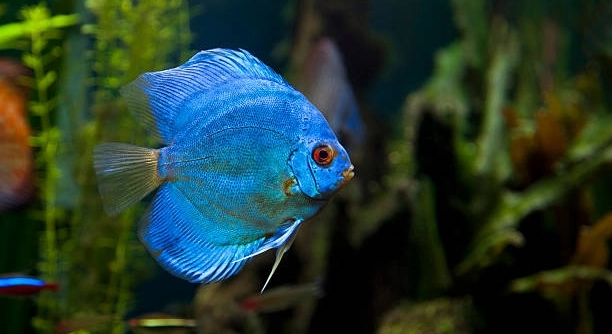
Are Discus Fish Compatible with Angelfish?
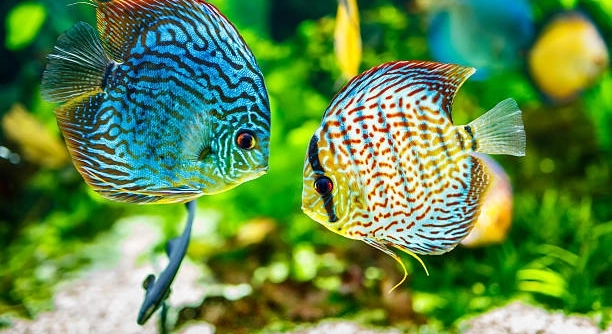
Are you thinking about keeping discus fish and angelfish together in your aquarium? Many fish enthusiasts consider combining these species due to their beautiful appearance and graceful movements. Understanding how they interact is important for a healthy tank environment. Discus fish and angelfish can be kept together under specific conditions, but careful attention to tank … Read more

Should You Keep Discus Tanks in Bedrooms?

Keeping discus tanks in bedrooms is a choice some fish lovers make for convenience and enjoyment. These tanks can add a peaceful, decorative touch to personal spaces. However, there are practical factors to consider before placing them there. Keeping discus tanks in bedrooms requires attention to noise, humidity, and lighting conditions. Proper care and maintenance … Read more

7 Things That Mess With Discus Breeding Cycles

Are your discus showing signs of stress or refusing to breed even when everything seems perfect in their tank setup? Sometimes, the smallest changes in their environment can throw off their breeding rhythm completely. Discus breeding cycles can be disrupted by several factors, including poor water quality, unstable temperatures, incorrect lighting, stress from tank mates, … Read more

How Do You Know If Your Discus Is Sick? (7 Early Signs)

Discus fish are popular for their vibrant colors and graceful movements in home aquariums. Keeping them healthy is important to enjoy their beauty and activity. Early signs of illness can help prevent serious health problems if noticed in time. Identifying sickness in discus fish involves observing changes in behavior, appetite, coloration, and physical condition. Early … Read more

How Long Does It Take Discus to Settle In?

Discus fish are popular for their vibrant colors and graceful swimming. Many new owners wonder how long it takes for these fish to feel comfortable in a new tank. Understanding their settling process helps in providing proper care and environment. Discus typically take between two to four weeks to settle into a new aquarium. During … Read more

7 Affordable Discus Tank Upgrades That Work

Are you looking to improve your discus tank without spending a fortune? Many hobbyists want effective upgrades that don’t break the bank. Keeping discus healthy and happy often means making smart, affordable changes to their environment. Affordable discus tank upgrades focus on enhancing water quality, filtration, lighting, and decoration. Simple additions like better filters, heaters, … Read more

7 Warning Signs of Low Oxygen in Discus Water

Are your discus fish acting strangely or seeming less active than usual, even though your tank looks clean and well-maintained? Sometimes, the issue isn’t what you can see, but what’s missing—like oxygen. Low oxygen levels in discus water can lead to sluggish behavior, reduced appetite, gill gasping, and even sudden death. Recognizing the early signs … Read more

Do Discus Like Aquariums with Strong Current?

Discus fish are popular for their bright colors and calm presence in home aquariums. Many hobbyists want to provide the best environment for these fish to thrive. One common concern is whether discus prefer tanks with strong water currents. Discus fish generally do not like strong currents in their aquariums. These fish originate from slow-moving … Read more

7 Water Additives That Help New Discus Settle

New discus fish can be sensitive when introduced to a new tank environment. Adjusting to different water conditions is crucial for their health and comfort. Many hobbyists look for ways to ease this transition for their delicate fish. Adding specific water additives can help stabilize water parameters, reduce stress, and promote a healthy immune response … Read more

7 Signs Your Discus Fish Is Feeling Territorial

Is your discus fish acting strange or becoming aggressive around certain spots in the tank? It could be more than just mood swings. These changes in behavior may be signs of something deeper going on. Discus fish show territorial behavior through chasing, fin flaring, and guarding specific areas of the tank. These actions are instinctive, … Read more