
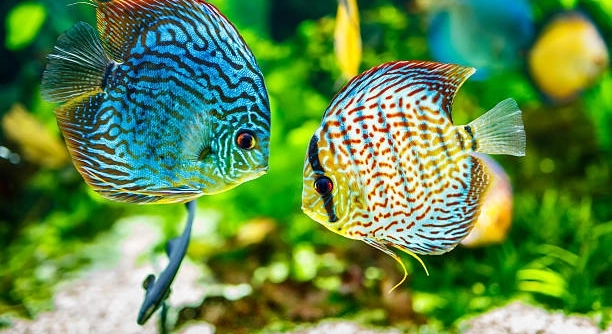
Are you thinking about keeping discus fish and angelfish together in your aquarium? Many fish enthusiasts consider combining these species due to their beautiful appearance and graceful movements. Understanding how they interact is important for a healthy tank environment.
Discus fish and angelfish can be kept together under specific conditions, but careful attention to tank size, water parameters, and temperament is necessary. Compatibility depends largely on maintaining stable water quality and monitoring fish behavior to prevent stress or aggression.
Learning about their needs and behavior helps ensure a peaceful community tank. This information will guide you in creating the best environment for both species to thrive.
Understanding Discus and Angelfish Temperaments
Discus fish are known for their calm and gentle nature. They prefer peaceful environments and can become stressed if tankmates are too aggressive or overly active. Angelfish, on the other hand, have a reputation for being more territorial and sometimes aggressive, especially during breeding periods. Their tall, thin bodies allow them to dominate certain areas of the tank, which can create tension with more timid species like discus. Both fish require plenty of space to swim and hide, so overcrowding can increase stress and conflict. Maintaining a spacious aquarium with plenty of plants and hiding spots helps reduce territorial disputes. Keeping the water clean and stable also contributes to a calm atmosphere. By paying close attention to these temperament differences, you can better manage the dynamics between discus and angelfish and help them coexist more peacefully.
Proper tank setup is essential to support both species’ social needs and reduce conflicts.
Careful observation is key when mixing discus and angelfish. It’s important to watch for signs of stress, like hiding or fin nipping. Adjust tank conditions or separate fish if needed. Keeping water parameters consistent and providing enough space will help both species feel secure. Also, feeding them appropriately and on time supports their health and reduces competition. With attention and care, coexistence is possible, but it requires ongoing management to maintain harmony.
Water Conditions and Tank Requirements
Both discus and angelfish thrive in warm, soft, and slightly acidic water, making their water requirements somewhat compatible. Ideal temperatures range from 78°F to 84°F, with a pH between 6.0 and 7.0. Stable water conditions are vital since both species are sensitive to rapid changes. Frequent water changes and good filtration will keep water quality high. Tank size should be at least 55 gallons or larger to allow enough space for swimming and territorial boundaries. Plants, driftwood, and rocks create natural hiding places and reduce aggression. While discus prefer very clean water with low nitrate levels, angelfish are a bit more adaptable but still need good conditions to avoid stress. Balancing these needs supports healthier, happier fish and less conflict in the tank.
To keep discus and angelfish together, maintain consistent water parameters and provide plenty of space and hiding spots.
Setting up your tank with proper filtration and regular water testing ensures the environment stays stable. Avoid overcrowding by limiting the number of fish, and consider separate feeding areas to reduce competition. Monitoring water hardness and pH closely helps meet both species’ needs. With these conditions met, discus and angelfish can share a habitat with fewer problems, making your aquarium a peaceful display of aquatic life.
Feeding Habits and Diet Compatibility
Discus fish are picky eaters who prefer high-protein diets like bloodworms and specially formulated pellets. Angelfish are less selective and will eat flakes, pellets, and live food. Feeding both species the right diet is essential to keep them healthy.
Discus need frequent, small meals throughout the day because they digest food slowly. Their diet should be rich in protein and vitamins to support their vibrant colors and immune system. Angelfish are less demanding but thrive on a varied diet that includes flakes, frozen foods, and live insects. Feeding schedules should accommodate both species without causing competition. Separate feeding areas or times may help reduce aggression during meals and ensure discus get enough food without stress.
Providing the right balance of food and feeding routines encourages growth and reduces stress. Overfeeding can pollute the tank, so portion control is important for water quality. Watching how both species eat helps catch issues early and maintain harmony during mealtime.
Tank Size and Decoration Needs
A large tank of at least 55 gallons is necessary for discus and angelfish to coexist comfortably. More space helps prevent territorial fights and provides room for hiding spots.
Decorating the tank with plants, driftwood, and rocks gives both species places to retreat when feeling threatened. Discus prefer open swimming areas but also need shaded spots, while angelfish like vertical structures to claim territory. Using tall plants and driftwood helps mimic their natural environments and reduces aggression. Avoid sharp decorations that could injure delicate discus fins. Keeping the tank layout balanced supports both species’ comfort and wellbeing, promoting a calmer community tank overall. Proper decoration also encourages natural behaviors and reduces stress for both fish.
Behavior During Breeding
Angelfish become very territorial and aggressive when breeding. They may chase or nip at other fish, including discus. This behavior can cause stress or injury if the tank is too small or lacks hiding spots.
Discus are more peaceful during breeding but need quiet, stable conditions. Providing separate breeding tanks is often best to prevent conflicts and protect fry.
Ideal Tankmates for Discus and Angelfish
Other peaceful fish like tetras, corydoras catfish, and certain dwarf cichlids can live well with discus and angelfish. Avoid overly aggressive or fast-swimming species that may stress these sensitive fish. Choose tankmates with similar water needs and temperaments to maintain harmony.
Signs of Stress in Discus and Angelfish
Stress signs include faded colors, loss of appetite, hiding, and rapid breathing. Early detection helps prevent illness and promotes recovery.
Are discus and angelfish compatible in the same aquarium?
Discus and angelfish can live together, but compatibility depends on tank size, water conditions, and individual temperaments. Both prefer warm, soft, slightly acidic water, which helps with compatibility. However, angelfish may become territorial, especially during breeding, which can stress discus. Careful monitoring and a spacious tank with plenty of hiding spots reduce conflict.
How big should the tank be for discus and angelfish?
A tank of at least 55 gallons is recommended for keeping discus and angelfish together. Larger tanks provide enough space to establish territories and avoid overcrowding. This space also allows for natural behaviors and reduces stress caused by territorial disputes or competition for food.
What water parameters do discus and angelfish need?
Both species prefer temperatures between 78°F and 84°F and a pH between 6.0 and 7.0. Water should be soft with low hardness levels. Consistency is critical, as sudden changes in temperature or pH can stress both fish. Regular water changes and good filtration help maintain these conditions.
Can discus and angelfish be aggressive toward each other?
Yes, angelfish can be aggressive, especially during breeding or if the tank is overcrowded. Discus are generally peaceful but may become stressed or hide when intimidated. Aggression can be minimized by providing enough space, hiding spots, and by observing fish behavior closely.
What do discus and angelfish eat?
Discus require a high-protein diet with foods like bloodworms, brine shrimp, and specialized pellets. Angelfish have a more varied diet, eating flakes, pellets, and live or frozen foods. Feeding both species a balanced diet suitable for their needs helps reduce competition and ensures proper nutrition.
How often should discus and angelfish be fed?
Discus benefit from frequent, small meals throughout the day due to their slow digestion. Angelfish can be fed two to three times daily. Feeding schedules should consider both species to prevent overfeeding and maintain water quality.
Are there special decorations needed for a discus and angelfish tank?
Yes, decorations such as tall plants, driftwood, and smooth rocks create hiding places and reduce territorial aggression. Discus prefer open swimming spaces with shaded areas, while angelfish like vertical structures. Avoid sharp objects that could harm discus fins.
Can discus and angelfish breed in the same tank?
Both species can breed in the same tank, but angelfish become highly territorial during spawning, which can stress discus. Providing separate breeding tanks is often best to protect the fry and reduce aggression.
What are signs that discus or angelfish are stressed?
Signs include faded colors, loss of appetite, hiding frequently, and rapid breathing. Stress can lead to illness, so spotting these early and adjusting tank conditions or separating fish is important for health.
What tankmates work well with discus and angelfish?
Peaceful species like tetras, corydoras catfish, and some dwarf cichlids make good tankmates. Avoid aggressive or fast-swimming fish that may harass discus or angelfish. Compatibility is easier when all fish share similar water needs and temperaments.
How to manage aggression between discus and angelfish?
Ensure the tank is large enough with plenty of hiding spots. Monitor fish behavior regularly, especially during breeding times. Separate aggressive individuals if needed. Stable water conditions and a calm environment reduce stress and aggression.
Is it necessary to quarantine new fish when adding discus or angelfish?
Yes, quarantining new fish helps prevent introducing diseases and parasites. Both discus and angelfish are sensitive to illness, so a quarantine period of 2-4 weeks in a separate tank is recommended before adding new fish to the main aquarium.
How to maintain water quality in a mixed discus and angelfish tank?
Perform regular water changes, about 25-30% weekly, to keep nitrate levels low. Use a high-quality filtration system to remove waste efficiently. Test water parameters frequently to maintain stable temperature, pH, and hardness. Avoid overfeeding to reduce pollution.
What should I do if aggression escalates?
If aggression worsens, increase hiding spots or rearrange tank decorations to break sightlines. You may need to separate aggressive fish temporarily or permanently. Monitor the fish closely to prevent injury and stress.
Can discus and angelfish share the same diet pellets?
Some pellets are suitable for both species, but discus benefit from specialized high-protein pellets. Supplement angelfish diets with flakes or frozen foods. Feeding a varied diet supports the health of both species.
How do I introduce discus and angelfish to the same tank?
Introduce the more peaceful discus first and allow them to settle. Then add angelfish, giving enough space and hiding spots. Watch closely for signs of aggression during the first few weeks and adjust tank conditions if necessary.
What are common health issues when keeping discus and angelfish together?
Stress-related illnesses like ich or fin rot can occur if water quality is poor or aggression is high. Both species are sensitive to parasites and bacterial infections. Maintaining stable water conditions and a clean tank prevents most health problems.
Is it better to keep discus and angelfish in separate tanks?
For beginners or small tanks, separate tanks are often safer. Mixing requires experience, proper tank size, and constant monitoring. If conditions aren’t ideal, keeping them apart reduces risks of stress and aggression.
Can discus and angelfish live peacefully long-term?
Yes, with proper care, a large tank, stable water parameters, and attention to their needs, discus and angelfish can live together peacefully. Regular monitoring and adjusting conditions as needed are key to success.
When considering keeping discus and angelfish together, it is important to understand that while they can share the same aquarium, it requires careful planning and attention. Both species have specific needs that must be met to create a peaceful environment. Discus fish are sensitive and prefer calm, stable conditions, while angelfish can show territorial behavior, especially when breeding. A large tank with plenty of hiding places and plants helps reduce stress and conflict. By maintaining proper water conditions and monitoring their behavior, these two beautiful species can live together without constant problems.
Water quality and tank size play a crucial role in their compatibility. Both discus and angelfish thrive in warm, soft, and slightly acidic water. Keeping the temperature steady between 78°F and 84°F and maintaining a pH near 6.0 to 7.0 helps both species stay healthy. The tank should be spacious enough—preferably 55 gallons or larger—to give each fish enough room to swim and claim territories. Providing plants, driftwood, and other decorations creates natural hiding spots. These features are important to help reduce aggressive behavior and give each fish a safe space.
Feeding is another important factor to consider. Discus fish require a high-protein diet and need to be fed more frequently because they digest food slowly. Angelfish eat a more varied diet and can tolerate flakes, pellets, and live or frozen foods. Feeding both species properly, and at different spots or times if needed, helps reduce competition and stress during mealtime. Keeping all these factors in mind will increase the chances of success when housing discus and angelfish together. With patience and careful care, it is possible to enjoy a beautiful and peaceful community tank.

Hello,
If you enjoy the content that we create, please consider saying a "Thank You!" by leaving a tip.
Every little bit helps us continue crafting quality advice that supports the health, happiness, and well-being of pets around the world, for pets of all shapes, sizes, and species.
We really appreciate the kindness and support that you show us!