
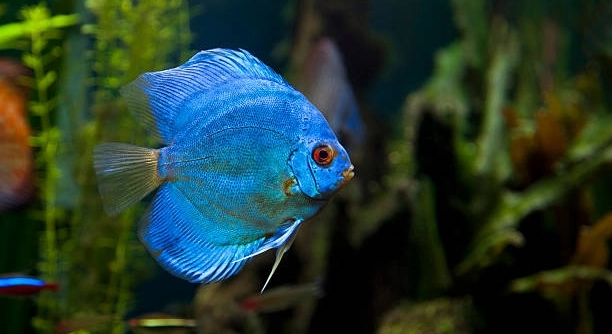
Is your discus fish acting strange or becoming aggressive around certain spots in the tank? It could be more than just mood swings. These changes in behavior may be signs of something deeper going on.
Discus fish show territorial behavior through chasing, fin flaring, and guarding specific areas of the tank. These actions are instinctive, often triggered by environmental changes or the presence of other fish, and help them establish dominance or claim space.
Recognizing these signs early can help prevent stress or injury among your fish and promote a more peaceful tank environment.
Chasing Other Fish More Often
When a discus fish becomes territorial, it often starts chasing other tank mates. This behavior is not random. It usually happens when the fish is trying to protect a spot it has claimed. That spot could be near a plant, a decoration, or even a corner of the tank. The discus might chase away any other fish that comes too close. This is a clear sign that it sees that space as its own. The chasing can happen throughout the day and may become more frequent during feeding or cleaning times. It can also happen if there are new fish in the tank. These actions are part of the discus fish’s natural behavior when it feels the need to protect its space. While it might seem aggressive, it’s usually just a way for the fish to set boundaries and feel more secure in its environment.
This chasing might not result in physical harm, but it can increase stress in the tank and lead to poor health in other fish.
Keep an eye on who is being chased and how often. A pattern of repeated chasing usually points to one fish claiming territory. Removing or rearranging decorations may help reduce this behavior.
Staying in One Spot for Long Periods
Staying still in one spot can be another sign your discus fish is acting territorial. This behavior can often be overlooked because it doesn’t seem aggressive at first. But when a discus fish finds a place it likes, it may stick to it and try to guard it. This could be a shaded area, behind a plant, or under a piece of driftwood. The fish may hover in that same spot for long stretches of time, moving only when another fish comes close. Then, it might chase or flare its fins to keep others away. This behavior shows the fish feels that area is its own space.
If this happens a lot, it’s worth watching how the fish interacts with others. A discus that defends a certain area all day is likely feeling territorial. Try moving decorations or slightly changing the tank layout. This can break up that sense of ownership and reduce tension. You should also make sure your tank is large enough and has plenty of hiding spots. These changes can help spread out the fish and ease the territorial behavior, leading to a calmer and healthier environment for all your discus fish.
Flaring Fins and Showing Off Bright Colors
Flaring fins and flashing brighter colors are ways your discus fish shows dominance. These displays are not just for looks—they’re warnings. The fish is sending a clear message to others to stay away from its space.
These changes are more noticeable when a discus feels it needs to guard an area or prove itself against other tank mates. You might see the fish holding its fins wide and moving slowly to appear larger. The brighter colors are also part of the message. It’s a way of saying, “This is my spot.” These behaviors can come and go, depending on the tank situation. They often happen more in crowded or small tanks. This can also show up during feeding times or if the fish feels stressed. Watching these patterns closely can help you understand what is causing the behavior and how often it happens.
If the same fish keeps flaring its fins and showing bright colors, it may be trying to hold its position in the tank. This doesn’t always mean it will act aggressively, but it’s a strong hint that it wants to stay in control of a certain area. Adding more plants or hiding spots can reduce this behavior and calm things down.
Guarding Food Aggressively
Guarding food is another sign that a discus fish is becoming territorial. If one fish rushes to the food first and chases others away, it’s likely trying to control the feeding area. This can lead to uneven eating and stressed fish.
This type of behavior is usually seen during feeding times. A territorial discus will position itself close to where food usually drops and may push or nip at others who come close. This can result in some fish eating too much while others get very little. Over time, this can create an imbalance in health across your tank. You may even notice some fish becoming thinner or staying away from the main feeding area. This can be frustrating to watch, especially if it becomes a pattern.
To manage this, try spreading the food in multiple spots across the tank. This helps all your fish get a fair chance to eat without getting bullied away. You can also consider feeding at slightly different times or using sinking pellets that scatter more. These small adjustments can ease feeding-time stress and make the tank a more balanced place for all your discus.
Blocking Off Tank Areas
A territorial discus may try to block off certain areas by swimming back and forth or chasing others away. This often happens near decorations, plants, or spots with less light. It’s a clear sign the fish is claiming that space.
If other fish try to enter that spot, the discus may rush at them or use quick movements to scare them off. This behavior can cause stress and disrupt the natural flow in the tank, especially in smaller setups.
Nipping at Fins or Biting
Nipping or biting is one of the more aggressive signs of territorial behavior. A discus fish may target the fins or sides of others that get too close to its space. This can lead to injuries or torn fins, which open the door for infections. Some discus show this behavior only during feeding or when a new fish is added. Others may do it regularly, especially if the tank is overcrowded or lacks proper hiding spots. Adding more space, visual barriers, or rearranging the layout can reduce tension and help prevent ongoing harm. It also encourages a healthier and more peaceful tank.
Frequent Face-Offs
Face-offs happen when two fish approach each other head-on, hold position, and flare their fins. These standoffs usually don’t lead to biting, but they are a sign of tension or challenge between the fish.
FAQ
Why is my discus fish suddenly aggressive toward others in the tank?
Sudden aggression in discus fish is often tied to changes in the tank, such as the addition of new fish, changes in lighting, or rearranged decorations. These shifts can trigger territorial instincts, especially if a fish feels its space is being threatened. Some discus naturally become more dominant as they grow and may begin claiming a certain part of the tank. When this happens, you’ll see more chasing, nipping, or blocking behavior. Giving the fish more space, hiding spots, and a calm environment usually helps reduce the aggression over time.
Do all discus fish show territorial behavior?
Not all discus fish are territorial. Some are more peaceful and get along well in community tanks. However, most discus will show at least mild territorial behavior at some point, especially when they pair off or feel threatened. Each fish has a different personality. Some become dominant while others stay quiet and avoid conflict. Tank conditions, space, and tank mates also influence behavior. A well-structured tank with plenty of room and cover helps keep things calm and reduces the chance of a fish becoming overly territorial.
Can territorial behavior harm other fish?
Yes, it can. While many signs of territorial behavior—like flaring fins or guarding a spot—are mostly harmless, things like chasing, nipping, and blocking food can cause real problems. Injuries from bites can lead to infections. Constant stress from being chased can weaken immune systems and impact growth and color. If a more timid fish isn’t getting enough food, it may become thin and unhealthy. That’s why it’s important to watch for signs and make changes when needed, like adding plants or feeding in more than one spot.
What should I do if one discus keeps picking on the others?
If you notice a single discus acting aggressively often, try rearranging the tank to break up its claimed territory. Moving plants and decorations can help “reset” the tank’s layout and reduce that sense of ownership. You can also check to see if the tank is too crowded or if there are not enough hiding places. In some cases, separating the aggressive fish for a few days, then reintroducing it, can change its behavior. Make sure feeding times are calm and that food reaches all the fish equally. These steps can often calm the tank.
Does breeding make discus fish more territorial?
Yes. Breeding behavior often brings out strong territorial instincts in discus fish. When a pair forms, they usually choose a spot to lay eggs and will defend it closely. You may see them chase away any fish that comes near, even if it’s one they usually tolerate. This is normal, and it often passes once the eggs are removed or the breeding stage ends. If you’re not planning to breed your fish, you can separate pairs or take away flat surfaces that encourage spawning to reduce these behaviors.
Will adding more discus help spread out aggression?
It depends. In some cases, adding more discus to create a slightly larger group can help dilute aggressive behavior by spreading attention. However, this only works if your tank is large enough to support more fish. Overcrowding will only make things worse. A good rule is at least 10 gallons per adult discus. Make sure there are enough plants, rocks, or driftwood to break up the lines of sight in the tank. This helps fish avoid each other and reduces territorial tension.
How can I tell if my tank is too small for my discus?
If you notice frequent fighting, blocking of space, and constant stress behaviors, your tank might be too small. A cramped tank gives fish no place to retreat or hide, which increases tension. Adult discus need space to swim and establish comfortable zones. A minimum of 50 gallons is recommended for a group of five to six discus. Look at your tank size, fish number, and layout. Adding more space or even upgrading tanks can make a big difference in behavior and overall health.
Final Thoughts
Territorial behavior in discus fish is common and usually nothing to worry about if managed early. These fish are social but can also be very protective of their space, especially when the tank is crowded or when they feel stressed. Watching for early signs like chasing, flaring fins, and guarding spots can help you understand what your fish needs. Most of the time, simple changes to the tank setup can help reduce tension. Adding more plants, hiding spaces, or rearranging decorations can make a big difference. Giving each fish space to move and rest comfortably helps keep the tank peaceful and healthy.
It’s also important to remember that every discus fish has its own personality. Some are more dominant by nature and may try to control certain parts of the tank. Others are more passive and prefer to stay out of the way. Territorial behavior can also change over time, especially as fish get older or pair up for breeding. Keeping a close eye on how your fish interact with each other will help you respond quickly if things become too aggressive. Regular observation is one of the best tools you have as a fish keeper. The more you learn about your discus fish, the easier it becomes to spot changes in behavior.
A calm tank environment not only reduces stress but also supports long-term health for your fish. Clean water, proper feeding routines, and a well-sized tank all play a role in preventing territorial problems. While some level of territorial behavior is natural, it shouldn’t cause harm or prevent other fish from eating and resting. If you notice injuries or signs of ongoing stress, it’s worth taking a closer look at your setup and making a few adjustments. In most cases, balance can be restored with a little patience and care. Watching your discus thrive in a peaceful, well-organized tank is a rewarding part of fish keeping.

Hello,
If you enjoy the content that we create, please consider saying a "Thank You!" by leaving a tip.
Every little bit helps us continue crafting quality advice that supports the health, happiness, and well-being of pets around the world, for pets of all shapes, sizes, and species.
We really appreciate the kindness and support that you show us!