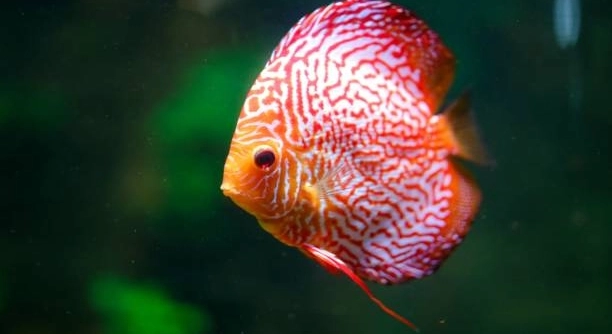
Why Do Discus Spit Out Their Food?

Discus fish are popular among aquarium enthusiasts for their vibrant colors and graceful movements. They often show interesting behaviors during feeding, which can sometimes puzzle owners. One such behavior is when discus spit out their food shortly after taking it in. Discus fish may spit out their food due to stress, poor water quality, or … Read more
Are Discus Fish Active During the Night?

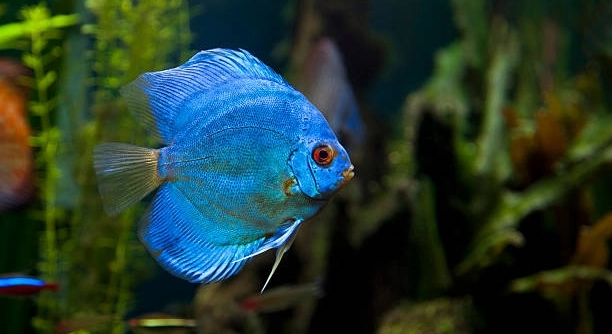
Do you ever find yourself watching your discus fish at night and wondering what they might be doing when the lights are off? Discus fish are not highly active during the night. As diurnal animals, they are most active during daylight hours and tend to rest when it gets dark, exhibiting minimal movement and seeking … Read more

How to Tell If Discus Eggs Are Fertile (7 Signs)

Are your discus eggs developing as expected in your aquarium? Watching discus fish breed can be exciting, but knowing if the eggs are fertile is key to successful hatching. Understanding the signs will help you care for them better. Fertile discus eggs typically show distinct characteristics such as a clear, round shape with a visible … Read more

7 Differences Between Wild and Captive Discus

Wild and captive discus fish show many differences in their behavior, appearance, and environment. Understanding these differences helps aquarists care for these beautiful fish better. Knowing what sets them apart makes keeping discus more rewarding and successful. Wild discus naturally live in complex river systems with varied water conditions and natural diets, while captive discus … Read more

Why Do Discus Spit Out Food Right After Eating?

Discus fish are known for their vibrant colors and unique behaviors in the aquarium. One common concern among owners is when discus spit out food shortly after eating. This behavior can be puzzling and may raise questions about their health and diet. Discus spitting out food after eating is often due to stress, poor water … Read more

How Often Should Discus Tanks Be Vacuumed?

Keeping a discus tank clean is important for the health of the fish. Regular maintenance helps maintain water quality and prevents buildup of waste. Vacuuming the tank is a common practice among discus keepers to keep their environment healthy. Discus tanks should generally be vacuumed once a week to remove uneaten food, fish waste, and … Read more

Why Do Discus Fish Sometimes Swim Head Down?

Have you ever noticed your discus fish swimming at a strange angle and wondered if something might be wrong with their health? The head-down swimming posture in discus fish is most often caused by swim bladder issues, stress, poor water quality, or internal parasites. Each of these factors can affect the fish’s balance and behavior. … Read more

How to Know If Your Discus Needs Medication

Caring for discus fish can be rewarding, but sometimes these colorful pets show signs that something might be wrong. Knowing when your discus needs medication is important for their health and well-being. Early attention can make all the difference in recovery. Discus fish require medication when they display clear symptoms such as lethargy, loss of … Read more

7 Things That Shorten the Lifespan of Discus

Discus fish are popular in many home aquariums because of their vibrant colors and graceful movements. Keeping them healthy requires attention to several important factors. Many owners want to know what might shorten their discus’ lifespan. Several common factors can reduce discus lifespan, including poor water quality, incorrect diet, inadequate tank size, stress from overcrowding, … Read more

7 Ways to Prevent Ammonia Spikes in Discus Tanks

Ammonia spikes in discus tanks can cause serious harm to these delicate fish. Keeping ammonia levels stable is essential for their health and well-being. Understanding common causes and prevention methods helps maintain a safe aquatic environment for discus. Preventing ammonia spikes requires consistent tank maintenance, proper filtration, controlled feeding, and regular water changes. Monitoring water … Read more