
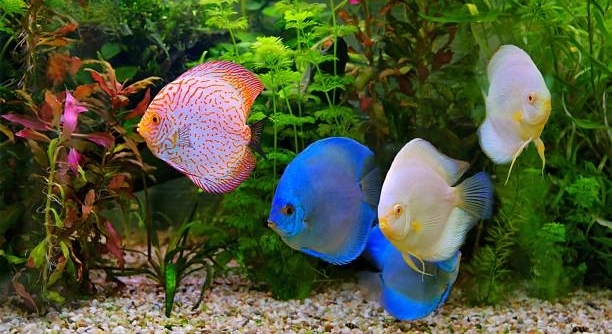
Do you ever find yourself watching your discus fish at night and wondering what they might be doing when the lights are off?
Discus fish are not highly active during the night. As diurnal animals, they are most active during daylight hours and tend to rest when it gets dark, exhibiting minimal movement and seeking calm areas in the tank.
Understanding their nighttime behavior can help you create a stress-free environment and support healthier routines for your discus fish in the long term.
What Do Discus Fish Do at Night?
During the night, discus fish prefer to rest quietly near the bottom or in sheltered parts of the aquarium. Their activity slows down, and they avoid swimming much unless disturbed. They may hover close to plants or decorations where they feel safe. This behavior helps them conserve energy and reduces stress. Their natural rhythm follows the light-dark cycle, and consistent lighting patterns can improve their overall health. Sudden movements or bright lights during the night can cause them to panic, so a calm nighttime environment is important. If the tank is placed in a room with frequent nighttime activity, it may affect their rest. Try to use a timer for tank lighting to mimic a natural day-night cycle. Some fishkeepers also use a dim night light to gently illuminate the tank without disturbing the discus. Understanding these habits helps you care for them better and prevent unnecessary stress in your aquarium.
Discus fish may appear motionless at night, but this behavior is normal and should not be mistaken for illness or distress.
Watching them settle into a quiet, almost still state at night can feel calming and shows they are comfortable in their tank.
Why Rest Matters for Discus Fish
Rest helps discus fish regulate their metabolism and maintain strong immune systems. Like many fish, they rely on this period of low activity to support physical and mental balance.
Discus fish do not sleep in the same way mammals do, but their periods of low activity at night are vital to their health. During these hours, their body functions slow down, and they remain alert to danger but avoid unnecessary movement. This resting state prevents exhaustion and supports their natural immune response. Fish that do not get proper rest can become more prone to illness and stress. Constant stimulation, irregular light cycles, or tank mates that disturb them during the night can affect their rest patterns. To encourage proper rest, keep the tank in a quiet area during the evening and avoid turning on bright lights suddenly. Make sure the tank has plenty of shaded areas or plants, which offer them comfort and security. Following a steady light schedule will help reinforce their routine, keeping your discus fish healthier and more balanced over time.
How Tank Conditions Affect Night Behavior
Poor tank conditions can disrupt your discus fish’s ability to rest at night. Noise, sudden lights, or unstable water parameters can cause stress, making them more active when they should be calm. Keeping things stable helps maintain their natural rhythm.
Water quality plays a major role in how discus fish behave at night. High ammonia or nitrate levels can make them uncomfortable and restless. A clean, well-filtered tank with regular water changes supports their health and encourages proper rest. Lighting is also important—abrupt changes can startle them. Use a timer to gradually transition from light to dark, avoiding stress. Keep the tank in a calm spot, away from TVs or loud noises. Temperature fluctuations can also affect them, so maintain a stable range between 82°F and 86°F. Making these adjustments ensures that their environment supports quiet, restful behavior during the night hours.
Choosing proper tank decor helps too. Include plants and hiding spots to give your discus fish a sense of security while they rest. These sheltered areas help reduce anxiety and provide calm spaces to retreat at night. Even small changes to layout or lighting can make a big difference in how relaxed your fish feel after dark.
Tank Mates and Their Impact on Night Activity
Some tank mates can disturb discus fish at night by swimming actively or causing tension in shared spaces. It’s important to choose species that follow similar rest patterns and don’t create stress after dark.
Avoid aggressive or fast-moving fish that may chase or bump into your discus, especially during the night when they’re less active. Fish like tetras, corydoras, and peaceful dwarf cichlids tend to be better choices since they respect space and follow calm routines. Be mindful of bottom dwellers too, as some species become more active after lights go out. Overcrowding can also lead to nighttime stress, so keep your tank balanced and spacious. Observe your fish closely after adding new tank mates. If your discus start hiding more or show signs of stress, consider rearranging the tank or removing problematic fish. Maintaining harmony in the aquarium helps protect your discus fish’s rest and supports their long-term well-being.
Light Exposure and Sleep Quality
Too much light at night can interrupt your discus fish’s rest. They need a clear difference between day and night to maintain a natural rhythm. Keeping lights on too long can cause confusion and stress.
Use a timer to create a consistent light schedule. Aim for 10 to 12 hours of daylight, followed by complete darkness or dim lighting.
How Feeding Times Affect Night Behavior
Feeding your discus fish too close to bedtime can affect their ability to rest properly. Their digestion takes time, and eating late can make them more active during hours when they should be slowing down. Try to feed them earlier in the evening, allowing enough time for digestion before nightfall. Sticking to a steady feeding routine helps regulate their activity and supports a more restful night. Avoid overfeeding as well, since uneaten food can lower water quality overnight. Consistency in both feeding and lighting helps your discus fish develop predictable rest habits, leading to a healthier and calmer aquarium environment.
Recognizing Stress During the Night
If your discus fish are darting, hiding constantly, or changing color at night, it could be a sign of stress. Watch for patterns and adjust lighting, tank mates, or noise levels to help them settle.
FAQ
Do discus fish sleep at night?
Discus fish do not sleep the same way humans do, but they do rest. At night, they become still, lower their activity, and may hover near plants or in corners of the tank. Their color might fade slightly, which is normal during this rest phase. They remain alert and can react quickly if startled, but their metabolism slows. This resting period is important for their health. Keeping their environment quiet and stable helps them maintain proper nighttime behavior. Avoid disturbing them with lights, noise, or sudden movements after dark.
Can discus fish see in the dark?
Discus fish have limited vision in total darkness. They rely more on their lateral line system, which senses movement and vibrations in the water. This helps them stay aware of their surroundings even with little to no light. However, they do best with a natural day-night rhythm. Too much light or sudden darkness can stress them. A dim night light may help them feel safer if the room is not consistently dark or if there are sudden changes in brightness.
Should I turn off the aquarium light at night?
Yes, turning off the aquarium light at night is important. Discus fish need a clear difference between day and night to stay healthy. Keeping the light on for too long can confuse their internal clock and lead to stress or poor rest. Use a timer to switch the lights off after 10 to 12 hours of daylight. If you’re worried about total darkness, a soft, dim night light is fine, but it should not be too bright.
Why are my discus fish hiding more at night?
It’s normal for discus fish to hide at night as part of their resting behavior. However, if they seem more anxious or hide constantly, it could be a sign of stress. Loud noises, sudden lights, or aggressive tank mates may be bothering them. Check the environment around the tank—television glare, loud music, or people passing by might make them uneasy. Make sure the tank has enough hiding spots like plants or decorations to help them feel secure.
Do discus fish need complete silence at night?
Discus fish do better in a calm environment during the night. While complete silence isn’t necessary, loud or sudden noises can cause stress and disturb their rest. Try to keep the room where the tank is located quiet in the evening. Avoid playing loud music, tapping the glass, or placing the tank near busy household areas. The filter and air pump noises are usually fine, as they become part of the background for the fish.
Is it okay to watch my discus fish at night?
It’s okay to observe them quietly, but avoid turning on bright lights. Use a dim night light or ambient room lighting if needed. Sudden brightness can startle them and cause erratic swimming or hiding. If you must check on them, do it gently and keep any noise to a minimum. Watching them calmly rest can be enjoyable and helps you notice if anything seems off in their behavior or appearance.
How can I tell if my discus fish are not resting well?
Signs of poor rest include pacing, darting, hiding excessively, or showing faded or blotchy colors. They may also seem jumpy or reactive to small movements. If this happens, review your tank’s lighting schedule, noise levels, and water parameters. Inconsistent lights or disturbances near the tank can be the cause. Healthy, well-rested discus fish will look calm, slightly still, and usually remain near familiar spots in the tank during the night.
Can I keep the room light on at night if the tank light is off?
Room lighting can affect discus fish, even if the tank light is off. If the room stays bright at night, your fish might not get the rest they need. Use curtains or blinds to reduce outside light, and keep room lights low after sunset. A calm, darker environment helps them rest better. If the tank is in a high-traffic room, consider moving it to a quieter space or using a background screen to block extra light.
Final Thoughts
Discus fish are beautiful, sensitive creatures that need a peaceful environment to stay healthy. Understanding how they behave at night can help you care for them better. They are not very active once the lights go off. Instead, they slow down and stay close to one spot, often hiding behind plants or decorations. This quiet behavior is normal and shows they feel safe. You might notice their color fading a little at night, which is also a sign that they are resting. As long as they are not darting around or showing signs of distress, you don’t need to worry.
The conditions in the tank play a big role in how well your discus fish sleep. Keeping a steady light cycle, avoiding sudden noise or movement, and maintaining good water quality all support healthy night behavior. If your tank is near a loud area or stays bright at night, your discus may feel stressed and have trouble resting. Using a timer for lights and creating shaded areas in the tank can make a big difference. Feeding them earlier in the day and choosing peaceful tank mates are also helpful. Everything from lighting to tank layout works together to support their natural rhythm.
Taking time to notice how your discus fish act after dark can help you learn more about their needs. When they’re calm and still at night, it’s a sign your setup is working well. If they seem nervous or unsettled, small changes to lighting or tank location can help. Keeping their space quiet and comfortable shows care and improves their health. Discus fish may not need complete darkness, but they do need consistency and peace during the night. Creating this calm routine will not only help them rest better but also make them feel safe and secure in their environment. A peaceful night for your discus fish leads to a better day for them—and a more enjoyable aquarium for you.

Hello,
If you enjoy the content that we create, please consider saying a "Thank You!" by leaving a tip.
Every little bit helps us continue crafting quality advice that supports the health, happiness, and well-being of pets around the world, for pets of all shapes, sizes, and species.
We really appreciate the kindness and support that you show us!