
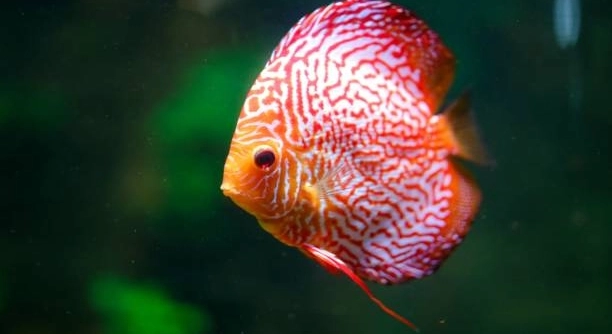
Have you ever noticed your discus fish swimming at a strange angle and wondered if something might be wrong with their health?
The head-down swimming posture in discus fish is most often caused by swim bladder issues, stress, poor water quality, or internal parasites. Each of these factors can affect the fish’s balance and behavior.
Learning what leads to this behavior can help you respond quickly and protect your discus fish from further harm.
Why This Behavior Happens in Discus Fish
Discus fish swimming with their heads pointing down can be a sign of trouble in the tank. This posture usually means something is affecting their swim bladder, a small organ that helps with balance and buoyancy. When this organ doesn’t work properly, the fish may struggle to swim normally. Poor water conditions, such as high ammonia or nitrate levels, are one of the most common causes. Stress from overcrowding, loud noises, or sudden changes in the tank can also lead to odd behavior. Internal parasites, especially ones that affect digestion and organs, may also play a part. Discus fish are sensitive by nature, so even small changes can throw them off balance.
Keeping your tank clean and stable is one of the best ways to reduce stress and avoid issues like this. Regular checks and water testing are key to catching problems early.
Another factor worth checking is the diet. A poor or unbalanced diet can lead to digestive problems, which in turn may press on the swim bladder and affect movement. Make sure your discus are eating food that’s easy to digest and specifically designed for their needs. Freeze-dried or live foods should always be handled carefully and not overfed.
What You Can Do About It
Quick action is important if your discus fish begin to swim head-down. Start by testing the water to check for imbalances in pH, ammonia, nitrite, or nitrate levels.
Once you rule out water issues, watch the fish closely for signs of bloating, weight loss, or stringy waste, which may point to parasites. A medicated food or treatment may be needed if parasites are suspected, but always consult with a vet or experienced aquarist before starting anything new. Consider adjusting feeding routines—try fasting for a day or switching to a gentler food source. Lowering stress by keeping lighting soft and limiting traffic around the tank can also help. Quarantining the affected fish may be helpful in some cases, especially if others seem fine. Pay attention to any small improvements or worsening signs, and adjust care as needed. Helping your discus recover may take a little time, but with the right changes, most fish respond well.
Common Triggers You Might Overlook
Even small changes in your tank setup can affect how your discus fish behave. Decorations that shift, strong currents, or unstable lighting can create stress and confusion, leading to unusual swimming patterns like head-down movement.
Some filters create strong water movement that can be too intense for discus fish. If they constantly fight the current, it may wear them out and affect their posture. Bright or flickering lights may also make them feel unsettled. Check for changes in your tank setup that could cause discomfort. Avoid placing loud equipment nearby or suddenly rearranging decorations. Even a mirror or reflection can confuse them. Keeping a steady, calm environment helps discus feel safe and stay balanced. Watch how they react to their surroundings, especially after adding or changing anything.
Another common issue is temperature. Discus fish prefer warm water, usually between 82°F and 86°F. If the water gets too cold, their metabolism slows down, and this can affect their ability to swim normally. Sudden drops in temperature are especially hard on them. It’s important to use a reliable heater and thermometer. Make sure the temperature stays steady throughout the tank, as some heaters only warm specific areas. Check for cool spots and avoid placing tanks near windows or drafts.
When to Seek Help
If your discus shows no improvement after a few days of care, it might be time to reach out to an expert. Persistent issues could mean an internal infection or parasite that needs medication.
Veterinarians who specialize in aquatic animals can provide specific guidance and suggest treatments that are safe for discus. If you don’t have access to a vet, contacting a local aquarium store with experienced staff can help too. Describe all the symptoms clearly, including behavior changes, appetite, and appearance. Keep a log of water test results and recent changes to the tank. This can make it easier to figure out what’s going on. Acting early gives your discus the best chance of recovery. Sometimes a combination of stress, water quality, and illness is involved, and getting professional help can keep things from getting worse.
Helpful Tank Adjustments
Lowering the water flow can make a big difference if your discus seem to struggle. Use a sponge filter or adjust your existing filter to create a gentler current throughout the tank.
Keep the tank lighting soft and steady. Avoid flickering lights or sudden changes in brightness, which can stress discus.
Feeding Tips That Support Recovery
Stick to easy-to-digest foods like high-quality pellets or flakes made for discus. Avoid fatty or rich foods during recovery. If bloating is a concern, try feeding shelled peas in small amounts. Limit feedings to once or twice a day and watch how your fish respond. Soaking dry food in tank water before feeding can help with digestion. Remove any leftover food quickly to prevent water problems. A short fasting period of 24–48 hours can also give their system a break, especially if they show signs of constipation.
Keeping Track of Changes
Use a small notebook or app to log water tests, feeding times, and behavior. Tracking patterns makes it easier to spot problems early.
Why does my discus fish swim head down but still eat normally?
Discus fish can sometimes swim head down even if they are otherwise healthy and eating well. This behavior can result from mild swim bladder issues or minor stress that doesn’t stop them from feeding. Sometimes, changes in tank conditions, like a slight drop in temperature or a stronger current, make them swim awkwardly. If they keep eating and don’t show other signs like bloating or lethargy, it’s usually a temporary issue. Keep monitoring water quality, feeding habits, and behavior. Adjusting tank conditions gently often helps them return to normal posture without medical treatment.
Can head-down swimming be caused by water quality issues?
Yes, poor water quality is a common cause of abnormal swimming behavior. High ammonia, nitrites, or nitrates can stress discus fish, causing them to lose balance or swim oddly. Sudden changes in pH or temperature can also affect their swim bladder function. Regular water testing and maintenance are essential. A clean, stable environment supports their health and prevents problems that cause head-down swimming.
Is head-down swimming always a sign of illness?
Not always. While it can indicate swim bladder disease or parasites, it might also be a reaction to stress, diet, or environmental changes. Discus fish are sensitive, and even minor disturbances can affect their swimming. If the fish otherwise looks healthy and behaves normally, it may just be an adjustment phase. However, if symptoms worsen or persist, medical causes should be explored.
How long does it take for discus fish to recover from swim bladder problems?
Recovery time varies depending on the cause and treatment. Mild cases caused by diet or stress may improve within a few days to a week. More serious infections or parasites can take several weeks and require medication. Patience and consistent care, including water changes and proper feeding, are key. Always follow any treatment plan carefully and avoid rushing changes.
Can diet cause discus fish to swim head down?
Yes, diet plays a big role. Feeding rich or fatty foods can cause digestive issues that press on the swim bladder, leading to swimming problems. Overfeeding or giving food that’s hard to digest can also cause bloating. Feeding smaller amounts, high-quality foods, and occasionally fasting can help prevent these issues.
Should I isolate a discus fish that swims head down?
Isolation can help if you suspect illness or parasites. Quarantining the affected fish protects others and makes treatment easier. However, discus fish are social and can become stressed if kept alone for too long. Keep the quarantine tank comfortable and limit isolation to the necessary period.
Are there tank equipment changes that help discus fish with swim bladder problems?
Yes, reducing strong currents by adjusting filters or using sponge filters helps. Softer lighting also reduces stress. Avoid sudden changes in temperature or water chemistry. Providing hiding spots with plants or decorations can make fish feel safer and reduce erratic swimming.
Can head-down swimming indicate stress rather than illness?
Absolutely. Stress from overcrowding, loud noises, or sudden tank changes often shows in behavior before health declines. Keep the environment calm, stable, and clean to minimize stress. Recognizing stress early can prevent more serious problems.
Is medication always needed when discus fish swim head down?
Not always. If the cause is stress or diet, simple tank adjustments and feeding changes might be enough. Medication is needed when swim bladder problems result from infections or parasites. Always diagnose carefully before using medicines to avoid unnecessary treatments that might harm the fish or tank balance.
How can I prevent my discus fish from swimming head down in the future?
Maintain excellent water quality with regular testing and changes. Feed a balanced, high-quality diet and avoid overfeeding. Keep tank conditions stable—avoid sudden changes in temperature, lighting, or decorations. Monitor fish regularly for early signs of stress or illness. A calm and consistent environment supports healthy swimming behavior over time.
When discus fish swim with their heads pointing down, it can be worrying, but it does not always mean something serious. This behavior often signals issues like swim bladder problems, stress, or poor water quality. Sometimes, minor changes in the tank or diet cause these symptoms, and with proper care, discus can recover well. Paying attention to their environment and health is important to keep them swimming normally and feeling comfortable.
Maintaining a stable tank environment is one of the best ways to prevent head-down swimming. This includes regular water testing, keeping temperature steady, and avoiding sudden changes in lighting or decorations. Feeding discus fish a balanced diet that is easy to digest helps avoid digestive problems that may affect their swim bladder. Observing their behavior daily can help catch any problems early. If you notice any signs of illness or persistent strange swimming, it’s important to act quickly by adjusting care or seeking advice from an expert.
In some cases, discus fish may need medical treatment, especially if parasites or infections are involved. However, many cases improve with simple tank adjustments and feeding changes. Being patient and consistent with care gives your fish the best chance to get back to normal. Overall, understanding what causes head-down swimming and how to respond can help you support your discus fish’s health and happiness over time. Taking good care of them creates a calm, balanced environment where they can thrive.

Hello,
If you enjoy the content that we create, please consider saying a "Thank You!" by leaving a tip.
Every little bit helps us continue crafting quality advice that supports the health, happiness, and well-being of pets around the world, for pets of all shapes, sizes, and species.
We really appreciate the kindness and support that you show us!