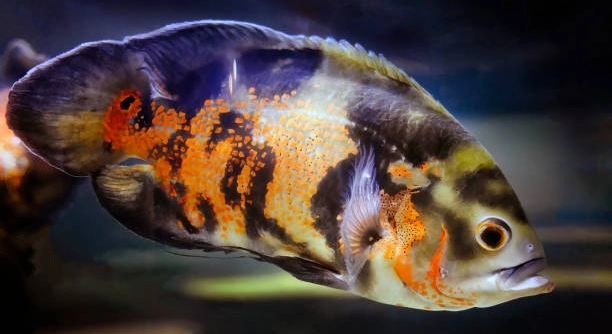
Why Do Cichlids Push Each Other’s Faces?
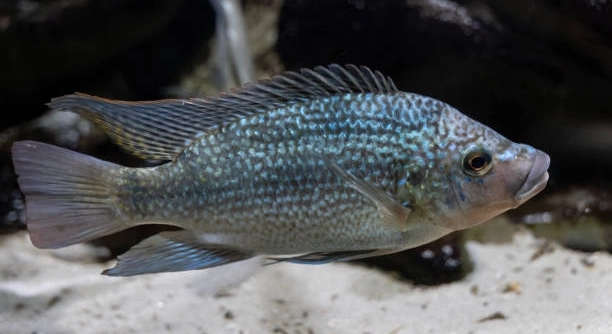
Cichlids are colorful freshwater fish that often display curious behaviors in their tanks. Among these actions, face pushing is one of the most noticeable and frequent interactions you may observe. It can seem strange at first glance. Face pushing in cichlids is primarily a territorial and social behavior. Fish use this action to establish dominance, … Read more
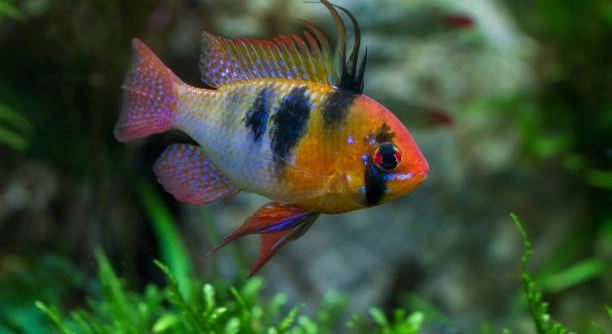
Why Are My Convict Cichlids Digging So Much?

Have you ever noticed your convict cichlids constantly moving sand and rearranging their tank? Their persistent digging can be puzzling, but it is actually a natural part of how these fish interact with their environment. Convict cichlids dig primarily to create territories and secure nesting areas. This behavior is instinctual and linked to reproduction, as … Read more

7 Mistakes New Cichlid Owners Often Make

Many people start keeping cichlids without realizing how much care these fish need. They can be colorful and lively, but small mistakes in tank setup or feeding can quickly cause problems for beginners. New cichlid owners often make mistakes related to tank size, water quality, diet, and compatibility with other fish. Overlooking these factors can … Read more

7 Traits of a Healthy Convict Breeding Pair

Keeping convict cichlids healthy starts with understanding their natural behaviors and needs. Observing their activity, coloration, and interactions can provide early signs of a compatible breeding pair, ensuring they thrive together in a shared environment. A healthy convict breeding pair displays strong physical condition, vibrant coloration, balanced temperament, proper size ratio, active feeding behavior, clear … Read more

Do Convict Cichlids Have a Pecking Order?

Convict cichlids are known for their vibrant colors and energetic behavior, making them popular among aquarium enthusiasts. These small fish display intriguing social patterns that can influence how they interact within a tank environment. Convict cichlids do establish a clear pecking order within their groups. Dominance hierarchies are formed through displays of aggression, territorial behavior, … Read more

7 Things That Stress Out Convict Cichlids

Convict cichlids are lively fish that bring energy and color to home aquariums. Caring for them can be rewarding, but their well-being depends on a calm and stable environment to thrive properly. Several factors can cause stress in convict cichlids, including overcrowding, poor water quality, improper diet, sudden changes in temperature, aggressive tankmates, lack of … Read more

How Often Do Convict Cichlids Lay Eggs?

Have you ever noticed your convict cichlids pairing up in the tank and wondered what comes next? Watching their behavior can be fascinating, especially when you see them cleaning a flat surface together. Their routines are surprisingly organized. Convict cichlids typically lay eggs every two to four weeks under optimal conditions. Factors such as water … Read more

7 Essential Tools for Every Cichlid Keeper

Caring for cichlids can be both rewarding and challenging. Many new keepers find themselves unsure which tools are truly essential for maintaining a healthy and thriving aquarium environment. Understanding the basics makes the process easier. The seven essential tools for every cichlid keeper include a reliable water testing kit, quality filtration system, sturdy nets, substrate … Read more

Why Do Fry Hide in Tank Corners?

Fry are small, fragile fish that often behave differently from adult fish in an aquarium. They tend to stay in certain areas of the tank, moving cautiously and avoiding open spaces as they grow. Their movements are careful and deliberate. Fry hide in tank corners primarily for safety and protection. Corners provide shelter from strong … Read more

7 Clues That Fry Are Developing Slowly

Fry are a delicate stage in fish development, requiring careful attention to ensure healthy growth. Observing their behavior, feeding, and environment can help identify early signs of slow development before problems worsen. Regular monitoring is essential. Fry that develop slowly often display smaller size, weaker swimming, reduced feeding response, and delayed physical growth compared to … Read more