
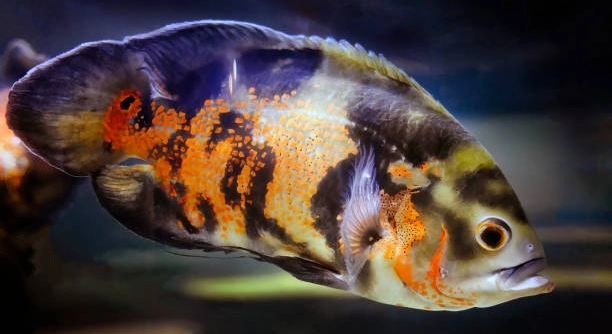
Fry are a delicate stage in fish development, requiring careful attention to ensure healthy growth. Observing their behavior, feeding, and environment can help identify early signs of slow development before problems worsen. Regular monitoring is essential.
Fry that develop slowly often display smaller size, weaker swimming, reduced feeding response, and delayed physical growth compared to healthy counterparts. Environmental stressors, water quality, or nutritional deficiencies are common contributing factors affecting their overall development.
Recognizing these early signs allows you to make timely adjustments to care routines. Small changes can significantly impact their growth and long-term health, ensuring the fry reach their full potential.
Slow Swimming and Lethargy
Fry that develop slowly often swim less actively and appear lethargic. Instead of exploring their tank, they may hover near the bottom or cling to surfaces. This lack of movement can indicate weak muscles, low energy, or inadequate nutrition. Observing fry in groups can help spot which ones are slower. If most fry swim normally but some lag behind, it may point to individual health issues rather than environmental problems. Slow swimming can also affect feeding, as fry may struggle to reach food, leading to further growth delays. Maintaining proper water quality, temperature, and nutrition can improve activity levels. Gentle water currents help encourage natural swimming and exercise. Avoid overcrowding, as too many fry in one tank can increase competition and stress, further slowing development. Keeping a close eye on behavior patterns allows early intervention to support weaker fry, giving them a better chance to catch up with their peers and develop normally over time.
Slow swimming often signals deeper health or environmental issues that need immediate attention to prevent long-term developmental delays.
Addressing lethargy requires examining water conditions, tank size, and feeding routines. Poor water quality can lead to stress and weakened immunity, making fry more vulnerable. Ensuring adequate nutrition with appropriate fry food promotes energy and muscle development. Adding small, gentle water currents encourages swimming and natural activity, which strengthens fry. Monitoring closely allows early identification of individuals that need extra care. Overcrowding should be avoided, as it increases stress and limits access to food. Gradually adjusting environmental factors can significantly improve movement and growth. By creating optimal conditions, even slower fry can catch up and thrive alongside healthier peers.
Reduced Appetite
Fry that eat less than others are often developing more slowly. Reduced feeding can be subtle at first but becomes more noticeable over time.
Slowly developing fry may ignore food, nibble lightly, or compete poorly with siblings. This can result from stress, illness, or improper nutrition. Poor appetite limits energy intake, slowing growth. Offering frequent, small portions of easily digestible food helps improve feeding. Fry may benefit from specialized diets like infusoria, baby brine shrimp, or finely crushed flakes. Observing their feeding habits daily helps identify which fry need extra attention. Adjusting water conditions, maintaining cleanliness, and reducing stressors can encourage better appetite. Patience is key, as fry may take time to adjust to changes. Supplementing with high-quality foods ensures they receive essential nutrients, supporting proper development and increasing survival rates. Consistent care and monitoring allow slower fry to gain strength, gradually matching the growth of their peers. Over time, improved feeding behavior significantly enhances overall health and development, ensuring a stronger, more active group of fry.
Stunted Growth
Fry that are smaller than their siblings often show stunted growth. Consistent size differences can indicate nutritional deficiencies, poor water conditions, or genetic factors affecting development. Early attention helps prevent long-term issues.
Stunted growth usually results from insufficient food or improper diet. Fry require frequent feeding with food small enough to consume easily. If they cannot compete with larger siblings, their growth slows. Poor water quality, including inappropriate temperature, pH, or ammonia levels, can also limit development. Maintaining clean tanks and providing high-quality nutrition promotes uniform growth. Monitoring the fry regularly helps identify those falling behind. Adjusting feeding schedules, supplementing with specialized foods, and ensuring all fry have access to meals can gradually improve growth rates, allowing smaller fry to catch up. Environmental consistency reduces stress and supports steady development over time.
Genetic factors may also play a role in stunted growth. Some fry are naturally smaller or slower to develop. Even with optimal care, these fry may remain smaller than their siblings. However, maintaining proper nutrition and water quality ensures they remain healthy and active. Observing behavior alongside size helps determine if intervention is needed. Providing gentle currents, space, and adequate hiding spots encourages natural growth and movement. Keeping track of slow-growing fry allows careful management to avoid further delays, improving their overall chances of healthy development.
Pale Coloration
Pale or faded fry often indicate stress, illness, or poor nutrition. Healthy fry display vibrant colors, while pale fry may appear weak and less active. Immediate attention is important to prevent worsening conditions.
Color changes in fry can result from low-quality food, insufficient nutrients, or exposure to stressors such as fluctuating water parameters. Lack of carotenoids and essential vitamins in the diet often leads to paleness. Maintaining stable water temperature, clean tanks, and proper lighting supports natural coloration. Stress from overcrowding or aggressive tankmates can also dull color, signaling the need for adjustments. Providing a balanced diet with color-enhancing foods encourages recovery.
Monitoring pale fry closely helps identify underlying issues early. Regular water testing ensures ammonia, nitrite, and nitrate levels remain safe. Avoid sudden temperature changes, as fry are highly sensitive to environmental shifts. Introducing high-quality live or frozen foods rich in vitamins and carotenoids improves energy and coloration. Reducing stress through proper tank setup and separating aggressive fry allows weaker individuals to recover. Tracking progress over time helps determine if interventions are effective. Gradual improvements in color indicate healthier growth and better overall development, ensuring fry reach their potential in a stable, supportive environment.
Clamped Fins
Clamped fins in fry appear as fins held close to the body rather than spread naturally. This behavior often signals stress, poor water quality, or early illness. Immediate observation is important to prevent further health decline.
Stress, ammonia spikes, or sudden changes in water temperature can cause clamped fins. Ensuring stable, clean water and reducing environmental stressors allows fins to recover.
Slow Gill Movement
Slow gill movement indicates low oxygen intake or potential respiratory issues. Fry may appear less responsive and breathe shallowly, which can affect energy levels and development. Monitoring water oxygenation and cleanliness is essential for supporting normal gill function.
Erratic Swimming
Erratic swimming is when fry move in sudden bursts, spin, or collide with surfaces. This behavior often points to stress, parasites, or poor water quality. Maintaining stable conditions and observing interactions between fry helps identify and correct underlying problems.
Why are my fry developing slower than others?
Fry can develop at different rates due to a combination of environmental, nutritional, and genetic factors. Uneven growth is common in tanks where fry compete for limited food or space. Poor water quality, inconsistent temperature, or ammonia buildup can stress fry and slow their metabolism, reducing energy for growth. Nutrition is a major factor—if the fry diet lacks essential vitamins, proteins, or carotenoids, smaller fry may fall behind. Genetic variation also plays a role; some fry are naturally slower to grow. Observing feeding behavior and tank conditions regularly can help identify which factor is affecting development, allowing for timely adjustments.
How can I improve the growth of slow-developing fry?
Improving growth starts with water quality. Regular water changes, stable temperature, and monitoring pH and ammonia levels are crucial. Fry require small, frequent meals of nutrient-rich food, such as baby brine shrimp, infusoria, or finely crushed high-quality flakes. Separating weaker fry from larger siblings ensures access to food without competition. Gentle currents or aeration encourage natural swimming, which strengthens muscles and aids development. Avoid overcrowding, as it increases stress and limits feeding opportunities. Tracking progress over time shows whether these interventions are effective. Even small improvements in environment and diet can help slow-developing fry catch up to their peers and reduce health risks.
What signs indicate my fry are stressed?
Stress in fry often appears as clamped fins, pale coloration, erratic swimming, or lethargy. Fry may stay near the tank bottom or hide excessively. Slow gill movement or refusal to eat can also indicate stress. Causes include overcrowding, aggressive tankmates, sudden water parameter changes, or poor nutrition. Observing fry behavior daily allows early identification of stress, preventing long-term health problems. Adjusting water quality, providing hiding spots, and ensuring sufficient nutrition are key steps to reduce stress and support healthy growth.
Can water quality really affect fry development?
Yes, water quality is one of the most critical factors in fry development. High ammonia or nitrite levels, fluctuating temperature, or incorrect pH can weaken fry, reduce appetite, and slow growth. Clean water with stable parameters ensures fry expend energy on growth rather than survival. Frequent water testing and partial water changes help maintain an optimal environment. Proper filtration and aeration prevent oxygen depletion and maintain healthy conditions. Even small changes in water quality can make a noticeable difference in fry health and activity levels.
Is feeding frequency important for fry growth?
Absolutely. Fry have tiny stomachs and need frequent, small meals to grow properly. Offering food multiple times a day ensures consistent energy and nutrient intake. Overfeeding can pollute the water, so balance is important. Foods like infusoria, baby brine shrimp, or finely ground flakes provide essential proteins and vitamins. Observing which fry struggle to eat allows targeted care. By managing feeding frequency and diet quality, fry can develop more uniformly, reducing size gaps and improving overall survival rates.
When should I intervene if fry are slow to develop?
Intervention should happen as soon as consistent signs appear, such as stunted growth, slow swimming, or poor feeding. Early action prevents complications like illness, aggression, or starvation. Evaluate water conditions, feeding practices, and tank setup before making changes. Sometimes separating weaker fry helps them access food and reduces stress. Introducing nutrient-rich diets and stabilizing water parameters can help fry catch up. Waiting too long can result in permanent developmental delays, so monitoring closely and acting promptly is essential for their health.
Can genetics affect fry growth rate?
Yes, genetics play a role in fry development. Some fry are naturally smaller or slower-growing due to inherited traits. Even with ideal care, these fry may lag behind peers. Genetic factors may also influence coloration, fin shape, and overall resilience. While environment and nutrition can improve growth, genetics set natural limits. Recognizing this helps set realistic expectations for development and allows tailored care to support slower fry without unnecessary stress.
How can I tell if slow growth is temporary or permanent?
Temporary slow growth is often linked to stress, poor water conditions, or inadequate nutrition. Fry will gradually catch up once conditions improve. Permanent slow growth usually stems from genetic limitations or chronic health issues. Monitoring size, activity, and feeding response over several weeks helps distinguish between temporary setbacks and permanent delays. Regular observation allows targeted interventions for weaker fry, supporting them in achieving their potential.
What steps can prevent slow fry development in the future?
Maintaining stable water conditions, consistent temperature, and clean tanks prevents stress and promotes uniform growth. Feeding small, frequent meals of nutrient-rich foods ensures proper nutrition. Avoid overcrowding and provide hiding spots to reduce competition and stress. Separating fry by size when necessary allows equal access to food. Routine monitoring and proactive care create an environment where all fry can thrive, minimizing slow growth. Early attention to these factors significantly improves overall health, activity, and survival rates of fry.
How long does it take for fry to reach normal growth?
Growth rates vary by species, water conditions, and diet quality. Under optimal care, fry can show noticeable improvement within days to weeks. Consistency in feeding, water quality, and reducing stress ensures steady development. Monitoring progress helps determine if growth is on track. With proper care, slower fry often catch up to their peers, achieving normal size and activity over time. Patience and attentive care are essential, as rapid changes in environment or diet can disrupt growth patterns and prolong development.
Word count: 504
Observing fry as they develop is an important part of keeping fish healthy. Fry are delicate and need stable water, proper nutrition, and enough space to grow. Small differences in behavior, size, or appearance can be early signs that something is affecting their growth. Paying attention to these signs helps prevent long-term problems. Fry that swim slowly, eat less, or appear pale often need closer monitoring. By noticing these differences early, you can adjust care routines to support weaker fry. Regular observation allows you to act before small issues turn into bigger health problems. Over time, consistent attention ensures all fry have the chance to develop normally and remain active and healthy in the tank.
Maintaining proper water quality is one of the most effective ways to support fry development. Clean water with stable temperature, proper oxygen levels, and balanced pH keeps fry healthy and reduces stress. Stress can make fry stop eating, swim erratically, or display clamped fins, which can slow development. Regular water testing and partial water changes are simple ways to maintain a safe environment. Feeding also plays a crucial role in growth. Fry require small, frequent meals that are easy to digest, including live foods, baby brine shrimp, or finely crushed flakes. Ensuring all fry have access to food prevents weaker individuals from falling behind. A combination of good water quality and proper nutrition creates a stable foundation that allows fry to grow evenly and remain strong.
Even with careful attention, some fry will develop slower than others. Genetics can influence size, growth rate, and color, meaning not all fry will grow at the same pace. However, supporting fry with consistent care, proper feeding, and a stress-free environment can help them reach their full potential. Monitoring behavior, activity, and feeding responses over time gives insight into their overall health and development. Small adjustments, like separating fry by size or improving water conditions, can make a significant difference. By being observant and attentive, you can ensure that fry not only survive but also thrive, achieving healthier growth and stronger development. Careful management and patience allow even slower-developing fry to catch up, creating a balanced and active group of young fish ready for the next stage of life.
Word count: 406

Hello,
If you enjoy the content that we create, please consider saying a "Thank You!" by leaving a tip.
Every little bit helps us continue crafting quality advice that supports the health, happiness, and well-being of pets around the world, for pets of all shapes, sizes, and species.
We really appreciate the kindness and support that you show us!