
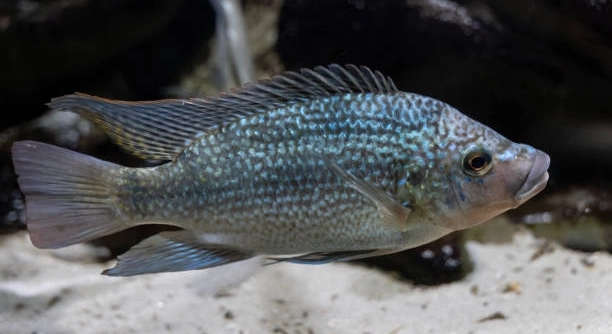
Fry are small, fragile fish that often behave differently from adult fish in an aquarium. They tend to stay in certain areas of the tank, moving cautiously and avoiding open spaces as they grow. Their movements are careful and deliberate.
Fry hide in tank corners primarily for safety and protection. Corners provide shelter from strong currents, reduce exposure to predators, and offer a stable environment that helps them conserve energy and develop properly in their early stages.
Observing fry behavior can reveal important clues about their needs and comfort. Understanding why they prefer corners will help you create a safer and healthier tank environment.
Why Corners Feel Safer
Fry instinctively seek corners because these areas provide a sense of security. Open water exposes them to potential threats, and hiding along walls or behind plants reduces stress. Corners allow them to observe their surroundings without being fully visible. The physical boundaries make them feel sheltered. Additionally, fry have weaker swimming skills compared to adult fish, so staying in corners helps them conserve energy. They are naturally cautious, and corners give them a reliable place to rest and regroup. Over time, fry learn which areas of the tank are safest. By clustering in these spots, they can maintain a low profile while still accessing food. Corners often offer more stable water conditions, with less current and temperature fluctuation. This stability supports their growth and keeps them from drifting into dangerous areas. Providing adequate hiding spaces is essential for reducing stress and promoting healthy development in young fish.
Hiding in corners is a simple strategy fry use to protect themselves and feel secure in their environment.
Fry also use corners to interact safely with tank mates. While they may appear inactive, they are constantly monitoring their surroundings. Corners allow them to feed cautiously while avoiding stronger, more aggressive fish. This behavior also reduces energy loss and prevents unnecessary collisions. As fry grow, they gradually explore more areas, but corners remain a preferred retreat. By understanding this behavior, aquarists can adjust tank setups to include adequate hiding spaces. Observing how fry react to changes in tank layout can offer insight into their comfort level. Properly placed plants, rocks, or artificial shelters encourage natural behavior and support development. Ensuring corners are safe and clean reduces disease risks and stress. Over time, fry that feel secure are more likely to feed consistently and grow stronger. This approach also allows caretakers to monitor fry health more effectively. By prioritizing corners and safe zones, you create an environment that supports growth, reduces stress, and promotes natural instincts for survival.
Adjusting the Tank for Comfort
Providing small hiding spots or gentle decorations can improve fry well-being and encourage natural behavior.
Tank adjustments should focus on safety and accessibility. Corners can be enhanced with plants or soft decorations that do not block swimming paths. Avoid overcrowding and ensure water flow is gentle near these areas. Fry need areas where they can retreat while still being able to access food. Decorations should be smooth to prevent injury, and spacing should allow them to move freely. By strategically placing these safe spots, fry feel more comfortable exploring other areas gradually. Lighting should not be harsh near corners, as fry are sensitive to sudden brightness. Maintaining clean water and consistent temperature around hiding spaces is also crucial. Observing how fry respond to these adjustments can guide further modifications. Over time, providing a balance of open space and sheltered corners supports healthy growth, reduces stress, and encourages more natural movement patterns throughout the tank. This careful planning helps create a stable environment where fry can thrive and adapt safely as they develop.
Feeding and Corners
Fry often stay in corners while feeding to feel safer. They approach food slowly, taking small bites while watching their surroundings. Corners provide a stable place where they can eat without being pushed or startled by other fish.
Feeding in corners helps fry conserve energy and avoid stress. Young fish are not strong swimmers yet, so moving in open water while eating can be exhausting. Corners give them a controlled space to grab food, retreat, and continue feeding safely. By staying close to a boundary, fry reduce exposure to aggressive tank mates. This behavior ensures they get enough nutrients for growth and development. Fry that feel secure while feeding are more likely to eat consistently and thrive over time.
Observing feeding patterns near corners can also reveal social behavior. Fry may cluster together or take turns approaching food, showing a natural hierarchy and caution. Providing multiple feeding spots helps reduce competition and ensures all fry have access to nutrition. Corners act as a calm area, allowing timid fry to eat without fear. Adjusting food placement to include corners encourages natural feeding habits and supports healthy development. This simple strategy balances safety and nutrition for growing fry, improving overall tank dynamics.
Water Flow and Fry Behavior
Gentle water flow is crucial, especially near corners where fry hide. Strong currents can overwhelm them and push them into unsafe areas.
Fry prefer corners because these spots naturally reduce water movement. High flow can tire them out and make feeding difficult. By controlling water circulation, you help fry conserve energy and avoid injuries. Plants or decorations in corners can further slow currents, creating a safe zone. Calm water supports stable temperature and oxygen levels, which is critical for their delicate development.
Corners also act as resting zones during high flow periods. Fry move between open areas and protected corners depending on their activity. Providing areas with varying current allows them to explore while knowing they can retreat if needed. Observing how fry interact with flow patterns can help you adjust filters or decorations for optimal safety. Controlled water movement improves overall health, encourages growth, and reduces stress, making corners more effective as secure hiding spaces.
Stress Reduction in Corners
Corners help fry reduce stress by providing a secure environment. These areas allow them to feel protected from stronger fish and sudden movements. Fry use corners to rest and regain energy safely, minimizing the impact of stress on their growth and health.
Hiding in corners also lowers the risk of injury. When fry feel threatened, they quickly retreat to boundaries. This instinctive behavior prevents collisions and helps them maintain proper development while navigating the tank alongside other fish.
Light and Shade Effects
Fry tend to stay in corners with softer lighting or shaded areas. Bright light can make them feel exposed, so corners with plants or decorations offer protection and comfort while they explore safely.
Observing Growth Patterns
Fry growth can be monitored by watching corner activity. Fish that frequently retreat may need additional hiding spaces or gentler water flow to support healthy development.
FAQ
Why do fry hide in tank corners more than other spots?
Fry hide in corners because these areas feel safer and more stable. Open water exposes them to potential threats, and corners offer boundaries they can use to rest and watch their surroundings. This behavior is natural and helps them conserve energy while staying protected from stronger or faster tank mates. Corners also tend to have calmer water and more stable conditions, which supports their early growth and reduces stress. Providing multiple corners or hiding spots allows fry to feel secure and encourages natural behavior without overcrowding.
Is it normal for fry to spend most of their time in corners?
Yes, it is normal. Fry are cautious by nature and use corners as safe zones while they develop swimming skills. Young fish are still learning to navigate their environment, and corners give them a retreat when they feel threatened or tired. Spending most of their time in corners does not indicate illness or poor tank conditions, as long as they are feeding properly and growing. Over time, as fry gain confidence and strength, they will begin exploring more open areas of the tank.
Will fry starve if they stay in corners while feeding?
Not necessarily. Fry often approach food cautiously from corners. They take small bites and retreat when they feel threatened. To ensure all fry get enough nutrition, it is helpful to scatter food near multiple corners or use floating food that sinks slowly. Observing feeding patterns can help you confirm that each fry is eating regularly. Providing calm feeding areas near corners supports consistent growth while reducing stress caused by competition with more aggressive tank mates.
Do tank decorations affect corner hiding behavior?
Yes, decorations play a significant role. Plants, rocks, and soft structures in corners create additional hiding spaces and reduce water flow. Fry feel more comfortable when corners are shaded and partially enclosed. Smooth decorations without sharp edges prevent injuries, while natural textures allow fry to explore safely. Adjusting decorations can encourage more active exploration or provide extra protection depending on their growth stage. Properly planned decorations balance open swimming areas with secure corners, improving both safety and overall tank dynamics.
How does water flow influence fry hiding in corners?
Fry prefer calm areas, and corners naturally reduce strong currents. High water flow can tire them out, push them into unsafe areas, and make feeding difficult. Gentle flow near corners allows fry to conserve energy and retreat if needed. Using plants or decorations to slow water movement in these areas creates safe zones. Observing fry in relation to water flow can guide filter adjustments and decoration placement, ensuring corners remain effective as protective spaces.
Can lighting impact fry corner preferences?
Yes, lighting affects where fry hide. Bright light can make them feel exposed, so they gravitate toward shaded corners or areas with plants and decorations. Dimmed or diffused lighting near corners encourages fry to explore safely while still providing protection. Maintaining consistent light cycles supports normal behavior and growth while minimizing stress. Fry will gradually become comfortable in brighter areas as they grow stronger, but shaded corners remain essential for their early development.
Should I worry if fry rarely leave corners?
Not immediately. Fry are naturally cautious, and spending time in corners is part of normal behavior. However, if fry avoid feeding or show signs of illness, it may indicate water quality issues, disease, or inadequate hiding spots. Monitoring water parameters, food access, and tank safety ensures that corner behavior reflects natural instincts rather than stress or health problems. Over time, healthy fry will begin to explore more as they grow and gain confidence.
Do corners help fry interact socially?
Yes, corners provide a controlled environment where fry can interact safely. They may cluster together or take turns exploring food and movement areas. Corners reduce competition and aggression, allowing timid fry to engage without fear. Observing social patterns in corners can inform adjustments to tank setup and feeding strategies to promote healthy group dynamics.
Can adding more corners reduce fry stress?
Adding additional corners or hiding spots can lower stress and encourage natural exploration. Multiple secure zones prevent overcrowding and allow fry to move freely while feeling protected. Providing balanced corners across the tank ensures that all fry have access to safe areas, reducing anxiety and promoting consistent growth.
What is the best way to observe fry in corners?
Watch quietly and avoid sudden movements near the tank. Use gentle lighting and minimal disturbances while they feed or rest. Observing from a distance provides insight into feeding habits, social behavior, and energy levels. Recording patterns can help track growth and identify potential issues early, ensuring the tank environment remains safe and supportive.
How do corners support long-term fry development?
Corners provide protection, reduce stress, and allow fry to conserve energy. These secure spaces enable proper feeding, growth, and social interaction without the risk of injury or aggression. Over time, fry gain strength and confidence to explore open areas, but corners remain critical for their early development and overall health.
Final Thoughts
Fry behavior can seem puzzling at first, especially when they spend most of their time hiding in tank corners. This is a natural instinct that helps them stay safe and grow properly. Corners provide physical boundaries that reduce exposure to stronger fish and sudden movements, which can easily startle young fry. By retreating to these areas, fry conserve energy and avoid unnecessary stress. Observing them closely can reveal patterns in their behavior, such as how they feed, rest, and interact with other fry or adult fish. Understanding these patterns is essential for creating a tank environment that supports healthy growth while allowing fry to explore safely as they gain confidence.
Providing the right tank setup plays a key role in supporting fry development. Decorations, plants, and hiding spots in corners make a big difference. They offer shade, reduce water flow, and create secure spaces for fry to feel comfortable. Gentle water currents near corners prevent fry from being pushed around, while smooth surfaces reduce the risk of injury. Feeding practices also benefit from corner placement. Fry can approach food slowly, retreating when they feel unsafe, which allows them to eat without competing aggressively with other fish. Multiple safe spots and careful attention to lighting can further reduce stress and encourage more natural behavior. A balanced tank setup, with both open swimming areas and protected corners, helps fry grow stronger and more confident over time.
Watching fry interact with their environment can also teach valuable lessons about fish care. Their preference for corners highlights how important safety and comfort are in their early life stages. Fry that feel secure are more likely to feed consistently, develop properly, and gradually explore more of the tank. Small adjustments, such as adding extra corners, controlling water flow, or providing gentle lighting, can have a significant impact on their overall health and growth. Paying attention to these details ensures that fry can thrive without unnecessary stress, while also giving caretakers the ability to monitor their development closely. Corners are not just hiding spots; they are essential for creating a stable, supportive environment that allows fry to grow, learn, and eventually become confident, active fish.

Hello,
If you enjoy the content that we create, please consider saying a "Thank You!" by leaving a tip.
Every little bit helps us continue crafting quality advice that supports the health, happiness, and well-being of pets around the world, for pets of all shapes, sizes, and species.
We really appreciate the kindness and support that you show us!