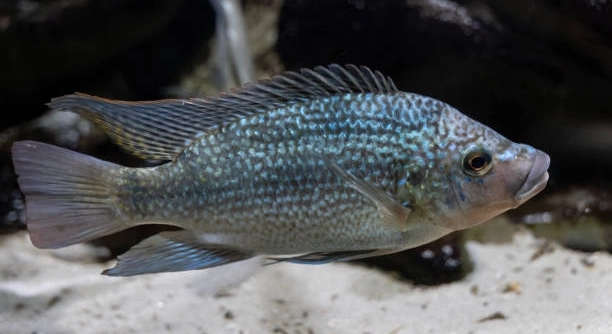
Why Do Cichlids Stay in the Same Spot All Day?
Cichlids are known for their vibrant colors and unique personalities. Many aquarium owners notice that these fish often remain in the same spot for hours. This behavior can be puzzling and a bit concerning for beginners. Cichlids often stay in one location due to territorial behavior, energy conservation, and environmental comfort. Remaining in a familiar … Read more

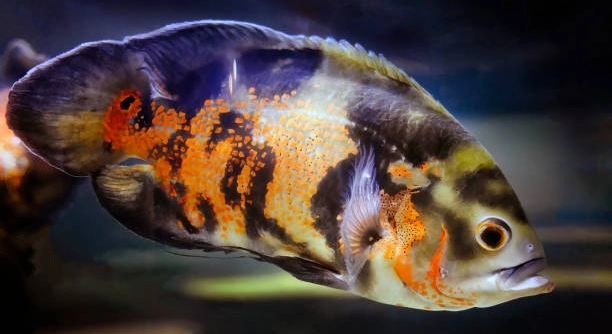
What Happens If You Overfeed Cichlids?

Do you ever notice your cichlids eagerly swimming to the surface whenever you approach with food? Feeding them can feel rewarding, but too much can quietly cause problems in their tank. Observing their behavior closely matters. Overfeeding cichlids can lead to poor water quality, increased algae growth, and digestive issues. Excess food decomposes quickly, producing … Read more

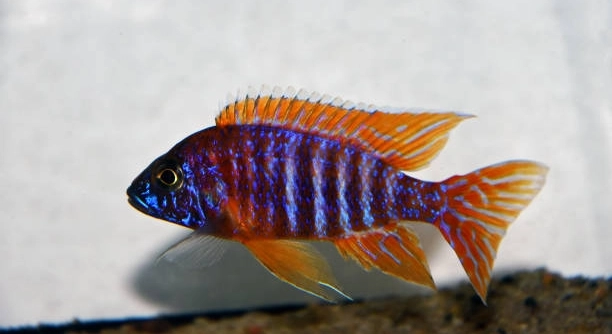
7 Things to Avoid Putting in a Cichlid Tank

Setting up a cichlid tank requires careful choices, because these fish react strongly to their environment, tank mates, and décor, making simple mistakes more stressful, unhealthy, and costly for both beginners and experienced aquarium keepers. The primary concern involves adding unsuitable items that disrupt water quality, territorial behavior, and physical safety. Incompatible fish, sharp decorations, … Read more

7 Ways to Handle Unexpected Fry in a Tank

Unexpected fry appearing in a tank can catch any aquarist off guard. Managing these small, delicate fish requires careful attention to their environment and the needs of the adult fish already present. Handling unexpected fry in a tank involves isolating them to reduce predation, monitoring water quality, providing appropriate nutrition, and maintaining a stable environment. … Read more

Do Convict Cichlids Have a Favorite Tank Side?

Do your convict cichlids seem to spend more time in one corner of the tank than the others? Many aquarists notice these small fish develop preferences for certain areas. Observing their habits can reveal interesting patterns. Convict cichlids often show a tendency to favor one side of the tank, usually influenced by factors such as … Read more

Why Is My Cichlid Breathing Heavily?

Is your cichlid gasping or breathing faster than usual in the aquarium? Watching your fish struggle can be worrying, especially if you are unsure what might be causing this unusual behavior in your tank environment. Heavy breathing in cichlids is often caused by poor water quality, low oxygen levels, high stress, or underlying health issues … Read more

7 Ways to Calm a Cichlid During Maintenance

Keeping cichlids can be rewarding, but maintenance time often stresses them out. These colorful fish are sensitive to sudden changes, and even small disturbances in their environment can make them anxious or hide for long periods. Calming a cichlid during maintenance involves creating a controlled environment, minimizing sudden movements, and using gentle handling techniques. Providing … Read more

7 Water Testing Tips for Cichlid Owners

Do you ever notice your cichlids acting stressed or losing color, even when feeding and care seem consistent in your aquarium setup at home under stable routines that you follow daily with careful attention overall. Consistent water testing is essential for cichlid health because it confirms stable pH, ammonia, nitrite, and nitrate levels. Regular monitoring … Read more

Why Are Convict Cichlids So Protective?

Convict cichlids are small freshwater fish known for their strong family bonds and bold behavior. Many aquarists notice these fish guarding their eggs and fry closely, showing a level of protectiveness uncommon in other small fish. Convict cichlids exhibit protective behavior due to instinctive parental care. Both male and female fish guard their territory and … Read more

7 Signs Your Cichlid Isn’t Feeling Safe

Many aquarists notice subtle changes in their cichlid behavior that signal discomfort or stress within the tank environment, often overlooked until patterns become consistent and disruptive to daily activity and overall wellbeing for captive fish. An unsafe cichlid typically exhibits hiding behavior, heightened aggression, color fading, erratic swimming, reduced appetite, excessive digging, and fin damage, … Read more