
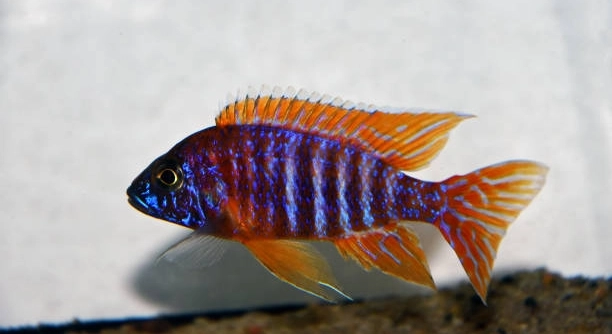
Setting up a cichlid tank requires careful choices, because these fish react strongly to their environment, tank mates, and décor, making simple mistakes more stressful, unhealthy, and costly for both beginners and experienced aquarium keepers.
The primary concern involves adding unsuitable items that disrupt water quality, territorial behavior, and physical safety. Incompatible fish, sharp decorations, improper substrates, unstable equipment, untreated water additives, and cramped tanks commonly cause chronic stress, injury, disease, and long-term system imbalance.
Learning what to exclude creates a calmer habitat, stronger coloration, and healthier behavior throughout every stage of cichlid care ownership.
Avoid Incompatible Tank Mates
Many cichlids are territorial by nature, and mixing them with incompatible fish often leads to stress, injuries, and constant aggression. Peaceful species struggle to compete for food, hide continuously, and slowly decline. Even similar sized fish can trigger dominance battles if their temperaments clash. Overstocking worsens these problems by removing personal space and increasing waste levels. I have seen tanks look visually balanced while remaining socially unstable beneath the surface. Choosing fish based only on appearance ignores behavioral needs and regional differences. African and South American cichlids, for example, rarely coexist peacefully. Avoiding incompatible tank mates is essential for maintaining stable behavior, consistent feeding patterns, and long term health in a cichlid aquarium where careful planning reduces losses, limits stress hormones, and supports natural social structures that allow each fish to establish territory without constant conflict over time and promotes visible improvements in coloration and overall vitality for adults kept.
Placing incompatible fish together creates tension that rarely resolves on its own. Aggression escalates quietly, then suddenly becomes visible through injuries, hiding, and refusal to eat, making prevention far easier than correction later once established patterns disrupt the entire tank environment and stability for extended periods without easy recovery options.
Researching species behavior before purchase saves time and unnecessary losses. I always recommend selecting fish from similar regions with comparable temperaments. Providing enough space, visual barriers, and defined territories reduces conflict. When behavior is respected, feeding improves, colors deepen, and growth remains steady. Removing aggressive individuals early prevents lasting damage. A calm social structure supports immune function and reduces disease outbreaks. Compatibility should guide stocking decisions, not impulse buying. This approach builds a stable aquarium that remains enjoyable to maintain instead of constantly requiring intervention over time while supporting predictable behavior and long term fish welfare for all species involved.
Avoid Sharp or Unsafe Decorations
Sharp decorations pose serious risks to cichlids, especially during territorial disputes and rapid swimming. Torn fins, damaged scales, and open wounds increase stress and infection risk, turning decorative choices into long term health problems within the tank that often go unnoticed until damage becomes severe and costly to treat properly.
Many store bought ornaments are designed for appearance rather than fish safety. Rough edges, narrow gaps, and unstable structures encourage injuries when cichlids chase, breed, or defend territory. I learned early that fish do not slow down near decorations. They dart, turn sharply, and collide without hesitation. Rocks with jagged surfaces scrape scales, while hollow pieces can trap fish during stress. Even plastic plants with stiff edges cause repeated fin damage over time. Natural looking does not always mean safe. Choosing smooth stones, sanded driftwood, and soft plants reduces harm. Decorations should feel boring to the touch. If it can scratch skin, it can injure fish. Stability also matters. Loose items collapse during digging and create panic. A clean layout with secure, rounded décor supports natural behavior, reduces injury, and keeps maintenance manageable long term. This approach lowers medical intervention, limits stress responses, and allows fish to interact confidently with their surroundings. Over time, fewer injuries mean stronger immune systems, steadier feeding, and a calmer tank that remains visually pleasing without constant adjustments while supporting long term care goals for responsible aquarium keepers at home who prioritize safety, stability, and predictable daily behavior over aesthetics alone in enclosed systems consistently.
Avoid Improper Substrate Choices
Improper substrate affects digging behavior, waste buildup, and water chemistry. Fine sand supports natural sifting, while sharp gravel damages mouths and gills. Heavy stones restrict movement and trap debris. Substrate choice directly impacts feeding efficiency, stress levels, and long term health in active cichlid tanks kept indoors always safely stable.
Cichlids dig to claim territory and search for food, so substrate must allow this behavior without injury. Rough gravel wears down mouths over time, limiting feeding and causing infections. Small gravel also traps waste beneath the surface, raising ammonia levels silently. I noticed clearer water only after switching to sand. Sand allows waste to rest on top, making cleaning easier. It also prevents choking during feeding frenzies. Matching substrate depth to species matters. Too shallow restricts digging. Too deep creates anaerobic pockets that destabilize water quality. These issues slowly reduce stability and require frequent corrections over time for keepers managing.
Play sand or aquarium sand remains the safest option for most cichlids. It supports natural behavior and simplifies maintenance routines. Rinsing thoroughly before use prevents cloudiness. I prefer lighter sand because waste becomes visible faster. Dark substrates hide buildup and delay cleaning. Combining sand with smooth rocks creates boundaries without harm. Avoid mixing gravel types, since shifting layers trap debris. Stable substrate choices reduce stress responses, support consistent feeding, and improve overall tank balance without constant intervention or unexpected water parameter swings that often disrupt daily care routines and long term planning for responsible aquarium maintenance practices overall stability longevity.
Avoid Unstable Water Parameters
Unstable water parameters place constant strain on cichlid immune systems and behavior. Sudden shifts in temperature, pH, or hardness trigger hiding, aggression, and appetite loss. Consistency matters more than perfection. I learned that frequent small changes outperform irregular large adjustments. Testing weekly and matching new water closely prevents shock and supports predictable routines that help cichlids settle and thrive over time with fewer health setbacks and calmer interactions overall in home aquariums maintained carefully daily.
Cichlids adapt poorly to rapid environmental change, even when values remain technically acceptable. Swinging parameters force constant adjustment and weaken disease resistance. Heaters without guards fail often, causing unnoticed drops overnight. Inconsistent water sources add risk when untreated. I always dechlorinate and preheat replacement water. Buffering products create short term fixes but introduce instability later. Stable filtration, reliable heaters, and routine maintenance form the foundation. Avoid skipping water changes, then overcorrecting later. Steady habits protect fish better than reactive solutions. Stability encourages natural behavior, steady growth, and long term success. When systems remain predictable, feeding improves, aggression decreases, and breeding behaviors appear without constant intervention from stressed keepers managing avoidable fluctuations across closed tanks maintained with patience, consistency, and measured long term care practices applied.
Avoid Overcrowding the Tank
Overcrowding increases aggression, waste production, and stress. Cichlids need defined space to establish territory and feeding order. Too many fish force constant competition, weaken immune response, and reduce growth. Even tanks that appear large can become unstable quickly when stocking limits are ignored by inexperienced keepers without proper planning habits.
I made the mistake of adding extra fish too fast. Water quality declined, fights increased, and maintenance doubled. Removing fish later caused more stress. Planning stocking levels early keeps behavior balanced, filtration effective, and water changes manageable. Less fish often creates a healthier, calmer system long term for indoor aquariums.
Avoid Weak or Inconsistent Filtration
Filtration controls waste breakdown and oxygen levels in a cichlid tank. Weak filters allow debris to settle, raising ammonia and nitrate levels steadily. I noticed aggression rise when flow dropped and water dulled. Cichlids produce heavy waste, so filtration must exceed basic recommendations. Canister or high capacity hang on back filters work best. Media should support mechanical and biological stages without frequent replacement. Cleaning too often removes beneficial bacteria, while neglect causes clogging. Stable flow keeps debris suspended for removal. Strong, consistent filtration reduces odors, stabilizes parameters, and supports active behavior daily in heavily stocked cichlid aquariums over time consistently.
Avoid Poor Tank Placement
Tank placement affects temperature stability, algae growth, and stress. Direct sunlight causes overheating and algae blooms. High traffic areas startle fish and increase aggression. I keep my tanks away from windows and speakers. A quiet, stable location helps cichlids feel secure and behave naturally without constant disruption or environmental fluctuation.
FAQ
What size tank is best for cichlids?
Tank size depends on species, but larger is always safer. Most cichlids require space to establish territory and swim without constant confrontation. A cramped tank intensifies aggression and limits natural behavior. I prefer starting bigger than recommended minimums because it allows flexibility with décor, filtration, and future stocking adjustments without forcing stressful changes later.
Can different types of cichlids live together?
Some can, but mixing requires careful research. African and South American species usually have different water needs and temperaments. Even within the same region, aggression levels vary. I only mix species with similar size, behavior, and habitat requirements. Ignoring compatibility often leads to stress, injuries, and shortened lifespans over time.
Is sand really better than gravel for cichlids?
For most species, yes. Sand supports natural digging and reduces mouth injuries. Gravel traps waste and wears down sensitive areas during feeding. I noticed better coloration and calmer behavior after switching to sand. It also makes cleaning easier since debris stays visible on the surface instead of sinking out of reach.
How often should water changes be done?
Regular water changes maintain stability. I follow a weekly schedule, changing twenty to thirty percent depending on stocking. Skipping weeks causes waste buildup, while large irregular changes shock fish. Matching temperature and treating water properly prevents stress. Consistency matters more than chasing perfect test results every time.
Do cichlids need strong filtration?
Yes, stronger than most community tanks. Cichlids produce heavy waste and stir substrate constantly. Weak filtration allows toxins to build quietly. I always choose filtration rated above tank size and focus on steady flow. This keeps oxygen levels high and supports beneficial bacteria growth without constant cleaning.
Are decorations necessary in a cichlid tank?
They are important for territory and security, but only if chosen carefully. Smooth rocks and stable structures reduce fighting by breaking lines of sight. I avoid sharp or lightweight décor. When fish feel secure, aggression drops and feeding becomes more consistent. Less décor is often more effective than overcrowding the space.
Why do my cichlids chase each other constantly?
Chasing usually signals territory disputes, overcrowding, or incompatible tank mates. I look at stocking levels first, then décor layout. Adding visual barriers often helps. If aggression continues, removing one dominant fish can restore balance. Ignoring constant chasing leads to stress related illness and injuries that escalate quickly.
Can plants survive with cichlids?
Some can, but many will be uprooted or eaten. I stick to hardy plants or attach them to rocks. Floating plants also work well. Plants help with water quality and provide cover, but they should never interfere with swimming space or filtration efficiency in active tanks.
Is tap water safe for cichlids?
Tap water can be safe if treated properly. Chlorine and chloramine must be removed before use. I always dechlorinate and match temperature before adding water. Sudden changes harm fish more than slightly imperfect parameters. Testing your local water helps avoid unnecessary additives.
How do I reduce stress in my tank?
Stress reduction comes from stability. Proper tank size, compatible fish, smooth décor, steady filtration, and consistent maintenance all matter. I avoid loud areas and sudden lighting changes. When routines stay predictable, fish behave calmly, eat better, and show stronger coloration over time without constant intervention.
Do cichlids recognize their keeper?
They often respond to routine and movement outside the tank. Mine gather near the glass during feeding times. This behavior reflects learned patterns rather than attachment, but it shows comfort with their environment. Consistent care builds trust and reduces fear responses during maintenance.
What mistakes cause the most long term damage?
Overcrowding, unstable water, and poor planning cause gradual decline. These issues do not always show immediate symptoms. I learned that prevention saves more effort than correction. Small choices repeated daily shape long term health, behavior, and overall success in keeping cichlids thriving indoors.
Final Thoughts
Keeping cichlids healthy depends on thoughtful decisions made long before problems appear. Every item placed in the tank affects behavior, water quality, and stress levels. Avoiding unsuitable fish, unsafe décor, unstable parameters, and overcrowding creates a foundation that supports predictable routines. I have learned that most issues blamed on fish behavior are actually caused by environment. When space, filtration, and layout are planned with intention, cichlids respond with calmer movement, steady feeding, and stronger coloration. These changes do not happen overnight, but they remain consistent when conditions stay stable. Simplicity matters. A tank does not need constant adjustment to succeed. It needs steady care, restraint when adding new elements, and respect for natural behaviors. Small decisions repeated weekly shape long term results far more than expensive equipment or frequent changes.
Avoidance is often more effective than correction in aquarium care. Removing stressors before they cause damage saves time, money, and frustration. Once aggression patterns form or health declines, recovery becomes difficult. Stable tanks rely on predictable maintenance, not reactive fixes. Clear stocking plans, safe materials, and proper placement reduce the need for intervention. I have seen tanks thrive simply by removing excess décor or reducing fish count. These changes lower waste, ease tension, and improve filtration efficiency without altering routines. Consistency also builds confidence for keepers. Knowing what to avoid simplifies decision making and prevents impulse purchases that disrupt balance. A calm system allows observation rather than constant troubleshooting. This approach supports both the fish and the person maintaining the tank.
Cichlid care rewards patience and structure. These fish are resilient when their needs are met and unforgiving when ignored. The environment shapes everything from behavior to lifespan. Avoiding common mistakes allows natural traits to emerge without conflict. Over time, tanks become easier to manage, water quality stabilizes, and fish interactions feel purposeful instead of chaotic. Neutral planning leads to reliable outcomes. There is no need to chase perfection. A steady, well considered setup supports long term success. Each avoided mistake strengthens the system as a whole. When care focuses on prevention, the tank becomes a stable living space rather than a constant project. This balance makes cichlid keeping sustainable, predictable, and rewarding over many years.

Hello,
If you enjoy the content that we create, please consider saying a "Thank You!" by leaving a tip.
Every little bit helps us continue crafting quality advice that supports the health, happiness, and well-being of pets around the world, for pets of all shapes, sizes, and species.
We really appreciate the kindness and support that you show us!