
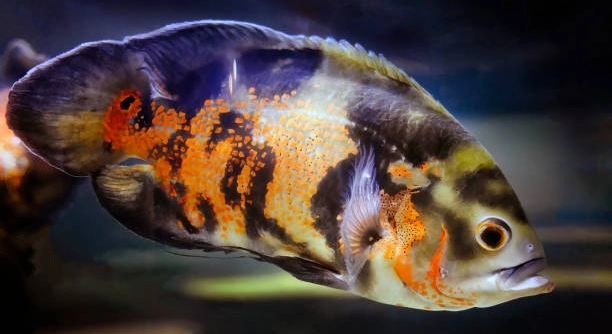
Cichlids are known for their vibrant colors and unique personalities. Many aquarium owners notice that these fish often remain in the same spot for hours. This behavior can be puzzling and a bit concerning for beginners.
Cichlids often stay in one location due to territorial behavior, energy conservation, and environmental comfort. Remaining in a familiar area allows them to monitor threats, maintain social hierarchy, and adapt efficiently to their surroundings.
Observing these habits can help you create a more suitable habitat for your cichlids. Learning the reasons behind their stillness improves care and enriches their environment.
Understanding Cichlid Behavior
Cichlids often choose a single spot in the tank where they feel safe and secure. This behavior is influenced by several factors, including territorial instincts, comfort, and energy preservation. Many species naturally stake out areas where they can rest without constant movement. Stagnant areas often provide shelter from stronger currents or aggressive tank mates. By staying in one place, cichlids can monitor their surroundings efficiently, ensuring they notice changes or potential threats. Their position may also be near food sources or hiding spots, making it easier to feed and retreat quickly when needed. Observing these patterns gives insight into their preferences and health. If a cichlid suddenly changes its usual location, it could indicate stress or illness. Regularly checking water quality and ensuring proper tank setup helps maintain their natural behavior. These fish balance exploration with conserving energy, often choosing rest over constant swimming, which reflects a careful adaptation to their environment.
This behavior is normal and typically shows that the cichlid feels secure in its territory.
Caring for cichlids requires paying attention to both environment and social structure. Different species have varying levels of aggression and territorial needs, so tank layout is important. Rocks, plants, and hiding places help them feel stable, reducing stress. Maintaining water parameters and feeding routines supports their health. Observing where each cichlid spends most of its time helps identify comfort zones and potential issues. By respecting their natural habits, owners can create a calm and healthy tank.
Environmental Factors Affecting Cichlids
Tank conditions play a major role in why cichlids remain in one area.
Temperature, lighting, and water flow influence their comfort and activity. Cichlids prefer stable environments where changes are gradual. Strong currents can tire them, while bright or fluctuating light may make them seek cover. Water quality, including pH and hardness, affects their mood and movement. Proper filtration and maintenance reduce stress, encouraging natural behavior.
Providing an environment that mirrors natural habitats helps cichlids feel secure. Placement of rocks, caves, and plants allows them to claim territories and retreat when needed. When multiple cichlids share a tank, social hierarchy forms, and less dominant fish may remain in safer spots. Feeding routines, tank size, and water temperature also shape movement patterns. Stress, illness, or overcrowding can further reduce activity, causing them to stay still. Observing behavior and adjusting environmental factors ensures they are healthy, active, and comfortable. Understanding these conditions allows owners to support natural instincts, prevent conflicts, and maintain a balanced aquarium.
Social Dynamics and Territory
Cichlids establish territories to feel safe and reduce conflict. Dominant fish claim areas, while less aggressive ones often stay still to avoid confrontation. Observing these patterns can help manage tank harmony and prevent unnecessary stress among fish.
Territorial behavior in cichlids is strongly linked to hierarchy within the tank. Dominant fish patrol and defend their chosen spots, while subordinate individuals often retreat to less active areas. This allows each fish to conserve energy and avoid potential fights. Social interaction also impacts feeding and breeding patterns, as fish in secure areas are more confident and active during feeding times. Recognizing territorial boundaries helps prevent aggression and ensures a calmer environment. Providing adequate hiding spots and dividing space effectively can reduce stress and maintain natural behaviors. Monitoring interactions daily can help identify dominant and submissive roles, which is essential for long-term tank stability.
When multiple cichlids share a tank, respecting territorial boundaries becomes critical. Crowded conditions can increase stress and reduce movement, causing some fish to stay in one area for extended periods. Even minor changes, like rearranging decorations, can disrupt established territories. Understanding these social dynamics allows owners to optimize tank layout and population balance. Supporting natural behaviors encourages healthy feeding, reduces aggression, and creates a more peaceful environment.
Health and Activity Levels
Low activity can sometimes signal stress or illness in cichlids. Monitoring their behavior ensures timely care and intervention.
Cichlids that remain in one spot for long periods may be conserving energy due to illness, parasites, or poor water conditions. Reduced movement can also result from inadequate nutrition or environmental stressors. Regular observation of appetite, coloration, and breathing patterns helps identify health concerns early. Maintaining stable water temperature, proper filtration, and balanced feeding supports overall well-being. Detecting changes in swimming patterns or sudden inactivity can prevent serious health issues. Early response is key to restoring normal activity and preventing long-term problems.
Stress and fatigue also influence a cichlid’s tendency to stay still. Factors like frequent tank disturbances, incompatible tank mates, or sudden environmental changes can cause prolonged inactivity. Creating a consistent routine and ensuring a peaceful habitat helps fish regain confidence. Monitoring for symptoms such as clamped fins or rapid gill movement provides additional insight. Adjusting diet, adding hiding spots, and maintaining water quality all contribute to better activity levels. Understanding these health and stress factors ensures cichlids remain energetic, balanced, and responsive to their environment.
Resting and Energy Conservation
Cichlids often remain in one spot to rest and conserve energy. Constant swimming can be tiring, so they choose locations where they feel safe and can relax without being disturbed.
Resting in a secure area helps cichlids maintain health and stamina. Fish that are less active are not necessarily unhealthy; they are balancing energy for feeding, social interaction, and exploring when needed.
Feeding Habits
Cichlids may stay near food sources or areas where they feel confident eating. This ensures they can feed efficiently without moving too much. Being stationary while waiting for food is part of their natural behavior and helps maintain a steady routine.
Environmental Comfort
Cichlids pick spots with optimal temperature, lighting, and shelter. Staying in a preferred area helps them feel secure, reduces stress, and supports natural behavior patterns.
FAQ
Why does my cichlid stay in one spot all day?
Cichlids often remain stationary due to territorial instincts, energy conservation, and comfort. They select areas that feel safe and familiar, reducing stress and monitoring potential threats. Staying in one place also helps them conserve energy for feeding, social interaction, and occasional exploration, which is a natural behavior.
Is it normal for cichlids to be inactive?
Yes, occasional inactivity is normal. Cichlids rest in secure spots to avoid unnecessary movement. If the fish shows no signs of stress, illness, or rapid breathing, staying still is usually a healthy behavior. Monitoring their routine ensures they remain active when feeding or interacting.
Can tank size affect cichlid activity?
Absolutely. Smaller or overcrowded tanks can limit swimming space, encouraging fish to stay in one area. Providing adequate space, hiding spots, and proper layout allows cichlids to move naturally while maintaining comfort. Proper tank management reduces stress and promotes natural behaviors.
Does water temperature influence their movement?
Yes, temperature impacts activity levels. Cichlids prefer stable temperatures that mimic their natural environment. Water that is too cold can slow metabolism, making them less active, while excessively warm water may cause stress. Maintaining optimal temperature ensures balanced energy and consistent movement patterns.
Could diet affect why my cichlid is stationary?
Diet plays a significant role. Fish that are underfed or overfed may show reduced movement. Balanced nutrition with appropriate protein and vegetable sources encourages normal energy levels and activity. Feeding schedules also influence when they are active or resting in their chosen spot.
How do tank decorations affect their behavior?
Rocks, caves, and plants create territories and safe zones. Cichlids often stay in areas that provide cover and comfort. Rearranging decorations can temporarily disrupt routines, so maintaining stable layouts helps them feel secure and encourages natural movement over time.
Are there signs of illness to watch for?
Yes. While inactivity can be normal, signs like clamped fins, pale colors, rapid gill movement, or loss of appetite may indicate stress or illness. Early detection through observation allows prompt intervention to restore health and normal activity.
Does social interaction with other fish matter?
Social dynamics strongly influence stationary behavior. Dominant cichlids claim territories, while less aggressive fish may remain still to avoid conflict. Proper population balance and compatible tank mates reduce stress, helping all fish establish secure areas and maintain healthy activity.
How long can a cichlid stay in one spot safely?
Cichlids can safely stay still for hours if they appear healthy, eat normally, and show no distress. Long periods of inactivity are often part of their routine for energy conservation and monitoring surroundings. Regular observation is key to ensuring continued well-being.
Can lighting affect their position in the tank?
Yes, lighting influences comfort. Bright or fluctuating lights may prompt cichlids to seek shaded or sheltered areas. Consistent, moderate lighting allows them to move freely while feeling secure, supporting natural habits and reducing stress.
What should I do if my cichlid suddenly becomes very inactive?
Sudden inactivity may signal stress, illness, or environmental changes. Check water quality, temperature, tank mates, and diet. Observing for additional symptoms, adjusting conditions, and ensuring a calm habitat can help restore normal behavior and prevent long-term issues.
Does age affect how much cichlids move?
Older or larger cichlids may be less active due to slower metabolism. Younger fish tend to explore more. Adjusting care, tank layout, and feeding routines according to age helps maintain healthy activity levels and overall comfort.
How often should I monitor their spots?
Daily observation is ideal. Noting where cichlids spend most of their time helps identify changes in health, behavior, or tank dynamics. Awareness of their preferred areas ensures a stable environment and timely response to potential issues.
Can stress make cichlids stay in one place?
Stress from overcrowding, aggressive tank mates, or sudden changes can reduce movement. Providing hiding spots, stable conditions, and compatible companions minimizes stress and encourages normal activity patterns. Consistency is key to maintaining calm, confident fish behavior.
Is it okay for cichlids to have favorite spots?
Yes, favorite spots are normal and reflect comfort, territory, and security. Observing these choices helps in arranging the tank effectively, creating a stable environment, and understanding each fish’s behavior preferences.
How do I encourage more movement without stressing them?
Introduce gentle water flow, rearranged hiding spots, and varied feeding locations. Avoid sudden changes, maintain proper temperature, and provide sufficient space to encourage activity while respecting natural behaviors. Balanced care fosters healthy exploration and energy use.
Can lighting schedules impact their behavior?
Consistent lighting cycles help cichlids establish routines. Irregular lighting may confuse fish, causing them to stay in shaded areas. Maintaining regular day-night cycles supports normal activity, feeding patterns, and overall well-being.
How does tank depth affect their movement?
Cichlids may prefer certain depths depending on species and comfort. Some stay near the bottom for safety, while others patrol mid-levels. Providing varied depth zones ensures they can choose preferred areas without compromising natural behavior or stress levels.
What is the relationship between water flow and stillness?
Strong currents can tire cichlids, causing them to seek calmer areas. Gentle or moderate flow replicates natural conditions, allowing them to swim comfortably. Observing how they respond to currents helps optimize tank setup for balanced movement.
Does breeding affect activity levels?
Yes, breeding pairs may remain near nests or chosen areas to protect eggs or fry. Stationary behavior during this time is natural and ensures offspring safety. Understanding reproductive habits explains temporary stillness and reduces unnecessary concern.
How important is hiding space for cichlid comfort?
Hiding spots are essential for security and stress reduction. Cichlids often stay in areas that provide cover. Properly placed shelters help fish feel safe, maintain territories, and balance movement between exploration, feeding, and resting.
What routine maintenance supports active behavior?
Regular water changes, cleaning, and monitoring parameters like pH, ammonia, and temperature keep fish healthy. Balanced feeding and stable environments encourage natural activity. Observing behavior during maintenance ensures fish remain comfortable and minimizes disruption.
Can environmental enrichment reduce inactivity?
Yes, adding rocks, plants, and tunnels encourages exploration and stimulates mental engagement. Enrichment helps cichlids move naturally without forcing them, promoting healthier behavior while respecting their tendency to rest in safe spots.
How do I differentiate between resting and illness?
Resting fish remain alert, eat normally, and maintain proper coloration. Illness may present with clamped fins, loss of appetite, rapid breathing, or unusual hiding. Consistent observation allows differentiation, ensuring timely care and maintaining activity patterns.
How does tankmate aggression influence stillness?
Aggressive tankmates can force submissive cichlids to stay stationary to avoid conflict. Ensuring compatible companions, adequate space, and multiple hiding areas reduces stress, encourages natural behavior, and allows all fish to establish secure territories.
What role does water chemistry play in movement?
Imbalanced pH, hardness, or ammonia levels can cause lethargy. Stable water chemistry supports healthy metabolism, reduces stress, and encourages natural swimming patterns. Testing and adjusting parameters regularly ensures optimal activity and well-being.
How do I know if my cichlid’s inactivity is temporary?
Temporary inactivity often coincides with rest periods, minor stress, or minor environmental changes. Monitoring feeding response, posture, and coloration over days helps determine if behavior is normal or requires intervention.
Can seasonal changes affect behavior?
Yes, natural cycles in temperature and daylight may subtly alter activity. Maintaining stable tank conditions helps mitigate seasonal effects and keeps movement consistent while respecting natural instincts.
How much space should I give a cichlid to encourage natural movement?
Adequate space varies by species but generally allows for swimming, feeding, and territorial behavior. Crowded tanks restrict activity and increase stress. Providing sufficient room promotes natural movement without forcing constant activity.
Does water clarity impact activity levels?
Murky water can cause stress, encouraging fish to remain in sheltered areas. Clear water improves visibility and confidence, supporting exploration, feeding, and normal behavior patterns.
Can behavioral enrichment replace larger tank size?
Enrichment helps but cannot fully replace space. Structures, plants, and hiding spots stimulate activity but adequate swimming room is still essential for physical health, territorial balance, and energy conservation.
Is inactivity more common in certain cichlid species?
Yes, species differ in activity. Some are naturally sedentary or territorial, while others are more active swimmers. Understanding species-specific habits ensures appropriate tank setup and realistic expectations for movement and behavior.
What daily observation tips help monitor activity?
Watch feeding response, preferred spots, interaction with tankmates, and energy levels. Note sudden changes or unusual behavior. Consistent monitoring helps identify health, stress, and environmental issues promptly.
Does diet timing influence stationary behavior?
Yes, cichlids may remain in spots between meals. Consistent feeding schedules encourage predictable activity, while irregular timing can increase stress or reduce energy efficiency. Balanced, routine feeding supports normal movement patterns.
How does lighting intensity influence stress and activity?
Bright or fluctuating light may cause fish to hide or stay still. Moderate, stable lighting reduces stress, encourages exploration, and helps maintain natural day-night behavior cycles.
Can temperature fluctuations cause prolonged inactivity?
Yes, sudden drops or spikes in temperature can slow metabolism or stress fish, leading to extended stillness. Maintaining consistent temperature promotes normal activity and comfort.
Do cichlids need variety in their environment to stay active?
Environmental variety encourages natural exploration and reduces boredom. Plants, rocks, and different surfaces stimulate movement while still allowing safe spots for rest. Balance of enrichment and security ensures healthy activity patterns.
What role does routine play in their stationary behavior?
Consistent routines in feeding, lighting, and water maintenance reduce stress and support natural movement. Predictable conditions allow cichlids to feel secure in their chosen spots while engaging actively when needed.
How do I safely encourage more activity?
Introduce gradual changes, add hiding spots, or place food in different areas. Avoid sudden environmental shifts. Gentle encouragement and stable conditions promote movement without stressing fish.
How long should I wait before adjusting tank conditions?
Observe behavior for several days to determine if inactivity is normal. Immediate changes can increase stress. Gradual adjustments allow fish to adapt while maintaining comfort and natural movement.
Can stress from nearby activity impact stationary behavior?
Yes, external disturbances like tapping, loud noises, or frequent movement around the tank can make cichlids stay in one spot. Minimizing disruptions helps fish feel safe and encourages normal activity.
Does tank depth preference vary by species?
Yes, some cichlids prefer bottom areas, others mid-level. Providing zones for preferred depth supports comfort and allows natural stationary behavior without limiting movement.
How do I know if hiding is normal or problematic?
Normal hiding occurs in secure spots, with alert posture and feeding activity. Problematic hiding often accompanies illness, stress, or aggression, requiring assessment of tank conditions and fish health.
What water parameters are ideal for active cichlids?
Stable pH, hardness, temperature, and low ammonia levels support normal metabolism and energy. Proper filtration and regular testing ensure a comfortable environment for active behavior.
Can changes in tankmates trigger prolonged stillness?
Yes, introducing new or aggressive fish can cause some cichlids to remain stationary. Allowing gradual acclimation and ensuring compatible companions helps restore normal activity and reduces stress.
Do resting habits differ between day and night?
Cichlids are generally more active during the day and rest at night. Providing consistent lighting and quiet periods supports this natural rhythm and explains stationary behavior during rest times.
How do I differentiate stress from normal inactivity?
Stress often accompanies changes in appetite, color, gill movement, or interaction with tankmates. Normal inactivity occurs during rest, feeding breaks, or in secure spots. Observation over time helps identify the difference.
What is the safest way to rearrange the tank?
Move decorations gradually, keeping hiding spots and territories consistent. Sudden changes can increase stress, causing prolonged inactivity. Observing behavior after adjustments ensures comfort and minimizes disruption.
Can overcrowding cause permanent inactivity?
Overcrowding increases stress, reduces space, and may force fish into stationary habits. Proper tank size and population management prevent chronic inactivity and maintain natural behavior patterns.
Does water current direction matter?
Yes, fish may choose calm zones to conserve energy. Too strong a flow can tire them, while gentle currents support exercise and natural swimming. Observing response to flow ensures comfort and balanced movement.
Is prolonged stillness a sign of old age?
Older cichlids may naturally slow down, conserving energy. If they remain healthy, eat normally, and respond to stimuli, stationary behavior is generally a normal part of aging.
Can seasonal light changes influence activity?
Yes, shorter or longer light periods can affect natural rhythms. Consistent artificial lighting helps maintain regular behavior, reducing unnecessary stationary periods.
How do I ensure a balanced social environment?
Monitor interactions, maintain compatible tankmates, and provide hiding spots. Proper balance reduces stress, encourages natural movement, and prevents prolonged inactivity caused by conflict or fear.
Does feeding type affect stationary behavior?
Yes, live, frozen, or pellet foods can influence energy levels. Balanced nutrition supports activity, while inadequate diets may cause lethargy or encourage prolonged resting in secure spots.
How long should cichlids rest daily?
Rest periods vary but several hours of stillness is typical. Proper lighting, feeding schedules, and secure hiding spots support healthy daily rest without compromising activity levels.
Can water pH swings reduce movement?
Yes, sudden pH changes can stress fish, causing them to remain still. Maintaining stable conditions supports natural activity and overall health.
How do I know if a cichlid is enjoying its spot?
Indicators include relaxed posture, normal breathing, and regular feeding. Comfort in a chosen area reflects satisfaction with territory, safety, and environmental conditions.
Is stationary behavior seasonal or permanent?
Mostly situational, influenced by environmental, social, and health factors. Seasonal changes or temporary stress may increase stillness, while proper care ensures balanced, active behavior over time.
How do I support cichlids that prefer stillness?
Provide secure zones, stable water conditions, and consistent routines. Respect their natural resting habits while offering opportunities for exploration and interaction to maintain health and engagement.
Can tank lighting placement influence movement?
Yes, shaded or less intense areas may become preferred resting spots. Proper light distribution supports natural swimming, feeding, and territorial behavior while minimizing stress.
How important is regular observation for understanding inactivity?
Daily monitoring allows early detection of health or stress issues. Observing where fish rest, feed, and interact ensures proper care and maintains natural activity levels.
Does adding live plants affect stationary behavior?
Live plants provide cover, security, and enrichment. Fish may stay near them for safety, while also exploring and interacting naturally, balancing stillness with activity.
How do I distinguish between normal resting and hiding from aggression?
Resting fish remain alert and feed normally, while those hiding from aggression may show clamped fins, avoidance, or stress signs. Observation and tankmate management clarify causes.
Can water flow direction influence resting spots?
Yes, fish often choose calm areas to conserve energy. Adjusting flow to create gentle zones encourages natural behavior without forcing constant swimming.
Do cichlids have favorite corners or areas?
Yes, territorial or comfort zones lead fish to return to familiar spots. Recognizing preferences helps arrange tanks and maintain secure, low-stress environments.
How can I reduce stress-related stillness?
Provide hiding spots, maintain consistent routines, and ensure compatible tankmates. Stable conditions, proper diet, and calm environments reduce stress and encourage normal activity.
Is stillness a concern if fish eat normally?
Not necessarily. Eating normally, alert behavior, and healthy coloration indicate that stationary habits are part of energy management and natural resting routines.
Can adding new fish trigger temporary inactivity?
Yes, new introductions can cause stress, prompting stationary behavior. Gradual acclimation and observation help fish adapt while maintaining natural activity patterns.
How do I maintain natural activity without over-stimulation?
Offer enrichment, proper spacing, stable water, and gentle light. Respect resting habits and avoid sudden changes. Balance ensures healthy energy use and natural swimming patterns.
Does hiding space availability affect social hierarchy?
Yes, abundant hiding spots reduce conflict, allowing subordinate fish to remain safe while exploring. Limited cover can force prolonged stillness due to stress or fear.
Can feeding frequency influence stationary periods?
Yes, fish may stay near known feeding areas between meals. Consistent schedules promote predictable activity, while irregular feeding can increase stationary behavior.
Does aquarium noise impact behavior?
Loud or frequent disturbances can stress cichlids, causing them to remain in sheltered spots. Minimizing external noise supports comfort and natural activity patterns.
How do I identify problem behavior in still fish?
Look for changes in appetite, color, fin position, gill movement, or unusual hiding. Deviations from normal patterns may indicate stress, illness, or environmental issues requiring intervention.
Can tank rearrangement affect resting spots?
Yes, moving decorations can temporarily disrupt routines. Gradual adjustments maintain security and reduce stress, allowing fish to re-establish favorite areas without long-term inactivity.
Does age influence stationary habits?
Older cichlids may move less, conserving energy. Young fish are generally more active. Adjusting care and monitoring activity ensures comfort across all ages.
How do I know if inactivity is seasonal or environmental?
Observe patterns over weeks. Seasonal influences or temporary environmental changes may increase stillness. Stable conditions and consistent routines help distinguish normal behavior from potential issues.
Can social stress cause permanent preference for one spot?
Yes, prolonged dominance by tankmates may make fish stay in safe zones. Adequate space, hiding spots, and compatible companions prevent chronic inactivity while respecting social structure.
Is stillness ever dangerous for cichlids?
Typically no, if fish are healthy, eating, and alert. Extended inactivity becomes a concern only when combined with illness, poor water quality, or stress, which require attention and correction.
How often should I check water parameters to support activity?
Weekly testing is ideal. Stable temperature, pH, hardness, and low ammonia levels ensure comfortable conditions, encouraging normal movement and reducing prolonged stillness.
Does tank depth impact preferred resting areas?
Yes, cichlids may favor bottom, mid-level, or surface areas based on species and comfort. Offering varied depth zones supports natural behavior and allows safe, stationary spots.
Can stillness be part of breeding behavior?
Yes, guarding eggs or fry involves remaining near nests. This stationary behavior is natural and ensures protection
Final Thoughts
Cichlids are fascinating fish with complex behaviors that reflect their natural instincts. Their tendency to stay in one spot for long periods can seem unusual at first, but it is often a sign of comfort, security, and energy conservation. Many species develop favorite areas in the tank where they feel safe and can observe their surroundings without constant movement. This stationary behavior allows them to maintain a sense of control over their environment and respond efficiently to potential threats. By recognizing that staying in one spot is often natural, owners can better understand their cichlids’ habits and provide conditions that support these behaviors. Observing which areas a cichlid prefers can also offer insights into tank layout, social hierarchy, and overall comfort levels.
Health, environment, and social dynamics all play significant roles in why cichlids remain stationary. Proper water conditions, including temperature, pH, and clarity, influence their comfort and activity. Maintaining stable parameters helps prevent stress, encourages natural movement, and supports overall well-being. Tank size and decorations also affect behavior, as cichlids often choose spots that offer cover or protection. Social interactions are equally important, especially in multi-fish tanks. Dominant individuals may patrol territories while more submissive fish remain still to avoid conflict. Understanding these dynamics allows for better tank management, reducing aggression and stress. Providing hiding spots, adequate space, and balanced feeding routines helps all cichlids feel secure while maintaining healthy activity levels. By observing and responding to these factors, owners can create a stable and comfortable environment that meets both the physical and behavioral needs of their fish.
It is important to remember that occasional stillness is not always a sign of illness or poor health. Resting in a preferred spot allows cichlids to conserve energy for feeding, social interactions, and exploration. Long periods of inactivity may become concerning only when paired with changes in appetite, color, breathing, or interaction with other fish. Daily observation is essential for recognizing normal behavior versus potential health issues. By providing consistent routines, stable water conditions, and appropriate environmental enrichment, owners can support natural behaviors while encouraging healthy activity. Understanding why cichlids stay in the same spot all day helps create a tank that balances security, stimulation, and movement, ultimately fostering healthier, more confident fish. Recognizing their natural instincts and respecting their comfort zones ensures that both cichlids and their caretakers enjoy a more harmonious and rewarding aquarium experience.

Hello,
If you enjoy the content that we create, please consider saying a "Thank You!" by leaving a tip.
Every little bit helps us continue crafting quality advice that supports the health, happiness, and well-being of pets around the world, for pets of all shapes, sizes, and species.
We really appreciate the kindness and support that you show us!