Can Convict Cichlids Breed in a Community Tank?
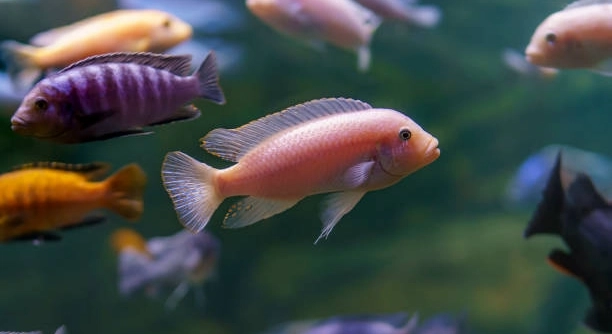
Many fish keepers enjoy having convict cichlids in their tanks because of their striking colors and active personalities. They are hardy and easy to care for, making them popular among beginners and experienced hobbyists alike. Convict cichlids can breed in a community tank, but their aggressive nature may threaten other fish. Successful breeding requires careful … Read more
7 Things That Convict Fry Do to Survive

Fry is a small convict fish that faces many challenges in its environment. From finding food to avoiding predators, survival is a constant effort. Observing its behavior reveals clever strategies that keep it alive in the wild. Convict fry survive by using instinctive behaviors such as hiding among plants, schooling together, feeding efficiently, and avoiding … Read more

Why Do Cichlids Keep Picking the Same Spot?

Cichlids often show a strong attachment to certain areas in their tank. They may repeatedly pick the same spot when feeding, nesting, or simply claiming territory. This behavior is noticeable in both new and experienced aquarium setups. Cichlids repeatedly selecting the same location is primarily driven by territorial instincts and environmental preferences. Specific spots may … Read more

7 Ways to Improve Convict Cichlid Water Quality

Are your convict cichlids showing signs of stress or dull colors in their tank? Maintaining proper water quality is essential for their health, growth, and overall well-being. Poor water conditions can quickly affect their behavior and lifespan. Improving convict cichlid water quality involves consistent monitoring and management of ammonia, nitrite, nitrate, and pH levels. Regular … Read more

How to Stop Cichlids from Attacking Tankmates

Are your cichlids constantly chasing or nipping at their tankmates, creating a tense environment in your aquarium? Aggressive behavior can quickly escalate, making it difficult to maintain harmony among different fish species. Understanding the causes is essential. Aggression in cichlids is often due to territorial instincts, overcrowding, or incompatible tankmates. Providing adequate space, hiding spots, … Read more

7 Reasons Your Cichlid Tank Smells Bad

Keeping a cichlid tank can be rewarding, but sometimes an unpleasant odor makes the experience less enjoyable. The smell can creep into your living space, making it harder to appreciate the beauty of your aquarium. Proper care and awareness can help. A cichlid tank often smells bad due to a combination of overfeeding, waste accumulation, … Read more

Why Do Convicts Push Gravel Into Corners?

Many convicts spend hours pushing gravel into corners while performing routine tasks in prison yards. This small, repetitive activity may seem pointless at first but often becomes a meaningful part of their daily routines and habits. Pushing gravel into corners serves as a coping mechanism, offering prisoners a sense of control, structure, and focus. It … Read more

7 Tips for Raising Convict Fry Without Parents

Raising convict fry can be a challenging task, especially when there are no adult fish to guide them. Their small size and delicate nature make proper care essential for healthy growth and survival in an aquarium. The key to successfully raising convict fry without parents is providing a stable environment, proper nutrition, and attentive care. … Read more

Why Is My Convict Cichlid Hiding All Day?

Convict cichlids are lively fish, but sometimes they hide for long periods. Observing them retreat can feel worrying, especially when they usually swim around the tank and interact with their surroundings calmly. The primary reason a convict cichlid hides all day is stress caused by environmental changes, overcrowding, or aggressive tank mates. Ensuring proper tank … Read more

7 Things That Disrupt Pair Bonding in Convicts

Forming close relationships can be challenging for anyone, but convicts face unique emotional and social barriers. Experiences in prison often shape how individuals perceive trust, intimacy, and long-term commitment in their personal lives. Several factors disrupt pair bonding in convicts, including past trauma, prolonged separation from loved ones, lack of emotional support, inconsistent social environments, … Read more