
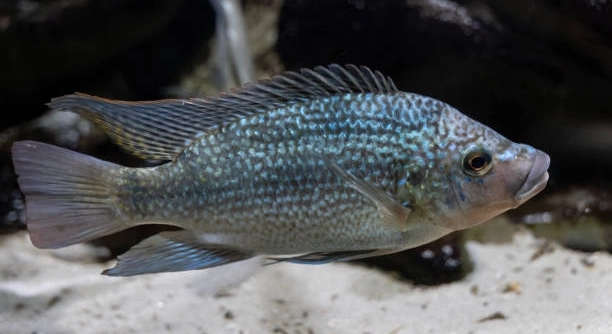
Are your convict cichlids showing signs of stress or dull colors in their tank? Maintaining proper water quality is essential for their health, growth, and overall well-being. Poor water conditions can quickly affect their behavior and lifespan.
Improving convict cichlid water quality involves consistent monitoring and management of ammonia, nitrite, nitrate, and pH levels. Regular water changes, efficient filtration, proper feeding, and maintaining a clean substrate are fundamental practices that support a stable and healthy aquatic environment.
Keeping your tank water clean will enhance your cichlids’ health, activity, and vibrant appearance while reducing the risk of disease and stress.
Regular Water Changes
Performing regular water changes is one of the simplest ways to maintain high water quality for convict cichlids. Replacing a portion of the tank water removes excess nutrients, debris, and waste that can accumulate over time. These substances, if left unchecked, can cause spikes in ammonia and nitrite levels, which are harmful to your fish. A consistent schedule of water changes also helps maintain stable pH levels and overall water chemistry. Many aquarists recommend changing 20-30% of the water weekly, though the frequency may vary depending on tank size, stocking density, and filtration efficiency. When performing water changes, it’s important to use dechlorinated water that matches the temperature of the tank to prevent stress. Cleaning gravel and substrate during water changes helps remove leftover food and detritus that settle at the bottom, further contributing to a healthier environment. Simple, consistent maintenance can drastically reduce problems in your cichlid tank.
Water changes improve clarity, balance chemicals, and keep your cichlids active and vibrant while minimizing disease risks in the long term.
Substrate cleaning is often overlooked but equally important. Uneaten food and waste collect in gravel or sand, promoting harmful bacteria. Using a siphon or vacuum during water changes can remove this buildup without disturbing your fish too much. Maintaining a clean substrate reduces the frequency of water chemistry problems and helps prevent sudden ammonia or nitrite spikes. Over time, consistent cleaning and water changes create a stable environment where convict cichlids can thrive, grow, and display their natural colors. Even small adjustments in the cleaning routine can lead to noticeable improvements in water clarity and fish behavior, making the tank more enjoyable to observe. Regular attention to water quality prevents many common health issues, providing a safer habitat for your fish while keeping the aquarium visually appealing and balanced.
Efficient Filtration
Choosing the right filtration system ensures your tank water remains clean and free from excess toxins.
A strong filter removes solid waste, uneaten food, and dissolved chemicals, maintaining oxygen levels and water clarity. For convict cichlids, a combination of mechanical, biological, and chemical filtration works best. Mechanical filtration captures debris, biological filtration converts harmful ammonia and nitrite into less toxic nitrate, and chemical filtration can remove impurities and odors. Placement of the filter is also important; positioning it where water circulation is optimal ensures that all areas of the tank benefit. Over time, filters accumulate debris and bacteria, so routine maintenance like rinsing filter media in tank water preserves efficiency without disrupting beneficial bacteria. Monitoring flow rate and ensuring the filter is appropriate for tank size is essential, as underpowered filters may fail to handle the bioload, while excessively strong currents can stress the fish. Investing in a quality filtration system simplifies water maintenance and provides a stable environment that promotes healthy convict cichlid growth.
Monitor Water Parameters
Regularly checking water parameters keeps convict cichlids healthy and prevents sudden problems. Key factors include ammonia, nitrite, nitrate, and pH levels, all of which affect fish behavior and overall tank stability. Consistent testing allows timely adjustments.
Testing water with reliable kits helps detect fluctuations before they become harmful. Ammonia and nitrite should remain at zero, while nitrate should be kept low. pH stability is also crucial, as sudden changes stress fish and can affect feeding and breeding behavior. Tracking these parameters over time makes it easier to identify trends and correct issues early, supporting a stable, thriving environment.
Keeping a simple log of water tests can help track trends and spot early warnings. Adjustments like partial water changes, buffer additives, or feeding reductions can then be applied in a controlled manner, maintaining a safe and stable habitat for your cichlids while reducing the likelihood of stress-related illnesses or sudden deaths.
Proper Feeding Practices
Feeding convict cichlids in moderation prevents excess waste that pollutes the water. Overfeeding leads to decaying food, which raises ammonia and nitrate levels, harming water quality.
A consistent feeding schedule ensures fish receive proper nutrition without leaving uneaten food behind. High-quality pellets or flakes designed for cichlids provide balanced nutrition. Supplementing occasionally with fresh or frozen foods like brine shrimp or bloodworms can enhance diet variety. Uneaten portions should be removed after a few minutes to prevent water contamination, which is especially important in smaller tanks where bioloads can accumulate quickly.
Feeding small amounts multiple times per day is often better than a single large feeding, reducing waste buildup and stress. Observing how much your cichlids consume helps fine-tune portions and ensures healthier water conditions. Proper feeding practices also support growth, vibrant colors, and active behavior, all while keeping the tank cleaner and easier to maintain.
Control Tank Stocking
Overcrowding increases waste and stresses convict cichlids, which directly affects water quality. Keeping an appropriate number of fish for your tank size ensures stable conditions and reduces aggressive behavior.
A balanced stocking level allows the filter to handle waste effectively, making water maintenance easier. Overpopulated tanks often see spikes in ammonia and nitrite, which can harm fish and make the environment unstable.
Use Live Plants
Live plants absorb nitrates and provide natural filtration, improving overall water quality. They also create hiding spots that reduce stress and mimic a natural habitat, supporting healthier fish.
Maintain Proper Temperature
Consistent temperature prevents stress and reduces susceptibility to disease. Convict cichlids thrive in slightly warmer water, and fluctuations can impact metabolism and water chemistry.
Avoid Overuse of Chemicals
Excessive use of water conditioners or medications can upset the natural balance of the tank. Using only what is necessary keeps the ecosystem stable.
FAQ
How often should I change water in my convict cichlid tank?
Water changes should generally be done weekly, replacing 20-30% of the tank’s water. This helps keep ammonia, nitrite, and nitrate levels under control. The exact frequency can depend on tank size, number of fish, and filter efficiency. Smaller tanks with more fish may require more frequent changes. Always use dechlorinated water at a similar temperature to the tank to prevent stress. Regular water changes maintain clarity, reduce harmful substances, and help create a stable environment where convict cichlids can thrive.
What is the ideal pH for convict cichlids?
Convict cichlids prefer a slightly alkaline pH, typically between 7.0 and 8.0. Stability is more important than hitting an exact number, as sudden fluctuations can stress the fish. Using natural buffers or commercially available pH stabilizers can help maintain balance. Regular testing ensures that pH stays within the safe range and prevents problems with feeding, breeding, or aggression. Plants, substrate, and decorations can also slightly influence pH, so monitor changes when adding new elements to the tank.
How much should I feed my convict cichlids?
Feed small portions once or twice a day that the fish can consume within a few minutes. Overfeeding leads to leftover food that decomposes, raising ammonia and nitrate levels. High-quality cichlid pellets or flakes should form the base diet, supplemented occasionally with frozen or live foods like brine shrimp or bloodworms. Observing how quickly fish eat can help adjust portions. Proper feeding ensures good water quality, healthy growth, vibrant colors, and active behavior, while preventing excess waste from accumulating in the tank.
Can live plants help improve water quality?
Yes, live plants naturally absorb nitrates and other nutrients that accumulate from fish waste and uneaten food. They act as a supplemental filtration system, reduce algae growth, and create hiding spots that lower stress levels. Fast-growing species are particularly effective at nutrient uptake. Maintaining plants by trimming dead leaves and ensuring proper lighting supports both plant health and water quality. Even a few well-chosen plants can make a noticeable difference, helping convict cichlids stay healthier while adding a natural aesthetic to the tank.
What type of filtration is best for a convict cichlid tank?
A combination of mechanical, biological, and chemical filtration is most effective. Mechanical filtration removes debris, biological filtration converts harmful ammonia and nitrite to nitrate, and chemical filtration removes odors or impurities. The filter should be appropriate for the tank size and maintain good water circulation without creating excessive currents. Regular cleaning of filter media in tank water preserves beneficial bacteria. Efficient filtration reduces toxins, maintains oxygen levels, and ensures a stable, healthy environment for your convict cichlids.
How can I prevent ammonia spikes?
Ammonia spikes are often caused by overfeeding, overcrowding, or insufficient filtration. Regular water changes, proper feeding practices, and maintaining an efficient filter reduce this risk. Adding beneficial bacteria through starter cultures or media helps convert ammonia into less harmful compounds. Testing water regularly allows early detection and correction. Consistency in tank maintenance and monitoring ensures that ammonia levels remain safe, preventing stress, disease, and mortality in convict cichlids.
Is it necessary to adjust water temperature daily?
Daily adjustments are not necessary if a reliable heater or thermostat is used. Convict cichlids thrive in slightly warmer water, around 75-82°F (24-28°C). Sudden changes can stress the fish and affect metabolism. A stable temperature reduces the risk of disease and supports consistent feeding and breeding behaviors. Monitoring the heater and using a thermometer ensures conditions remain optimal without frequent adjustments.
What should I do if water clarity decreases?
Decreased clarity often indicates excess waste, uneaten food, or algae growth. Performing partial water changes, cleaning the substrate, and checking the filter are effective steps. Avoid overfeeding and consider adding fast-growing plants to absorb excess nutrients. Maintaining a regular cleaning routine helps prevent long-term cloudiness while keeping the tank healthy and visually appealing.
How do I safely introduce new fish?
Quarantine new fish for at least two weeks before adding them to the main tank to prevent disease transmission. Gradually acclimate them to the tank’s water conditions to reduce stress. Monitor both new and existing fish for signs of aggression or illness during the first few days. Proper introduction helps maintain water quality and minimizes disruption to the established ecosystem.
Can I use water conditioners regularly?
Yes, but only as needed. Water conditioners remove chlorine, chloramine, and detoxify heavy metals. Overuse can disrupt the natural balance of the tank and affect beneficial bacteria. Following dosage instructions and using conditioners selectively ensures safe water conditions while preserving the biological filtration that supports convict cichlids’ health.
This FAQ provides practical guidance for maintaining a stable, healthy environment, helping convict cichlids thrive while keeping water quality under control.
Maintaining good water quality is essential for convict cichlids to stay healthy and active. Regular water changes, proper filtration, and monitoring key parameters such as ammonia, nitrite, nitrate, and pH create a stable environment that reduces stress and supports natural behavior. Overfeeding and overcrowding can quickly lead to poor water conditions, so managing tank population and portion sizes is just as important as equipment and testing. Simple routines, like partial water changes weekly and regular substrate cleaning, can prevent many common problems before they affect the fish. Consistency in these tasks ensures the tank remains balanced, making it easier to manage and more enjoyable to observe.
Feeding practices play a critical role in water quality and fish health. Providing the right type and amount of food prevents excess waste from accumulating in the tank. High-quality pellets or flakes designed for cichlids should form the main diet, supplemented occasionally with frozen or live foods to add variety. Removing uneaten food after a few minutes prevents decomposition, which can increase ammonia and nitrate levels. Live plants also contribute by naturally absorbing nutrients from waste, helping to maintain clearer water. Together, careful feeding and the use of live plants create a healthier ecosystem that supports vibrant, active fish while reducing the need for excessive chemical treatments or interventions.
Temperature and tank stability are additional factors that directly influence water quality and fish well-being. Convict cichlids thrive in moderately warm, stable conditions, and sudden fluctuations can affect metabolism and increase susceptibility to disease. Using a reliable heater, monitoring temperature regularly, and avoiding frequent chemical changes help maintain a balanced environment. A well-maintained tank with efficient filtration, proper feeding, and regular monitoring provides not only clean water but also a habitat where cichlids can display natural colors, breed successfully, and exhibit normal behaviors. Maintaining this balance is a straightforward, practical approach that ensures long-term success and satisfaction for anyone keeping convict cichlids.

Hello,
If you enjoy the content that we create, please consider saying a "Thank You!" by leaving a tip.
Every little bit helps us continue crafting quality advice that supports the health, happiness, and well-being of pets around the world, for pets of all shapes, sizes, and species.
We really appreciate the kindness and support that you show us!