
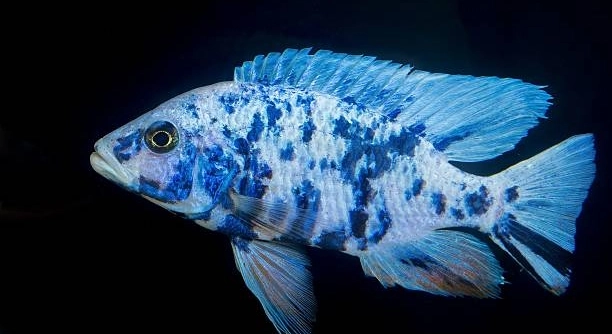
Keeping a cichlid tank can be rewarding, but sometimes an unpleasant odor makes the experience less enjoyable. The smell can creep into your living space, making it harder to appreciate the beauty of your aquarium. Proper care and awareness can help.
A cichlid tank often smells bad due to a combination of overfeeding, waste accumulation, inadequate filtration, and decaying organic matter. Regular maintenance, water changes, and careful monitoring of tank conditions are essential to prevent and reduce unpleasant odors effectively.
Even small adjustments in cleaning routines and feeding habits can make a noticeable difference. Following these steps ensures a fresher, healthier environment for both you and your fish.
Overfeeding Your Cichlids
Overfeeding is one of the main reasons a cichlid tank develops a strong odor. Leftover food sinks to the bottom, decomposing and releasing ammonia into the water. Even if your fish seem hungry, feeding more than necessary creates a buildup of organic waste. Monitoring portion sizes and feeding frequency is essential to maintain water quality. Many people assume fish need constant feeding, but cichlids thrive on controlled meals. Using a feeding schedule helps you avoid adding excess food that your filtration system cannot handle. Uneaten food also attracts bacteria, which contributes further to the smell. Switching to high-quality, slow-sinking pellets or flakes ensures your fish get proper nutrition without leaving residue behind. Regularly removing uneaten food prevents decay and supports a cleaner tank environment. Overfeeding can also lead to health issues in your fish, so controlling portions benefits both their well-being and the cleanliness of the aquarium.
Even reducing a small amount of food can significantly improve tank odor. Monitoring feeding closely is key.
When you adjust feeding habits, the water stays cleaner longer, reducing ammonia spikes and bacterial growth. It may take a few days to notice changes, but consistency pays off. Combining careful feeding with regular siphoning of the substrate and partial water changes keeps the tank fresher. Observing your fish during feeding helps you determine exactly how much they can eat in a few minutes. By balancing nutrition and cleanliness, you create a healthier, more stable environment. Proper feeding is not just about avoiding odors—it also strengthens your fish’s immune system and promotes natural behavior. With time, this small change reduces the frequency of deep cleanings, making tank maintenance easier and more predictable.
Poor Filtration
A weak or overloaded filter cannot handle all the waste in a cichlid tank.
Filters that are too small or clogged allow debris and toxins to build up, leading to strong odors. Choosing the correct filter size for your tank’s volume and fish load is critical. Mechanical filtration removes visible particles, while biological filtration breaks down ammonia and nitrites. Cleaning or replacing filter media regularly keeps the system efficient. Using multiple filtration methods can also help maintain water clarity and prevent smells.
A proper filtration setup supports water quality and keeps your cichlids healthy. Mechanical, chemical, and biological filtration work together to maintain a balanced ecosystem. Without adequate filtration, waste accumulates rapidly, producing ammonia and nitrites that stress fish and encourage bacterial growth. Over time, this imbalance can worsen odors and affect water chemistry. Upgrading filters, maintaining media, and monitoring flow rates ensures consistent removal of debris and organic matter. Additionally, positioning the filter to maximize circulation helps prevent dead zones where waste can gather. A strong filtration system reduces the frequency of water changes and keeps the tank smelling neutral. Regular checks of the filter function and water parameters allow you to address problems early before they impact your fish. Efficient filtration creates a stable, healthy environment that supports both water quality and fish health, minimizing the risk of foul smells.
Decaying Plants
Dead or decaying plants release waste and organic matter that quickly make the water smell bad. Regularly trimming dying leaves and removing plants that no longer thrive helps maintain clean water and reduces bacterial growth in the tank.
Plants that are not healthy break down and produce ammonia, which increases tank odor. Even a single decaying leaf can attract bacteria and contribute to a noticeable smell. Checking plants weekly and removing any rotting parts prevents this buildup. Choosing hardy plants suited for your tank’s conditions reduces the likelihood of rapid decay. Proper lighting, nutrients, and water flow help plants stay alive and vibrant, limiting organic waste. Live plants can improve water quality, but only if they are maintained. Dead leaves or stems left in the substrate or floating in the water create an ideal environment for bacteria to multiply, which directly impacts odor. Regular plant care complements filtration and feeding habits to keep the aquarium fresh.
Removing decaying plants immediately prevents long-term smell issues. Keeping live plants healthy supports a cleaner, more balanced tank environment for your cichlids.
Infrequent Water Changes
Water changes that are too infrequent allow waste and toxins to build up, making your tank smell bad.
Regular water changes are essential to keep ammonia, nitrates, and other harmful compounds in check. Even with good filtration, waste products accumulate over time, especially in heavily stocked tanks. Partial water changes, ideally 20-30% weekly, help maintain stable water chemistry. Using a gravel vacuum during changes removes leftover food, fish waste, and debris trapped in the substrate. Neglecting water changes causes cloudiness, algae growth, and strong odors. Fresh water dilutes pollutants, reduces bacterial overgrowth, and improves oxygen levels. Tracking water parameters like pH, ammonia, and nitrite ensures your changes are effective. Water changes also help prevent long-term stress on fish, reducing the risk of disease. Consistency is more important than frequency; maintaining a schedule keeps the tank healthier and less smelly over time.
Skipping water changes or doing them irregularly creates conditions where bacteria thrive and odor intensifies. Establishing a routine ensures the tank stays clean and fish remain healthy, reducing the chance of foul smells becoming a persistent problem.
Overcrowding
Too many fish in a tank produce excessive waste, which quickly leads to bad odors. Maintaining a proper fish-to-tank ratio keeps water cleaner and reduces stress on your cichlids.
Overcrowding also strains the filtration system, making it harder to remove toxins. Each additional fish increases ammonia and nitrate levels, which contribute to unpleasant smells and unhealthy water conditions. Keeping the number of fish appropriate for your tank size helps maintain stable water quality. It also reduces competition for food and space, creating a calmer, cleaner environment for everyone in the aquarium.
Poor Substrate Cleaning
Debris and waste trapped in the substrate decay over time, producing strong odors. Regular vacuuming during water changes removes this buildup effectively.
Substrate cleaning prevents ammonia spikes and bacterial overgrowth that lead to a smelly tank. Fine gravel or sand often traps food particles, fish waste, and plant debris. Using a siphon to clean the substrate during partial water changes ensures these materials are removed before they decompose. Neglecting this step allows organic matter to accumulate, making the tank smell worse and creating unhealthy conditions for your cichlids. Consistent substrate maintenance complements filtration and water changes, supporting a cleaner, fresher tank.
Uneaten Food
Leftover food decomposes quickly, releasing ammonia and causing odors. Remove uneaten pellets or flakes promptly to maintain clean water.
Inadequate Tank Maintenance
Neglecting routine cleaning, water testing, and filter care leads to a buildup of waste and bacteria. Regular upkeep is essential to prevent persistent odors and keep your cichlids healthy.
FAQ
Why does my cichlid tank smell even after cleaning?
Even after cleaning, a tank can retain odors if the source of the problem is not fully addressed. Hidden food in the substrate, clogged filters, or decaying plants may continue to release ammonia and organic matter. Cleaning should include removing uneaten food, trimming plants, and thoroughly rinsing or replacing filter media. Partial water changes alone may not solve the problem if debris remains trapped in hard-to-reach areas or behind decorations. Regular monitoring and a consistent maintenance routine are key to ensuring that cleaning actually improves water quality and reduces smells.
How often should I change the water in my cichlid tank?
Partial water changes should be done weekly, typically 20-30% of the tank volume. This helps remove accumulated nitrates, ammonia, and other dissolved waste that contribute to odors. Heavily stocked tanks or those with larger fish may require slightly more frequent changes. Using a siphon allows you to clean the substrate while replacing water, preventing debris from building up. Even with proper filtration, routine water changes are necessary to maintain stable water chemistry, reduce bacterial overgrowth, and prevent a smelly tank. Consistency is more important than doing large changes irregularly.
Can overfeeding cause a bad smell in my tank?
Yes, overfeeding is a common reason for tank odors. Uneaten food sinks to the bottom and decomposes, producing ammonia and attracting bacteria. Feeding smaller portions at set intervals ensures your fish get enough nutrition without leaving excess food behind. Observing how much your cichlids eat in a few minutes can guide portion sizes. Using slow-sinking pellets or flakes reduces the risk of leftover food, while promptly removing uneaten pieces prevents decay. Controlling feeding habits is one of the simplest ways to reduce odor and maintain a healthier tank environment.
How does overcrowding affect tank smell?
Overcrowding increases waste production, which raises ammonia and nitrate levels. Filters may struggle to keep up, allowing toxins to accumulate and odors to develop. Proper fish-to-tank ratios are essential to prevent these issues. Too many fish also stress each other, which can reduce immunity and increase susceptibility to disease. Balancing stocking levels with filtration and maintenance routines ensures cleaner water and a fresher-smelling tank. Less crowded tanks make cleaning easier, improve water circulation, and allow cichlids to display more natural behaviors, all contributing to a healthier, less smelly environment.
Will decaying plants make my tank smell?
Yes, decaying or dead plants release organic matter that quickly decomposes, producing ammonia and strong odors. Regularly removing dying leaves, pruning stems, and discarding plants that no longer thrive prevents this buildup. Healthy plants help absorb nitrates and support cleaner water, but neglecting them can make the tank smell worse over time. Monitoring plant health weekly and ensuring proper lighting and nutrients keeps them alive and reduces decay-related odors. Even a small amount of rotting plant material can attract bacteria and worsen smells, so consistent care is essential.
What type of filtration is best for controlling tank odor?
A combination of mechanical, chemical, and biological filtration works best. Mechanical filtration removes debris, chemical filtration helps eliminate dissolved waste and odors, and biological filtration supports beneficial bacteria that process ammonia and nitrites. Cleaning filter media regularly ensures optimal performance. Choosing the correct filter size for your tank volume and fish load is critical, as an undersized filter will struggle to keep water clean. Proper flow circulation prevents dead spots where debris can collect. Maintaining all parts of the filtration system is key to reducing odor and keeping the water safe and clear for your cichlids.
Can I reduce tank smell without changing water often?
While partial water changes are the most effective way to control odor, proper feeding, regular substrate cleaning, and healthy plants can also help. Efficient filtration removes waste continuously, reducing the frequency of major water changes. Removing uneaten food immediately and trimming decaying plants lowers ammonia buildup. Cleaning gravel and siphoning debris during smaller water changes prevents odors from worsening. Using activated carbon or chemical filtration can help absorb smells temporarily, but long-term odor control requires consistent maintenance and monitoring of water quality to create a stable, clean environment for cichlids.
How long does it take for a tank to stop smelling after cleaning?
The time varies depending on the source of the smell and tank conditions. If the water is partially changed, filters are cleaned, and debris removed, noticeable improvement can occur within a day or two. Persistent odors may indicate hidden waste, clogged filters, or decaying plants that need further attention. Maintaining a regular cleaning routine and monitoring water parameters ensures odors are minimized. In some cases, repeated partial water changes and careful maintenance over a week are required for the smell to completely disappear, especially in heavily stocked or neglected tanks.
Keeping a cichlid tank clean and odor-free takes consistent effort and attention to detail. Many factors contribute to a bad smell, including overfeeding, overcrowding, poor filtration, decaying plants, and infrequent water changes. Each of these elements affects water quality in different ways. Overfeeding leaves uneaten food to decay in the substrate, producing ammonia and attracting bacteria. Too many fish in a small tank create more waste than the filtration system can handle. Weak or clogged filters fail to remove debris efficiently, letting toxins build up and worsen the odor. Decaying plants release organic matter that quickly decomposes, while infrequent water changes allow nitrates and other waste products to accumulate. Understanding how these factors interact helps you maintain a healthier, fresher tank. Even small adjustments, like trimming plants, removing leftover food, or siphoning debris during water changes, can significantly reduce unpleasant smells over time.
Regular maintenance is the most effective way to control odors and keep your cichlids healthy. Partial water changes should be done consistently, ideally once a week, to remove accumulated waste and dilute toxins. Cleaning or replacing filter media ensures proper filtration and supports beneficial bacteria that process ammonia and nitrites. Substrate maintenance prevents hidden debris from decomposing unnoticed, and trimming plants removes potential sources of decay. Monitoring feeding portions prevents excess food from building up, while keeping the tank properly stocked avoids stress on fish and overproduction of waste. By following these steps, you can create a balanced environment where your cichlids thrive and the tank stays fresh. Even small, simple changes in your routine can have a noticeable impact on water quality and smell, making the aquarium more enjoyable to maintain.
Consistency and attention to detail are key for long-term success. Cichlid tanks are living ecosystems, and they respond best to regular care and monitoring. By establishing a routine that includes proper feeding, regular water changes, substrate cleaning, plant care, and efficient filtration, you reduce the likelihood of unpleasant odors and keep the tank healthier overall. Observing your fish regularly also helps identify issues early, such as leftover food, dying plants, or filtration problems. Over time, these small habits combine to create a stable and clean environment that supports both fish health and a pleasant-smelling tank. Maintaining a cichlid tank does require effort, but the rewards are worth it—a cleaner, fresher, and more balanced aquarium that you can enjoy for years.

Hello,
If you enjoy the content that we create, please consider saying a "Thank You!" by leaving a tip.
Every little bit helps us continue crafting quality advice that supports the health, happiness, and well-being of pets around the world, for pets of all shapes, sizes, and species.
We really appreciate the kindness and support that you show us!