Can Cherry Shrimp Show Individual Personality?
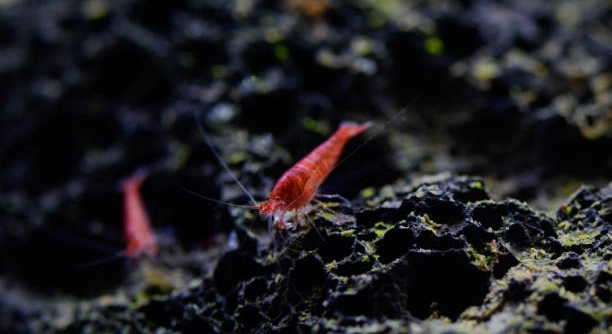
Cherry shrimp are small, colorful creatures that brighten any aquarium. Their lively movements and interactions with their environment often draw attention, making them a popular choice for hobbyists who enjoy observing aquatic life up close. Research indicates that cherry shrimp can exhibit individual behavioral differences. Variations in activity levels, feeding habits, and responses to stimuli … Read more
7 Times to Skip a Feeding for Shrimp Health

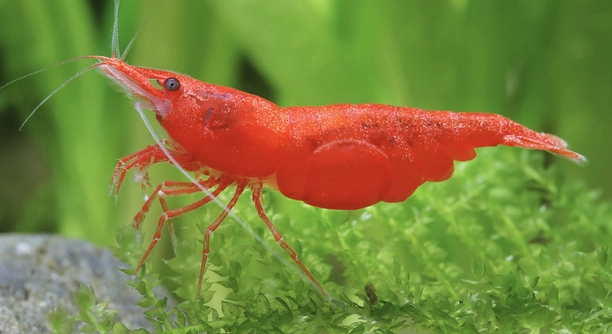
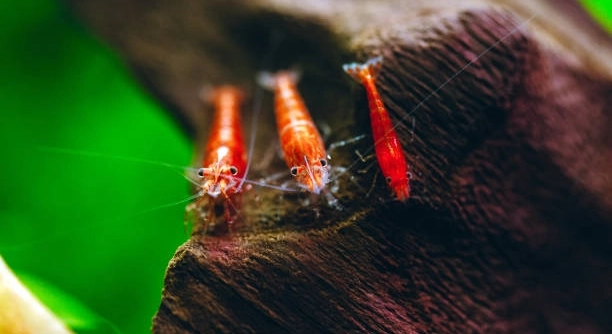
Keeping your shrimp healthy requires more than just regular feeding. Skipping a meal at the right time can prevent stress and water quality issues. Knowing when to hold back is important for thriving shrimp in any tank. Shrimp should occasionally skip feedings to maintain optimal health. Overfeeding, molting, water contamination, stress, illness, and seasonal changes … Read more

Do Cherry Shrimp Ever Show Loyalty?

Cherry shrimp are small, vibrant creatures that add life to home aquariums. Their delicate movements and bright colors often make owners feel a connection, wondering if these tiny animals recognize or bond with them over time. Cherry shrimp do not display loyalty in the same way mammals do. Their behavior is primarily driven by survival … Read more

7 Safe Plants That Boost Shrimp Activity

Do you ever find yourself watching your shrimp lazily move around their tank and wishing they were more active? Adding the right plants can naturally encourage movement and create a livelier, healthier environment for them to thrive. Certain aquatic plants, such as Java moss, Anubias, and Marimo balls, provide shelter, grazing surfaces, and stimulation for … Read more

7 Factors That Affect Cherry Shrimp Behavior

Cherry shrimp are fascinating little creatures that bring color and life to aquariums. Their behavior can be influenced by many aspects of their environment, diet, and social interactions, making them both lively and sensitive pets. Several key factors affect cherry shrimp behavior, including water quality, temperature, tank size, presence of plants, diet, social dynamics, and … Read more

Why Cherry Shrimp Might Act Sleepy After Feeding

Do your cherry shrimp seem unusually calm after finishing their meal? Many shrimp owners notice this behavior and wonder if it is a sign of health or just a normal part of their routine. Cherry shrimp often act sleepy after feeding due to the digestive process and energy allocation. After consuming food, their bodies focus … Read more

Why Is My Cherry Shrimp Ignoring Food?

Is your cherry shrimp refusing to eat even when its favorite foods are offered? Observing these tiny creatures ignoring meals can be puzzling and slightly worrying for any aquarist. Understanding their behavior is key to keeping them healthy. Cherry shrimp often ignore food due to stress, water quality issues, or changes in their environment. Overcrowding, … Read more

Can Cherry Shrimp Eat Vegetables?

Cherry shrimp are small, colorful freshwater creatures that bring life to aquariums. Many hobbyists enjoy watching their playful movements while caring for them and making sure their tank environment is healthy and balanced. Cherry shrimp can eat vegetables as part of a balanced diet. Leafy greens, zucchini, and peas provide essential nutrients, fiber, and natural … Read more

Do Cherry Shrimp Like Company?

Do you enjoy keeping freshwater shrimp but wonder how they interact with each other in your tank? Cherry shrimp are small, colorful creatures that can brighten up any aquarium with their lively behavior. Observing them can be surprisingly relaxing and satisfying. Cherry shrimp are social animals that generally prefer the company of others. They thrive … Read more

7 Shrimp Behaviors That Mean Everything’s Fine

Are your shrimp moving around actively and exploring their environment? Observing shrimp behavior is a simple way to gauge their well-being. Healthy shrimp tend to show consistent activity, interact with their surroundings, and maintain normal swimming patterns. Shrimp behaviors such as steady swimming, regular feeding, frequent antenna movement, and proper molting indicate a stable and … Read more