
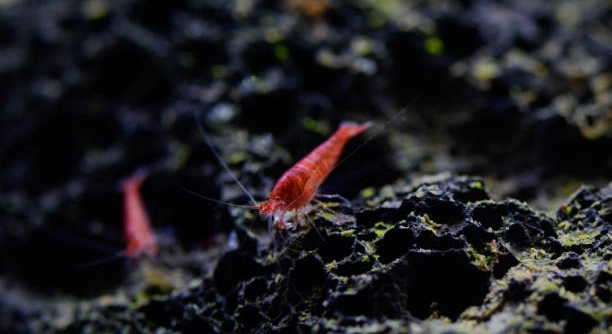
Cherry shrimp are small, colorful creatures that brighten any aquarium. Their lively movements and interactions with their environment often draw attention, making them a popular choice for hobbyists who enjoy observing aquatic life up close.
Research indicates that cherry shrimp can exhibit individual behavioral differences. Variations in activity levels, feeding habits, and responses to stimuli suggest that personality traits may exist within a single species, reflecting both genetic and environmental influences on their behavior.
Observing these tiny shrimp closely can reveal subtle traits, offering a fascinating glimpse into their unique behaviors and habits in the tank.
Observing Cherry Shrimp Behavior
Cherry shrimp are surprisingly active despite their small size. They explore every corner of the tank, often climbing plants, rocks, and decorations in search of food. Their movement patterns are not always uniform. Some shrimp linger in one area for longer periods, while others continuously swim around. Feeding times can highlight differences too. Certain shrimp are bold and quickly approach food, while others hang back and wait. These behaviors can also change depending on the tank environment, water temperature, and presence of other shrimp. Watching them interact with each other can reveal dominance patterns and social behavior. Over time, it becomes easier to distinguish individuals based on their unique responses to external stimuli. Even the way they clean surfaces or hide when disturbed can vary. By noting these small differences, one can begin to recognize consistent traits that suggest individual personalities among the shrimp. Patience and careful observation are key to understanding these subtle variations.
Patterns like approach to food, hiding, and climbing indicate individuality among shrimp.
Tracking their behavior over weeks helps identify consistent traits and subtle preferences in daily activities.
Factors Affecting Personality Expression
Environmental conditions significantly impact how shrimp show their behaviors.
Water quality, temperature, and tank layout all play crucial roles in behavior expression. Shrimp in well-maintained tanks tend to be more active and visible. Stress from overcrowding or poor water conditions can reduce movement and interaction, masking individual differences. Diet also matters; varied foods encourage more exploratory behavior, while limited diets can make shrimp more cautious. The presence of plants, hiding spots, and decorations affects where and how shrimp move, with bolder individuals exploring open areas while shy shrimp stick to cover. Lighting patterns can influence activity times, as some shrimp become more active under dim lighting. Even subtle changes, like adding new tank mates, can alter interactions and social hierarchies. Observing shrimp under consistent, stable conditions provides the clearest insight into their personalities. These factors combine to either reveal or suppress the natural variations that make each shrimp unique, showing that environment and care shape how personality traits are displayed.
Recognizing Individual Traits
Cherry shrimp display behaviors that set them apart. Some are more active explorers, while others prefer staying hidden. Feeding habits, reactions to movement, and preferred areas in the tank help identify these differences, revealing subtle patterns unique to each shrimp.
Observing shrimp over time shows consistent individual tendencies. Bold shrimp approach food quickly and interact with their surroundings more frequently, while shy shrimp remain cautious, hiding under plants or decorations. Even their grooming routines differ. These small but persistent behaviors suggest that personality is not random. Tracking these patterns daily allows a clearer understanding of each shrimp’s natural tendencies, highlighting differences within the same group.
Interactions among shrimp also reveal individuality. Dominant shrimp may chase or displace others from favored spots, while less assertive shrimp avoid conflicts. Some shrimp are persistent cleaners, constantly nibbling on surfaces, whereas others focus mainly on feeding. These variations are stable over weeks, showing that personality traits in cherry shrimp are consistent and observable with careful attention. Understanding these traits can make tank maintenance and observation more engaging.
Environmental Influence on Behavior
Tank setup and care directly affect shrimp behavior. Proper filtration, clean water, and stable temperature create conditions for shrimp to express natural tendencies fully.
Shrimp in enriched tanks with plants and hiding spots demonstrate more noticeable personalities. Shy individuals use cover, while bolder shrimp explore open areas. Sudden changes, like introducing new decorations or tank mates, can temporarily alter behavior, causing stress or hiding. Diet variety encourages active foraging, showing off exploratory traits that might be suppressed on a limited diet. Consistent lighting schedules help maintain activity patterns, allowing regular observation of traits. Environmental consistency ensures that personality differences are not masked by stress or discomfort.
Social Interactions
Cherry shrimp show clear differences in how they interact with others. Some are more dominant, taking the best hiding spots and approaching food first. Others are more cautious, avoiding conflict and staying on the periphery.
During feeding or exploration, certain shrimp will follow or mimic others. Observing these interactions helps identify which shrimp are naturally assertive and which are more reserved. Social behavior is often consistent over time, making it easier to recognize individual tendencies. These patterns influence tank dynamics and can affect how shrimp coexist peacefully in a shared environment.
Feeding Behavior
Individual shrimp respond differently to food. Bold shrimp move quickly to eat, while shy shrimp may wait until others are done. Some prefer grazing on surfaces, while others pick at suspended flakes. These feeding habits are consistent over time and provide insight into each shrimp’s personality.
Activity Patterns
Shrimp also vary in daily activity levels. Some explore constantly, while others remain mostly in one area. Observing movement patterns helps distinguish personalities.
FAQ
Can cherry shrimp really have individual personalities?
Yes, cherry shrimp can show individual differences in behavior. Some are naturally more curious, exploring open areas and approaching food quickly, while others are shy and prefer hiding. These behaviors are consistent over time, suggesting that personality traits exist even in small invertebrates like shrimp.
How can I tell the difference between bold and shy shrimp?
Bold shrimp are usually the first to approach food and explore the tank openly. Shy shrimp hang back, staying close to plants or decorations. Observing their movements over days or weeks helps identify which shrimp are naturally outgoing and which are reserved.
Do environmental factors affect shrimp personalities?
Absolutely. Tank conditions, including water quality, temperature, hiding spots, and decorations, can influence how behaviors are expressed. Stressful environments may suppress natural tendencies, making shy shrimp even more cautious and bold shrimp less active. Stable, enriched setups allow personalities to emerge clearly.
Does diet play a role in behavior?
Yes. Shrimp on varied diets tend to be more active and willing to explore. Limited or monotonous food can reduce activity, making shrimp appear less confident. Offering a mix of algae, flakes, and occasional treats encourages natural foraging and highlights individual differences.
How long does it take to notice personality traits?
Traits can become noticeable after a few weeks of observation. Daily feeding and interaction periods are ideal for spotting consistent patterns in behavior, such as preferred hiding spots, activity levels, and responses to other shrimp or tank changes.
Can shrimp personalities change over time?
While core tendencies are usually consistent, certain factors can cause temporary changes. Stress, illness, or major tank adjustments can alter behavior for a period. However, once conditions stabilize, most shrimp return to their natural patterns, revealing their true traits.
Do shrimp interact socially according to personality?
Yes. Dominant shrimp often take preferred spots and may gently chase others away, while submissive shrimp avoid conflict. Some shrimp follow others during feeding or exploration. Observing these social dynamics can give insight into both individual and group behaviors within the tank.
Are there benefits to recognizing shrimp personalities?
Understanding individual behaviors can improve tank management. Knowing which shrimp are shy or dominant helps when arranging decorations, feeding, or introducing new tank mates. It also adds enjoyment, as observing distinct personalities makes tank care more engaging.
Can shrimp personalities be influenced by tank mates?
Yes. The presence of other shrimp or even small, non-aggressive fish can affect behavior. Bold shrimp may assert dominance, while shy ones may hide more frequently. Careful observation helps maintain balance and ensures all shrimp feel safe and comfortable.
Is it possible to train shrimp or alter behavior intentionally?
Training is limited due to their small size and simple nervous system, but consistent feeding patterns can encourage certain behaviors. For instance, shrimp may learn to approach specific areas for food, revealing both adaptability and consistent personality traits over time.
How do I record or track shrimp personalities?
Keep notes on feeding times, activity levels, preferred hiding spots, and interactions with others. Taking photos or short videos can help compare behaviors over weeks. Tracking these details allows recognition of individual traits and helps ensure each shrimp thrives in the tank.
Do shrimp personality traits affect breeding behavior?
Yes. Bold shrimp are more likely to explore and find mates, while shy shrimp may remain hidden. Observing behavior can indicate which individuals are more likely to contribute to breeding, helping maintain a healthy and active population.
Can stress mask natural personality traits?
Definitely. Poor water quality, sudden tank changes, or overcrowding can cause shrimp to hide more and appear less active. Maintaining consistent, calm conditions is essential for observing genuine personality traits and supporting overall shrimp health.
Why do some shrimp groom more than others?
Grooming behavior varies with personality. Active shrimp may clean surfaces frequently, while others focus on feeding. Differences in grooming reflect individual tendencies and help identify shrimp that are more exploratory or meticulous in their daily routines.
Does age affect shrimp personality?
Younger shrimp may be more exploratory and energetic, while older shrimp can be calmer and more cautious. Despite these changes, individual tendencies remain observable, and patterns of boldness or shyness generally persist throughout their lifespan.
Can tank lighting influence behavior?
Lighting affects activity patterns. Some shrimp are more active under dim light, while others continue exploring regardless of brightness. Consistent lighting schedules help establish reliable behavior patterns, making it easier to observe and understand each shrimp’s personality.
Are there signs of stress that hide personality traits?
Stress often manifests as reduced movement, excessive hiding, or changes in feeding habits. Recognizing these signs helps distinguish between temporary behavioral changes and true personality traits, ensuring accurate observation of each shrimp’s natural tendencies.
How detailed should observation be to notice traits?
Observations should include location preferences, movement patterns, social interactions, feeding habits, and responses to environmental changes. Recording small differences over time reveals consistent behaviors, making it easier to identify personalities within a group of shrimp.
Does tank size influence personality expression?
Yes. Larger tanks provide more space for exploration, allowing shrimp to display boldness and curiosity. Smaller tanks can limit movement and hide behaviors, sometimes making shy shrimp appear less distinct. Adequate space is key to observing true personalities.
Can personalities be compared across shrimp species?
Some behaviors are species-specific, but individual variation exists in most shrimp types. Comparing traits within and across species highlights how environment and genetics influence personalities, providing insight into both behavior and care needs for different shrimp.
Do personalities affect survival or health?
Yes. Bold shrimp may access more food but take more risks, while shy shrimp avoid conflict but may miss resources. Recognizing these tendencies helps ensure balanced care, preventing dominance issues and promoting a healthier, more harmonious tank environment.
Is patience important when observing shrimp personalities?
Absolutely. Consistent observation over weeks or months is necessary. Patience allows recognition of subtle behaviors, helping differentiate temporary reactions from true personality traits, and ensures a better understanding of each shrimp’s unique characteristics.
Can shrimp adapt their behavior in mixed tanks?
Shrimp can adjust to tank mates, but individual tendencies remain. Bold shrimp may dominate certain areas, while shy shrimp find safe spots. Careful monitoring ensures all shrimp have access to food and hiding places, supporting both personality expression and overall well-being.
How do I encourage natural behaviors in shrimp?
Providing a stable, enriched environment with hiding spots, plants, varied diet, and consistent water conditions promotes activity and personality expression. Avoid sudden changes or stressors to allow natural tendencies to emerge fully, giving the clearest picture of each shrimp’s behavior.
Are personality traits hereditary in shrimp?
Some behaviors have genetic components, influencing tendencies like boldness or shyness. However, environmental factors play a large role in how these traits are expressed, making observation essential to understand individual personalities in each tank setting.
Can I track personality changes over time?
Yes. Regular observation, documentation, and comparison of behavior over weeks or months reveal trends. Changes may indicate adaptation, aging, or response to environmental shifts, but core personality traits generally remain recognizable with careful tracking.
Does personality affect interaction with humans?
While shrimp do not recognize humans in a personal sense, bold individuals may approach when food is added, while shy shrimp remain hidden. These reactions reflect natural tendencies rather than attachment, but they make observation more engaging.
How do I maintain a balanced environment for all personalities?
Provide sufficient hiding spots, food distribution, and space to ensure shy and bold shrimp coexist peacefully. Regular monitoring of behavior, feeding, and tank conditions prevents dominance conflicts and allows all shrimp to express their personalities safely.
Can I notice subtle differences in color or movement related to personality?
Yes. Bold shrimp often move confidently across open areas, while shy shrimp may stay near cover. Some may appear more vibrant due to activity level and health. Tracking movement patterns and subtle visual cues helps differentiate individuals.
What role does water temperature play in behavior?
Temperature affects activity levels. Optimal temperatures encourage exploration and normal feeding, while extremes can reduce movement and hide behaviors. Maintaining stable, suitable temperatures ensures shrimp can express their natural personalities consistently.
Do shrimp respond differently to changes in their environment?
Yes. Bold shrimp tend to investigate new objects, while shy shrimp hide. Responses to tank changes reveal underlying traits, helping identify personality even in small, subtle ways.
How can I create a daily observation routine?
Set aside consistent times for feeding and checking shrimp activity. Record behaviors, locations, and interactions. Videos or notes allow comparison over days and weeks, making it easier to track personality traits and behavioral consistency.
Is it normal for shrimp to behave differently on different days?
Yes. Minor variations are normal due to feeding, temperature, or social interactions. Observing patterns over time rather than single instances gives a more accurate understanding of each shrimp’s personality.
Can cherry shrimp personalities influence breeding success?
Yes. Bold shrimp are more likely to explore and find mates, while shy shrimp may hide. Recognizing these tendencies can help manage breeding populations and ensure diverse offspring in the tank.
Do personalities affect tank cleaning habits?
Yes. Some shrimp actively graze and clean surfaces, while others focus on feeding. Personality traits determine how much effort each shrimp invests in cleaning, which can influence the overall appearance and health of the tank.
Is it possible for a shy shrimp to become bolder over time?
Shy shrimp may become more confident with stable conditions, consistent feeding, and safe tank mates. While core tendencies remain, environmental comfort can allow expression of more exploratory behavior over time.
Can I use personality observations to improve care?
Yes. Understanding which shrimp are bold, shy, or active helps with feeding distribution, tank layout, and stress management. Tailoring care to personalities ensures all shrimp thrive and reduces competition or hiding behavior.
Do shrimp personalities affect compatibility with other species?
Yes. Bold shrimp may compete with small fish for food, while shy shrimp avoid interaction. Observing personalities helps choose compatible tank mates and create a balanced, peaceful environment.
How detailed should notes be for accurate tracking?
Include feeding order, activity levels, hiding spots, interactions, and grooming behavior. Over weeks, patterns emerge, allowing clear differentiation of individuals and better care decisions.
Can personality affect how shrimp react to medication or treatment?
Yes. Shy shrimp may hide and be harder to medicate, while bold shrimp may approach and feed normally. Recognizing personality traits helps ensure all shrimp receive proper treatment safely and effectively.
Are there tools to help track shrimp behavior?
Simple tools like notebooks, spreadsheets, or videos are effective. Recording daily behaviors, movements, and feeding responses allows comparison over time and highlights consistent traits.
Can shrimp personalities influence tank harmony?
Yes. Dominant shrimp can influence feeding order and territory use, while shy shrimp adapt to avoid conflict. Understanding these dynamics helps maintain a peaceful and balanced tank environment for all individuals.
Do personalities remain after molting?
Yes. Molting may temporarily reduce activity or visibility, but once the shrimp hardens, its natural tendencies reappear. Observing post-molt behavior confirms consistent personality traits.
How do I encourage shy shrimp to be more active?
Provide hiding spots for security, stable water conditions, and gradual exposure to feeding areas. Over time, shy shrimp may explore more, revealing their personality while feeling safe.
Can I notice personality in very young shrimp?
Juveniles may show early tendencies, such as exploring or hiding preferences, but behaviors become more consistent with age. Tracking from early stages helps recognize patterns as shrimp mature.
Does personality affect food competition?
Yes. Bold shrimp often get first access to food, while shy shrimp may wait or graze elsewhere. Understanding these dynamics ensures fair feeding and reduces stress in the tank.
How can I document long-term personality changes?
Keep consistent daily or weekly notes on activity, feeding, social interactions, and hiding behavior. Over months, these records reveal stable traits and any gradual changes due to aging, environment, or social factors.
Can shrimp learn from observing others?
Yes. Some shrimp follow or mimic behaviors of bolder tank mates, especially during feeding. While this does not replace natural personality, it shows adaptability and social observation skills.
Do shrimp have preferred areas in the tank?
Yes. Bold shrimp explore open areas, while shy shrimp favor plants or decorations. Recognizing these preferences helps manage space and ensures all shrimp can thrive comfortably.
Are there seasonal or environmental cycles that affect behavior?
Subtle shifts, like temperature or lighting changes, can influence activity levels. Observing over time ensures personality traits are recognized apart from temporary environmental effects.
How do I balance a tank with mixed personalities?
Provide enough hiding spots, evenly distribute food, and monitor social dynamics. Ensuring all shrimp can express their personalities safely reduces stress and promotes a harmonious environment.
Does activity level correlate with lifespan?
Not directly, but overly stressed or constantly hiding shrimp may face health risks. Supporting natural behaviors promotes both well-being and longevity.
Can I use personality observation for breeding selection?
Yes. Bold or active shrimp may be more likely to reproduce, while shy shrimp may require additional attention. Recognizing these traits helps manage breeding effectively.
Is it normal for shrimp personalities to be subtle?
Yes. Many differences are small and require careful observation over time. Subtle traits still indicate individuality and can be recognized with patience and consistency.
How do tank mates affect expression of personality?
The presence of other shrimp or small fish can influence dominance, hiding, and feeding behaviors. Monitoring interactions ensures all shrimp can express natural tendencies safely.
Are there signs that a shrimp’s personality is healthy?
Active exploration, consistent feeding, normal grooming, and social interactions indicate well-being. Deviations may signal stress, illness, or environmental issues affecting behavior.
Can water parameters mask personalities?
Yes. Poor water quality, incorrect pH, or high ammonia levels can reduce activity and hide natural tendencies. Stable, clean water allows shrimp to display true traits.
Do personalities influence interaction with decorations or plants?
Bold shrimp explore open areas, climb plants, and investigate decorations. Shy shrimp stick to cover. Recognizing these patterns helps optimize tank layout for all personalities.
Can shrimp personalities affect molting behavior?
Shy shrimp may hide longer during molting, while bold shrimp explore soon after. Observing molting behavior provides insight into individual tendencies and stress levels.
Is it worth documenting personalities for long-term tank care?
Yes. Understanding each shrimp’s traits helps manage feeding, breeding, social dynamics, and environmental needs, leading to healthier, happier shrimp and a more harmonious tank.
How detailed should observation sessions be?
Even short daily sessions noting activity, feeding, hiding, and interactions are valuable. Over time, these details reveal consistent personality traits clearly.
Can bold shrimp become stressed in crowded tanks?
Yes. Dominant shrimp may face challenges if space is limited, leading to aggression or stress. Ensuring adequate space and hiding areas supports healthy personality expression.
Do personalities affect shrimp health indirectly?
Yes. Bold shrimp accessing food readily maintain better nutrition, while shy shrimp may need additional attention to ensure health. Recognizing traits helps prevent disparities and supports overall tank well-being.
Can tracking personalities improve my overall care routine?
Absolutely. Noting behaviors allows tailored feeding, tank setup, and social management, ensuring all shrimp thrive and express their natural tendencies.
Are personalities noticeable in all shrimp or only some?
Most cherry shrimp show some differences, though variations may be subtle. Careful observation reveals these traits, highlighting individuality even in small aquatic animals.
Does molting frequency differ by personality?
Activity and feeding can influence growth and molting rates. Bold, active shrimp may molt more regularly, while shy shrimp might show slightly slower development, reflecting behavioral tendencies indirectly.
Can observing personalities make tank care more enjoyable?
Yes. Identifying unique behaviors, quirks, and social interactions adds depth to observation, making routine maintenance and feeding more engaging and rewarding.
Do personalities influence interaction with introduced food types?
Bold shrimp try new foods first, while cautious ones wait. Observing reactions provides insight into adaptability and preference, reflecting individual tendencies.
Can environmental enrichment enhance personality expression?
Yes. Plants, decorations, and hiding spots encourage natural behaviors, allowing both bold and shy shrimp to display traits fully. Enrichment supports exploration, feeding, and social interactions.
Is patience the key to understanding shrimp personalities?
Absolutely. Small creatures require consistent observation over time. Patience ensures accurate recognition of behaviors, distinguishing true personality traits from temporary reactions or environmental influences.
Can shrimp personalities be compared across multiple tanks?
Yes. Observing similar behaviors in different setups highlights consistent traits while showing how environment modifies expression, giving a clearer picture of inherent personalities.
Do individual personalities influence how shrimp respond to disturbances?
Yes. Bold shrimp may investigate sudden movement, while shy shrimp hide. Tracking responses to disturbances helps understand both confidence and caution within the group.
Can shrimp personalities affect how I design the tank?
Yes. Recognizing bold and shy shrimp informs placement of hiding spots, feeding areas, and decorations, creating a space that accommodates all personalities safely and comfortably.
Are there subtle cues to notice personality differences?
Yes. Movement patterns, feeding order, grooming frequency, and preferred locations provide clues. Careful, consistent observation over time reveals individual tendencies that might otherwise go unnoticed.
Do shrimp personalities influence their reaction to tank cleaning?
Bold shrimp may explore new areas after cleaning, while shy shrimp retreat temporarily. Understanding these differences helps manage tank maintenance with minimal stress for all shrimp.
Can observing personalities improve breeding outcomes?
Yes. Knowing which shrimp are bold and active versus shy and reserved allows better pairing, ensuring more successful mating and healthier offspring.
How often should I observe shrimp to understand personalities?
Daily or every other day during feeding or active periods is ideal. Regular observation provides sufficient data to recognize patterns and individual traits accurately.
Does water flow affect personality expression?
Yes. Some shrimp prefer calm areas, while others explore stronger currents. Observing movement preferences helps identify boldness and comfort levels within the tank.
Are shy shrimp at a disadvantage in communal tanks?
Potentially. Shy shrimp may get less food or access fewer open areas. Providing hiding spots, evenly distributed food, and careful monitoring ensures all shrimp thrive regardless of personality.
Can personalities be used to predict shrimp behavior in new environments?
Yes. Bold shrimp typically explore immediately, while shy shrimp remain cautious. Understanding tendencies allows preparation for introducing shrimp to new tanks or changes.
Do shrimp personalities influence how they respond to tank mates molting?
Bold shrimp may continue exploring nearby, while shy shrimp may hide more. Observing these reactions provides insight into social awareness and cautious versus confident tendencies.
Is observing personalities time-consuming?
It requires consistent attention, but sessions can be brief. Daily notes, photos, or videos over weeks provide sufficient information to recognize traits and enhance tank care.
Can shrimp personalities affect their lifespan indirectly?
Yes. Bold shrimp may access more food and avoid hazards efficiently, while shy shrimp need supportive environments to maintain health. Recognizing
Cherry shrimp are more than just colorful additions to a tank. Their behaviors can vary significantly, and careful observation reveals that they each have unique tendencies. Some shrimp are naturally bold, exploring open areas, approaching food quickly, and interacting with their environment in noticeable ways. Others are shy, staying close to plants, hiding under decorations, or waiting for the bolder shrimp to finish feeding. These differences are not random; they tend to remain consistent over time, showing that personality traits exist even in such small creatures. Tracking these behaviors can be a rewarding process, allowing a deeper understanding of how each shrimp acts and interacts with others in the tank. Even simple actions like climbing, grazing, or reacting to movement provide insight into individual tendencies, helping identify which shrimp are confident and which are more reserved. Observing shrimp in this way also highlights how environment and care influence behavior, emphasizing the importance of stable and enriched tank conditions for all individuals.
Environmental factors play a significant role in how shrimp express their personalities. Water quality, temperature, hiding spots, and tank layout all affect activity levels and social interactions. Shy shrimp in a poorly arranged tank may hide constantly, masking their natural tendencies, while bold shrimp might become less active if stressed by sudden changes or overcrowding. Providing consistent care, a varied diet, and secure hiding spaces encourages shrimp to explore and interact, making it easier to recognize their individual traits. The presence of plants and decorations allows shy shrimp to feel safe, while bold shrimp can assert themselves and explore freely. Feeding habits also reflect personality: bold shrimp are often first to reach food, while shy shrimp wait or graze on surfaces. Over time, these small but persistent differences become apparent, giving a clear view of each shrimp’s unique behavior. Maintaining a calm, stable environment is essential for supporting natural tendencies and ensuring that both shy and bold shrimp can thrive in the same tank.
Recognizing individual personalities can improve both care and enjoyment. Understanding which shrimp are more dominant, active, or cautious helps with feeding, tank layout, and social management. Observing and tracking behaviors over time allows adjustments to ensure that all shrimp have access to food, safe spaces, and adequate opportunities for exploration. Personality differences also make daily observation more engaging, as each shrimp can be appreciated for its unique traits and interactions. Even small behaviors like grooming, climbing, or reacting to tank changes contribute to understanding their individuality. Supporting these natural tendencies promotes health, reduces stress, and fosters a harmonious environment. Paying attention to personality traits ensures a well-balanced, thriving tank, and adds a layer of connection and enjoyment to shrimp care. By acknowledging and adapting to the unique behaviors of each shrimp, you create a space where all individuals can express themselves fully, making tank maintenance and observation both meaningful and rewarding.

Hello,
If you enjoy the content that we create, please consider saying a "Thank You!" by leaving a tip.
Every little bit helps us continue crafting quality advice that supports the health, happiness, and well-being of pets around the world, for pets of all shapes, sizes, and species.
We really appreciate the kindness and support that you show us!