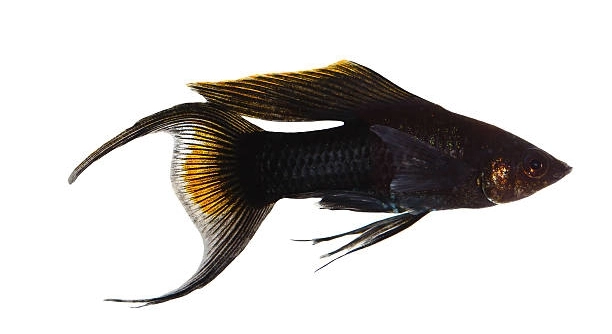
Why Is My Black Molly Chasing the Others?
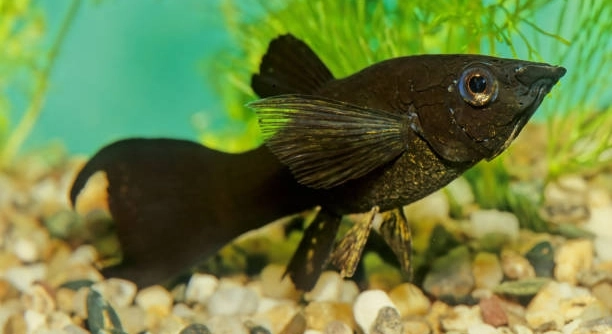
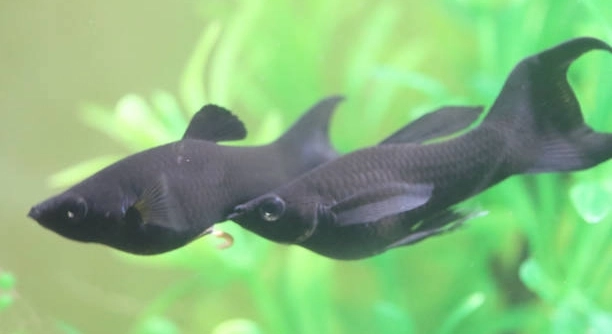
Have you ever noticed your black molly darting around the tank, creating a scene that sometimes leaves you wondering about the energy and purpose behind its constant movement among the other fish in your aquarium. The primary reason a black molly chases other fish is territorial or dominance related, often triggered by overcrowding, stress, or … Read more
7 Tank Features Fry Interact With Most

Fry are small, delicate fish that spend most of their time exploring their environment. Their interactions with their tank shape their growth, behavior, and overall well-being. Observing these interactions can reveal much about their needs and comfort. Fry most frequently engage with seven key tank features: the surface for feeding, the substrate for foraging, hiding … Read more

7 Ways to Tell Black Molly Are Bonding

Are your Black Molly fish showing signs of companionship but you are unsure how to tell if they are truly bonding? Observing their behavior closely can reveal subtle indicators of trust and connection in your aquarium. Black Molly bonding can be identified through consistent swimming patterns, parallel movement, gentle nudging, shared hiding spots, synchronized feeding, … Read more

7 Tips to Improve Breeding Conditions for Black Molly

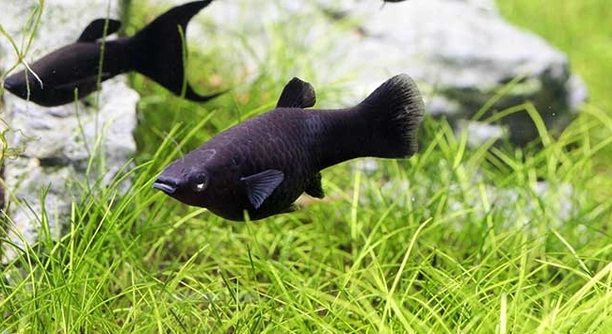
Breeding black mollies can be a rewarding experience for any aquarist, yet many face challenges ensuring the ideal environment. Proper attention to water quality, temperature, and tank setup can significantly impact the health and reproduction of these fish. To improve breeding conditions for black mollies, maintain stable water temperature between 24–28°C, provide a well-planted tank … Read more

Why Black Molly Circle Objects Repeatedly

Black Mollies are a popular choice for home aquariums because of their striking color and lively behavior. Observing them can be enjoyable, yet sometimes they exhibit unusual habits, like circling objects repeatedly around the tank. Black Molly fish often circle objects repeatedly due to a combination of environmental stress, territorial instincts, and natural exploratory behavior. … Read more

Can Black Molly Live with Shrimp?

Black Mollies are popular freshwater fish, admired for their striking black color and peaceful behavior. Many aquarium enthusiasts enjoy keeping them in community tanks with other species. Their adaptable nature makes them appealing for mixed aquatic setups. Black Mollies can live with shrimp under controlled conditions, provided the tank is spacious, well-planted, and hiding spots … Read more

7 Tank Dynamics That Improve Fry Social Behavior

Fry are delicate creatures, and their early environment plays a crucial role in shaping social interactions. Small changes in tank setup and management can have noticeable effects on how fry behave together and develop over time. Optimizing tank dynamics involves regulating population density, maintaining consistent water quality, providing adequate hiding spaces, and ensuring balanced nutrition. … Read more

7 Unexpected Causes of Black Molly Death

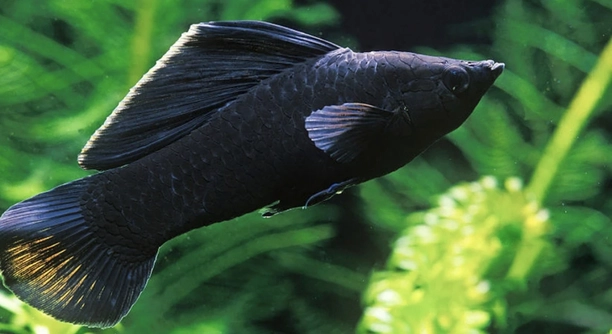
Black mollies are popular freshwater fish known for their hardiness and striking black coloration. Many owners enjoy keeping them in home aquariums, but sometimes they die unexpectedly despite proper care and routine maintenance. Unexpected deaths in black mollies often result from overlooked environmental and biological factors. Poor water quality, sudden temperature fluctuations, overcrowding, nutritional deficiencies, … Read more

7 Ways to Calm a Restless Black Molly

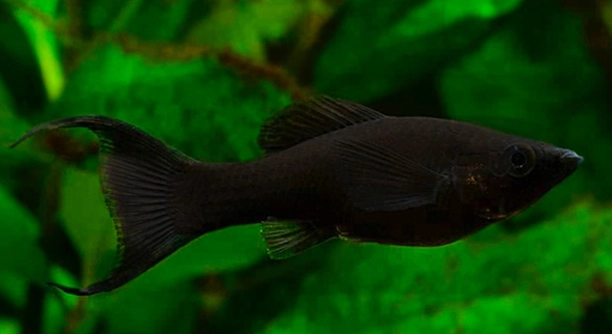
Black Mollies are lively fish that can sometimes become restless, swimming rapidly or hiding frequently. Their behavior may be influenced by water conditions, tank setup, or interactions with other fish in their environment. Observing them carefully helps identify the cause. Restlessness in Black Mollies is often caused by suboptimal water conditions, insufficient space, or stress … Read more

What to Observe After Relocating Black Molly Fry

Relocating a Black Molly fry to a new tank can be an exciting yet delicate process. Observing their behavior and environment closely ensures they adapt well and remain healthy in their new surroundings. After relocating Black Molly fry, it is crucial to monitor water temperature, clarity, and pH levels consistently. Observing feeding patterns, swimming behavior, … Read more