
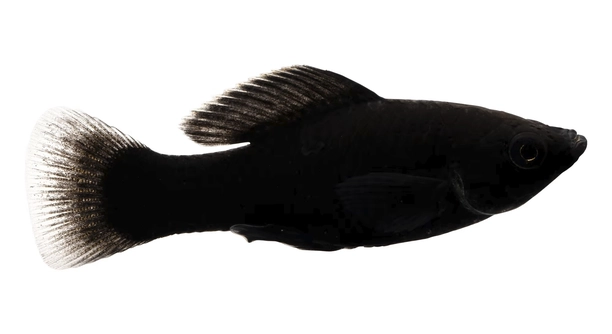
Are your Black Molly fish showing signs of companionship but you are unsure how to tell if they are truly bonding? Observing their behavior closely can reveal subtle indicators of trust and connection in your aquarium.
Black Molly bonding can be identified through consistent swimming patterns, parallel movement, gentle nudging, shared hiding spots, synchronized feeding, fin flaring without aggression, and calm interaction. These behaviors indicate social comfort, mutual recognition, and positive interspecies interaction in a controlled aquatic environment.
Observing these small interactions can enhance your understanding of your fish’s social life and help foster a peaceful aquarium environment.
Parallel Swimming
Black Mollies often swim side by side when they are forming a bond. This synchronized movement shows trust and comfort between the fish. You may notice them gliding together near the middle of the tank or moving in the same direction during feeding times. It is not just coincidence; consistent parallel swimming signals recognition and connection. Observing them at different times of the day helps identify patterns. Younger fish may initially swim independently, but as they grow more accustomed to each other, the paired swimming becomes more frequent. Over time, these shared movements can help reduce stress in the tank, creating a calmer environment for all fish. Pairing is often strongest in fish that have been together for a longer period, reflecting familiarity and positive interactions. Parallel swimming also demonstrates social hierarchy without aggression, as they coordinate their paths while maintaining safe distances, allowing both fish to feel secure while interacting.
This side-by-side swimming is a clear sign of bonding that is easy to observe regularly.
Watching Mollies swim together can reveal more than just friendship. Their movement patterns, timing, and coordination provide insight into social structure and comfort levels. These observations can guide tank arrangements and feeding strategies, supporting a healthy and interactive environment for your fish.
Gentle Nudging
Gentle nudging occurs when Black Mollies lightly touch each other with their noses or bodies. This behavior is non-aggressive and shows curiosity and social engagement. Nudging helps them maintain contact and reinforces their connection within the tank. Fish may nudge during feeding, exploring new tank decorations, or resting areas. It is important to differentiate between playful nudging and aggressive chasing, as the former is slow and calm, while the latter is fast and forceful. Observing nudging patterns over time can help you understand which fish have developed a stronger bond. Nudging may also indicate comfort in shared spaces and willingness to interact without competition. It can strengthen coordination during swimming and help establish a peaceful coexistence.
Nudging is subtle but significant, showing interaction and comfort between bonded Mollies.
When you pay attention to gentle nudging, it reveals a lot about social dynamics in your tank. Fish that nudge consistently are often more confident, secure, and willing to share resources. Over weeks, these small interactions build mutual recognition and trust. Nudging can encourage synchronized swimming, reduce stress, and enhance feeding experiences. Tank placement and environmental enrichment, such as plants or hiding spots, can amplify these behaviors. Monitoring nudging also helps identify if any fish feel isolated or stressed, allowing adjustments to maintain balance. By supporting this behavior, you create an environment where Black Mollies thrive socially and physically. Consistent nudging is a practical indicator of healthy interaction, helping you understand which fish have established a meaningful connection.
Shared Hiding Spots
Black Mollies often choose the same hiding spots when they feel bonded. They may rest together among plants or decorations, showing comfort and trust. This behavior signals that the fish feel safe in each other’s presence and enjoy spending time near one another.
Choosing shared hiding spots helps reduce stress and fosters calm interaction. When Mollies consistently select the same area, it indicates mutual recognition and a preference for proximity. Observing this behavior over time can help identify which fish are most closely bonded. It also allows you to arrange the tank with more suitable spaces that encourage social interaction while maintaining security.
Monitoring shared hiding spots provides insight into their social dynamics. Bonded Mollies will often return to these areas even after exploring other parts of the tank. The selection of a hiding spot is influenced by comfort, familiarity, and confidence in the environment. Fish that are not bonded typically seek solitude, whereas bonded Mollies display coordinated movements toward these secure spaces. Recognizing these patterns allows you to create a more harmonious aquarium by positioning plants, rocks, or other shelters where interactions are encouraged, supporting both social and individual needs.
Synchronized Feeding
Bonded Black Mollies often feed in unison, moving together toward food without displaying aggression. They maintain calm behavior while eating, indicating comfort and shared trust during this routine.
Synchronized feeding shows that Mollies have established a social understanding. Fish that are bonded coordinate their movements and timing, ensuring each individual can access food without conflict. This pattern is particularly noticeable when feeding pellets or flakes, as they approach together, often mirroring each other’s motions. It reflects mutual tolerance and acceptance within the group. Regular observation can confirm which Mollies consistently eat side by side, highlighting the strongest bonds.
Feeding synchronization also helps maintain a balanced and stress-free tank. Fish that are bonded reduce competition during meals, preventing chasing or dominance disputes. This behavior often emerges gradually, as Mollies become more familiar with one another. It also supports overall health, as calm feeding encourages consistent nutrition and minimizes injuries from aggressive interactions. Bonded Mollies may even follow the same path from hiding spots to feeding areas, demonstrating coordination and trust. Recognizing synchronized feeding patterns allows you to adjust feeding strategies, such as distributing food evenly, ensuring all fish benefit from their social harmony.
Fin Flaring
Black Mollies may flare their fins at each other without showing aggression. This display is a way to communicate and establish connection while maintaining calm interactions.
Fin flaring in a non-aggressive context signals recognition and social comfort. Bonded Mollies use it to assert presence without hostility, showing trust and mutual awareness.
Calm Interaction
Bonded Black Mollies interact without chasing or aggressive displays. They swim near each other, explore tank decorations together, and occasionally rest side by side. Calm interaction is a strong indicator of social harmony, as fish feel secure in each other’s presence. Observing these patterns consistently shows which pairs or groups have established trust. Fish that are not bonded often display rapid movements, chasing, or solitary behavior, highlighting discomfort or territorial tension. Maintaining a peaceful environment encourages these positive interactions, allowing bonded Mollies to continue strengthening their social bonds.
Mutual Recognition
Bonded Mollies often acknowledge each other’s presence by turning toward or gently following one another. This awareness reinforces their connection and comfort in shared spaces.
How can I tell if my Black Mollies are bonded?
Bonded Black Mollies display consistent behaviors that indicate comfort and trust. Parallel swimming, shared hiding spots, synchronized feeding, gentle nudging, fin flaring without aggression, calm interactions, and mutual recognition are all key indicators. Observing these patterns over time helps determine which fish have formed strong social connections.
Is parallel swimming a reliable sign of bonding?
Yes, parallel swimming is one of the most visible signs of bonding. When Mollies swim side by side in a coordinated manner, it demonstrates trust and social comfort. This behavior is more pronounced in fish that have spent time together and feel safe in each other’s presence.
What does gentle nudging mean among Mollies?
Gentle nudging is a soft touch with the nose or body and is completely non-aggressive. Bonded fish use nudging to maintain contact, show curiosity, and reinforce social bonds. Repeated gentle nudging indicates a strong connection and mutual recognition.
Can shared hiding spots indicate a bond?
Yes, when Black Mollies choose the same hiding areas repeatedly, it reflects trust and comfort. Bonded fish feel secure enough to rest near each other and prefer shared spaces over solitary ones. This behavior also helps reduce stress and encourages calm interactions in the tank.
How does synchronized feeding show bonding?
Bonded Mollies often feed together calmly, without chasing or aggressive behavior. They approach food at the same time and coordinate movements to ensure each fish can eat safely. This demonstrates social tolerance, mutual understanding, and trust in one another.
Why is fin flaring important in bonding?
Fin flaring without aggression is a communication method. Bonded Mollies use it to assert presence and maintain awareness while signaling comfort. Observing non-threatening flaring shows that fish recognize each other and feel secure enough to display this behavior without hostility.
What are signs of calm interaction?
Calm interaction involves swimming together, resting nearby, or exploring the tank in sync. Bonded fish avoid chasing, rapid movements, or dominance displays. Consistent calm behavior highlights trust and a strong social relationship between the fish.
Does mutual recognition play a role in bonding?
Yes, mutual recognition is essential. Bonded Mollies acknowledge each other’s presence by turning toward, following, or staying near each other. This awareness reinforces connections and helps maintain harmony in the tank. Fish that do not recognize each other often behave independently or show territorial tendencies.
Can bonding reduce stress in the tank?
Bonded Mollies experience lower stress levels. Coordinated behaviors, calm interactions, and mutual trust create a stable environment, reducing aggressive encounters. Providing adequate hiding spots and observing social dynamics further supports their well-being and encourages positive interactions.
How long does it take for Mollies to bond?
Bonding varies depending on age, personality, and tank environment. Some fish may form connections within weeks, while others take months. Regular observation of interactions like parallel swimming, nudging, and synchronized feeding helps track the development of bonds. Creating a calm and enriched environment speeds up the process.
Can new fish bond with an established group?
Yes, new Black Mollies can bond with existing tank members over time. Introducing them gradually, providing hiding spots, and observing interactions reduces stress. Gentle nudging, shared feeding, and synchronized swimming indicate successful integration and growing social bonds.
Are there signs that fish are not bonding?
Fish that avoid each other, display frequent chasing, or show aggression are likely not bonded. Solitary hiding and erratic movements indicate discomfort or territorial disputes. Addressing tank conditions and monitoring interactions can help improve relationships among fish.
Do environmental factors affect bonding?
Yes, tank size, hiding spaces, and water quality impact bonding. Adequate space, plants, and decorations encourage shared behaviors and reduce stress. Poor conditions may cause aggression or isolation, preventing strong social bonds from forming.
Can bonding behaviors change over time?
Yes, bonding behaviors can evolve. As Mollies grow, social hierarchies, health, or tank changes may alter interactions. Continued observation is necessary to maintain harmony, adjust the environment, and support long-term bonds among your fish.
How can I encourage bonding among Mollies?
Encouraging bonding involves providing a well-maintained tank, multiple hiding spots, and consistent feeding routines. Minimizing stress and observing interactions helps fish feel secure. Encouraging gentle contact, synchronized feeding, and shared exploration fosters stronger social connections over time.
What are the benefits of bonded Black Mollies?
Bonded Mollies experience lower stress, safer feeding, and calmer tank behavior. Social cohesion improves overall health and reduces aggressive encounters. Observing bonding behaviors allows you to better support your fish, enhancing both their social life and well-being.
Are these behaviors unique to Black Mollies?
While some behaviors, like parallel swimming and nudging, are common in other livebearers, Black Mollies display them consistently and visibly. Their social interactions make it easier to observe bonding patterns compared to less active or solitary species.
How can I tell if bonding is genuine or temporary?
Genuine bonding is consistent over time, across different activities like feeding, resting, and exploring. Temporary connections may appear only during feeding or in specific tank areas. Tracking multiple behaviors over weeks helps confirm strong social bonds.
Does age affect bonding tendencies?
Younger Mollies may take longer to form bonds due to inexperience or lower confidence. Older fish often show established social patterns. Observing their interactions in different stages helps understand how bonds develop and evolve.
Can bonding prevent aggressive behavior?
Yes, strong social bonds reduce chasing, fin nipping, and dominance disputes. Fish that recognize and trust each other are calmer and more cooperative, creating a peaceful tank environment. Encouraging bonding behaviors helps maintain overall harmony.
Is it necessary to separate unbonded fish?
Separating highly aggressive or stressed fish may be necessary to prevent injuries. Observing interactions carefully and providing adequate space allows unbonded fish to coexist safely. Temporary separation can help them gradually adapt and reduce tension.
How do I maintain bonds long-term?
Maintaining bonds requires consistent care, stable water conditions, adequate hiding spots, and routine feeding. Observing behaviors like synchronized swimming, nudging, and calm interaction ensures continued social harmony and reinforces trust among your Black Mollies.
Can bonded Mollies influence other fish?
Yes, bonded Mollies can set a social tone in the tank. Their calm and coordinated behavior may encourage less confident fish to integrate, follow routines, and establish connections, promoting overall tank harmony.
What should I avoid to protect bonding?
Avoid sudden changes in tank conditions, overcrowding, and introducing aggressive fish. These factors can disrupt existing bonds, cause stress, or trigger conflicts. Maintaining a stable environment supports the continuation of social interactions and healthy bonding.
Do bonded Mollies show affection?
Bonded Mollies display behaviors that resemble social affection, such as swimming together, gentle nudging, and shared resting areas. While not emotional in a human sense, these behaviors indicate comfort, recognition, and mutual tolerance.
Are there signs of weakening bonds?
Signs of weakening bonds include increased aggression, avoidance, or reduced synchronized behavior. Changes in tank conditions, health issues, or new introductions can disrupt established social patterns. Monitoring these changes helps intervene early.
Can bonding improve breeding outcomes?
Yes, bonded Mollies may exhibit better coordination and lower stress, which can positively affect breeding behavior. Calm, well-connected pairs are more likely to engage in successful mating interactions and maintain a stable environment for fry.
How often should I observe bonding behaviors?
Daily observation is ideal, even if only for a few minutes. Consistent monitoring helps track interactions, identify changes in social patterns, and ensure a safe, stress-free environment for your fish.
Do all Black Mollies bond in the same way?
No, individual personalities influence bonding patterns. Some fish may bond strongly through swimming and feeding, while others rely on nudging or shared hiding spots. Observing multiple behaviors provides a complete understanding of social connections in your tank.
Can bonding affect overall tank health?
Yes, bonded Mollies reduce stress and aggression, which positively impacts water quality and overall health. A calmer, cooperative tank environment encourages regular feeding, lower injuries, and better growth, benefiting all fish in the aquarium.
Is it possible to measure bonding scientifically?
While no exact measurement exists, repeated observations of coordinated swimming, feeding, nudging, and resting behaviors provide practical insight. Recording patterns over time helps identify strong social bonds and distinguish temporary or weak interactions.
Can bonding be disrupted by illness?
Yes, sick or stressed fish may withdraw or behave aggressively, affecting social connections. Maintaining proper care, water quality, and treatment when needed helps preserve established bonds and prevent disruptions.
Are there differences in bonding between males and females?
Male and female Mollies may bond differently. Males often display fin flaring and following behaviors, while females may focus on nudging or resting together. Observing gender-specific patterns helps understand social dynamics and maintain harmony.
How does tank size influence bonding?
Larger tanks allow more space for exploration and hiding, encouraging positive interactions and reducing stress. Smaller tanks may force competition for resources, potentially hindering bonding and increasing tension among fish.
Can environmental enrichment strengthen bonds?
Yes, providing plants, decorations, and hiding spots encourages shared exploration and safe interaction. Enrichment supports natural behaviors, reduces stress, and fosters repeated positive interactions that reinforce social bonds.
Are there signs that bonding is complete?
Complete bonding is evident when fish consistently engage in parallel swimming, synchronized feeding, gentle nudging, shared hiding, and calm interactions across multiple situations. This consistency demonstrates stable social recognition and comfort.
How long do bonds typically last?
Bonds can last months or even years if the tank environment remains stable and fish are healthy. Changes in population, health, or tank conditions may alter social dynamics over time.
Can bonded Mollies be separated temporarily without stress?
Short-term separation may be tolerated if space, hiding spots, and familiar scents remain. Gradual reintroduction ensures minimal stress and helps maintain social recognition when fish are reunited.
Does water temperature affect bonding?
Stable water temperature supports normal behavior and stress-free interactions. Sudden changes can trigger aggression or withdrawal, disrupting established bonds and altering social patterns.
Are there signs of overly dependent bonding?
Overly dependent Mollies may constantly follow or crowd one another, leading to competition for resources or stress. Balanced interaction ensures healthy social bonds without interference in individual behavior.
Can bonding help with tank integration of new species?
Bonded Mollies can model calm and coordinated behavior, encouraging newcomers to interact peacefully. This influence helps reduce stress and aggression during gradual integration.
How do I track bonding over time?
Record behaviors like parallel swimming, nudging, feeding synchronization, and resting patterns. Consistent tracking identifies strong bonds, changes in interactions, and potential issues requiring adjustment.
What role does personality play in bonding?
Individual fish personalities affect speed and style of bonding. Some are naturally social, while others are cautious or territorial. Observing multiple behaviors over time provides insight into each fish’s social tendencies.
Can bonding improve aquarium aesthetics?
Bonded Mollies moving together create coordinated, visually pleasing patterns. Their calm, synchronized behavior enhances the overall appearance and dynamic of the tank, making the aquarium more engaging to watch.
How can I prevent bond disruption during tank cleaning?
Maintaining stable water conditions, handling fish minimally, and providing familiar hiding spots helps prevent stress and preserves established social bonds during cleaning and maintenance routines.
Do bonded Mollies sleep near each other?
Yes, bonded Mollies often rest or hover close together during periods of inactivity. Shared resting reinforces trust and comfort, signaling a strong social connection.
Are there differences in bonding among young versus adult Mollies?
Young Mollies may take longer to form bonds and require more observation. Adults often have established patterns and social hierarchies, showing more consistent behaviors like synchronized swimming and shared resting.
Can bonding behaviors be misinterpreted?
Yes, aggression may appear similar to fin flaring or nudging if not observed carefully. Distinguishing calm, consistent patterns from erratic or forceful movements ensures accurate interpretation of bonding.
How does diet affect bonding?
Consistent feeding routines and sufficient food reduce competition, allowing bonded behaviors like synchronized feeding to emerge. Balanced nutrition supports health, energy, and positive social interactions.
Is it normal for bonds to shift over time?
Yes, changes in tank population, growth, or individual behavior can alter social dynamics. Observing interactions regularly helps manage shifts and maintain harmony.
Can observing bonding help prevent disease spread?
Monitoring interactions allows early detection of abnormal behavior, lethargy, or isolation, which can indicate illness. Early intervention supports both social and physical health of the tank.
Do all bonded behaviors occur at the same time?
Not necessarily. Some behaviors, like nudging, may appear more frequently, while others, like synchronized feeding, occur during specific activities. Observing multiple behaviors provides a comprehensive view of bonding.
Can bonding reduce aggression toward other species?
Yes, bonded Mollies that are confident in their social circle are less likely to display aggression toward other peaceful species. Strong social connections create stability and reduce stress-induced conflicts.
How can I encourage shy Mollies to bond?
Providing hiding spots, gradual exposure to other fish, and calm feeding routines encourages shy Mollies to interact. Gentle environmental support helps them join established social bonds over time.
Can water chemistry influence bonding?
Stable pH, temperature, and cleanliness support normal behavior and bonding. Sudden changes can cause stress, aggression, or withdrawal, disrupting social interactions and established bonds.
Do bonded Mollies interact differently with males and females?
Yes, interaction patterns vary. Males may display following or fin flaring, while females may focus on nudging or shared resting. Recognizing these differences helps interpret bonding accurately.
Is it important to observe bonding daily?
Yes, daily observation ensures early detection of stress, aggression, or changes in social dynamics. Regular monitoring helps maintain strong bonds and a harmonious tank environment.
How can I record bonding behaviors effectively?
Using a journal or chart to note swimming patterns, feeding synchronization, nudging, and resting spots helps track bonds over time. Consistent records provide insight into social relationships and behavioral changes.
Can bonded Mollies influence overall tank harmony?
Yes, their calm, coordinated behavior sets a positive example, encouraging less confident fish to interact peacefully, reducing overall stress, and promoting cooperative social dynamics.
Do bonded Mollies compete for resources?
Competition is minimized in bonded pairs due to mutual recognition and calm feeding behaviors. Balanced access to food and hiding spots ensures all fish benefit without conflict.
How can I tell if a new bond is forming?
Signs include parallel swimming, gentle nudging, shared hiding, and synchronized feeding. Observing these behaviors over weeks confirms developing social connections.
Can bonded Mollies regress in behavior?
Yes, illness, stress, overcrowding, or tank changes can cause a temporary regression in bonded behaviors. Adjusting the environment and monitoring interactions helps restore connections.
Are there long-term benefits to observing bonding?
Yes, consistent observation supports social harmony, reduces aggression, improves feeding efficiency, and enhances overall health and well-being in the tank. Recognizing and maintaining bonds contributes to a thriving aquarium.
Can bonding behaviors be encouraged through tank layout?
Yes, providing adequate plants, hiding spots, and open swimming areas encourages positive interactions, coordinated movement, and shared exploration, supporting long-term social connections among Mollies.
Is it normal for bonds to shift after adding new fish?
Yes, introducing new tank mates can temporarily alter social dynamics. Gradual integration and observation help maintain existing bonds while allowing new connections to form.
Do bonded Mollies show preference for certain companions?
Yes, some Mollies form stronger connections with specific tank mates, indicated by repeated parallel swimming, synchronized feeding, and shared resting. These preferences reflect comfort and compatibility.
Can bonding impact breeding behavior?
Bonded pairs often show coordinated courtship, reduced stress, and improved reproductive success. Stable social relationships create a favorable environment for mating and raising fry.
How important is consistency in feeding for bonding?
Consistent feeding routines reinforce synchronized behaviors, reduce competition, and strengthen social bonds. Predictable access to food promotes calm interactions and mutual trust among Mollies.
Are there signs that bonding is weakening?
Increased aggression, avoidance, reduced synchronized behavior, or solitary hiding may indicate weakened bonds. Monitoring changes allows adjustments to tank conditions or social structure to restore harmony.
Does observing bonding help with overall tank management?
Yes, understanding social interactions informs feeding, cleaning, and population decisions. Observing bonding helps maintain a calm, cooperative, and healthy aquarium environment.
Can environmental stress disrupt bonding?
Yes, sudden temperature changes, overcrowding, or poor water quality can cause stress, leading to aggression or withdrawal and disrupting previously established bonds.
Do bonded Mollies communicate differently?
Bonded fish display subtle communication like nudging, fin flaring, and parallel swimming, signaling trust and social awareness. These behaviors help maintain harmony and coordination within the group.
Can bonding behaviors be taught or encouraged?
While not taught directly, providing a stable environment, shared feeding, hiding spots, and gradual introductions encourages natural bonding behaviors to emerge and strengthen over time.
Are there differences in bonding between tank sizes?
Yes, larger tanks allow more exploration and safe interaction, supporting stronger bonds. Smaller tanks may increase stress and competition, potentially hindering bonding.
Does age difference affect bonding?
Significant age differences may slow bonding, as younger fish are more cautious and older fish more established. Patience and observation help ensure positive interactions develop over time.
How does water quality impact bonding?
Stable and clean water supports calm behavior, reducing stress and promoting social interactions. Poor water quality can increase aggression and disrupt established bonds.
Can bonded Mollies influence the behavior of other species?
Yes, their calm, coordinated actions can encourage other peaceful species to behave similarly, creating a more harmonious and stable tank environment.
Is it normal for bonding to change seasonally?
While fish do not experience seasons like humans, changes in light, feeding, or tank conditions can temporarily influence behavior, affecting the appearance of bonds.
How can I maintain strong bonds long-term?
Maintaining stable water conditions, providing hiding spots, consistent feeding, and monitoring interactions supports lasting bonds. Observing behaviors like synchronized swimming, nudging, and shared resting ensures continued trust.
Can bonded Mollies help reduce aggression in the tank?
Yes, confident, bonded pairs set a peaceful tone, reducing chasing, fin nipping, and territorial disputes, supporting a calm and cooperative environment for all fish.
Are there signs of overly dependent bonds?
Overly dependent Mollies constantly follow or crowd one another, potentially causing competition or stress. Balanced interaction ensures healthy social bonds without interference.
Can stress disrupt previously bonded fish?
Yes, stress from illness, overcrowding, or sudden changes can weaken bonds. Observing behaviors and providing support helps restore social
Black Mollies are social fish that thrive when they form bonds. Observing their interactions over time can help you understand their social behavior and ensure a calm and healthy aquarium. Bonding is expressed through a variety of behaviors, such as swimming side by side, gentle nudging, shared hiding spots, synchronized feeding, fin flaring without aggression, calm interaction, and mutual recognition. These behaviors are not random; they indicate trust and comfort among fish. Paying attention to these signs allows you to identify which Mollies have developed strong connections and which may need more time or space to adjust. By understanding their natural tendencies, you can create a more harmonious tank environment that encourages positive social interactions and reduces stress-related issues.
Bonded Black Mollies also benefit in practical ways. Fish that are bonded tend to feed calmly and share resources without conflict, reducing aggression and the risk of injury. They feel secure enough to explore the tank together, use hiding spots in pairs, and rest near each other, which helps maintain a stable social structure. Providing a well-arranged tank with hiding spaces, plants, and open swimming areas encourages these behaviors and supports the formation of bonds. Observing Mollies over time is crucial because bonding develops gradually, and consistency in feeding, tank maintenance, and environmental stability strengthens connections. Strong bonds also make it easier to introduce new tank mates, as bonded fish can serve as a calming influence for newcomers. Recognizing these behaviors is not only useful for creating a peaceful aquarium but also for promoting the overall health and well-being of your fish.
Maintaining bonds among Black Mollies requires ongoing attention and care. Environmental factors, such as water quality, temperature, tank size, and population density, all influence social behavior and bonding. Stress, illness, or overcrowding can disrupt established connections, while a stable environment encourages positive interactions. By providing proper nutrition, adequate space, and opportunities for exploration and social interaction, you can help your Mollies maintain their bonds over time. Observing their behavior regularly allows you to respond to any changes, address potential issues, and support their social and physical needs. Strong, stable bonds improve overall tank harmony, reduce aggressive behavior, and enhance the enjoyment of watching your fish interact naturally. Paying attention to these subtle social cues is an effective way to support the long-term health and happiness of Black Mollies in your care.

Hello,
If you enjoy the content that we create, please consider saying a "Thank You!" by leaving a tip.
Every little bit helps us continue crafting quality advice that supports the health, happiness, and well-being of pets around the world, for pets of all shapes, sizes, and species.
We really appreciate the kindness and support that you show us!