
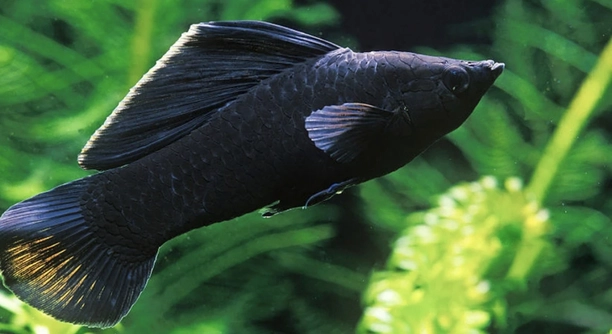
Black Mollies are a popular choice for home aquariums because of their striking color and lively behavior. Observing them can be enjoyable, yet sometimes they exhibit unusual habits, like circling objects repeatedly around the tank.
Black Molly fish often circle objects repeatedly due to a combination of environmental stress, territorial instincts, and natural exploratory behavior. Providing adequate space, proper tank enrichment, and maintaining water quality can reduce this repetitive motion effectively.
Understanding these patterns can help improve your aquarium setup and promote healthier, more natural behaviors in your fish.
Understanding Repetitive Circling Behavior
Observing your Black Molly swim in circles around objects can be surprising at first. This behavior often arises from their natural curiosity combined with territorial instincts. Black Mollies are active fish that like to explore their environment, and any unfamiliar item in the tank can attract repeated attention. Stress also plays a major role. Factors like sudden changes in water temperature, poor water quality, or overcrowding can increase anxiety, causing them to circle more frequently. Lack of hiding spots or stimulation may make them fixate on certain objects. Providing plants, decorations, and adequate swimming space can help redirect their energy. Sometimes, circling is simply part of their instinctive patterns as they patrol their territory or assess their surroundings. Paying attention to these details allows you to create a healthier and more comfortable environment for them, reducing unnecessary stress and repetitive actions.
Keeping the tank clean and providing consistent conditions usually minimizes circling behavior. Observation helps identify patterns.
Creating a balanced habitat means including varied structures like plants, rocks, or small ornaments. These additions provide both shelter and interest, encouraging natural behaviors rather than repetitive fixation. Regular water testing and gentle adjustments prevent sudden changes that could trigger stress. Space is essential; overcrowded tanks often amplify anxiety and repetitive movement. Feeding schedules also matter, as consistent routines reduce restlessness. Watching how your Black Mollies interact with their environment gives insight into their preferences and needs. Over time, you can adjust decorations, tank layout, and environmental factors to foster more natural swimming patterns. Ensuring compatible tank mates and avoiding aggressive species also contributes to calmer behavior. By maintaining clean water, stable conditions, and engaging surroundings, you support your Black Mollies’ mental and physical well-being. Repetitive circling often decreases naturally when fish feel secure and stimulated.
Environmental Stress and Tank Setup
Stress is a primary factor in repetitive circling. Small tanks, poor filtration, or sudden changes can make fish uneasy.
A proper tank setup involves careful consideration of size, water parameters, and layout. Black Mollies need a minimum of 20 gallons for a small group to reduce stress. Filtration and aeration should maintain stable water conditions, avoiding sudden spikes in temperature, pH, or ammonia. Adding plants and hiding spots creates a sense of security, allowing fish to explore at their own pace. Decorations should be arranged to provide natural pathways and open swimming areas. Regular maintenance is essential; partial water changes, gravel cleaning, and filter upkeep keep the environment stable and reduce behavioral issues. Observing fish responses after each adjustment helps determine the most effective setup. Tank mates should be compatible, avoiding aggression or competition for food. By combining proper space, stable water, and environmental enrichment, you can minimize repetitive circling and encourage healthier, more natural activity patterns in your Black Mollies.
Diet and Feeding Habits
Feeding routines can influence circling behavior. Overfeeding or inconsistent schedules may cause restlessness, making Black Mollies more prone to repetitive movements around objects.
Balanced nutrition is essential. Black Mollies thrive on a combination of high-quality flake food, frozen or live foods like brine shrimp, and occasional vegetables such as blanched spinach or zucchini. Consistent portion sizes and feeding times prevent sudden bursts of energy that may lead to circling. Uneaten food should be removed to avoid water quality issues. Monitoring how your fish react after feeding helps adjust quantities and types of food. This reduces stress and encourages natural swimming patterns.
Feeding small amounts multiple times a day can maintain energy without overstimulation. Supplementing their diet with plant matter also supports health. A well-managed feeding schedule helps decrease repetitive circling and keeps fish active in a healthier, calmer way.
Tank Companions and Social Dynamics
Tank mates influence behavior. Aggressive or territorial fish can trigger stress, causing Black Mollies to circle objects repeatedly as a coping mechanism.
Introducing compatible species is key. Peaceful fish of similar size reduce anxiety and encourage normal social interactions. Avoid overcrowding; space allows each fish to establish its own territory without conflict. Observing interactions helps identify stressful pairings early. Providing hiding spots and visual barriers gives timid fish a place to retreat, decreasing repetitive movements caused by tension. Social dynamics also affect feeding behavior. Confident fish eating first can leave others anxious, increasing circling as they wait. Monitoring group behavior and adjusting the mix of species helps maintain a balanced, calm environment.
Regular observation of social interactions allows timely adjustments in tank composition. Ensuring each fish feels secure reduces stress-induced circling and promotes a more peaceful, interactive aquarium environment.
Water Quality and Maintenance
Poor water quality directly impacts Black Mollies’ behavior. High ammonia, nitrite, or nitrate levels can increase stress, causing repetitive circling around objects. Regular testing and partial water changes help maintain stable conditions.
Temperature fluctuations also affect activity. Black Mollies prefer 72-78°F. Keeping water stable reduces stress and encourages natural swimming patterns.
Tank Size and Space
Limited space can trigger circling. Black Mollies need room to swim freely, explore, and establish territory. A cramped tank restricts movement, making fish fixate on objects and repeat patterns unnecessarily.
Providing at least 20 gallons for a small group is essential. Open swimming areas combined with hiding spots create a balanced environment. Fish feel secure while having space to explore. Decorations should not overcrowd the tank; instead, they should guide natural swimming paths. Observing behavior after rearranging objects helps ensure space is adequate. Proper tank size encourages calmer, more natural movements and reduces stress-induced circling.
Health Check
Repetitive circling can indicate illness. Monitoring appetite, color, and fins helps detect potential health issues early.
FAQ
Why does my Black Molly circle objects repeatedly?
This behavior is often linked to stress, environmental changes, or boredom. Black Mollies are naturally curious and territorial. Circling can be a way to explore their surroundings, establish territory, or cope with discomfort caused by poor water conditions, overcrowding, or sudden changes in their environment.
Can tank size affect circling behavior?
Yes, tank size plays a significant role. Small tanks limit swimming space and make fish feel confined. When Black Mollies cannot move freely or establish territories, they may fixate on objects and repeat circling behaviors. Providing at least 20 gallons for a small group reduces stress and promotes natural swimming patterns.
Do other fish in the tank influence this behavior?
Tank mates affect social dynamics. Aggressive or territorial species can create tension, causing Black Mollies to circle as a stress response. Peaceful, compatible fish reduce anxiety. Hiding spots and visual barriers allow timid fish to retreat, which lowers repetitive movement caused by social pressure.
Could diet impact circling behavior?
Yes, feeding routines and nutrition matter. Overfeeding or inconsistent schedules can cause restlessness, leading to repeated circling. Balanced diets with high-quality flake food, frozen or live foods, and occasional vegetables maintain energy and reduce stress. Small, frequent feedings support calmer, natural swimming habits.
Does water quality make a difference?
Absolutely. Poor water quality with high ammonia, nitrite, or nitrate levels causes stress and can trigger repetitive circling. Regular testing, partial water changes, and maintaining stable temperature and pH levels help create a comfortable environment. Clean water encourages natural, relaxed behavior in Black Mollies.
Is circling ever normal?
Some circling is natural. Black Mollies patrol their territory and explore objects in their tank. Occasional circling without signs of stress or health issues is generally harmless. It becomes concerning when it is constant, frantic, or paired with other indicators of stress or illness.
How can I reduce repetitive circling?
Focus on tank setup, water quality, diet, and social dynamics. Ensure adequate space, add hiding spots and decorations, maintain consistent feeding schedules, and monitor water parameters. Removing aggressive fish or adjusting tank layout also helps. Observation is key to identifying which adjustments work best.
Can health problems cause circling?
Yes, infections, parasites, or neurological issues may lead to unusual swimming patterns, including circling. Watch for loss of appetite, discoloration, torn fins, or lethargy. If any of these appear, consult a vet or experienced aquarist to address potential illnesses promptly.
Does lighting or time of day influence behavior?
Lighting can affect activity levels. Bright or inconsistent lighting may stress Black Mollies, while natural, stable light cycles encourage regular swimming and reduce repetitive circling. A balanced day-night cycle helps fish feel secure and less anxious.
Are all Black Mollies equally likely to circle objects?
Individual personality and genetics play a role. Some fish are naturally more active or territorial, making them more prone to repetitive behaviors. Monitoring each fish helps determine if the behavior is isolated or general, guiding adjustments in care and environment.
Will adding more plants or decorations help?
Yes, environmental enrichment reduces repetitive circling. Plants, rocks, or ornaments provide stimulation and hiding spots. Arranging decorations to allow open swimming areas encourages exploration and distracts fish from fixating on single objects. Observation ensures the layout supports calm, natural movement.
How long does it take for circling behavior to improve?
Improvement depends on the adjustments made. With proper tank setup, stable water conditions, consistent feeding, and compatible tank mates, changes can be observed within days to weeks. Patience and monitoring are essential to ensure the environment meets the fish’s needs consistently.
Can stress from handling cause circling?
Yes, frequent netting or sudden disturbances can temporarily increase circling. Black Mollies may respond to perceived threats by repeating movement patterns. Minimizing handling and allowing them to acclimate to changes in the tank reduces stress-induced circling.
Is repetitive circling harmful if it continues?
Prolonged repetitive circling can indicate stress or environmental issues. It may lead to exhaustion or weaken the immune system, making fish more susceptible to illness. Addressing water quality, tank setup, and social dynamics is important to prevent long-term effects.
Do Black Mollies ever stop circling on their own?
They can, especially if environmental factors are adjusted. Natural exploration and temporary curiosity may cause short-term circling. Consistent care, proper enrichment, and stress reduction typically lead to decreased repetitive behavior over time.
What are the signs that circling is due to health issues rather than behavior?
Look for changes in color, appetite, fin condition, or unusual swimming patterns like spinning in one spot or erratic movement. Persistent circling with these symptoms usually indicates a health problem that requires attention from a knowledgeable source.
Can isolation help reduce circling?
In some cases, separating stressed fish or providing quiet areas within the tank helps. Isolation should be temporary and combined with environmental adjustments, ensuring fish feel safe and supported without inducing social stress.
Are younger fish more likely to circle?
Juvenile Black Mollies often explore more actively, which can include circling objects. While some of this behavior is normal, monitoring ensures it does not develop into stress-induced repetition due to overcrowding or poor conditions.
Does water current affect circling?
Strong or uneven currents can influence swimming patterns. Black Mollies may circle repeatedly if currents are too strong or inconsistent, making it hard to navigate the tank. Adjusting flow and providing sheltered areas can encourage calmer movement.
Can repetitive circling indicate boredom?
Yes, lack of stimulation can lead to fixation on objects. Adding plants, decorations, and space to explore allows natural curiosity to be expressed without repeated circling. Mental and physical enrichment is key to reducing boredom-related behaviors.
Should I consult an expert if circling continues?
Persistent or extreme circling may require professional guidance. A vet or experienced aquarist can assess water quality, tank setup, diet, and health to identify underlying issues and recommend solutions for long-term well-being.
Monitoring and patience are essential. Observing Black Mollies closely, adjusting their environment, and providing consistent care ensures that repetitive circling decreases and natural behaviors return. Changes may take time but are usually effective with proper attention and management.
Proper care combines multiple factors. Attention to water, diet, space, tank mates, and enrichment creates a stable environment. Reducing stress and encouraging exploration supports calmer, healthier fish, preventing unnecessary circling.
Consistency is key. Maintaining routines, clean water, and secure habitats fosters predictable conditions. Black Mollies thrive when their needs are consistently met, helping them exhibit normal swimming patterns and reducing stress-related behaviors over time.
Final Thoughts
Observing Black Mollies in an aquarium can be very rewarding, but repetitive circling around objects often raises concerns. This behavior is usually a response to environmental factors, stress, or natural instincts. Understanding the underlying causes helps you address the behavior without overreacting. Many fish display circling temporarily as they explore new additions or adjust to minor changes. At the same time, persistent circling may signal that something in the tank needs attention. Maintaining a calm, stable environment is essential for their well-being. Water quality, tank size, and proper social dynamics play a critical role in reducing unnecessary stress and repetitive movement. Ensuring these factors are well managed provides a sense of security and comfort, which naturally encourages healthier, calmer behavior patterns in your fish. Paying close attention to their daily routines and responses to environmental adjustments allows you to respond thoughtfully and improve their quality of life.
Diet and feeding routines also influence circling behavior. Overfeeding, inconsistent schedules, or improper nutrition can make fish restless and more prone to repetitive movements. A balanced diet of flake food, live or frozen options, and occasional vegetables helps meet nutritional needs while keeping energy levels stable. Feeding smaller portions several times a day prevents overexcitement and supports natural activity levels. Beyond food, environmental enrichment is essential for reducing boredom-related circling. Plants, ornaments, and hiding spots allow Black Mollies to explore, establish territory, and feel safe in their surroundings. Observing how they interact with these features provides insight into their preferences and allows you to adjust the tank layout accordingly. When fish feel secure and mentally stimulated, circling behaviors often decrease naturally, making the aquarium a calmer, more enjoyable space for both the fish and caretaker.
Social dynamics within the tank also play a significant role in repetitive circling. Aggressive or incompatible tank mates can trigger anxiety, making fish feel pressured or unsafe. Providing compatible companions and enough space to establish personal territories reduces stress and allows Black Mollies to exhibit normal behaviors. Even small changes in tank arrangement or water conditions can impact behavior, so careful observation is necessary. Health issues may sometimes manifest as circling, and monitoring appetite, color, and fin condition helps detect problems early. Regular maintenance, clean water, and stable temperature all contribute to reducing stress-induced behaviors. By combining proper care, consistent routines, environmental enrichment, and attention to social dynamics, repetitive circling can be minimized. Over time, Black Mollies are likely to display calmer, more natural activity patterns, making the aquarium a healthier and more visually pleasing environment.

Hello,
If you enjoy the content that we create, please consider saying a "Thank You!" by leaving a tip.
Every little bit helps us continue crafting quality advice that supports the health, happiness, and well-being of pets around the world, for pets of all shapes, sizes, and species.
We really appreciate the kindness and support that you show us!