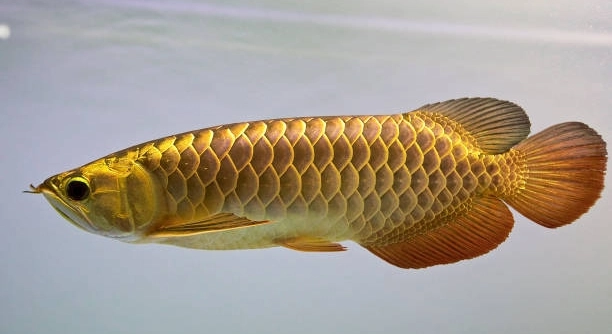
Why Is My Arowana Staying in the Dark Corners?
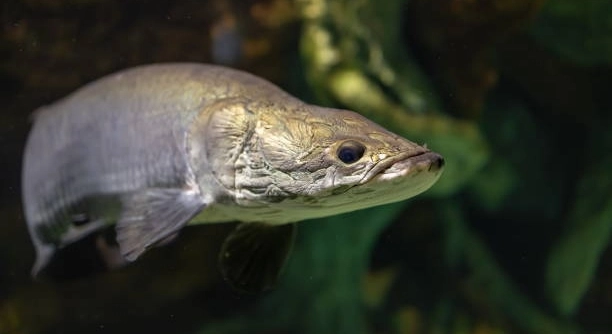
Have you ever noticed your arowana spending most of its time hiding in dark corners of the tank? It can feel worrying when such a beautiful fish seems withdrawn or unusually quiet for long periods. Arowanas often stay in dark corners due to stress, poor water quality, or improper tank conditions. Low oxygen, strong currents, … Read more
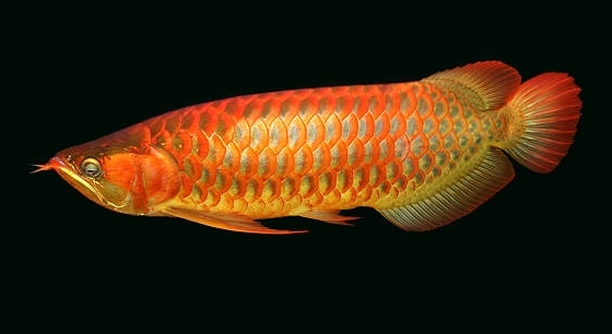
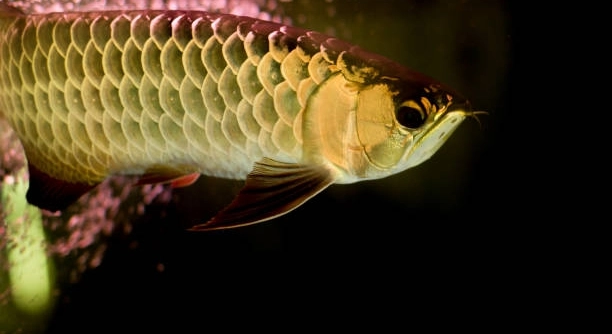
7 Tips to Keep Your Arowana From Getting Startled

Do you ever notice your arowana flinching at sudden movements or loud noises around your home? These graceful fish are naturally sensitive, and small disturbances can easily startle them. Keeping them calm is key to their well-being. Arowanas are highly sensitive to sudden changes in their environment, and minimizing startling stimuli involves controlling light, noise, … Read more

7 Warning Signs of Poor Tank Circulation

Do you ever notice debris or uneven temperatures in your fish tank and wonder if something is off with the water flow? Poor circulation can quietly affect your tank’s health and the well-being of its inhabitants. Poor tank circulation occurs when water movement is insufficient to distribute oxygen, nutrients, and heat evenly. This can lead … Read more

Can Arowana Recognize Their Tankmates?

Do you ever notice your arowana swimming gracefully across its tank, seemingly aware of its surroundings? Observing their behavior can be fascinating, especially when they interact with other fish in shared spaces. Arowanas can recognize their tankmates to some extent through visual and behavioral cues. They observe movements, size, and territorial behavior, which helps them … Read more

Why Do Arowana Sometimes Refuse to Move?

Do you ever notice your arowana sitting still for long periods, barely moving in its tank? Sometimes, these elegant fish pause and seem uninterested in swimming, leaving owners a little worried about their well-being. Arowanas may refuse to move due to stress, poor water quality, improper diet, or illness. Environmental changes, including temperature fluctuations and … Read more

Do Arowana Prefer Tall or Wide Tanks?

Keeping an arowana can be a rewarding experience, but many fish owners find themselves thinking about the best tank shape for their prized pet. The choice between tall or wide tanks often affects their comfort and swimming space. Arowanas prefer tanks that are wider rather than taller. A wide tank allows them ample horizontal space … Read more

7 Ways to Keep a Single Arowana Happy

Have you ever noticed how your arowana swims slowly in its tank, seeming uninterested in its surroundings? Watching it alone can make you wonder if it is truly comfortable and thriving in its environment. Ensuring a single arowana remains happy requires attention to tank size, water quality, diet, enrichment, and regular monitoring of behavior. Proper … Read more

7 Environmental Factors That Affect Arowana Mood

Arowanas are beautiful and majestic fish, often admired for their grace and striking colors. Keeping them happy requires understanding more than just feeding schedules. Their moods can shift quietly based on small environmental changes around them. Several environmental factors directly influence Arowana mood, including water quality, tank size, lighting, temperature, decorations, noise levels, and the … Read more

7 Ways to Reduce Arowana Stress During Cleaning

Keeping an arowana healthy involves more than feeding and tank maintenance. Cleaning can be stressful for these fish, affecting their behavior and appetite. Proper care during this process helps maintain a calm and balanced environment for your pet. Reducing arowana stress during cleaning involves minimizing sudden movements, controlling water flow, maintaining stable temperatures, using gentle … Read more

Why Is My Arowana Ignoring Me Lately?

Do you ever notice your arowana swimming quietly at the far end of the tank, seeming uninterested in your presence? Watching your fish ignore you can feel strange, especially if it usually greets you eagerly at feeding time. Arowanas may ignore their owners due to stress, illness, or environmental changes. Factors like poor water quality, … Read more