
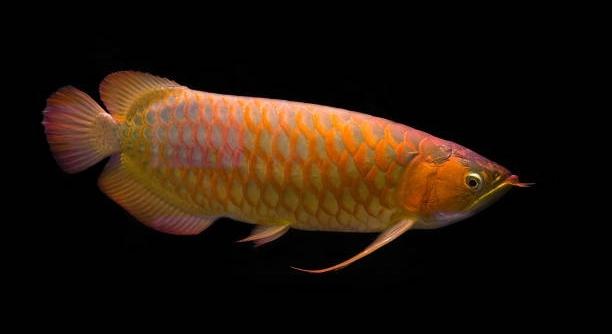
Do you ever notice your arowana swimming gracefully across its tank, seemingly aware of its surroundings? Observing their behavior can be fascinating, especially when they interact with other fish in shared spaces.
Arowanas can recognize their tankmates to some extent through visual and behavioral cues. They observe movements, size, and territorial behavior, which helps them establish social hierarchies and avoid conflicts within the aquarium environment. Recognition is limited but noticeable.
Understanding these behaviors can improve how you set up your tank and manage multiple fish, ensuring a more harmonious aquatic environment.
How Arowanas Identify Their Tankmates
Arowanas rely heavily on sight to understand their tankmates. They notice differences in size, shape, and movement patterns, which helps them distinguish between familiar and unfamiliar fish. Their keen eyesight allows them to track activity across the tank and respond to sudden movements. Territorial behavior also plays a role; larger or more dominant arowanas may assert control, while smaller fish adjust their swimming patterns to avoid confrontation. Over time, these fish begin to associate certain behaviors with specific individuals. Consistent interaction with the same tankmates helps arowanas remember who is aggressive, passive, or neutral, influencing how they behave in future encounters. Feeding routines and the location of hiding spots further contribute to recognition. Observing these patterns provides insight into how arowanas perceive their environment. By noting subtle differences in posture, swimming style, or approach, you can better understand their social interactions and create a calmer, more balanced aquarium atmosphere.
Their ability to recognize tankmates is gradual but reliable, shaped by repeated exposure and consistent environmental cues.
Familiarity develops as arowanas observe and respond to consistent behaviors. Over weeks, they begin to anticipate how certain fish move, eat, or defend territory. This recognition reduces stress and can prevent unnecessary aggression. Tank setup, including decorations and plants, influences interactions, providing visual markers and hiding spaces that make recognition easier. Feeding times also reinforce patterns; arowanas learn which fish are fast eaters and which are more cautious. Behavior during these times informs their social strategies, helping them decide when to assert dominance or stay passive. In multi-fish tanks, understanding these dynamics allows for better planning. You can position larger or more territorial arowanas separately or ensure smaller species have areas to retreat. Even subtle visual cues, like fin movement or approach angle, become recognizable. Observing these details can improve harmony, allowing each fish to adapt to the group naturally. Consistency in the tank environment and interaction is key to fostering recognition and reducing conflict among arowanas.
Signs That Arowanas Recognize Each Other
When arowanas recognize their tankmates, their swimming and feeding patterns become more predictable. They may swim closer to familiar fish and avoid those they perceive as threats.
Recognition also appears in subtle behaviors, such as parallel swimming, mirrored movements, and selective aggression. Over time, they show tolerance for certain fish while remaining cautious around newcomers. Familiarity can lead to cooperative feeding, reduced chasing, and a more stable social structure within the aquarium. It is not simply about size or dominance; repeated exposure and observation build memory. Fish that are recognized may trigger less stress and allow smoother coexistence. These behaviors indicate that arowanas remember their tankmates’ habits and adjust interactions accordingly. Observing these interactions can guide adjustments in tank population or layout, ensuring that each fish has enough space and comfort. By paying attention to these signs, owners can support natural social behavior and maintain a healthier environment for all aquatic inhabitants.
Factors Affecting Recognition
Tank size and layout influence how well arowanas can recognize each other. A cramped tank increases stress and aggression, while ample space with hiding spots allows clearer observation of each fish’s behavior and personality.
Lighting, decorations, and water clarity also play a role. Arowanas rely on visual cues, so murky water or poor lighting can make recognition more difficult. Clear visibility helps them track movements and identify consistent behaviors. Additionally, tank mates’ activity levels matter—more active fish are easier to notice, while shy or slow-moving fish may be overlooked, delaying recognition. Changes in tankmates, such as introducing new fish, can temporarily confuse arowanas, making them more cautious until they establish familiarity. Observing their reactions after adjustments provides insight into their social awareness and memory.
Feeding habits strongly influence recognition. Arowanas notice who approaches food quickly, who waits, and who may challenge others. Over time, they adjust behavior based on these patterns. Fish that consistently display predictable feeding or swimming behavior become easier to recognize. Differences in size, color, and personality further enhance identification, allowing arowanas to remember which fish pose threats or are non-threatening. Social dynamics evolve as familiarity increases, and understanding these factors can help maintain harmony in mixed-species or multiple arowana tanks.
Improving Tankmate Recognition
Providing consistent routines and clear territories supports recognition. Each fish can establish a predictable pattern, reducing stress and aggression in shared spaces.
Placement of decorations, plants, and hiding spots encourages clear sightlines and allows fish to observe each other without constant confrontation. Maintaining consistent feeding times also reinforces recognition, as arowanas learn who is present and how they behave during meals. Water quality, lighting, and tank organization contribute to their ability to notice and remember tankmates. Over time, familiarity reduces chasing and conflict, while cautious or aggressive behaviors are minimized. Structured routines and a stable environment create a smoother social dynamic for all fish.
Social Behavior Patterns
Arowanas show distinct social patterns when they recognize their tankmates. They may follow familiar fish more closely or avoid those they find aggressive. These patterns help maintain order and reduce unnecessary stress in the tank.
Territorial displays are often directed toward unfamiliar fish. Recognized tankmates face fewer confrontations, creating a calmer environment for all inhabitants.
Memory and Recognition
Arowanas have a reasonable capacity for memory, which aids recognition. They remember behaviors, feeding routines, and movements of tankmates over weeks. This memory allows them to adjust interactions, anticipate threats, and form temporary social hierarchies within the aquarium. Their ability to recall past experiences affects aggression and cooperation levels.
Challenges in Recognition
Sudden changes, such as introducing new fish, can confuse arowanas. They need time to observe and adjust, and stress levels may temporarily increase until familiarity is established.
FAQ
Can arowanas recognize new fish immediately?
Arowanas do not recognize new tankmates instantly. They need time to observe movement, size, and behavior before forming any understanding. Initial interactions may involve cautious swimming or defensive posturing. Over several days or weeks, they begin to identify patterns and adjust their behavior toward each new fish, establishing a sense of familiarity.
How long does it take for arowanas to remember tankmates?
Memory development varies depending on the fish’s age and environment. Younger arowanas may take longer to recognize others, while older fish are often quicker. Typically, consistent interaction over two to four weeks allows them to remember who is aggressive, passive, or neutral, reducing unnecessary confrontations in the tank.
Do arowanas show affection toward familiar fish?
While “affection” may not be exactly like in mammals, arowanas display tolerance and reduced aggression toward familiar tankmates. They may swim closer to recognized fish, share feeding areas with less conflict, and engage in synchronized swimming patterns. These behaviors indicate a level of comfort and recognition.
Can stress affect recognition?
Yes. Poor water quality, overcrowding, or sudden changes in the tank can impair recognition. Stress causes arowanas to be more defensive and cautious, making it harder for them to distinguish familiar tankmates from potential threats. Maintaining a stable environment is essential for consistent social behavior.
Does size influence recognition?
Size plays a role in recognition and social hierarchy. Larger arowanas often dominate feeding and swimming space, while smaller fish may learn to avoid them. Recognizing size differences helps arowanas establish pecking order and reduces constant fighting or chasing, contributing to a more peaceful tank environment.
Do arowanas recognize other species?
Arowanas can distinguish between species to some extent, but recognition is less precise compared to identifying their own kind. They mainly respond to movement, size, and behavior rather than species-specific traits. Familiarity with certain tankmates may reduce stress, even if the species differs.
How do feeding routines affect recognition?
Feeding times are key in recognition. Arowanas observe who approaches food quickly, who hesitates, and who competes. Repeated exposure during feeding allows them to learn patterns, remember specific tankmates, and adjust behavior accordingly. Consistent routines improve social harmony and reduce aggression during meals.
Can rearranging the tank affect recognition?
Yes. Changing decorations, plants, or hiding spots can temporarily confuse arowanas. Visual landmarks help them track and remember tankmates. Sudden changes may trigger cautious or defensive behavior until fish readjust and reestablish familiarity within the new layout.
Is it possible for arowanas to forget tankmates?
Forgetting can occur if arowanas are separated from tankmates for long periods or if stress disrupts memory. Reintroduction may require observation and adjustment. Familiar behaviors often resurface once they have time to reassess and recognize each fish again.
What is the best way to support recognition?
Maintaining consistent routines, stable water conditions, and clear visual spaces helps arowanas recognize and remember tankmates. Limiting sudden changes, avoiding overcrowding, and observing feeding patterns all contribute to calmer interactions. A well-structured environment allows them to feel secure and reduces unnecessary conflict, promoting a peaceful aquarium dynamic.
Can multiple arowanas live together peacefully?
Yes, but careful planning is essential. Recognized tankmates tend to coexist with less aggression. Providing adequate space, hiding areas, and balanced feeding reduces conflict. Gradual introductions and monitoring behavior ensure they can establish familiarity, hierarchy, and tolerance for long-term peaceful living.
Do arowanas recognize humans?
Arowanas often respond to human presence, especially during feeding. They can associate certain routines, movements, or signals with food and interaction. While not “friendly” in the traditional sense, this recognition demonstrates memory, observation skills, and the ability to distinguish between familiar and unfamiliar activity outside the tank.
How can recognition reduce tank aggression?
Recognition allows arowanas to anticipate behaviors, avoid unnecessary conflicts, and establish social hierarchies. Familiarity with tankmates decreases chasing and stress, promoting stable interactions. Observing behavior and adjusting tank setup, feeding routines, and introductions can enhance recognition and reduce aggression over time.
Do arowanas react differently to shy versus active fish?
Yes. Active fish are noticed quickly, while shy or slower-moving fish may take longer to be recognized. Arowanas adjust behavior depending on the perceived threat or energy of the fish. Over time, both types become familiar, allowing smoother coexistence and clearer social patterns in the tank.
Can recognition be enhanced with training or routines?
Consistent feeding schedules, predictable tank maintenance, and minimal sudden disturbances help arowanas recognize tankmates more effectively. Repetition reinforces memory and social awareness, making interactions calmer. Routines also provide security, allowing fish to anticipate behaviors and reduce unnecessary aggression.
This FAQ covers most concerns regarding arowanas and recognition. Understanding their social patterns and memory helps maintain a balanced, peaceful aquarium environment while supporting the natural behavior of these intelligent fish.
Arowanas are fascinating fish with strong visual awareness and memory. Observing how they interact with tankmates can be rewarding because their behavior shows subtle patterns that indicate recognition. Over time, they begin to distinguish between fish they see regularly and new additions. This recognition affects how they swim, eat, and assert themselves in the tank. Even small differences in movement, size, or behavior can help arowana remember other fish and adjust their actions accordingly. By paying attention to these signs, you can better understand their social dynamics and create a more comfortable environment for all the fish in the aquarium.
Recognition among arowanas is not instantaneous. They require repeated exposure to the same tankmates and consistent environmental conditions to learn who is friendly, neutral, or more aggressive. Factors such as tank size, layout, lighting, and water clarity all influence how well arowanas can observe and remember others. Feeding routines also play an important role, as fish notice who approaches food first, who waits, and who is more assertive. Over time, these repeated observations help arowanas form a mental map of their tankmates and predict behaviors. Providing stable conditions, clear sightlines, and enough space reduces stress and allows fish to recognize each other more easily. Familiarity reduces unnecessary chasing, lowers tension, and contributes to a more peaceful aquarium overall.
Understanding recognition in arowanas can improve how you manage their tank. Arranging decorations, providing hiding spots, and establishing predictable routines allows them to observe and remember their companions. Social dynamics such as dominance, tolerance, and cooperative behaviors become clearer with consistent care. Introducing new fish should be done gradually, giving everyone time to adjust and establish familiarity. Over time, recognized tankmates coexist with less aggression, and shy or smaller fish feel safer navigating the aquarium. Recognizing and respecting these patterns supports their natural instincts and promotes a healthier, calmer environment. Observing arowanas in this way can make aquarium keeping more satisfying because you see their intelligence and adaptability in action while maintaining balance in the tank.

Hello,
If you enjoy the content that we create, please consider saying a "Thank You!" by leaving a tip.
Every little bit helps us continue crafting quality advice that supports the health, happiness, and well-being of pets around the world, for pets of all shapes, sizes, and species.
We really appreciate the kindness and support that you show us!