Can Arowana Become Aggressive With Age?
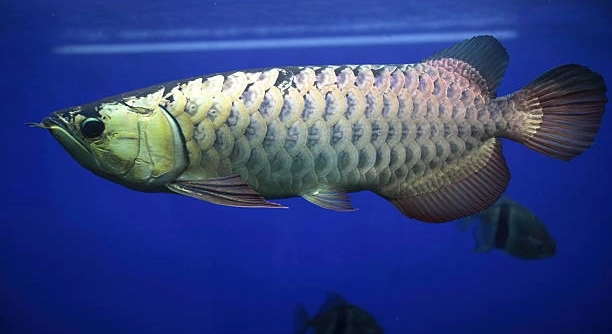
Do you enjoy keeping fish and watching them grow, but notice changes in their behavior as they age? Arowanas are beautiful, long-living fish, and their temperament can shift over time, which often surprises even experienced owners. Arowanas can become more aggressive as they mature due to territorial instincts and dominance behavior. Adult Arowanas are more … Read more
How to Create the Ideal Arowana Environment

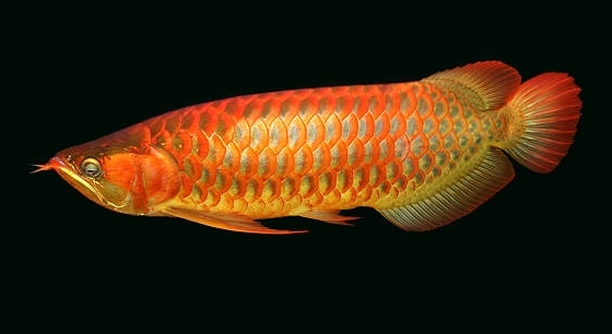
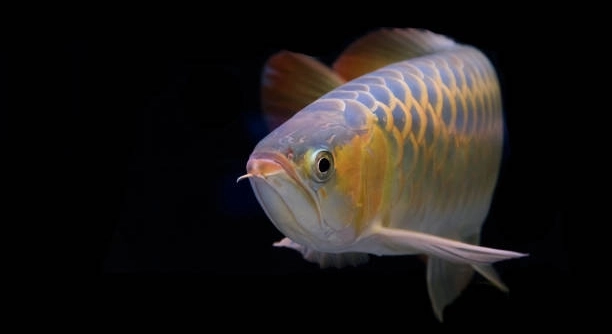
Are you considering adding an arowana to your home aquarium but are unsure where to start? Creating the right environment is essential for your fish’s health and long-term well-being, making careful planning important. The ideal arowana environment requires a spacious tank with stable water parameters, proper filtration, and adequate lighting. Maintaining consistent temperature, pH levels, … Read more

Why Does My Arowana Circle the Thermometer?

Have you ever noticed your arowana swimming around the thermometer in its tank? Many fish owners find this behavior puzzling, especially when their tank appears clean and properly maintained. It can be both amusing and concerning. Arowanas often circle the thermometer due to stress, territorial behavior, or environmental factors. Sudden changes in temperature, strong currents, … Read more

7 Things That Cause Arowana to Become Reclusive

Are your arowana suddenly hiding in the corners of its tank, seeming less active than usual? Many fish owners notice this change, and it can be concerning. Reclusive behavior often signals that something in the environment or care routine needs attention. Arowana may become reclusive due to various factors such as improper water conditions, inadequate … Read more

How to Introduce Arowana to a Quieter Tank

Introducing arowanas to a new tank can feel like a delicate process, especially if your aquarium is quieter than usual. These fish are sensitive to changes, and their adjustment period can be crucial for their health and comfort. The best method to introduce an arowana to a quieter tank involves gradually acclimating the fish. This … Read more

7 Signs of a Healthy Arowana (+How to Keep It That Way)

Do you ever notice your Arowana swimming gracefully but wonder if it is truly healthy and thriving in its tank? Observing small signs can make a big difference in ensuring your fish’s long-term wellbeing. A healthy Arowana exhibits clear eyes, vibrant scales, smooth swimming patterns, and a strong appetite. Proper tank maintenance, balanced diet, and … Read more

7 Subtle Mood Shifts in Adult Arowana

Do you ever find yourself watching your adult arowana and noticing small changes in its behavior that seem easy to overlook? These gentle shifts can reveal meaningful insights into its overall mood and day-to-day comfort. Adult arowana display subtle mood shifts through variations in swimming patterns, appetite, coloration, and responsiveness. These adjustments often indicate environmental … Read more

Why Is My Arowana Avoiding the Filter Area?

Paragraph 1:Is your arowana spending most of its time away from the filter area, leaving the tank quieter than usual? Observing your fish closely can help you understand its behavior and ensure it remains healthy and comfortable. Paragraph 2:Arowanas often avoid the filter area due to strong water currents, excessive noise, or poor water quality … Read more

Should You Use a Heater for Your Arowana Tank?

Keeping an Arowana healthy requires attention to its tank environment, including water temperature. Many fish owners wonder whether using a heater is necessary to maintain a stable and comfortable habitat for these majestic creatures. Using a heater for an Arowana tank is generally recommended, as these fish thrive in warm water between 75°F and 82°F. … Read more

Can Arowana Get Jealous of Other Fish?

Have you ever noticed your arowana acting differently whenever new fish are added to its tank, creating a shift in the calm routine you’ve grown used to in your aquarium at any given quiet moment. Arowanas can display jealousy-like behaviors when they perceive competition, often reacting to other fish through territorial gestures or heightened vigilance. … Read more