
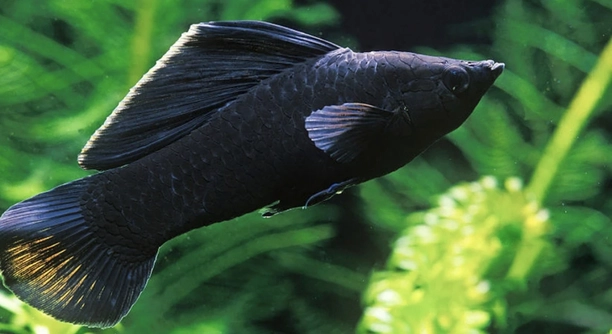
Black Molly Fry are small, vibrant fish that bring life to any aquarium. Ensuring they feel safe in their environment is key to their health and well-being. Proper care helps them thrive naturally and comfortably.
Creating a secure habitat for Black Molly Fry involves providing hiding spots, maintaining stable water conditions, monitoring tank mates, and offering appropriate food. These steps reduce stress, promote healthy growth, and support their natural behavior in captivity.
These foundational practices set the stage for a peaceful and nurturing aquarium, allowing your Black Molly Fry to grow confidently in their surroundings.
Provide Plenty of Hiding Spots
Black Molly Fry feel safest when they have spaces to hide. Plants, small caves, and decorations help them feel secure. Fry are naturally small and can be easily stressed by larger fish. Hiding spots reduce anxiety and give them a place to rest. It also allows them to explore at their own pace without feeling exposed. Floating plants are especially helpful, as they create shaded areas and break up open swimming space. A mix of live and artificial plants works well, giving them both natural oxygenation and consistent coverage. Arranging decorations with gaps for swimming creates a balance between shelter and space. Overcrowding the tank can increase stress, so spacing hiding areas evenly is important. These areas also encourage natural behaviors like grazing and darting between plants. When fry feel secure, they grow stronger and are less prone to illness, making the aquarium healthier overall.
Having multiple hiding spots prevents dominance issues and gives every fry a personal space, reducing conflicts and stress.
Adding varied shelters thoughtfully encourages exploration, natural behaviors, and a calm environment that benefits both fry and adult fish, creating a balanced tank ecosystem.
Maintain Stable Water Conditions
Black Molly Fry are sensitive to sudden changes in water temperature, pH, and hardness. Keeping these parameters steady prevents stress, disease, and poor growth. Even small fluctuations can be harmful, so monitoring regularly is important.
Regular testing and gradual adjustments keep fry safe, supporting steady development and reducing health risks.
Using a reliable heater and filter ensures consistent temperature and water quality. Avoid overcrowding to maintain balance in ammonia, nitrite, and nitrate levels. Frequent water changes, around 20–25% weekly, help maintain clarity and oxygenation. When adding new water, match temperature and pH to avoid shocking the fry. Soft water with moderate hardness suits Black Molly Fry best, and slight variations can be tolerated if changes are slow. Filtration should be gentle to prevent fry from being sucked in or stressed by strong currents. Observing fry behavior indicates water comfort—restless or gasping fish may signal issues. Keeping a routine and stable environment encourages healthy growth, reduces stress, and supports natural swimming, feeding, and hiding behaviors, making the aquarium a safe and nurturing place.
Monitor Tank Mates
Choosing the right tank mates is essential for Black Molly Fry safety. Aggressive or larger fish can stress or injure fry. Keeping them with peaceful species reduces competition and fear.
Peaceful community fish like small tetras or guppies are ideal companions. Avoid adding aggressive species, as fry can become targets. Even calm fish may inadvertently outcompete fry for food, so separate feeding areas can help. Observing interactions helps identify stress or bullying early. Fry feel secure when their tank mates do not chase or crowd them. Providing space and hiding spots ensures fry can escape if needed. Keeping a balanced number of fish maintains harmony and reduces territorial behavior, letting fry swim and feed freely without constant pressure. Adjusting tank population gradually prevents sudden stress and supports healthy growth.
Monitoring behavior is key. Removing or separating aggressive fish quickly protects fry and maintains a calm, thriving tank environment for all inhabitants.
Offer Appropriate Food
Black Molly Fry need small, frequent meals to grow properly. Regular feeding with suitable food prevents malnutrition and supports development.
Use finely crushed flakes, baby brine shrimp, or micro pellets designed for fry. Overfeeding can pollute water, so small portions multiple times a day work best. Observe fry eating to ensure all get food. Rotating food types provides balanced nutrients and encourages healthy growth. Uneaten food should be removed quickly to prevent water quality issues. Fry may not compete well with older fish, so feeding them separately or in shallow areas helps them access nutrients. Proper nutrition strengthens immune systems, supports swimming and hiding skills, and reduces stress. Consistency in feeding routines also makes fry more comfortable in their environment.
Providing a mix of high-quality, easy-to-eat food promotes strong growth, healthy coloration, and energy, ensuring fry develop safely and confidently in their tank.
Keep the Tank Clean
Regular cleaning is important to keep Black Molly Fry healthy. Dirty water increases stress and risk of disease.
Remove uneaten food and waste promptly. Partial water changes of 20–25% weekly maintain water quality. A clean tank reduces harmful bacteria and creates a safe, stable environment.
Maintain Gentle Water Flow
Strong currents can tire or injure fry. Using a sponge filter or adjusting the filter output creates a calm, gentle flow suitable for small fish. Fry can swim comfortably, explore, and feed without struggling, reducing stress and promoting healthy development in the tank.
Avoid Sudden Changes
Black Molly Fry are sensitive to abrupt changes in light, temperature, or environment. Gradual adjustments prevent shock and stress. Stable routines in feeding, lighting, and water maintenance help fry feel secure, thrive, and grow steadily in a calm and predictable environment.
FAQ
How often should I feed Black Molly Fry?
Feeding small fry multiple times a day is essential because they grow quickly and need consistent nutrition. Offer tiny portions, such as crushed flakes, baby brine shrimp, or micro pellets, three to five times daily. Observing how much they eat helps prevent overfeeding and water pollution. Uneaten food should be removed promptly to keep the tank clean. Consistent feeding routines also help fry feel secure and comfortable, as they learn when to expect meals and develop healthy growth patterns.
What is the ideal water temperature for Black Molly Fry?
Maintaining a stable temperature between 75–80°F (24–27°C) supports growth and reduces stress. Sudden fluctuations can harm fry and slow development. Using a reliable aquarium heater and thermometer ensures a steady temperature. Gradual adjustments are better than rapid changes if conditions need correcting. Keeping water within this range promotes swimming activity, feeding behavior, and overall health.
Which tank mates are safe for Black Molly Fry?
Peaceful species like small tetras, guppies, or other non-aggressive fish are best. Avoid larger or territorial fish that might chase or eat fry. Even calm tank mates can outcompete fry for food, so provide separate feeding zones and plenty of hiding spots. Observing interactions regularly helps ensure fry are safe and stress-free.
How can I prevent disease in fry?
Maintaining clean water and stable conditions is the most effective prevention. Frequent water changes, gentle filtration, and avoiding overcrowding reduce the risk of illness. Quarantining new fish and inspecting them before adding to the main tank can prevent disease introduction. High-quality food also supports strong immune systems.
How do I know if fry are stressed?
Signs of stress include hiding constantly, reduced feeding, sluggish swimming, or gasping at the surface. Fry may also become pale or show slower growth. Checking water parameters and observing tank dynamics can help identify causes. Adjusting hiding spots, water quality, or tank mates can reduce stress and encourage normal behavior.
Should I use live plants for Black Molly Fry?
Yes, live plants provide shelter, shade, and grazing areas. Floating plants create gentle cover, while rooted plants offer secure spots to hide. Live plants also improve water quality by absorbing nitrates and producing oxygen. Combining live and artificial plants gives fry safety and consistency in their habitat.
How often should I change the water?
Partial water changes of 20–25% weekly help maintain water quality without shocking fry. More frequent changes may be necessary if the tank is heavily stocked or if water tests show rising ammonia, nitrites, or nitrates. Always match temperature and pH of new water to avoid stress.
Can fry be left alone for a few days?
Black Molly Fry require frequent feeding and monitoring, so leaving them unattended for several days is not ideal. Automatic feeders can help with short absences, but water quality checks and proper hiding spots remain necessary. Fry thrive with consistent care and a stable environment.
How can I encourage natural behavior in fry?
Providing hiding spots, gentle water flow, and a mix of live plants encourages exploration and natural swimming patterns. Feeding small portions regularly, observing interactions, and minimizing disturbances support normal activity, growth, and overall health. Fry that feel secure exhibit more active and confident behavior.
Is it necessary to separate fry from adult fish?
Yes, adult fish may outcompete fry for food or accidentally injure them. Separating fry using a breeding box, nursery tank, or designated area ensures they can feed and grow without constant stress. Proper separation improves survival rates and overall development.
What type of filter works best for fry?
A sponge filter or gentle filtration is ideal. Strong currents can tire or harm fry, so adjusting filter output or using a sponge guard protects them. Gentle filtration keeps water clean while maintaining a calm swimming environment that supports growth and reduces stress.
How long do Black Molly Fry take to grow?
Growth depends on water quality, feeding, and overall care. With proper nutrition and a safe environment, fry start showing adult features within 2–3 months. Consistent monitoring of food, hiding spots, and water parameters ensures steady development and healthy maturation.
Can fry live with other baby fish?
Yes, as long as the species are peaceful and similar in size. Avoid mixing with aggressive or much larger fry, which can result in bullying or competition for food. Observing feeding behavior and maintaining hiding spots supports safe cohabitation and healthy growth.
How important is lighting for fry?
Moderate, consistent lighting helps regulate activity and feeding patterns. Too bright lighting can stress fry, while complete darkness slows growth and exploration. Using a timer ensures predictable light cycles that support natural behavior and development.
What should I do if a fry becomes sick?
Isolate sick fry immediately in a quarantine tank. Check water parameters and adjust as needed. Use treatments designed for fry, avoiding strong chemicals that can harm young fish. Observing recovery closely and maintaining a clean environment helps ensure successful healing.
How do I measure water quality for fry?
Regularly test pH, temperature, ammonia, nitrite, and nitrate levels. Keeping these within safe ranges reduces stress and prevents disease. Using reliable testing kits and recording results helps maintain a stable environment, making it easier to spot issues early and take corrective action.
Can fry survive without plants or decorations?
While fry can survive without plants, they feel safer and grow better with hiding spots. Decorations and plants provide shade, security, and areas to rest. Even a few well-placed items can reduce stress and encourage natural behaviors like swimming, grazing, and exploring.
Is it necessary to feed fry live food?
Live food like baby brine shrimp is beneficial but not mandatory. Finely crushed flakes or micro pellets can meet nutritional needs if fed properly. Offering occasional live food enhances growth, activity, and natural hunting behaviors but should be part of a balanced diet.
How do I prevent overcrowding in the tank?
Calculate tank capacity based on adult size and number of fry. Overcrowding leads to stress, poor water quality, and slow growth. Separating fry into multiple tanks or using a nursery area ensures enough space for swimming, feeding, and hiding, supporting healthy development.
Can I mix different Molly color varieties with fry?
Yes, but monitor for aggression. Most Molly color varieties are peaceful, but territorial behavior can occur. Provide hiding spots and observe feeding to ensure fry have access to food and feel secure in the shared environment.
How do I know fry are ready to join the main tank?
Fry are ready when they are large enough to compete for food without risk from adult fish, usually around 2–3 months old. Ensure they can swim confidently, hide when needed, and eat a variety of foods before transferring. Gradual acclimation helps prevent stress.
What is the best way to introduce new fry to an established tank?
Acclimate gradually by floating the nursery container or using a drip acclimation method. This allows fry to adjust to temperature, pH, and water chemistry without sudden stress. Providing hiding spots and monitoring closely during the first few days ensures safety and smooth integration.
How do I manage fry growth unevenly?
Faster-growing fry can outcompete slower ones for food. Separate feeding areas or occasional sorting allows all fry to eat adequately. Providing high-quality, small portions frequently ensures balanced nutrition. This prevents weak fry from falling behind and promotes uniform growth in the tank.
Are frequent water tests necessary for fry?
Yes, young fry are sensitive to water changes. Testing multiple times per week ensures parameters remain safe. Catching problems early reduces stress, prevents disease, and supports healthy growth. Consistency in monitoring is key to maintaining a stable environment for fry development.
Can fry survive in a community tank without special care?
Not reliably. Fry require hiding spots, gentle flow, and appropriate food to thrive. Without these measures, they may experience stress, injury, or malnutrition. Even small adjustments in tank setup can dramatically improve survival rates and overall health of young fish.
What signs indicate fry are healthy?
Active swimming, bright coloration, regular feeding, and growth are key indicators. Fry should explore, hide when needed, and interact calmly with tank mates. Observing behavior and physical condition regularly helps maintain a thriving environment and supports long-term survival.
How do I reduce stress when cleaning the tank?
Clean slowly, avoid sudden water changes, and keep fry out of strong currents. Partial water changes, gentle siphoning, and moving fry temporarily to a safe area prevent shock and maintain a calm, secure environment.
Is supplemental oxygen necessary for fry?
Generally, a well-aerated tank with plants and gentle filtration provides enough oxygen. Additional aeration may help in crowded tanks or during warmer months. Ensuring consistent oxygen levels prevents lethargy, supports feeding, and reduces stress in young fry.
How important is tank size for fry?
Sufficient space prevents stress, allows swimming, and reduces competition for food. Small tanks can lead to poor growth and higher disease risk. A larger tank with hiding spots supports natural behavior, growth, and overall well-being for Black Molly Fry.
What should I do if fry stop eating?
Check water quality, temperature, and tank mates first. Stress or illness often causes appetite loss. Offer small portions of varied, easy-to-eat food. Observing behavior and separating weaker fry if necessary can help restore feeding and prevent malnutrition.
How can I keep fry safe from sudden movements or disturbances?
Minimize tapping on the glass, loud noises, and sudden handling near the tank. Fry are sensitive to vibrations and shadows, which can trigger stress. Consistent routines and a calm environment promote confidence and reduce panic responses.
What is the best way to track fry growth?
Regularly observe size, behavior, and coloration. Taking notes or photos helps identify uneven growth, stress, or health issues early. Tracking development ensures fry receive proper nutrition, safe conditions, and timely interventions if problems arise.
Can fry survive without a heater?
In stable, tropical room conditions, fry might survive short-term without a heater. However, maintaining a consistent 75–80°F (24–27°C) is ideal for healthy growth. Sudden temperature drops can stress fry and reduce survival rates. A reliable heater provides stability for long-term development.
How do I prevent fungal or bacterial infections?
Maintaining clean water, removing uneaten food, and avoiding overcrowding are key. Quarantining new additions and providing gentle filtration reduces pathogen exposure. Treating infections promptly in isolated fry prevents spread and supports healthy tank conditions.
Can fry recognize their environment?
Yes, fry adapt to their tank layout and hiding spots. Familiar surroundings reduce stress and promote exploration, feeding, and natural behaviors. Gradual changes in plants or decorations help fry adjust without causing panic or disorientation.
What is the best lighting duration for fry?
A 10–12 hour light cycle supports feeding, activity, and natural rhythms. Using a timer ensures consistent lighting, reduces stress, and helps fry adapt to predictable conditions. Avoid excessive brightness, which can trigger hiding or erratic behavior.
How often should I observe fry?
Daily observation helps detect early signs of stress, disease, or aggression. Brief checks during feeding and swimming provide insight into health and behavior, allowing timely adjustments in care or tank setup. Consistent monitoring ensures a safe environment.
Can fry survive in the same tank as adults from other species?
Only if the adults are peaceful and not significantly larger. Avoid mixing fry with predatory or aggressive fish. Providing hiding spots and monitoring interactions ensures fry safety and reduces stress in shared environments.
How can I encourage fry to explore safely?
Arrange plants, decorations, and gentle currents to create safe zones. Frequent, small feedings in different areas encourage movement. Gradual exposure to open areas helps fry build confidence while reducing stress and promoting natural behavior.
Is quarantine necessary for new fry?
Yes, separating new fry before introducing them to the main tank prevents disease transmission and allows monitoring of health. Quarantine provides a controlled environment for feeding, hiding, and observing behavior before integration.
Can fry tolerate changes in pH?
Fry are sensitive to rapid pH changes. Minor gradual adjustments are acceptable, but sudden swings can cause stress or death. Keeping pH stable between 7.0–8.0 supports growth, feeding, and overall health.
How do I manage fry during water changes?
Use partial changes and match temperature and pH of new water. Move fry carefully if needed and avoid strong siphon currents. Gradual water replacement minimizes stress while maintaining cleanliness and safe conditions for growth.
What is the best diet ratio for fry?
Fry need a mix of protein-rich foods and plant-based nutrients. High-quality micro pellets or finely crushed flakes provide protein for growth, while occasional vegetable matter supports digestion and coloration. Balanced feeding encourages healthy development and energy.
How do I prevent fry from hiding too much?
Provide adequate but not excessive hiding spots. Gentle lighting, regular feeding, and calm tank mates encourage exploration. Observing behavior helps adjust shelter and feeding practices to keep fry active and thriving.
Can fry survive without a filter?
A filter is highly recommended. Without it, waste and toxins accumulate quickly, stressing fry and increasing disease risk. Sponge filters or gentle setups maintain water quality while preventing strong currents that could harm fry.
How do I ensure even access to food for all fry?
Feed small portions in multiple areas. Observe weaker fry and provide separate feeding zones if needed. Rotating food types and locations prevents competition and ensures all fry receive adequate nutrition for healthy growth.
Can fry live in soft water only?
Yes, but moderate hardness is preferred. Extremely soft water may lack minerals needed for growth. Slightly harder water provides calcium and magnesium, supporting strong bones, fin development, and overall health while keeping fry comfortable.
How can I reduce stress during handling?
Minimize physical contact and sudden movements. Use gentle nets or containers when moving fry and keep handling brief. Stress reduction preserves immune function, prevents injury, and supports healthy growth.
How important is tank layout for fry development?
Structured tanks with plants, hiding spots, and gentle currents promote natural behavior, exploration, and feeding. Proper layout reduces stress, competition, and injury, giving fry a safer environment to grow confidently and healthily.
Can fry adapt to a new tank easily?
Gradual acclimation helps. Matching water parameters, providing hiding spots, and monitoring behavior during the first days ensures fry adjust safely. Sudden changes can cause stress, so slow adaptation is key to survival and growth.
What is the most common reason fry fail to thrive?
Inconsistent care, poor water quality, and overcrowding are major factors. Providing stable conditions, appropriate feeding, hiding spots, and gentle tank mates supports survival, growth, and overall health, preventing common issues that impede thriving.
How do I handle aggressive fry behavior?
Separate or provide additional hiding spots if larger or faster fry harass smaller ones. Feeding evenly and ensuring space reduces competition and stress. Close observation allows early intervention before injury or stunted growth occurs.
Can fry survive in a small bowl?
Small bowls are not recommended. Limited space, poor water quality, and unstable conditions increase stress and disease risk. A properly sized, filtered tank with hiding spots supports growth, activity, and overall health.
How do I maintain consistent care routines?
Feed at the same times, perform water changes regularly, and monitor behavior daily. Consistency reduces stress, encourages natural behavior, and ensures stable growth, giving fry confidence and security in their environment.
What signs show fry are ready for solid food?
Fry actively seeking food, swimming confidently, and being able to grasp tiny pellets or flakes indicate readiness. Gradually introduce small, easy-to-eat solid foods while maintaining occasional live or finely crushed food for balanced nutrition.
How can I prevent overcrowding during breeding?
Move some fry to separate tanks or use nursery boxes. Calculate tank capacity based on adult size and number of fry. Overcrowding slows growth, increases stress, and can lead to disease outbreaks. Proper space ensures healthy development and thriving fry.
Can fry live with other species of fry?
Yes, if species are peaceful and similar in size. Avoid mixing aggressive or larger fry. Providing hiding spots, multiple feeding zones, and monitoring behavior ensures fry cohabit safely and grow without unnecessary stress.
What is the best way to monitor fry growth?
Observe size, behavior, and coloration regularly. Document changes with notes or photos. Monitoring helps identify slower-growing fry, adjust feeding, and detect early health issues. This ensures uniform growth and a healthy, thriving population.
How important is aeration for young fry?
Adequate aeration ensures oxygen levels support active swimming, feeding, and growth. Sponge filters or gentle air stones maintain oxygen without creating strong currents that could stress or injure fry. Proper aeration promotes healthy development and reduces lethargy.
Can fry survive without plants?
While possible, plants provide security, shelter, and grazing areas. Fry grow better when they have cover and shaded zones to hide. Even a few plants improve confidence, reduce stress, and encourage natural behavior in the tank environment.
How can I reduce stress during water parameter changes?
Gradual adjustments, temperature matching, and careful monitoring help fry adapt. Sudden changes in pH, hardness, or temperature cause panic and illness. Slow transitions and stable routines maintain a calm environment for fry growth and survival.
Is quarantine necessary for adult fish before adding fry?
Yes, quarantining adults prevents disease introduction and aggression. Ensuring all new fish are healthy before joining the main tank protects fry, maintains water quality, and reduces stress in the shared environment.
Can fry recognize me or feeding patterns?
Fry learn routines, recognize feeding areas, and may associate your presence with food. Predictable care builds security and reduces stress, helping fry eat confidently and develop normal behaviors in their tank.
How do I handle fry during tank maintenance?
Use gentle nets or temporary containers, avoid strong currents, and perform partial water changes. Keeping fry safe during cleaning prevents stress, injury, or accidental loss while maintaining clean, healthy conditions.
What is the safest way to transport fry?
Use small, secure containers with water from their tank, maintain temperature, and minimize movement. Avoid overcrowding and handle carefully. Gradual acclimation to new water conditions ensures fry arrive safely and with minimal stress.
Can fry survive in cold water?
Cold water slows metabolism, feeding, and growth. Temperatures below 75°F (24°C) stress Black Molly Fry, making them more vulnerable to disease. Maintaining warm, stable water is essential for healthy development.
How can I prevent fry from being eaten?
Provide hiding spots, separate them from adults or aggressive fish, and feed regularly. Dense plants and gentle tank mates increase survival rates. Observing interactions ensures fry remain safe and stress-free in their environment.
What type of substrate is best for fry?
Fine sand or smooth gravel prevents injury and allows for natural foraging behavior. Sharp or large substrates can harm delicate fry and trap waste, reducing water quality. Proper substrate
Black Molly Fry are delicate and require thoughtful care to thrive in an aquarium. Creating a safe environment is essential for their growth and overall health. Providing hiding spots, stable water conditions, and appropriate food allows fry to feel secure and reduces stress. Even small adjustments, like gentle water flow or soft lighting, make a noticeable difference in how confident they behave and how well they grow. Observing fry daily helps you identify signs of stress or health issues early, so you can respond quickly and maintain a safe habitat. Their survival and development depend largely on consistent care and a calm environment.
Maintaining water quality is one of the most important responsibilities when caring for Black Molly Fry. Regular partial water changes, gentle filtration, and careful monitoring of pH, temperature, and ammonia levels help prevent illness and support healthy growth. Overcrowding and aggressive tank mates can cause stress and stunted development, so it is important to plan tank size and population carefully. Feeding fry small amounts multiple times a day ensures they receive enough nutrition while preventing water pollution. Using a mix of live and prepared foods provides the nutrients fry need for strong bones, fins, and immune systems. A balanced approach to water maintenance, feeding, and tank population creates an environment where fry can explore, swim, and grow with confidence.
Attention to detail and consistent care are key to helping Black Molly Fry thrive. Simple measures, such as adding plants, arranging hiding spots, and keeping water conditions stable, create a secure environment that supports natural behaviors. Fry respond well to routines and calm surroundings, showing better growth, coloration, and activity when their needs are met. While raising fry can require patience, the effort pays off when they develop into healthy, active fish that enhance the aquarium. By combining thoughtful tank setup, proper feeding, and regular observation, you can ensure Black Molly Fry have the best chance to grow safely, remain stress-free, and become a vibrant part of your aquatic environment.

Hello,
If you enjoy the content that we create, please consider saying a "Thank You!" by leaving a tip.
Every little bit helps us continue crafting quality advice that supports the health, happiness, and well-being of pets around the world, for pets of all shapes, sizes, and species.
We really appreciate the kindness and support that you show us!